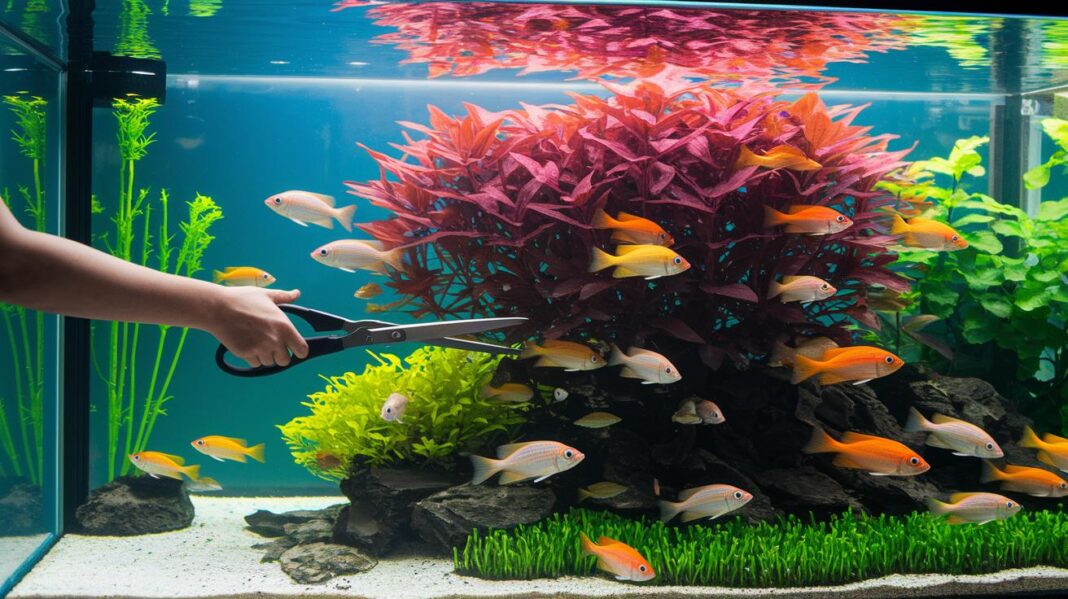

Ever wonder if your aquarium plants might be the hidden key to a livelier, well-balanced tank? Picture your underwater garden as a cozy escape where every gentle ripple supports your fish and keeps the water sparkly clean.
Setting up your tank is a bit like crafting your own natural paradise. In our guide "Caring for Aquarium Plants: Bright and Simple Steps," we share easy tips, like picking the right soil (think of it as the soft bed under your aquatic kingdom) and keeping the water in balance, to help your plants thrive.
Follow along and discover how to create a vibrant, healthy home for your fish, where nature and care mix just like a perfect underwater dance.
Essential Steps in Caring for Aquarium Plants
When you're setting up a tank, think of it like creating a calm underwater retreat. Start by choosing a spacious aquarium and a trusty substrate. Add lighting and a filter that work like the gentle ripple of water, keeping everything clean and clear. Live plants breathe out oxygen, soak up extra carbon dioxide, and help keep the water's pH nicely balanced between 6.5 and 7.8. Plus, they offer a safe, cozy hideout for your fish.
Next, pay a little extra attention to your water quality. Imagine tasting a soup so you know exactly what it needs. Keep hardness between 50 and 100 ppm and maintain alkalinity from 3 to 8 dKH. Nitrates should stay below 10 ppm and phosphates under 0.5 ppm to keep algae at bay. Regular water testing and weekly changes are a small effort that makes a big difference.
Then, set up a simple routine to care for your little underwater garden. Make sure your plants get about 8 to 10 hours of light daily to help them perform photosynthesis, the process they use to create energy. Check your water often and add a little fertilizer when needed. Starting with a few reliable plants, like Java moss, can build your confidence as you watch your aquatic world come alive.
Remember, a proper setup and consistent care can transform your tank into a thriving, balanced ecosystem that delights both you and your fish.
Choosing the Right Substrate When Caring for Aquarium Plants
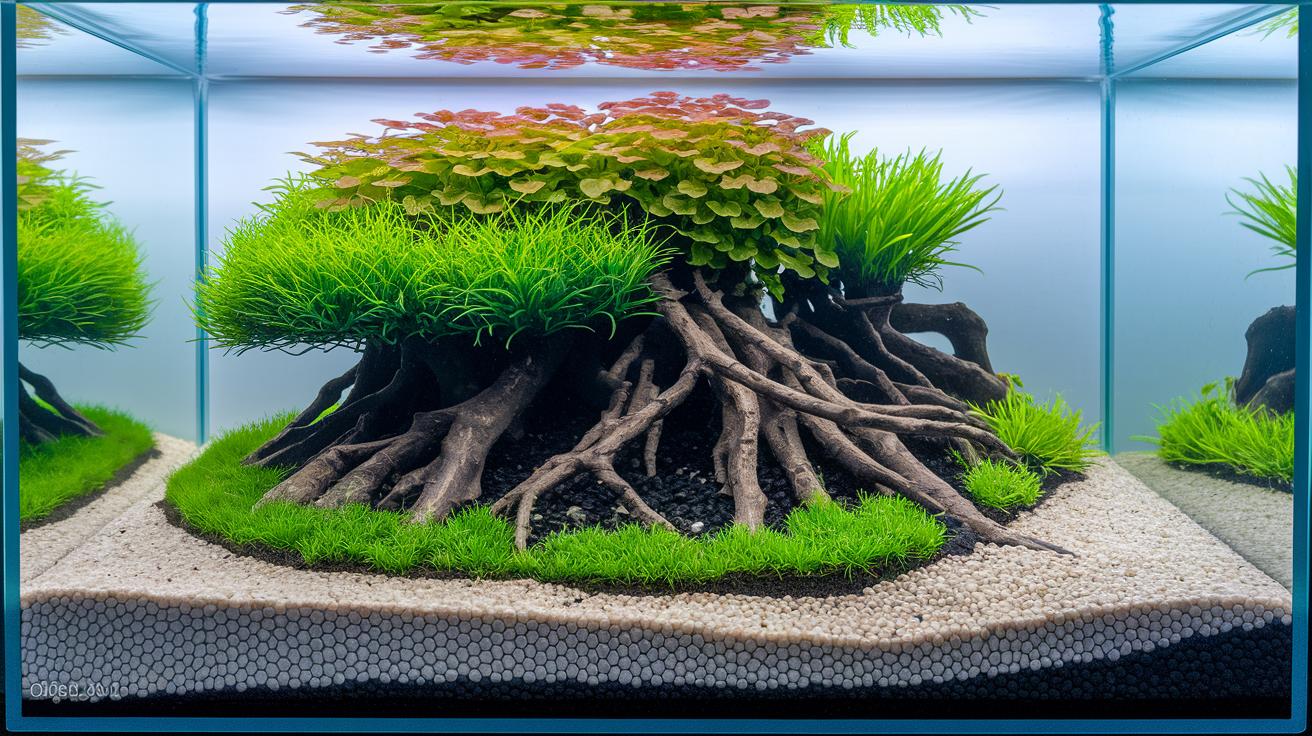
A great substrate is like the solid ground that supports your underwater garden. It holds plant roots steady, helps balance the water chemistry, and even benefits your fish. Think of it as preparing the soil for a garden. When you choose a natural substrate and arrange it carefully, you set the stage for a thriving aquatic world. Begin with a base rich in nutrients. For example, imagine placing plant-specific dirt at the bottom and topping it with an inert material. This simple layering lets plant roots soak up essential nutrients while keeping the water sparkling and clear.
Choosing between smooth fine gravel, easy-to-care-for sand, or a specially made aquarium soil is like picking out the perfect canvas for your underwater masterpiece. Each option brings its own texture and feel. Mix and match these layered materials to give your plants both gentle support and a balanced water chemistry. One smart technique is using a soft base substrate. This approach lets roots dive deeper into the substrate without messing up the clean top layer.
This way of layering not only makes upkeep simpler but also gives your planted tank a constant supply of nutrients. Try out these substrate layering tips and watch your plants bloom with healthy colors.
| Option | Description |
|---|---|
| Gravel Varieties | Different sizes and textures to suit your style |
| Decorative Sand | A low-maintenance option that still looks great |
| Aquatic Plant Soil | Specially formulated to provide nutrients for your plants |
Lighting Essentials for Caring for Aquarium Plants
Give your aquatic plants 8 to 10 hours of gentle light every day. LED fixtures and hanging kit lights work well because you can adjust their PAR values, a simple way to measure light strength for plants, so you can set the brightness just right. Aim for around 50 to 70 µmol/m²/s to keep moderate-light species happy without stressing them. It’s like choosing the perfect mood lighting for a quiet dinner, neither too bright nor too dim.
When picking your lights, check the color range they offer. A full spectrum mimics natural sunlight and helps your aquarium plants stay strong and healthy. Imagine a light that highlights every vibrant green leaf; that’s the kind of spectrum that not only makes your tank shine but also keeps algae at bay.
It’s important to watch how long your lights are on. Too much light or overly bright settings can invite algae problems. Setting up a timer for a regular schedule can make a big difference, ensuring your plants get just the right amount of light. Try adjusting your lights slowly until you find the perfect balance for your little underwater garden.
Nutrition and CO₂ Strategies in Caring for Aquarium Plants

Aquarium plants need a steady flow of nutrients and CO₂ to thrive. In simpler, low-tech tanks, fish waste naturally provides a gentle, low-volume CO₂ that works just fine for plants that don’t demand extra support. But if you’re looking to give your underwater garden a real boost, high-tech setups let you use tools like CO₂ diffusers, regulators, and bubble counters to keep levels just right, usually between 15 and 25 ppm each day. Think of natural fish waste as a soft whisper of CO₂ while a regulator cranks it up when you want to see some extra sparkle.
When feeding your plants, you have a couple of tasty options. Liquid fertilizers offer the big three macronutrients, nitrogen, phosphorus, and potassium, that help your plants grow lush and green. You can also use substrate tabs if you’re after a richer nutrient base; these slowly release essential trace minerals like iron, magnesium, and manganese. Most aquarists dose their fertilizers weekly or every other week, following the product’s simple instructions.
A little routine goes a long way, so setting a regular reminder helps ensure your plants get their daily dose of goodness. And if you’re leaning towards a CO₂-free aquascape, relying on solid lighting and steady nutrition can keep your green friends robust and flourishing.
Water Parameters for Caring for Aquarium Plants
Your freshwater garden will thrive if you treat your water like a cozy home for your plants. Keep the pH between 6.5 and 7.8, maintain a GH of 50–100 ppm, and aim for a KH between 3 and 8 dKH so the roots feel at ease. Use simple test strips or liquid kits each week, and keep an eye out; if nitrates near 10 ppm or phosphates hit 0.5 ppm, it might mean extra waste or decaying matter is lurking around.
When measuring temperature, place your thermometer in the center of your tank, away from any heaters or filters. A neat tip is to set it right in the middle, where the water flows naturally, to get the most steady reading. For tropical plants and fish, try to keep the temperature snug between 75 and 82°F. If you notice sudden changes in temperature or pH, check your thermometer’s spot or try sampling water from another area to pinpoint the issue.
Changing about 25% of your water every week keeps the chemicals in check and prevents unwanted buildup.
| Parameter | Recommended Range |
|---|---|
| pH | 6.5–7.8 |
| GH | 50–100 ppm |
| KH | 3–8 dKH |
| Nitrate | < 10 ppm |
| Phosphate | < 0.5 ppm |
Regular water testing helps you spot little changes before they turn into big problems. Checking the temperature in different parts of your tank may reveal hidden shifts that could unsettle your plants. Stay curious and keep your aquatic garden relaxed and thriving!
Propagation and Pruning Techniques for Caring for Aquarium Plants

Aquarium enthusiasts know that growing and caring for your underwater garden can be a lot like watching gentle ripples in a quiet pond. Propagation and pruning not only help keep your tank vibrant but also give every leaf a chance to soak up the light.
Runner-Based Propagation
Some aquarium plants, like Cryptocoryne, send out runners that naturally find their way into the soft substrate. It's pretty amazing how these little offshoots work, almost like nature’s secret plan to spread beauty in your tank. Simply tuck these runners gently into their new spot, and soon enough, you'll see them grow into strong, independent plants.
Cutting and Replanting Stems
When it comes to stem plants, a simple snip can work wonders. I like to trim 2 to 3 leaves below a node at a 45° angle, much like giving a plant a little trim to boost its growth, just like a neat haircut for your favorite aquatic friend. After cutting, drop the trimmed bits into the substrate and watch them root quickly. Regularly pruning extra growth helps ensure that all your plants get enough light, and clearing away any dying leaves keeps the water clean and your tank looking as lively as a sparkling stream.
Troubleshooting Common Issues in Caring for Aquarium Plants
Ever notice your aquarium plants starting to show yellowing leaves, like a little hint from nature that they’re missing something? When leaves lose their vibrant green, it’s often a sign that your plants aren’t getting enough nutrients. It’s almost like skipping breakfast; they need their fuel to thrive. You might need to feed them a bit more or even change the fertilizer. Keeping an eye on your water parameters is like reading the weather, it helps you spot hidden imbalances that can harm your plant friends.
Too much light can also stir up trouble. If you find algae taking over, whether it’s nasty green spots, fuzzy hair algae, or even blue-green types, it might be that your tank is getting too much sun. Try cutting back on the light to around 6 hours a day. It sounds simple, but less light can make a big difference. Removing algae by hand and introducing algae eaters into the tank can also help keep things clear and balanced.
When you spot any signs of plant disease or decay, like droopy or discolored leaves, it’s best to remove them quickly. This little cleanup keeps the tank healthy, much like tidying up a favorite space to keep everything in order.
For those times when your plants seem a bit weak from iron deficiency, a weekly sprinkle of chelated iron, about 0.1 mg/L, can give your green buddies the boost they need.
Here’s a quick recap:
| Tip | Description |
|---|---|
| Check Nutrient Levels | Keep an eye on water and feeding routines |
| Manage Light | Reduce light to around 6 hours daily to limit algae |
| Remove Decay | Quickly take out any dying plant matter |
| Add Chelated Iron | Use a small dose weekly to combat iron deficiency |
Following these steps is like fine-tuning your very own underwater paradise. Enjoy watching your aquatic world thrive and let the gentle ripples of care bring you peace.
Final Words
In the action, this guide walks you through steps for caring for aquarium plants, from choosing the right substrate and setting up proper lighting to balancing water parameters, adding nutrients, and using CO₂ strategies.
We also explored plant propagation and pruning techniques, along with tips to address common issues. Each section offers clear, practical advice to keep your underwater habitat healthy and beautiful.
Keep experimenting with these tips and watch your underwater world thrive every day.