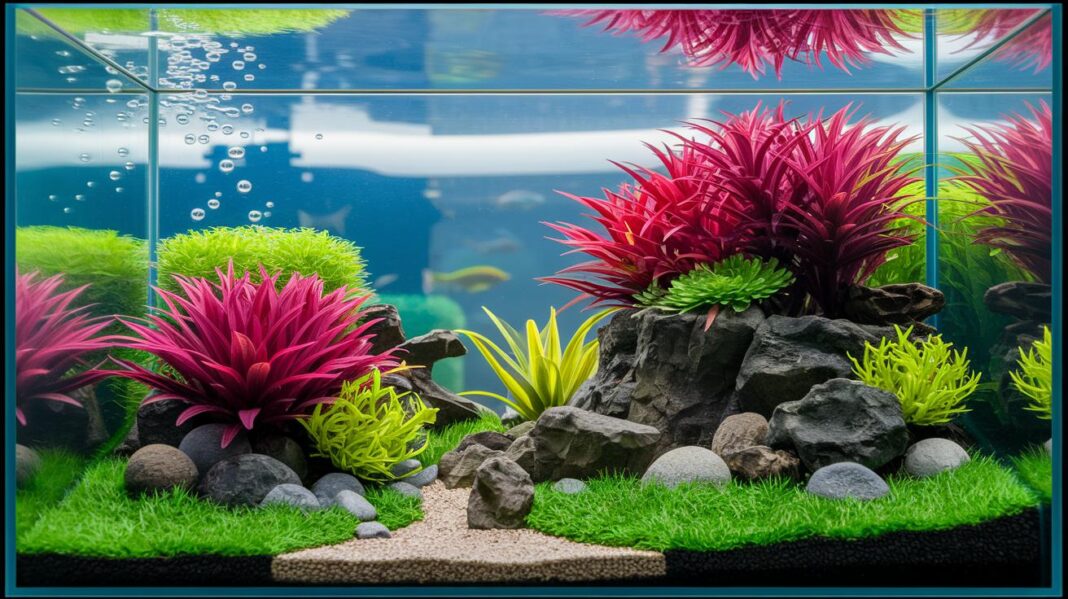

Ever wondered if your aquarium can look natural without the hassle of live plants? Artificial plants bring a splash of underwater beauty that stays bright, even when your fish are zooming around. They add charm and save you time, letting you enjoy your tank without extra upkeep. Whether you pick easy-care plastic or soft, silk options, these plants keep your underwater scene lively and stress-free. Let’s dive into how you can brighten your fish's world with these hassle-free aquatic additions.
How Artificial Aquarium Plants Enhance Tank Aesthetics
Artificial aquarium plants are a fun and stress-free way to bring a bit of nature into your tank. They look just like real greenery, creating a calm underwater scene that reminds you of gentle ripples on a sunny day. Even busy fish that like to nibble or bump can’t ruin these durable decorations. Fun fact: some aquarists choose these plants because they stay pristine no matter how much activity goes on in the tank!
You can pick from a couple of favorite materials, like plastic or silk. Plastic plants are super low-maintenance, they just need a quick rinse with tank water, and they're not bothered by algae buildup. Silk plants, on the other hand, add a touch of realism with soft, flowing leaves that sway like real underwater fronds. Both choices add depth and charm, making every tank look inviting for bettas or any other delicate species.
The best part is the ease they bring. With no extra need for fertilizers, CO2 dosing, or special lighting, you can enjoy a vibrant underwater garden without spending hours on upkeep. It leaves you more time to sit back, relax, and watch your aquatic friends glide by.
Comparing Materials: Plastic vs Silk Aquarium Plants
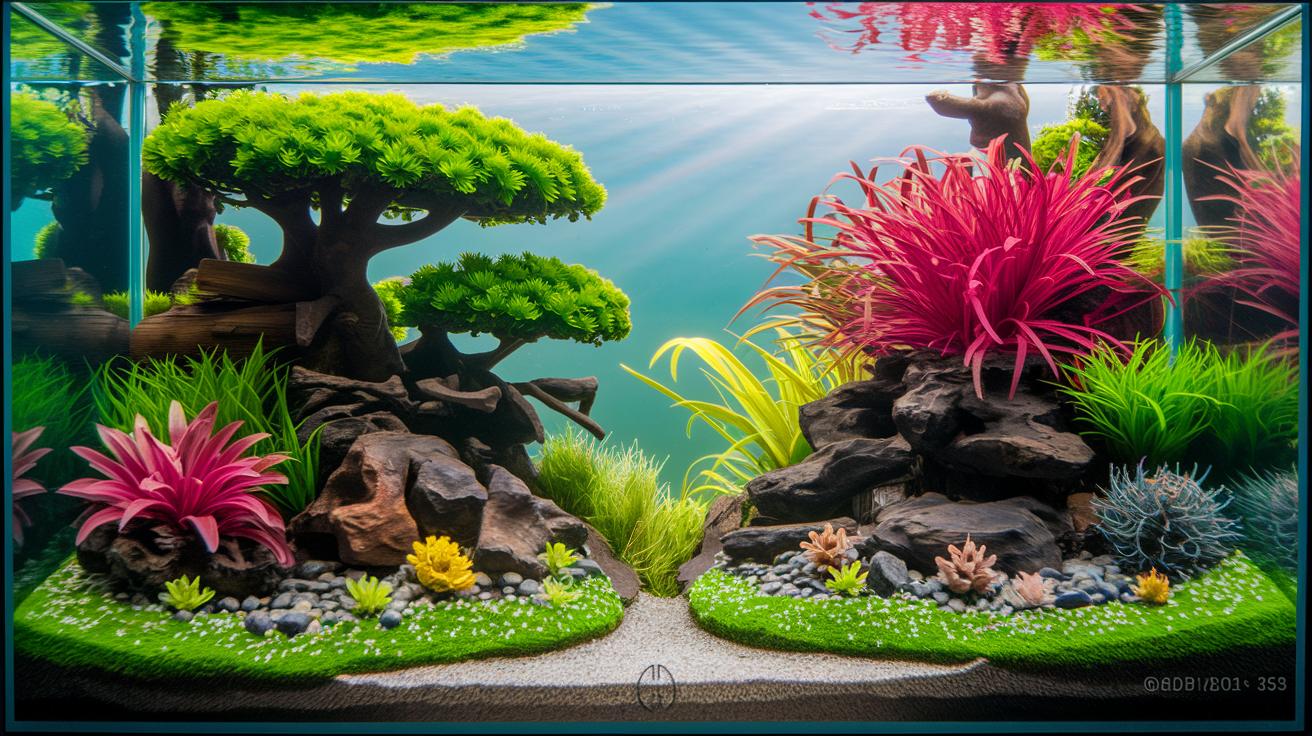
Plastic aquarium plants are a practical choice for anyone seeking durability and easy upkeep. They don’t soak up chemicals or germs, so a quick water rinse revives their vibrant look, just like a refreshing splash in a calm stream. One fellow hobbyist mentioned, "I clean my plastic plants with a quick water rinse, and they look as vibrant as the day I bought them!" Their tough nature makes them an affordable, long-term option for busy aquarists.
Silk aquarium plants bring a touch of realism with their soft, natural movement that mimics a gentle dance in the water. They add a lifelike charm to your tank, though you'll need to give them a careful hand wash to preserve their smooth texture. One enthusiast shared, "The silk plants add a magical touch to my setup, it’s like watching a soft dance in my aquarium!" Just keep in mind that this beauty comes with a bit more care and a higher price tag.
Below is a detailed comparison of plastic and silk plants in terms of realism, durability, maintenance, and cost:
| Material | Realism | Durability | Maintenance | Price |
|---|---|---|---|---|
| Plastic | Vibrant yet slightly static | Long-lasting; withstands active fish | Simple rinse with water | Lower cost option |
| Silk | Ultra-realistic movement and softness | Good; may diminish over time with handling | Requires gentle hand washing | Higher cost investment |
Selecting the Right Size and Style of Artificial Aquarium Plants
When setting up your aquarium, picking the right plant sizes and styles can really brighten up your tank. Think of it like creating a little underwater garden where every plant has its place. You can choose from different options, and each one helps give your tank a natural, flowing look, as if the water itself is gently guiding every piece into position.
For example, you might go with an 8-inch plant like the Fluval AquaLife Cabomba for a soft start, add a 10-inch piece like Ludwigia in the middle, and finish off with a striking 12-inch plant such as Anubias at the back. Each size works best in its own zone, creating smooth, natural transitions from front to back.
Here are a few easy guidelines to help you design your perfect aquascape:
| Tank Zone | Plant Size | Description |
|---|---|---|
| Foreground | 1–3 inches | Tiny, delicate bunches that add a neat finishing touch |
| Midground | 4–6 inches | Natural-looking grass or fern-like plants that bridge the layers |
| Background | 7–12 inches | Tall stems or leafy species that form a lush backdrop |
| Extra-large | Over 12 inches | Bold statement pieces perfect for open layouts |
Mixing tiny, front-row faux greenery with larger, dramatic pieces in the back helps create a balanced look that feels natural. Whether you're designing a compact display or going for a bold, dramatic scene, choosing the right sizes sets the stage for a beautiful, layered visual experience.
For more ideas and details on different sizes and styles, give a look at the aquarium plant supplies at https://sweetfysh.com?p=211. It might just spark your next aquatic masterpiece!
Installation and Placement Tips for Artificial Aquarium Plants
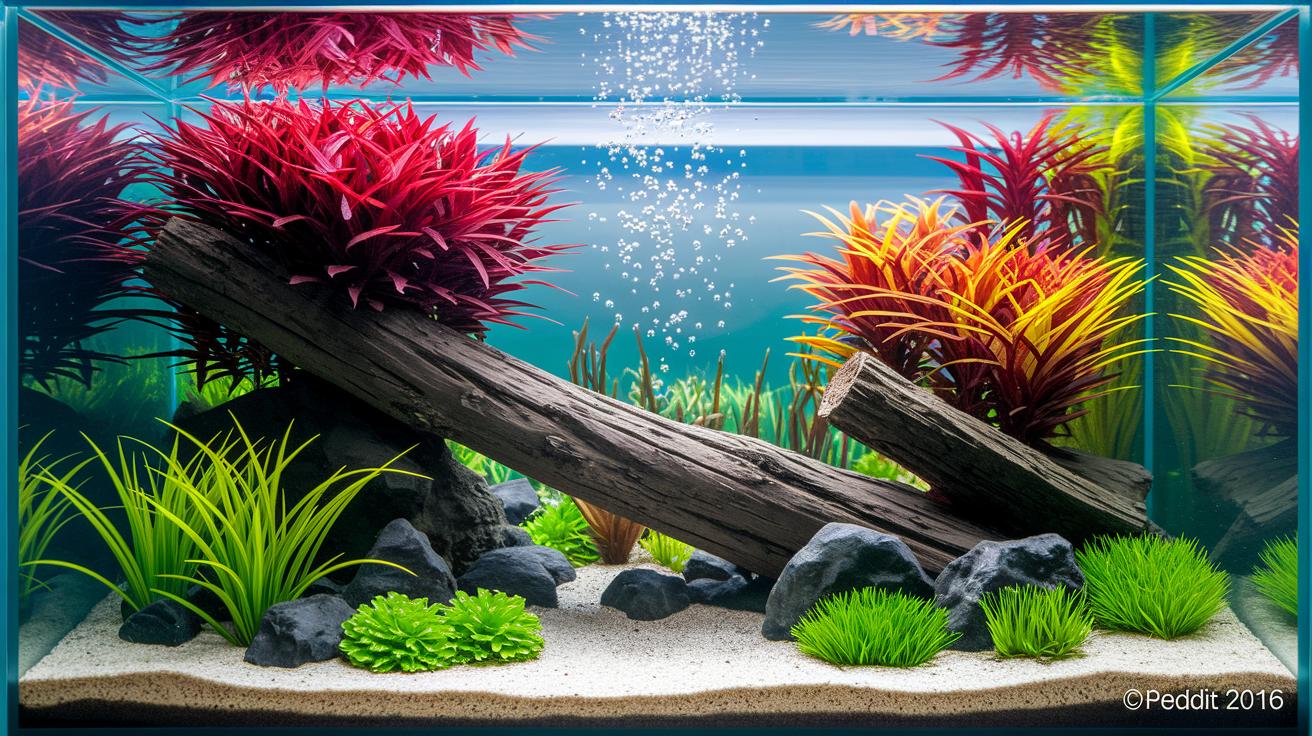
Begin by making a clear plan. Decide which plants will be set in place and which ones will float freely in your tank. For plants meant to stay put, gently push them into the tank's substrate so they feel secure. I once heard from a fellow aquarist, "I planted my fake greenery just like real plants, it makes the tank look natural and stable."
Next, when you add decorative logs or rocks, try using built-in stakes or aquarium-safe glue to secure your fake plants. This keeps everything from moving around while adding a fun, creative twist to your setup. A little tip: try placing a pre-planted piece next to a decorative log for a striking look.
Follow these easy steps to create a beautiful layout:
- Pick out the areas in your tank where the display will be the most eye-catching.
- Gently insert plants into the substrate, ensuring their bases are firm.
- Use glue or stakes to attach plants to driftwood or rocks.
- Arrange pre-planted decor around fixed points to create a seamless scene.
Remember, smart placement makes your tank feel like a calm, underwater haven. Try a quick test by gently pushing a plant to see if it stays put, like a small, trusty pillar in your mini underwater world.
Maintenance and Cleaning of Artificial Aquarium Plants
When the seasons change or your tank gets extra algae, here are some extra tips to keep your fake plants looking fresh. The simple cleaning steps we talked about before still work. For plastic plants, a quick rinse with some aquarium water every 4–6 weeks does the trick. And during warmer months when algae loves to grow, give the stems a gentle scrub with a soft brush. I remember after a hot week, I brushed my plant stems lightly to stop algae from taking over.
Silk plants need a bit more care. Wash them gently by hand using a soft cloth or sponge so you don’t harm their delicate fibers. If you notice extra algae, try using a diluted aquarium-safe cleaner to remove buildup while keeping the silk soft. I once used a mild solution during a season of heavy algae, and it helped keep my silk plants just right.
Also, take a moment during seasonal shifts to check your fake greenery for any wear or changes in your water. This little extra effort will keep your artificial plants looking new and your tank safe for your fish.
Buying Guide to Artificial Aquarium Plants
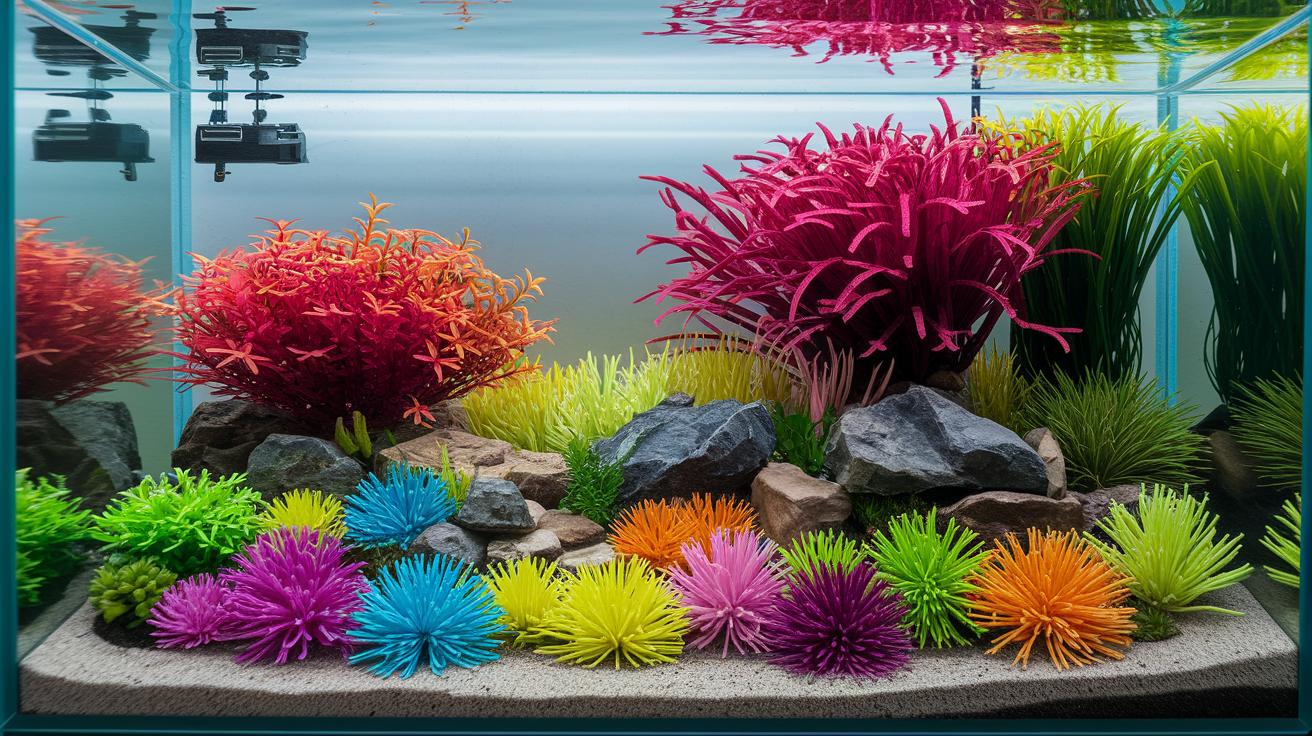
When you're hunting for those lifelike fake plants, take a moment to check where you can grab quality pieces while keeping an eye on costs. Did you know U.S. buyers might face up to a 30% extra fee on imported items? It’s a good idea to peek at pricing and shipping info before you decide. Many online shops even sort their selection into beginner, medium, and advanced levels, so you'll find the perfect match whether you're setting up your first tank or giving your display a fun update.
Here's a neat tip: compare both wholesale and discount options on imitation tank plants to land a great deal on your favorite styles. Many top aquarium supply sites ship quickly, meaning you could have your new decor in your tank before you know it. I once heard a friend say, "I got my plants delivered in just a few days, even with extra shipping, pretty amazing!"
When you're working with a budget, remember that wholesale and discount pricing can really help save a lot. Retailers sometimes roll out seasonal deals that let you treat yourself or refresh your entire setup without breaking the bank. If you're looking for even more options, check out various aquarium plant listings online. This way, you can craft a tank that looks stylish and feels just right for your wallet.
Top Customer Picks for Artificial Aquarium Plants
#5 Fluval Anubias Plastic Plant
This plant feels soft with a rubbery touch that offers extra care for sensitive axolotls. Customers appreciate how gentle it is and how little work it needs. It fits perfectly in starter setups and smaller tanks where delicate species deserve special protection. One aquarist even shared that it’s both safe and soothing, adding a natural vibe to his tank. It’s a top pick if you need both safety and lasting quality.
#4 Burgundy Silk Plant
The Burgundy Silk Plant moves with a lifelike flow that mimics real underwater vegetation. Its graceful sway and rich color bring energy to the tank without overdoing things. Many users mention that it’s reasonably priced and adds a splash of natural beauty to mid-sized setups. It’s ideal for places where calm water flow and visual appeal matter most.
#3 Coontail Silk Plant
Loved especially by discus fish enthusiasts, the Coontail Silk Plant boasts a natural look and a soft feel that keeps fins safe. Its flexible design helps avoid any tangling, making it a friendly option for sensitive fish. It fits well with other aquarium decor, creating a warm and inviting underwater space. This plant manages to be both pretty and practical, making it a versatile addition to any freshwater tank.
#2 Fake Amazon Sword Plastic Plant
The Fake Amazon Sword Plastic Plant stands out with its detailed, realistic roots and design. Aquarists love it because it gives the charm of live plants without all the extra upkeep. It works best in larger tanks or behind the main display, setting up a layered scene that feels like a natural underwater jungle. It’s a great option if you want that authentic look without the fuss.
#1 Large Round Leaf Silk Plant M.G
Taking the top spot, the Large Round Leaf Silk Plant M.G wins hearts with its grand, flowing leaves that truly capture attention. Perfect for spacious aquariums, its lifelike design and soft texture transform a regular tank into a stunning underwater gallery. Its dramatic flair makes it the centerpiece of any setup, blending art and nature in one beautiful display.
Artificial vs Live Aquarium Plants: Weighing Pros and Cons
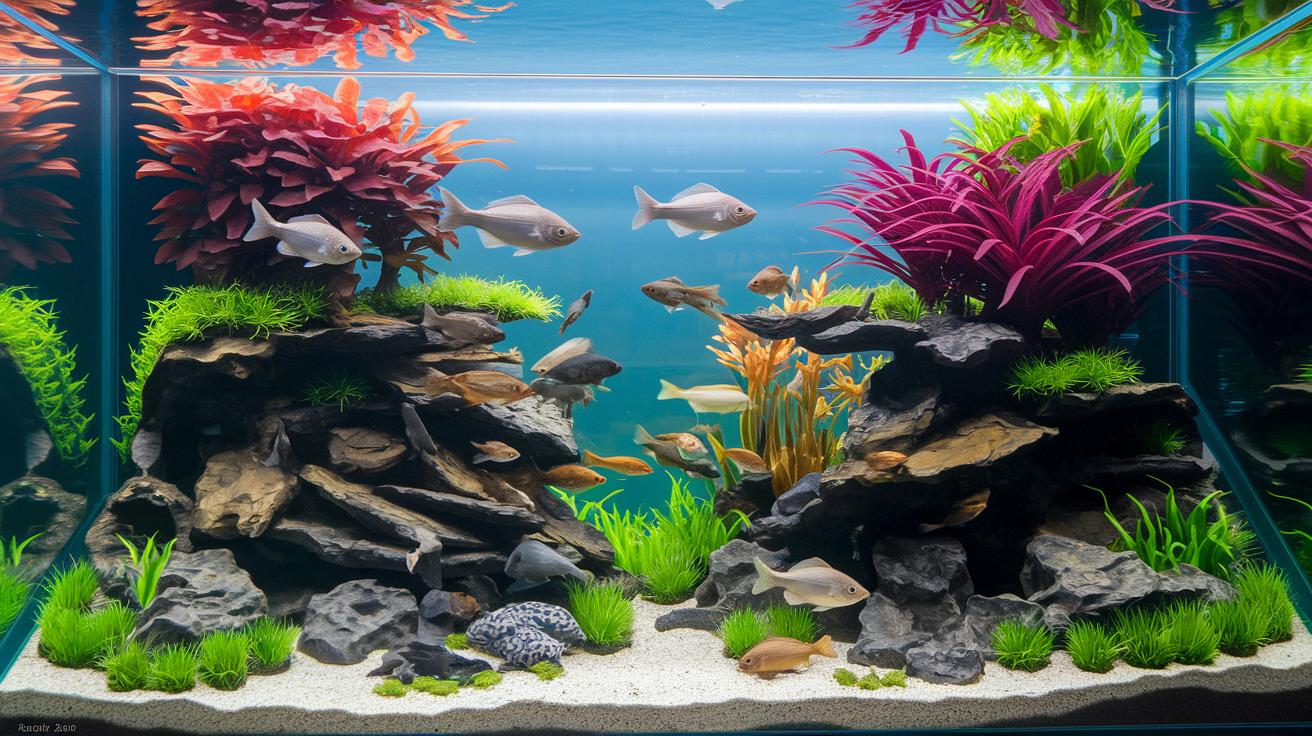
Artificial plants are a breeze to care for. They don’t need fertilizers, extra CO2, or special lighting. You get a pretty, steady underwater scene without the extra work. One aquarist even said, "I love that my tank stays beautiful without any extra work." It’s like having a low-maintenance garden that lets you skip the extra dosing of nutrients and the constant trimming, perfect for busy fish lovers or those just starting out.
Live plants, on the other hand, bring a whole lot more to the table. They add oxygen to the water, help keep algae in check, and act like a natural filter to keep your tank healthy. They create a lively, ever-changing environment, but they do need a bit more love. You’ll need to give them regular trimming, the right light, and nutrient-rich water to really shine. For example, a betta tank with live plants often ends up with calmer water and a balanced habitat because of the plants’ natural way of filtering the water.
| Type | Pros | Cons |
|---|---|---|
| Artificial Plants | No extra work, steady look, simple setup | May not feel as natural; some fish might get snagged |
| Live Plants | Add oxygen, natural filtration, more dynamic | Need regular care, proper light, and nutrients |
Final Words
In the action, this guide showed you how to elevate your aquarium with a mix of appealing yet practical decor. We covered materials, sizes, careful setups, and cleaning pointers that keep your tank vibrant. Each section helped explain why options like plastic and silk fare so well, letting you fine-tune your aquatic scene. Enjoy experimenting with artificial aquarium plants and feel good knowing your fish are in a bright, balanced, and safe home. Happy tank creating!
FAQ
What are the most realistic artificial aquarium plants?
The most realistic artificial aquarium plants mimic nature with detailed textures and vibrant colors, offering a maintenance-free way to bring the gentle beauty of underwater life into your tank.
What are the best artificial (fake) aquarium plants?
The best artificial aquarium plants blend durability with lifelike designs. They provide safe and appealing décor while withstanding nibbling and bumping from fish, making tank care simple and stylish.
What sizes of artificial aquarium plants are available?
Artificial aquarium plants come in many sizes—from small, delicate bunches perfect for the foreground to large, dramatic pieces that enhance background scenery, letting you create a balanced and inviting tank setup.
Where can I buy artificial aquarium plants?
You can purchase artificial aquarium plants from online retailers like Amazon and other pet supply shops. They offer a wide selection of styles and sizes, ensuring you find the perfect match for your tank décor.
What are Fluval artificial aquarium plants?
Fluval artificial aquarium plants are a trusted line known for their durability and realistic design. They add natural-looking aesthetics to your tank while being safe for a variety of aquatic species.
What are silk aquarium plants for bettas?
Silk aquarium plants for bettas feature soft, smooth textures that prevent fish injuries. They gently sway in the water, providing a safe, calming environment that mimics natural aquatic vegetation.
Are fake plants good for an aquarium?
Fake plants are good for an aquarium because they offer a safe, low-maintenance option to enhance tank beauty. They help reduce algae buildup and eliminate the need for constant care, which benefits your fish.
Do Amazon and Chewy sell live aquarium plants?
Live aquarium plants are available on both Amazon and Chewy. They offer natural benefits like oxygen production and biofiltration, though they require more regular care compared to artificial plants.