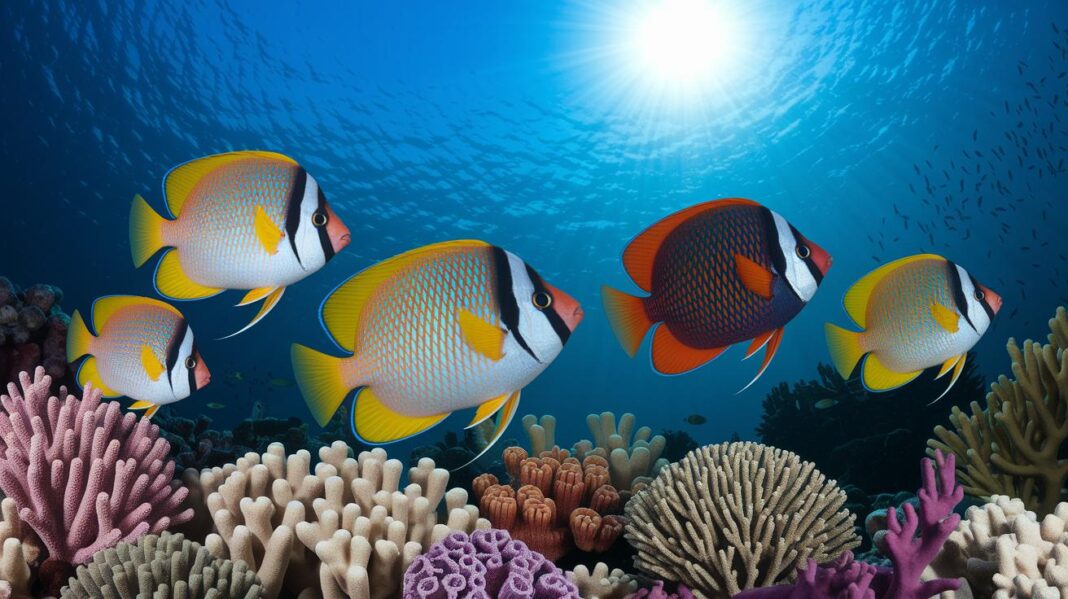

Ever notice how some fish seem to light up their world when the water has just the right blend of salt and freshwater? When the mix is perfect, brackish water fish truly shine. They love a tank that feels as bright and dynamic as a sunlit stream, letting their colors pop and their playful moves sparkle.
Imagine your aquarium turning into a vibrant underwater haven where each fish adds a splash of personality. It's like watching the shimmer of sunlight on rippling water, pure magic for any fish lover.
We've got some easy tips to help you create this lively space. With a balanced tank, you not only bring out the natural beauty of your fish, but you also foster an inviting, joyful atmosphere.
Stick with us, and you'll soon see why these radiant fish transform any tank into a colorful, marvelous underwater world.
brackish water fish Thrive in Bright Habitat
Brackish water is a cool blend of freshwater and saltwater where many unique fish find a happy home. These fish get used to a bit of salt and show off bright colors and playful moves that catch the eye of any fish enthusiast. I even heard a fellow aquarist say, "Watching my mollies dart around in their brackish realm is simply mesmerizing."
Many fish lovers choose brackish species because they bring a refreshing twist to a classic aquarium. They enjoy tanks that mimic a natural mix of water worlds, offering both a fun challenge and a delightful reward. One keeper said it felt like having a piece of the ocean right in their living room!
Here are some popular brackish water fish:
- Mollies
- Puffers
- Gobies
- Monos
- Archerfish
When it comes to keeping a brackish tank, a little extra care is needed. You need to keep an eye on the salt level, its specific gravity should generally be between 1.005 and 1.008. This range helps create a balanced, natural setting. Using things like aragonite or crushed coral (especially in soft or low-pH water) can help balance the water’s chemistry. Tanks, lids, lights, heaters, thermometers, filters, and dechlorinators all work together like a team to keep your fish healthy and active. With some planning and care, your brackish tank can become a lively, nature-inspired oasis.
Top Brackish Water Fish Species to Consider
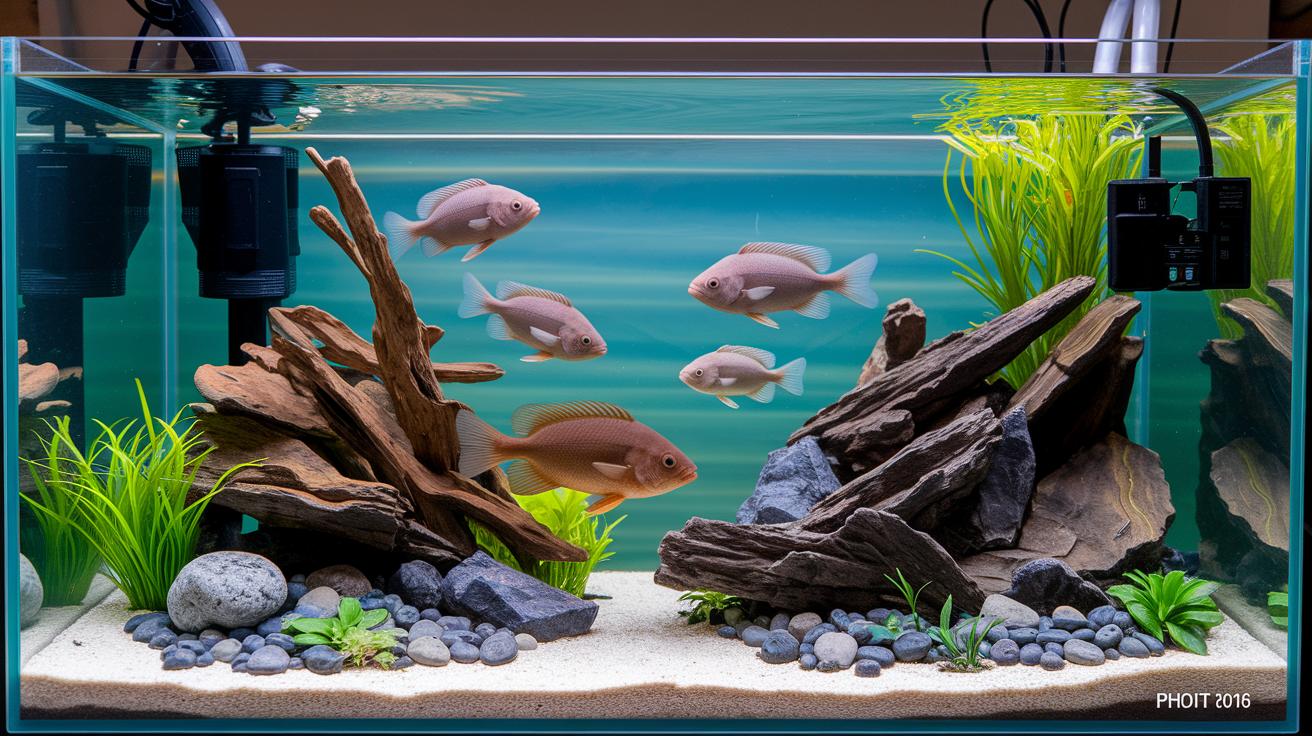
Choosing the right brackish water fish is like planning an underwater party where every guest feels at home. You want to match the fish to the water conditions in your tank. Most brackish fish thrive in water where the salt level, measured as specific gravity, is between 1.005 and 1.008, though they can sometimes handle a range from 1.004 to 1.012. Each species has its own needs, so introduce new fish slowly over at least four weeks to help them get used to the saltier water.
For example, imagine you are doing a water change in a 20-gallon tank. If you change half the water, mix in about 20 tablespoons of salt with 10 gallons of dechlorinated water before filling up again. Then, take a moment to check the salt level and make sure it's just right.
| Species | Max Size | SG Range | Diet | Temperament |
|---|---|---|---|---|
| Molly Hybrids | 6 in | 1.005-1.008 | Omnivore | Peaceful |
| Green Spotted Puffer | 5 in | 1.005-1.008 | Carnivore | Feisty |
| Archerfish | 8 in | 1.005-1.008 | Carnivore | Semi-aggressive |
| Mono | 7 in | 1.005-1.008 | Carnivore | Shy |
| Scat | 4 in | 1.005-1.008 | Omnivore | Calm |
| Bumblebee Goby | 3 in | 1.005-1.008 | Omnivore | Peaceful |
| Figure Eight Puffer | 5 in | 1.005-1.008 | Carnivore | Bold |
Finding the perfect fish also means thinking about more than just size and diet. You need to consider their personalities and how often you’ll be checking and tweaking the salt in your tank. By matching your water’s salt level with each fish’s needs, you create a community where everyone feels right at home. Active swimmers might enjoy an open space, while quieter or smaller fish will appreciate plenty of hiding spots. Taking the time to understand each profile makes your tank as balanced and lively as a calm, rippling bay.
Setting Up Your Brackish Water Fish Aquarium
When you're setting up your brackish water fish tank, start by picking the right size. A larger tank gives your little swimmers plenty of room and makes it easier to keep the water just right. Find a spot in your home that stays cozy and avoids too much direct sunlight, kind of like finding a quiet cove where the water is just right. And make sure your tank rests on a strong stand that won’t wobble, so your aquatic home feels stable from the start. Fun fact: a well-chosen tank can transform your space into a beautiful underwater scene!
Next, focus on the essentials like lighting, heating, and filtration, the heart of your little water world. Opt for lights that mimic natural daylight to bring out the bright colors of your fish, making them shine like sparkles on a soft blue sea. A good heater keeps the water between 74°F and 82°F, while a trusty thermometer helps you keep an eye on any sudden changes. Your filter should handle both cleaning out debris and fostering beneficial bacteria, helping your water stay as clear as a mountain stream. One fellow fish lover once mentioned how upgrading the filter really brought his tank back to life!
Then, think about your substrate and decorations. The base you choose, whether sand, gravel, or another type, matters, especially for the water's pH balance. If your water is a bit softer or has a lower pH, adding something like aragonite or crushed coral can give your tank a gentle marine vibe. Arrange these elements thoughtfully, using decorative rocks or driftwood to mimic a natural shoreline where your fish can find cozy hideouts and swim freely.
Finally, add in some accessories such as air stones, power heads, or circulation pumps to keep the water moving. These tools ensure a smooth, steady current throughout your tank, helping to maintain good oxygen levels and prevent any stagnant spots. Even a bit of extra flow can make a big difference, turning your aquarium into a lively, healthy home for your fish.
Managing Water Parameters for Brackish Water Fish

This handy guide brings together simple tips for water changes, salt adjustments, and keeping an eye on your tank’s readings. Keeping your fish happy means you need to check on salinity, pH, and temperature in one go. Try using a hydrometer or refractometer right after a water change to see that your specific gravity is between 1.005 and 1.008. Think of it like following a trusted recipe, every detail counts.
Pair these water checks with your regular water changes for a smooth routine. Mix your salt ahead of time using about 2 tablespoons per gallon of water, and stir until it’s well blended before adding it to your tank. Then, check your readings again a few hours later to be sure everything stays steady. Aim for a pH between 7.5 and 8.2 and a temperature from 74°F to 82°F. Keeping these numbers in range makes sure your fish stay active and thriving, just like a peaceful underwater scene.
| Parameter | Target Range |
|---|---|
| Specific Gravity | 1.005 – 1.008 |
| pH | 7.5 – 8.2 |
| Temperature | 74°F – 82°F |
- Check your specific gravity immediately after water changes.
- Mix and stir your premade saltwater carefully.
- Recheck the settings a few hours later to ensure stability.
Feeding and Dietary Needs of Brackish Water Fish
Brackish water fish each have their own way of enjoying mealtime. Some of these fish thrive on a mixed diet, savoring both plant treats and small bits of meat to keep their energy flowing. Others go for a meatier menu, favoring protein-rich bites like tiny crustaceans or insect pieces. As one keeper shared, "My mollies happily nibble on both algae wafers and occasional shrimp pieces, keeping their energy up."
Keeping a steady feeding routine is key for healthy fish. I recommend offering small portions two or three times a day. Watch your fish closely, if they scarf down their food or leave too many leftovers swirling around, you can easily adjust the portions. One aquarist mentioned, "I give just enough so that leftovers are rare, keeping my tank clean."
When you serve pellets or flakes, it’s a good idea to mix in some live or frozen treats every now and then. Adding a few morsels of frozen brine shrimp or bloodworms every few days not only boosts their nutrition but also brings a bit of excitement into their day. This simple tweak helps balance a commercial diet and brings a touch of the natural variety that your fish would find in the wild.
Common Health Issues in Brackish Water Fish
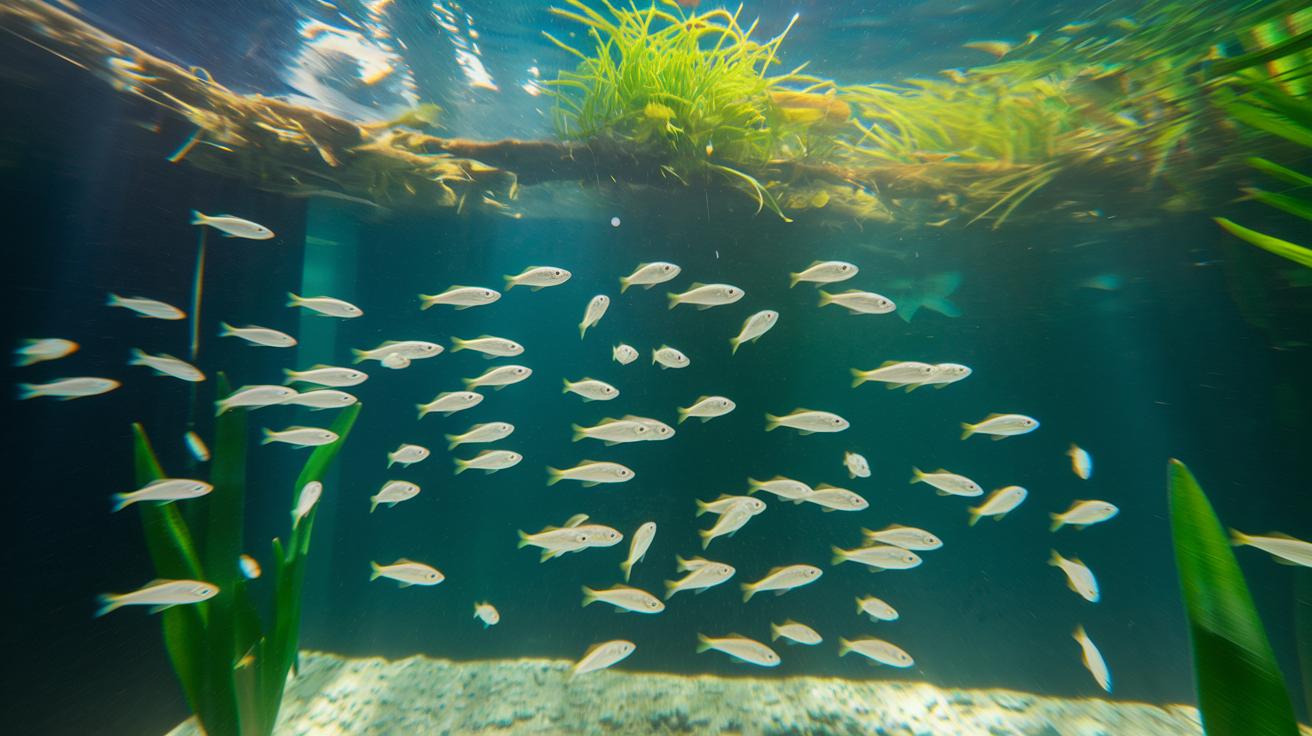
When the salt levels in their water change quickly, brackish water fish can get really stressed. This stress can weaken their defenses, making them more likely to catch infections.
Another challenge for these fish is poor water circulation. Without a gentle current, oxygen levels drop and the friendly bacteria that help keep the tank clean struggle to grow. This leaves the fish feeling weak and exposed.
In a brackish environment, fish might deal with problems such as ich, fungal infections, or bacteria. For example, a slight outbreak of ich could start as tiny white spots that sap a fish’s energy over time. Fungal or bacterial issues might show up as odd bumps or cloudy patches on their skin, causing discomfort and changing the way they behave.
The best way to protect your fish is to keep their water stable and the tank clean. Regular checks and cleaning help keep the salt, temperature, and pH levels just right. If you spot signs of illness, separating the sick fish and tweaking the water conditions can make a big difference. Plus, following advice from a trusted fish care guide can help your aquatic friends bounce back and reduce further stress.
Breeding Brackish Water Fish in Variable Salinity
Breeding fish in brackish water is a bit like preparing a perfect meal, you need the right balance of ingredients and time. It takes extra care and patience, just as you would while setting up your favorite aquarium. Keeping a watchful eye on the water, much like monitoring the gentle ripples on a calm pond, can make all the difference.
Salinity Adjustments for Spawning
To encourage your fish to spawn, try slowly changing the water’s saltiness. Some aquarists say that a gradual increase in specific gravity helps signal to the fish that it’s time to breed, while a slight decrease might mean the cycle is shifting. Picture moving the specific gravity from 1.005 to 1.008 over a few days, almost like mimicking the natural tide that tells the fish it’s time to get going.
Fry Rearing Techniques
Once the eggs hatch, the little fry need extra care with both their food and the water. It helps to keep the water a touch less salty within that ideal range and to offer tiny bits of nutrient-rich food that are easy for them to eat. Think of it as giving them a perfectly balanced snack that supports their growth without overwhelming their tiny systems.
Nursery Tank Requirements
For your young fish, a separate nursery tank is ideal. Choose a tank that is spacious and comes with a gentle, reliable filtration system. Regular partial water changes will keep their home fresh and inviting. This kind of setup gives your young fish a calm space to adapt and grow strong, just like a peaceful little refuge in a busy ocean.
FAQs About Brackish Water Fish Care

Q: How long should you acclimate new fish?
A: Take your time by easing new fish into their new home over a period of at least four weeks. Keep a close eye on them during this time. If you see them swimming erratically, pause any changes until they settle into calm, steady movements, kind of like easing into a gentle, quiet stream.
Q: What are ideal increments for specific gravity adjustments?
A: Adjust the specific gravity in tiny 0.001 steps, waiting about a day between each change. This slow, steady approach helps your fish get used to every little shift. Think of it like adding just a pinch of salt to your tank and watching carefully to see if the water feels just right.
Q: How often should water changes and salt balancing occur?
A: It’s best to change the water every week or two and to reintroduce salt each time, keeping the water balanced. Use a hydrometer to check the levels, and you might even jot down your weekly readings. This lets you catch even the smallest changes in your tank’s conditions.
Q: What substrates and décor options work best for brackish tanks?
A: Choose smooth sand, fine gravel, or other materials that won’t harm your fish. Adding naturally weathered rocks or driftwood not only gives hiding spots but also creates a look that reminds you of natural coastlines, a delightful nod to where your fish may have come from in the wild.
Q: What tips help when choosing compatible tank mates?
A: Look for fish that have similar water needs and friendly behaviors. Spend some time observing established tanks to see how species interact. This can help you build a peaceful, balanced community where everyone feels right at home.
Final Words
In the action recap, we journeyed through the basics of creating a safe, balanced aquarium, from the right gear and water settings to feeding tips and even fish breeding ideas. Each step helps shape a peaceful underwater home.
When these elements come together, your tank transforms into a cozy place where your brackish water fish live happily. Enjoy watching your aquatic world thrive with care and a splash of personal style.
FAQ
What types of fish are found in brackish water?
The question about what types of fish live in brackish water is answered by noting that species such as mollies, puffers, gobies, monos, and archerfish naturally thrive in mixed salinity habitats, making them ideal for home aquaria.
Which fish are popular for brackish water aquariums?
The inquiry into popular brackish water fish for aquariums shows choices like small, lively gobies and mollies that suit various tank sizes and conditions while balancing both freshwater and saltwater care needs.
Where can I buy brackish water fish and what should I expect regarding prices?
The question on purchasing brackish water fish highlights that buyers can explore pet shops, online listings, or local aquarium events, where prices vary by species, size, and availability, offering a range of options for enthusiasts.
Are any brackish water fish considered edible?
The query about edible brackish water fish reveals that while some species are consumed in local markets, it is best to check regional advice and proper preparation methods before considering them for food.
Can any freshwater or saltwater fish live in brackish water settings?
The inquiry on fish survival in brackish water means that only species adapted to variable salinity thrive, as most standard freshwater or saltwater species usually struggle with the changing salt levels.
Is it safe to swim in brackish water?
The concern about swimming in brackish water shows that while it is safe in many natural areas, it is wise to check local water quality and health guidelines to confirm a comfortable and healthy swim.
What about freshwater species like catfish or corydoras in brackish tanks?
The question regarding freshwater species, including catfish and corydoras, indicates that these fish are not suited to brackish setups since they prefer low-salinity water and have care needs different from fish adapted to mixed salinity environments.