
Have you ever wondered if fish have vaginas? It might sound odd, but most fish simply don’t have that part. Instead, they let their eggs and sperm mix together freely in the water, much like tossing ingredients into a bowl.
Sharks and rays, on the other hand, use a slight twist on their pelvic fins to move sperm along, but most fish keep things simple. In this chat, we explore how fish create new life and point out the differences between our underwater friends and land animals.
Get ready to dive into some cool anatomy facts and see just how unique life underwater really is.
Fish Reproductive Anatomy: Vaginas or No?
Have you ever wondered if fish have a part similar to the mammalian vagina? It turns out that most fish don’t. Instead of using internal fertilization with complex reproductive tracts, they simply release eggs and sperm into the water. Picture it like a gentle dance under the surface, where everything mixes naturally without the need for special parts.
Researchers have found that only a few marine critters, like some nudibranchs, actually have a reproductive system that includes something we’d call a vagina. Pretty surprising, isn’t it? This shows just how differently nature works underwater. While most fish stick to the simple method of letting gametes meet in open water, a few groups like sharks and rays have evolved unique ways. For instance, sharks and rays use modified pelvic fins called claspers to pass sperm along, making sure their species continue on their watery journey.
This variety in reproduction really highlights the amazing diversity of life underwater. Fish have adapted to life in the water by keeping things straightforward and effective, proving that nature’s solutions are as unique as the ripples on a calm pond.
External vs Internal Fertilization in Fish Reproductive Biology

Most fish go for external fertilization. They release eggs and sperm straight into the open water where they mix together naturally. Think of it like tossing a few ingredients into a bowl and letting the water do all the stirring. It all depends on good timing and a bit of luck, like the gentle tap of rain on a pond that creates ripples and wakes up life beneath the surface.
Then there are fish that choose internal fertilization. In these cases, the male delivers his sperm directly into the female using a special organ. This approach makes sure that fertilization happens in a secure, closed space, much like a secret room where every step of the process falls perfectly into place. It feels more like a carefully planned dance than a random splash, ensuring that each new life has a steady start.
- Sharks (elasmobranchs)
- Rays (elasmobranchs)
- Guppies (Poeciliidae)
- Mollies (Poeciliidae)
- Platies (Poeciliidae)
This difference in reproduction shows just how diverse fish biology can be. Every method highlights a unique way that life adapts to water, turning even a simple spawning event into a fascinating display of nature's creativity.
Specialized Copulatory Organs in Fish Species
Claspers in Sharks and Rays
Sharks and rays have changed part of their pelvic fins into what we call claspers. These handy tools let the male insert his sperm straight into the female, keeping the process safe and precise in the vast blue sea. Some species have developed these fins to work a bit like nature’s syringe, ensuring every mating has a great chance of success.
Gonopodium in Poeciliidae
In the world of guppies, mollies, and platies, the anal fin takes on a new role by turning into a narrow tube known as a gonopodium. This clever switch turns an ordinary spawning ritual into internal fertilization. It’s like a built-in water slide that guides the sperm directly to its target, making the process smooth and effective.
Priapium Fish Copulatory Organ
Priapium fish have an interesting twist of their own. They use a special organ on the underside of their head for intimate, face-to-face mating. This unique design ensures the sperm is transferred efficiently, showing just how inventive nature can be under the sea.
Lophiiformes Male Attachment
Among monkfish and other Lophiiformes, the males take a remarkably extreme approach. They bite onto a female and eventually fuse with her body. As they merge, they lose most of their parts except for the testes needed for reproduction. This remarkable bond is a striking example of how unique underwater adaptations can get.
| Species | Copulatory Structure | Fertilization Type |
|---|---|---|
| Sharks & Rays | Claspers | Internal |
| Guppies, Mollies, Platies | Gonopodium | Internal |
| Priapium Fish | Ventral Copulatory Organ | Internal |
| Lophiiformes (Monkfish) | Male Attachment | Internal |
Hermaphroditism and Sex Reversal in Fish Anatomy

Sometimes fish change their roles in the dance of life. Many fish begin as females and later become males, a process called protogynous hermaphroditism. For example, groupers start by laying eggs, and when they grow large enough or when the conditions are just right, they flip the switch and become males. This helps keep the balance in their watery world and ensures that enough fish can join in the mating dance.
In the colorful coral reefs, wrasse and parrotfish add their own twist to the story. In these busy communities, a group of females is often led by one dominant male. If that bossy male leaves, the biggest female takes charge and transforms into a male herself. This quick change, sparked by hints from the group and a need for balance, keeps their mating rhythm smooth and steady. It's nature's way of keeping everything in tune, just like a gently flowing stream assures that every ripple finds its way.
do fish have vaginas? Amazing Anatomy Facts
Imagine diving into a world where every fish holds a secret dance beneath the waves. Underwater courtship bursts with bright colors, flowing movements, and quirky signals that make each encounter feel like a lively celebration. Picture fins that flutter softly like little fans and bodies moving in sync with gentle water currents, it’s nature’s way of telling a story about love and attraction.
Take seahorses, for example. They share a tender duet where the male waits patiently while the female places her eggs in his pouch, fun fact: before this, they put on an enchanting ballet that leaves onlookers amazed. Cuttlefish, on the other hand, release little packets of sperm near the female’s mouth with careful aim, and lobsters send tiny taps and even use squirts to signal their interest. These charming behaviors show how life underwater is filled with unique, colorful moments that connect one creature to another.
Comparing Aquatic and Mammalian Reproductive Structures
Mammals have built their own cozy setup inside their bodies so that baby mammals can develop safely before being born. Fish, meanwhile, let their eggs and sperm float freely in the water, where nature mixes them together like a playful current. It’s kind of like comparing a snug little room that protects its visitors to a bright, lively waterfall where everything mingles on its own.
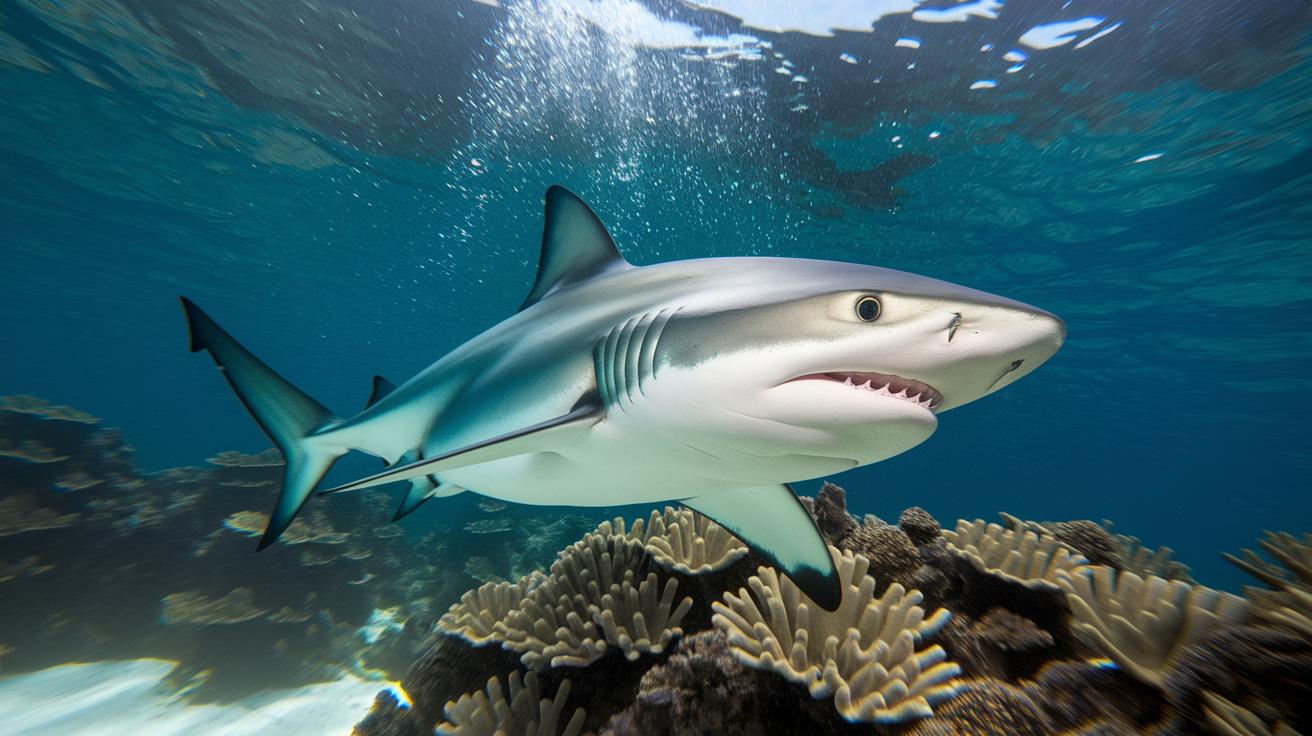
Some fish, such as sharks and a few rays, have taken a different route by using unique fins, like claspers or gonopodia, to help guide sperm into the female. This neat twist shows that while most fish release their gametes into the open water, sometimes nature shapes a more private method. Did you know sharks use claspers to channel sperm straight into the female’s cloaca? It’s a fascinating switch-up when you compare it with the typical way mammals do things.
Final Words
In the action, we explored fish reproductive anatomy and learned that fish have special ways of mating that differ from mammals. We looked at external fertilization, unique copulatory organs, and even instances of sex reversal. Each section gave a snapshot of how varied and fascinating aquatic reproduction really is. This discussion sheds light on the question do fish have vaginas, while offering tips to care for and enjoy your aquatic pets. It's been a refreshing dive into nature’s wonders with a smile for every fish lover.
FAQ
How do fish reproduce sexually?
The fish reproduction method relies on sexual reproduction, where eggs and sperm are released into water for fertilization. Most fish use external fertilization, while a few use internal methods with specialized organs.
How do fish get pregnant?
The concept of pregnancy in fish differs from mammals. Some species use internal fertilization to give birth to live young, but most fish release their eggs and sperm into the water, avoiding a true pregnancy.
How do fish actually mate?
Fish mate by engaging in brief courtship displays and either releasing gametes into open water or transferring sperm using organs like the gonopodium or claspers for internal fertilization.
Do fish feel arousal during mating?
The act of fish mating is driven by natural instincts and hormonal cues. They operate on biological signals rather than experiencing arousal in the same emotional way as mammals might.
Do fish have male reproductive parts?
Fish have male parts such as testes, and many species boast specialized structures like gonopodium or claspers to transfer sperm, even though they lack a mammalian-style reproductive organ.
What is the fish reproduction cycle?
The fish reproduction cycle involves the production of gametes, their release into the water, fertilization, and the subsequent development of eggs or live young through a series of natural, timed steps.
What do diagrams of fish reproductive systems show?
Diagrams often highlight male components like testes and specialized organs alongside female ovaries, illustrating how fish rely on external or internal fertilization methods that differ from mammalian systems.