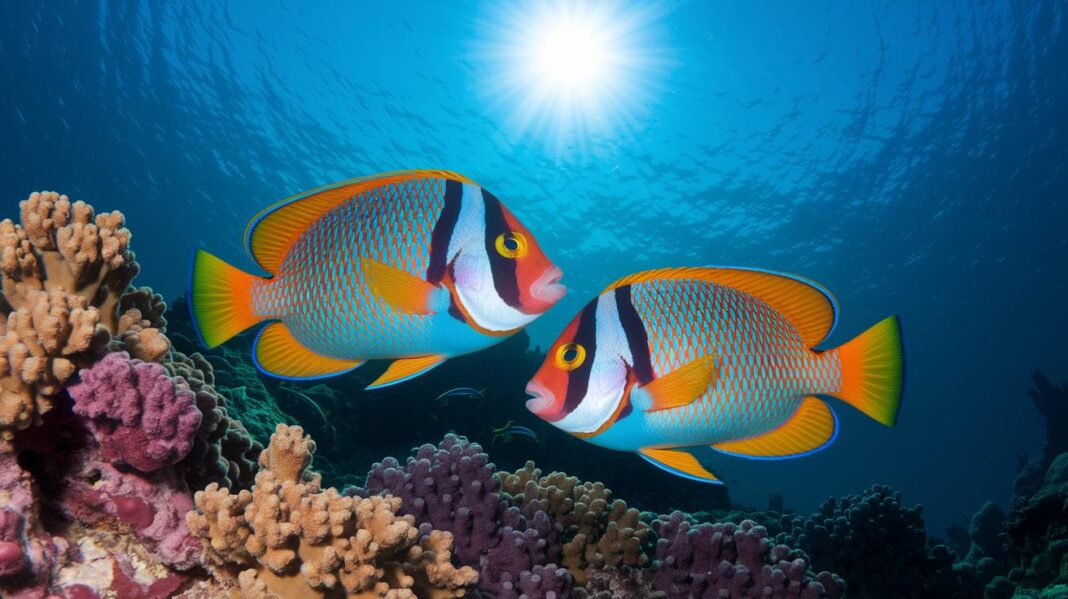

Ever wondered if fish can reproduce all on their own? At first, it might seem like every fish needs a partner for a graceful spawning dance. But sometimes, a fish will surprise you by going solo and reproducing without a mate. This neat trick shows just how clever nature can be, using different ways to keep species strong in the big, blue world. Today, we’ll chat about how most fish pair up and then take a closer look at those few moments when they choose to fly solo. Dive in and enjoy this splash of fishy fun!
Clarifying Fish Asexuality vs Sexual Reproduction
Most fish spawn by releasing eggs and sperm into the water, letting nature do its thing outside their bodies. With over 33,000 species, these water dwellers have a wide range of breeding styles. Some, like salmon or many freshwater types, even work together to build and guard nests, where the male takes care of whole groups of eggs. It’s a bit like a graceful underwater dance where every splash matters, ever picture an underwater festival where every fish has a part in making life?
While most fish stick to sexual reproduction, there are a few rare exceptions. In some hybrids, such as the gynogenetic Poeciliopsis, fish can reproduce without using male DNA. This method is very unusual and not common among most fish. In truth, nature usually opts for sexual reproduction because mixing genes helps fish adjust to different environments and thrive over time.
Anatomy, Life Cycle, and Fertilization in Sexual Fish Breeding
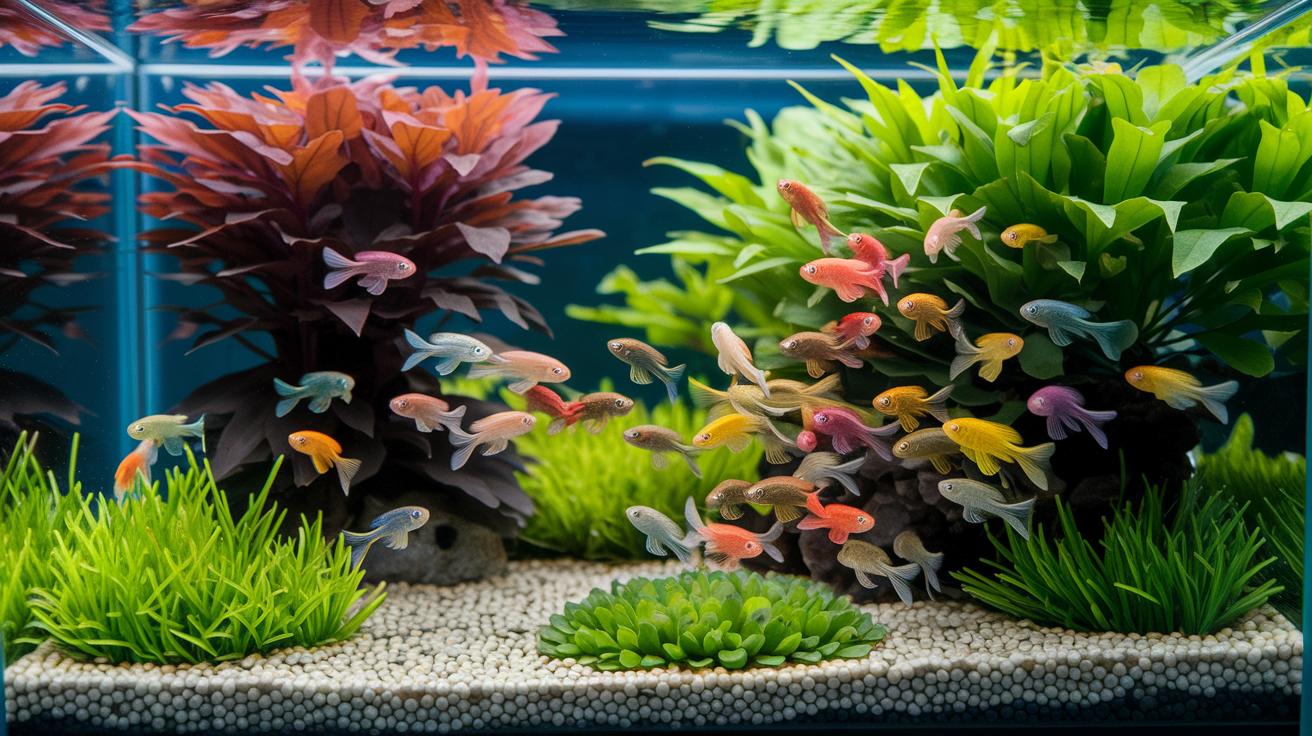
Fish live in a world as varied as the waters they swim in. Whether they're drifting in vast oceans or winding through gentle freshwater streams, each fish goes through a natural journey from a tiny fry to a full-grown swimmer. Their ways of reproducing are just as unique, making sure every new splash of life finds a place in our ever-changing aquatic world.
Many fish rely on external fertilization. Changes in the water, like a shift in temperature or the flow of the seasons, give them a little signal to get busy. Picture schools of fish such as salmon or peacock bass coming together, forming pairs or groups, and releasing their eggs and sperm all at once. It’s like a vibrant underwater festival where every splash carries the promise of tomorrow.
Then there are fish like guppies and mollies that take a more personal approach with internal fertilization. In these species, the male uses a special fin called a gonopodium to deposit sperm directly into the female. This close encounter means that the embryos develop safely inside her, almost like a secret dance taking place behind the scenes. The result? Little fry that are born ready to swim in their safe, calm world.
- Spawning behavior: External spawners release eggs and sperm into open waters, while internal spawners share a more close-by mating process.
- Parental care: Some external spawners stick around to guard their nests, whereas many internal spawners step back once the fry are born.
- Habitat: External fertilization happens in open or structured waters; internal fertilization is common in calmer or more confined places.
- Fertilization timing: External spawning is all about timed, simultaneous release, while internal methods allow for a more controlled process.
Another fascinating twist in fish reproduction is hermaphroditism. About 20 fish families, such as groupers and snappers, have the ability to change roles by possessing both male and female reproductive organs. And sometimes nature throws in a dramatic twist, like with deep-sea anglerfish, where tiny males actually latch onto much larger females. It’s a striking reminder of how wonderfully adaptable life in the water can be.
| Fertilization Type | Examples | Key Features |
|---|---|---|
| External | Salmon, Peacock Bass | Mass spawning, triggered by environmental changes |
| Internal | Guppies, Mollies | Direct sperm transfer, developing fry internally |
| Hermaphroditism | Groupers, Snappers | Both reproductive organs, flexible roles in mating |
Asexual Fish Breeding: Parthenogenesis and Hybrid Mechanisms
Some fish can create little ones without a partner using special ways like parthenogenesis and gynogenesis. In parthenogenesis, the egg grows into a baby fish all on its own, like a secret recipe that doesn’t need any extra ingredients from a male. With gynogenesis, a bit of sperm from another species gives the egg a little nudge to start growing, but it doesn’t add any of its own genetic code. These neat tricks are rare and mostly found in a few ray-finned fish and special hybrids such as Poeciliopsis. It’s a really interesting peek into nature’s creativity and shows us that water life can have its own surprising twists!
Types of Asexual Reproduction in Fish
- Obligate parthenogenesis: This is when a female fish makes offspring only from her own eggs, with no male mix.
- Gynogenesis: Here, sperm only sparks the egg to develop, but the baby fish gets all its traits from the mother.
- Hybridogenesis: In this method, one parent's set of genes drops out during reproduction, so the young fish have a mix that isn’t completely copied from one parent.
Nature has its own limits on these methods. With less genetic mix, the babies aren’t as equipped to handle big changes in their watery world. While these asexual methods can let fish multiply quickly, they might not always outlast the shifting tides of the ecosystem.
Case Studies: Parthenogenetic and Hermaphroditic Fish Species

We've moved the details about parthenogenetic reproduction in fish like the Amazon molly (Poecilia formosa) to our asexual reproduction section. In that spot, we share how these fish use a process called gynogenesis. Basically, the egg starts growing with a little push from sperm, much like a small ripple sparking a lively current. Imagine one simple egg lighting up life in a way similar to a sudden glow in a dark room.
We also talk about sequential hermaphroditism in wrasses and groupers in our hermaphroditism section. Here, we explain how social signals can lead a fish to change its sex when the situation calls for it. Picture a scenario where if a key fish goes missing, a smaller one steps up by switching gender. It’s nature’s gentle way of keeping the school balanced and moving smoothly, just like water flowing steadily over smooth stones.
Evolutionary and Ecological Impacts of Asexual Fish Reproduction
Asexual reproduction gives some fish a super-fast boost in numbers. They can multiply without needing a mate, quickly forming new groups in fresh waters. It’s like a shortcut that works best when conditions are calm and predictable.
But there’s a catch. When fish reproduce on their own, they don’t mix their genes. This means that harmful changes might slowly build up over time. With a smaller variety of traits, they might find it harder to handle sudden changes in their watery world.
Sexual reproduction mixes things up by combining genes from two parents. This gene mix creates a rich blend of traits, giving some offspring a better chance to handle unexpected shifts in their environment.
Over time, research shows that fish that blend their genes tend to have the upper fin. Their diverse traits help them overcome challenges and become more resilient, making it easier to thrive even when the waters get rough.
Final Words
in the action, this article broke down the unique ways fish make their marks on reproduction. We unraveled how most species rely on external spawning and livebearing methods, while a few rare cases show that are fish asexual processes like parthenogenesis can occur. The discussion highlighted case studies and explored evolutionary points, emphasizing the balance between genetic diversity and rapid growth. Every part of this guide adds a splash of knowledge to your care routine, leaving you with a deeper respect for the wonders of aquatic life and a positive look toward nurturing your underwater world.
FAQ
How do fish reproduce sexually?
The process of fish sexual reproduction involves spawning, where most species release eggs and sperm into the water for external fertilization. Some species, like guppies, use internal fertilization with a modified male organ.
Can fish reproduce without a male, and are fish asexual?
Fish mainly reproduce sexually with both male and female contributions, though a few rare species can reproduce asexually. Salmon, for instance, reproduce only through sexual means.
How do fish reproduce explained for Class 3?
Fish reproduce by laying eggs in water. These eggs get fertilized by sperm—either externally or internally—depending on the species. This basic process is simple and easy to understand.
What do the male and female fish reproductive systems look like?
The female system includes ovaries and egg ducts, while the male system comprises testes and sperm ducts. Diagrams and detailed illustrations can be found in textbooks or trusted online resources.
Where can I find a Reproduction in Fishes PDF?
PDFs on fish reproduction are available from academic libraries, research journals, and educational websites dedicated to aquatic biology, offering detailed insights into the process.