

Have you ever wondered if your tap water might be harming your fish? Even a small amount of chemicals can upset the natural balance and stress out your little underwater pals.
Here, we're sharing some simple, clear steps to help make your water fish-friendly. You might let your water sit for a bit or use easy, budget-friendly tools at home, kind of like giving your tank a refreshing spa day.
Stick around, and you'll soon be making great choices to ensure your aquarium feels as calm and welcoming as a gentle stream flowing over smooth stones.
Quick Guide to Dechlorinate Water for Fish
Dechlorinating your water is a must if you want to keep your fish happy and your tank healthy. Removing chlorine and chloramines means you’re not only protecting your finned friends but also supporting the helpful bacteria that keep everything running smoothly.
There are several easy tricks you can try at home, so you can decide which one fits your setup and how quickly you need your water ready. These methods use everyday items or simple, cost-effective tools, making care as easy as watching gentle ripples on a calm pond.
- Let your tap water rest uncovered for about 48 hours. This gives free chlorine time to evaporate naturally; however, keep in mind that chloramines stick around a bit longer.
- Boost the process with air stones. The tiny bubbles they create help speed up the release of chlorine while adding a bit of extra oxygen to your water.
- If you’re short on time, boiling water for 15 to 20 minutes can quickly evaporate free chlorine. Just remember that boiling large amounts could use a bit more energy.
- Try using activated carbon filters, which absorb free chlorine and even improve water taste. Just be sure to swap out the filter cartridge now and then.
- For a more thorough clean, reverse osmosis systems can take out chlorine, chloramines, heavy metals, and other impurities. They do require a bit of maintenance on the membranes over time.
- Chemical water conditioners work like magic too. They neutralize chlorine and chloramines instantly with a safe chemical reaction, provided you follow the dosing instructions carefully.
When you pick a method, think about your tank’s unique needs, your budget, and how quickly you want to make the water safe. If you need water in a hurry, a chemical conditioner is a great choice. But if you’re planning ongoing maintenance and want really clear water, a reverse osmosis system or activated carbon filter could be the perfect fit. Consider your tank’s size and how often you change the water, and soon enough, your little aquatic world will be as serene as a peaceful underwater stream.
Chemical Dechlorination Products for Fish Tanks

Chemical dechlorinators help get rid of chlorine and chloramines fast so your fish feel safe and their protective slime coats stay healthy. These products mix sodium thiosulfate with pH buffers and soothing extras like aloe vera. They’re a hit with fish lovers because they work quickly and are super easy to use. Always measure the dose correctly, usually about 1 ml per 10 gallons, as too much might lower the oxygen in your tank.
| Product | Active Ingredient | Dosage per 10 gal | Key Features |
|---|---|---|---|
| Tetra AquaSafe | Sodium thiosulfate, pH buffer, aloe vera | 1 ml | Quickly guards slime coats and cancels out chlorine |
| AquaShield | Sodium thiosulfate | 1 ml | Fast and balanced formula |
| ClearWater Conditioner | Sodium thiosulfate, buffering agents | 1 ml | Keeps water chemistry safe without too much treatment |
When you pick a chemical dechlorinator, look at what active ingredients it has and if it offers extras like keeping the pH steady or protecting your fish’s slime coats. Always stick to the right dose, especially if your tank has slower water flow, to avoid lowering the oxygen levels. Check out product labels, and if you’re curious, look online for other top-rated water conditioners. Reliable dosing and keeping an eye on water quality are key steps to keeping your tank a happy home for your fish.
Natural Dechlorination Techniques for Safe Fish Environments
Natural methods are a kind way to clear chlorine from your tank while keeping your fish happy. Think of these steps as letting nature do its thing, working slowly just like a gentle current in your favorite stream.
- Let your water sit uncovered for 48 hours so the free chlorine can naturally float away.
- Try using air stones or pour water from one jug to another for about 30 minutes. This little action stirs the water, helping the chlorine escape.
- Mix in 1,000 mg of vitamin C for every 100 gallons. This will calm both chlorine and chloramine, though you might notice a tiny dip in the water’s pH.
When you're deciding between natural or chemical fixes, consider your tank's setup and how much time you have. If you prefer a slow, chemical-free approach, natural methods are a great match. But if you're in a hurry, chemical treatments can give you faster results.
Filtration and Purification Systems to Remove Chlorine
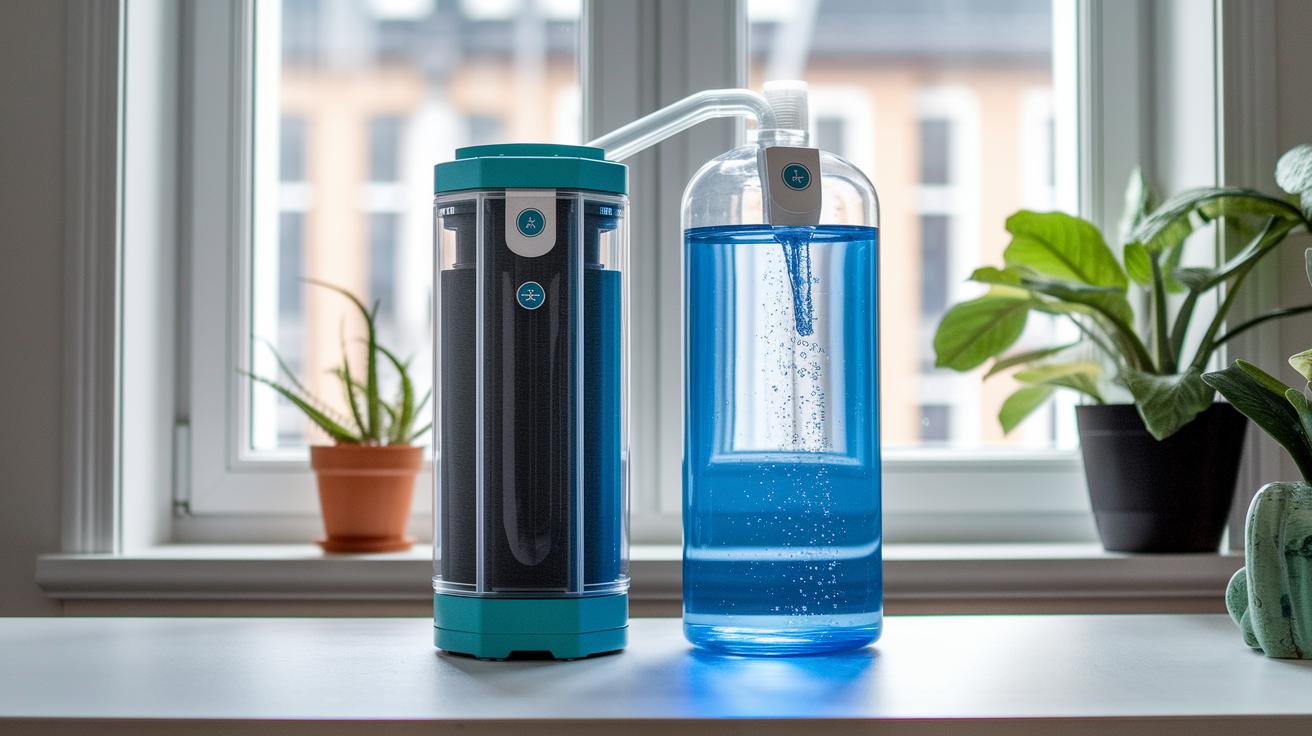
If you're aiming to keep your aquarium water crystal clear, a good filtration or purification system is the way to go. These systems don't just remove chlorine, they also work on chloramines and other pesky contaminants. This means your fish get a cleaner, happier home where they can truly thrive.
Activated Carbon Filtration
Activated carbon filters work like little sponges. They soak up free chlorine and even a bit of chloramines with their tiny, porous material. Think of it as how a sponge absorbs water, trapping unwanted chemicals along the way. To keep things running smoothly, you should replace the cartridge every 2 to 6 months. That way, every drop of water flowing through feels fresh and safe for your aquatic friends.
Reverse Osmosis Systems
Reverse osmosis systems use a special semi-permeable membrane that forces water molecules to pass through while leaving behind chlorine, chloramines, heavy metals, and volatile organic compounds (VOCs). You can set these up under your sink or even for your whole house. Over time, the membrane, just like any other filter, needs to be replaced to keep the water as clean as a mountain stream for your fish.
UV Light Dechlorination
UV light dechlorination uses a focused beam of light to break apart chlorine molecules. Imagine a tiny light beam doing a little dance, shattering unwanted chemicals so they’re no longer a problem in your aquarium. The trick here is to keep your water clear and your UV lamp running at full strength. Regular checks and timely bulb replacements make sure every ray of light does its job, keeping the water gentle and safe.
| Method | Removes Chlorine/Chloramines | Pros | Cons |
|---|---|---|---|
| Activated Carbon Filtration | Takes out free chlorine & some chloramines | Easy to use; improves water taste | Needs cartridge changes every few months |
| Reverse Osmosis Systems | Eliminates chlorine, chloramines, heavy metals, VOCs | Thorough water cleaning | High upfront cost; membrane must be replaced |
| UV Light Dechlorination | Breaks down chlorine molecules | No chemicals; works quickly | Requires clear water and lamp upkeep |
Safe Wait Times and Oxygenation Tips When Dechlorinating for Fish
When you let tap water sit to remove chlorine naturally, patience is the main ingredient. Simply leave your untreated water uncovered for about 48 hours so the free chlorine can slowly disappear into the air. If you're in a hurry and decide to boil the water, make sure you let it cool for at least 15 minutes before adding it to your tank. This resting period makes sure that any harmful chemicals have faded away, keeping your fish happy and their gills gentle.
Chemical neutralizers can work pretty quickly by turning chlorine and chloramines into safe compounds. Still, even when using these fast methods, it's good to wait around 5 to 10 minutes after mixing in the neutralizer. This short pause helps all the reactive chemicals settle down, protecting your fish from stress or any possible burns.
After you remove chlorine, the water can sometimes lose oxygen, especially if you've used a chemical treatment. To help boost the oxygen level, run an air pump or use another method to aerate your water for at least 30 minutes. This extra step not only helps finish off any lingering reactions but also supports your fish's breathing by mimicking the fresh, flowing water of a stream.
Troubleshooting Common Dechlorination Issues in Aquaria
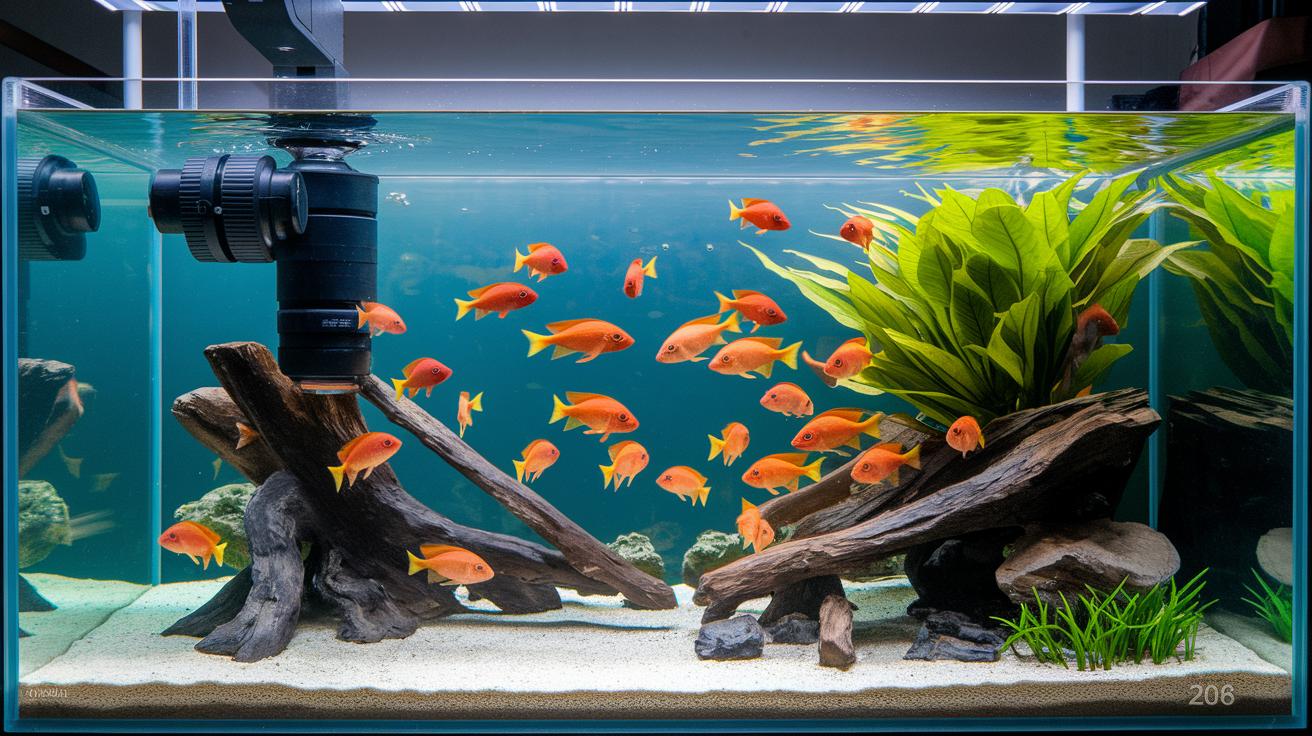
When you treat your aquarium water, even little mistakes can harm your fish or cloud the water. Keeping a close eye on how you remove chlorine helps your fish feel safe and happy.
- If you use too little conditioner, some chlorine stays in the water and can hurt your fish gills. The fix? Check your measurements carefully and follow the product label exactly.
- Using too much chemical can lower the oxygen in your tank, especially when the water doesn’t flow much, like in a goldfish or discus setup. The fix? Use a proper dosing tool and wait the recommended time before adding more.
- Sometimes, strong chemicals called chloramines need higher doses or advanced methods to get rid of them. The fix? Try a reverse osmosis system or add an extra treatment step to the process.
- Activated carbon filters might make the water look cloudy if they aren’t flushed out right. The fix? Let the filter run until the water looks clear and clean the cartridge or replace it as needed.
- If you don’t take good care of your filters or membranes, some chlorine can slip through. The fix? Stick to a regular maintenance schedule so your equipment always works well.
Regularly checking your water’s quality is like keeping an eye on the gentle ripples in your favorite pond. By measuring carefully, following the instructions, and keeping your equipment in shape, you create a safe space where your fish can thrive. It’s all about having clean, oxygen-rich water that keeps your aquatic friends feeling at home.
Final Words
In the action, this article broke down key methods for keeping your tank safe from harmful chlorine. We explored both chemical solutions and natural methods, shared tips on using filtration systems, and offered guidance on timing and oxygenation to promote a healthy ecosystem. Each step helps maintain a balanced, comforting habitat for your aquatic pets. Whether you prefer a hands-on approach or a ready-made solution, knowing how to dechlorinate water for fish can boost your confidence and keep your underwater world sparkling. Enjoy creating and caring for your underwater haven!
FAQ
How to dechlorinate water for a fish tank?
The process to dechlorinate water for a fish tank involves adding a water conditioner that neutralizes chlorine and chloramines. This makes the water safe by converting harmful chemicals into benign salts following the label instructions.
How to dechlorinate water for fish naturally?
The natural way to dechlorinate water for fish is by letting it stand uncovered for 48 hours so free chlorine can evaporate, or by using an air stone to release bubbles that speed up the gas-off process.
How long does it take to dechlorinate water for fish with conditioner?
Using a water conditioner typically neutralizes chlorine within 5–10 minutes. This quick reaction helps protect your fish by ensuring the water reaches a safe, chlorine-free state in just a short time.
How do you dechlorinate water quickly?
To dechlorinate water quickly, you can use a chemical water conditioner or improve air exposure with an air stone. Both methods work fast to remove chlorine and make the water safe for your aquatic friends.
How do you make chlorinated water safe for fish?
Making chlorinated water safe for fish means dosing the proper water conditioner that converts chlorine and chloramines into harmless compounds. Following the product’s instructions ensures your fish receive water free of toxic residues.
How to dechlorinate water for plants?
Dechlorinating water for plants involves similar techniques used for fish; letting the water sit for 48 hours or using natural aeration helps remove chlorine. This action protects delicate plant tissues from chemical harm.
How should water conditioner for a fish tank be used?
Using a water conditioner in a fish tank calls for careful measurement based on the tank volume. Follow the product directions exactly to instantly neutralize chlorine and chloramines, ensuring a healthy habitat for your fish.