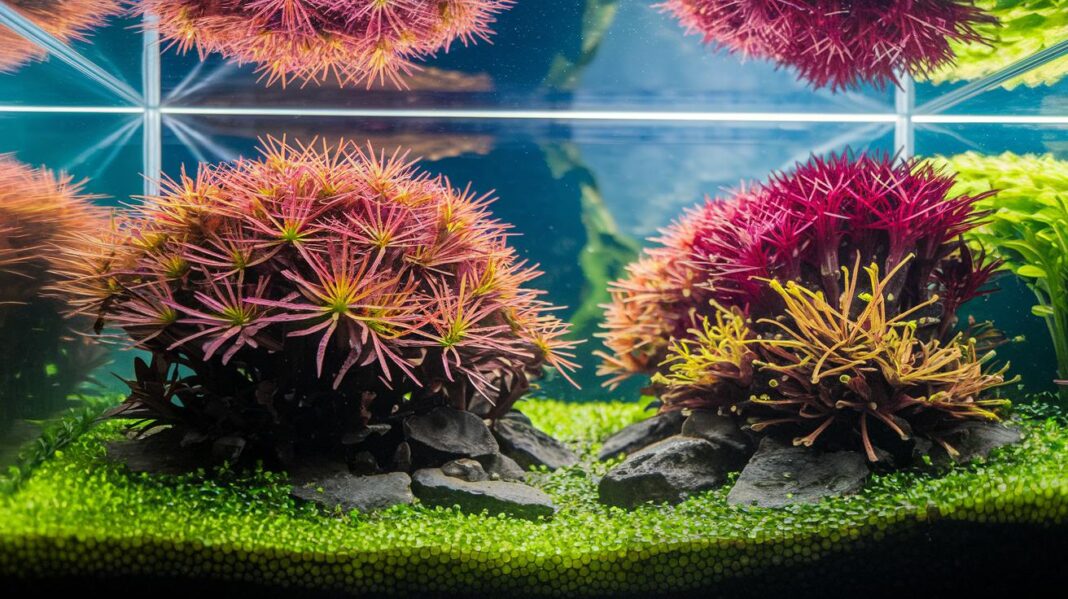

Ever tried planting seeds in your aquarium only to see them barely sprout? Sometimes you end up with seeds meant for the land instead of ones that flourish in water. When your tank starts to look cloudy or your plants don’t really take off, it’s a sign that something isn’t right. In this article, we’ll show you how to choose seeds that truly thrive underwater so that your tank can burst into the vibrant, lively hues you’ve always imagined.
Sourcing and Verifying Genuine Aquarium Plant Seeds
Many sellers boast about creating a stunning underwater carpet, but sometimes you end up with seeds meant for land, like plain grass or common hygrophila weeds. For instance, true anubias seeds are nearly impossible to find. Instead, you might receive aggressive stem plants that simply can’t thrive underwater and could even disrupt your tank’s water quality as they decay.
Imagine discovering that the seeds you trusted simply aren’t built for life below the surface, causing a spike in ammonia levels. This kind of surprising setback really shows how important it is to check your seeds before making a purchase.
When you shop for aquarium seeds, clear and honest product descriptions are your best friend. Genuine aquatic plants usually come with detailed info about the species and simple instructions on how to care for them. I often recommend checking out trusted sources, like recommended aquarium plant supplies where live sprout seeds and quality propagules are available. Plus, chatting in online communities where fellow aquarists share their firsthand experiences can be super helpful.
Before you buy, make sure the packaging and labels match what you’re hoping to grow. If the seller includes extra details, say, pictures of the mature plants or tips on how to plant them, you're likely looking at a genuine product. Taking these extra steps will help you dodge scams and let your underwater display shine with the vivid hues you expect.
Recommended Seed and Propagule Varieties for Carpeting
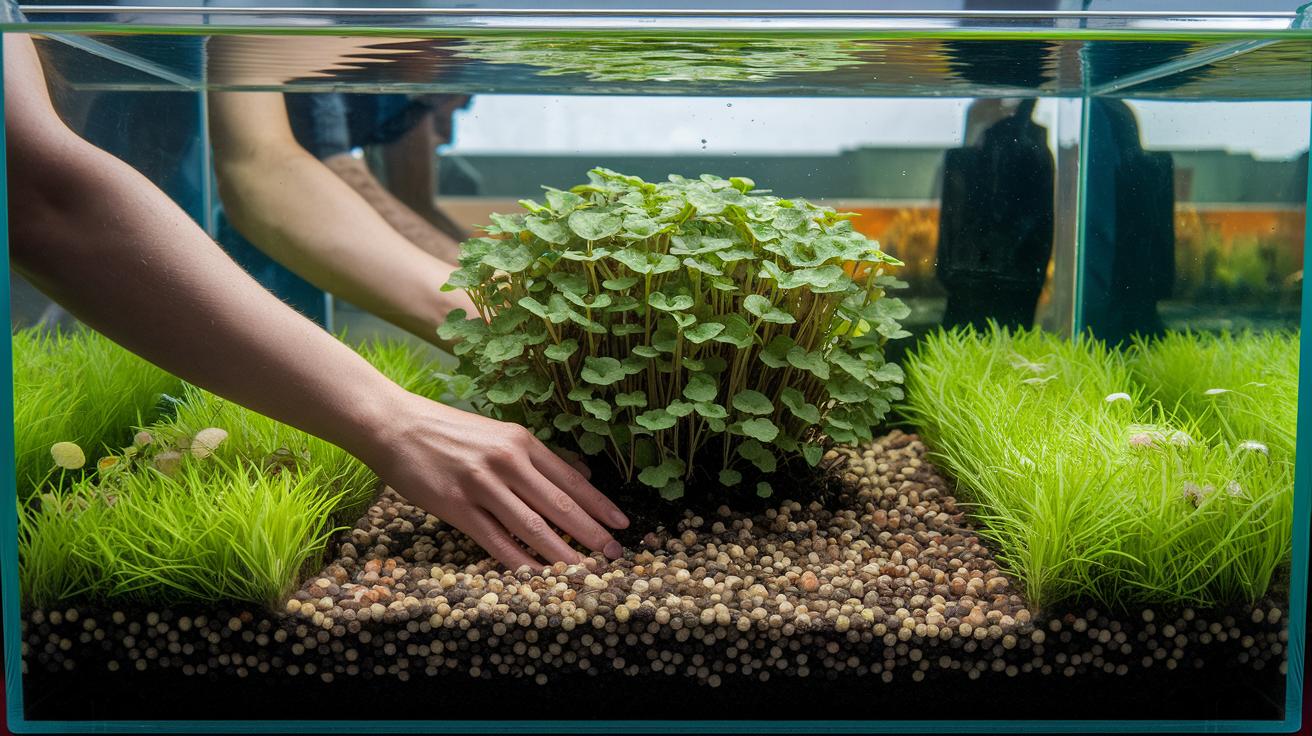
When you’re adding plants to your aquarium, the trick is to choose live tissue cultures or propagule kits instead of dried seeds. It’s like picking the freshest ingredients for a meal. Popular choices for a green, vibrant carpet include Monte Carlo (Micranthemum), Dwarf Hairgrass, and Glossostigma. Imagine setting a live Monte Carlo kit into a nutrient-rich substrate and watching tiny green buds burst forth in just a few days, pretty exciting, right?
Monte Carlo is a longtime favorite since it thrives without needing lots of extra CO2. And then there’s Dwarf Hairgrass, which creates a soft, even lawn on your tank’s floor. Glossostigma brings a special charm with its low-growing habit that fills in any gaps with its light, delicate growth.
By choosing live kits, you steer clear of the mistakes that come with using mislabeled terrestrial seeds. These kits, often sold as tissue cultures, let your true aquatic plants grow strong and healthy when planted right. They also come with simple instructions, guiding you clearly toward creating a lush, natural carpet in your tank. It’s a straightforward way to set up a stunning underwater view that feels as natural as a gentle stream.
Substrate Preparation and Dry Start vs. Wet Start Methods
When starting your underwater garden, it all begins with a strong base. Using nutrient-rich aqua soil like Controsoil gives your plants a hearty boost, making their roots strong and healthy. No matter if you choose the Dry Start or Wet Start, a quality substrate is what your aquatic carpet needs to flourish.
The Dry Start Method is quite special. You plant your seeds in a moist, but not flooded, soil bed, gently pressing them into this nutrient-packed layer. With regular misting to keep the air humid, the seeds develop sturdy roots. Many fish lovers notice that this method often leads to a denser, healthier carpet and fewer algae surprises. Covering your tank with a loose lid or plastic wrap helps trap the moisture, keeping the environment cozy for your new plants.
On the other hand, the Wet Start Method has you plant the seeds under a thin layer of water right away. This mimics nature as water slowly seeps into the soil. While this method provides a more familiar watery home for the seeds, the carpet may not come together as evenly, and there might be more chances for algae if the water doesn’t circulate well.
Both techniques demand a little extra care. With Dry Start, regular misting and controlled airflow are crucial. For Wet Start, keeping the water level steady and the flow gentle is key. By fine-tuning these details, you can create a lively, beautiful aquatic carpet that brightens up your freshwater tank and makes your fish feel right at home.
Step-by-Step Seed Planting Techniques in Your Aquarium
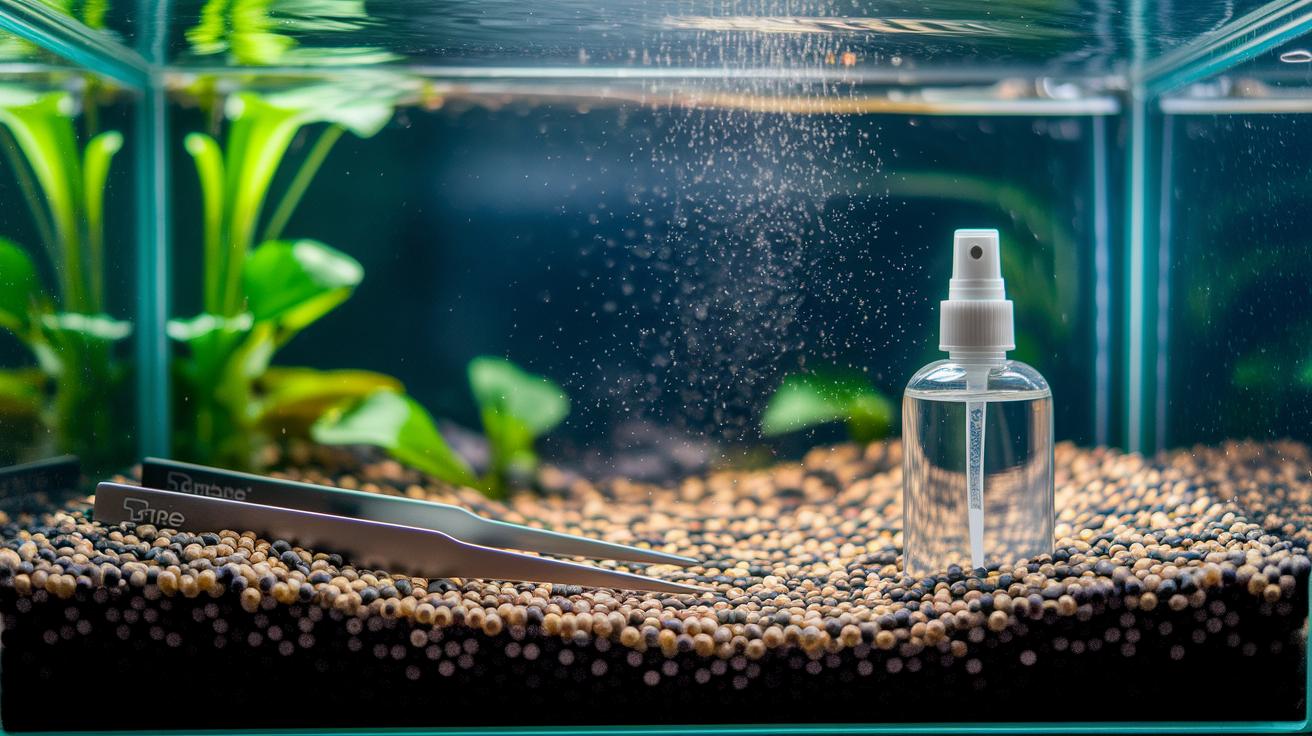
Start with your familiar gear, fine tweezers, a spray bottle, and a nutrient-rich substrate. Instead of repeating the basics, think about how to adjust your method for each seed type and sort out any hiccups along the way.
If nothing sprouts after 7 to 10 days, take a closer look at your misting schedule and the moisture level. Some seeds are a bit delicate, like a shy fish hiding among rocks. A slight boost in misting might be just what they need to start growing.
Keep an eye on your substrate every day. If you see spots that are too wet or seeds floating on top, press them down just a bit more with your tweezers. Once you notice tiny roots peeking out, raise your water level slowly. And if the young plants start to drift, slow down the water filling so their roots can hold on tight.
| Issue | Tip |
|---|---|
| No sprouting | Check your misting routine and increase water gradually |
| Seed rot or soggy substrate | Cut back on misting a little and let the area dry out briefly |
| Seeds floating or displaced | Gently press them back into the substrate with your tweezers |
Remember, different seed species might need a tiny tweak to their care. If you feel a particular type craves more moisture or a firmer planting, adjust your method to help it thrive.
Water Parameters and Nutrient Regimen for Seed Germination
Getting your seeds to sprout strong and happy takes the right water setup. Keep the water temperature in a cozy range of 72 to 78°F and the pH level anywhere from 6.5 to 7.5. Also, aim for a water hardness of 4 to 8 dGH so the roots can grow big and robust. Think of it as setting the perfect stage for your little aquatic actors.
A slow, gentle flow of water helps keep away gunk that could settle around your new sprouts. Imagine a calm current that refreshes the water without disturbing your tiny plants. Some aquarists add a bit of CO2 to give plants a little extra boost when natural light is low. But if your tank has plenty of light, your plants can shine just fine with these ideal water settings.
In the early days, it's best not to overload your tank with fertilizers. A light sprinkle of nutrients like NO₃ and PO₄ after about 6 to 12 months is usually just right, kind of like a gentle watering in a garden. Adjust the fertilizer slowly over time to support steady growth while keeping your water clear and lively.
Keeping an eye on these water settings and nutrients will help you build a vibrant underwater garden that lets every seed grow into a strong, beautiful part of your aquatic world.
Troubleshooting Common Aquarium Seed-Propagation Problems
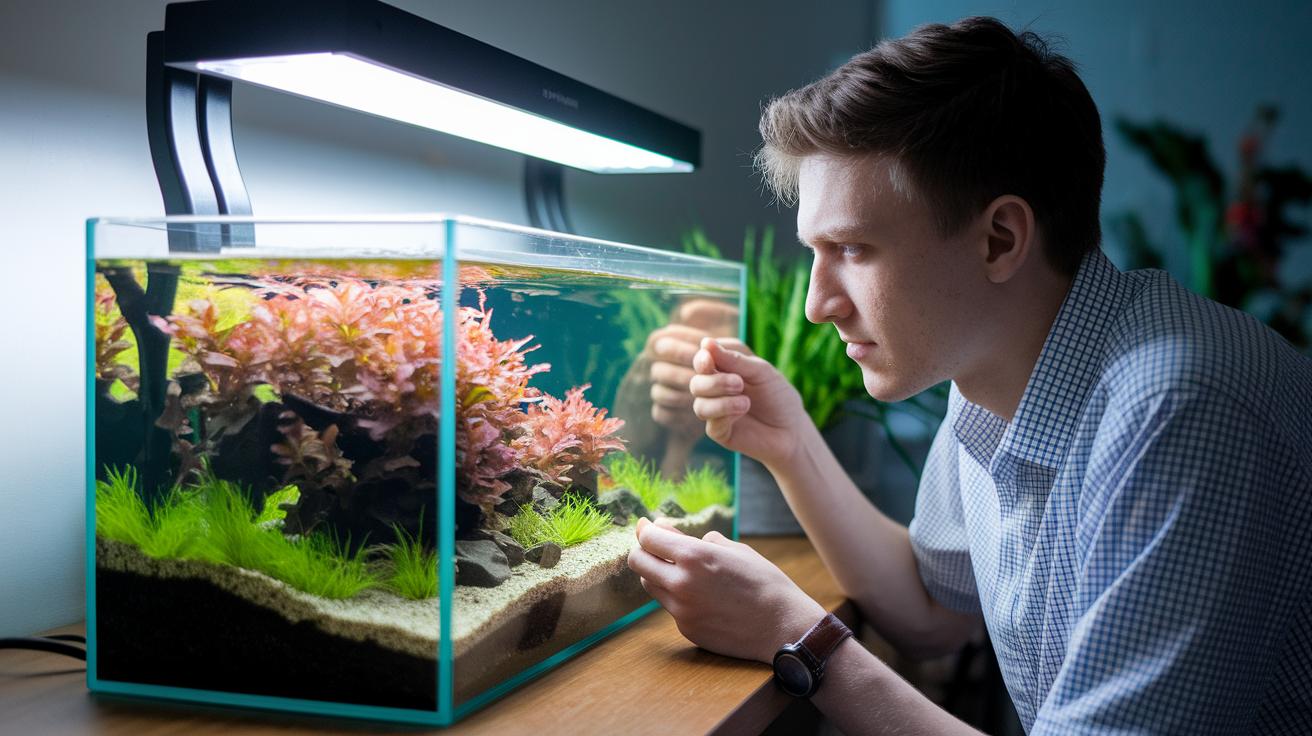
It can be a bit disheartening when your seeds don’t sprout as you expected, almost like watching a gentle ripple fade before it fully develops. More often than not, the trouble comes from using seeds meant for dry land rather than water. When those terrestrial seeds decay in your aquarium, they release chemicals that boost ammonia and nitrates, which isn’t good for your aquatic buddies. Low CO₂ levels can also slow things down, while too much light might invite brown algae that can smother new sprouts.
Regular water changes help keep waste in check, and keeping the light on for about 8 to 10 hours a day can prevent unwanted algae from taking over. If you spot signs of decay or algae building up, it’s best to act quickly to protect your little underwater world.
Here are some common problems and easy fixes:
- Mislabeled or non-germinating seeds: Check the seed source with trusted suppliers and replace any that seem off.
- Rot from decaying terrestrial seeds: Remove any decaying material as soon as you see it and consider tweaking your water change routine.
- Excess algae growth: Keep your light exposure around 8–10 hours daily and manually remove any algae patches you find.
- Weak seed attachment or float-off: Gently press the seeds into a nutrient-rich substrate and use fine tools to secure them in place.
Making these adjustments can help create a balanced, thriving environment where every tiny plant has the chance to bloom.
Top Suppliers and Product Recommendations for Aquarium Seed Kits
When you're ready to create your very own underwater garden, picking the right supplier is a big deal. The perfect starter kit comes with live tissue cultures and substrate discs that help your plants grow strong and bright. These kits usually cost about $25 to $50, giving your underwater plants the fresh start they need.
Then there are the individual propagule packets. These little packets, priced between $5 and $20, let you test out different plant species without spending a lot at first. It's a fun way to explore and see what fits best in your tank.
Suppliers that specialize in live plants are usually your best friends here. Live plants not only survive better under water, but they also add a lively, natural touch to your aquarium. Trusted shops, whether online or in person, offer clear details and honest pricing so you can be sure you're getting exactly what you need.
| Supplier | Product Type | Price Range |
|---|---|---|
| AquaGreen | Live Tissue Cultures | $25–$50 |
| FreshWater Flora | Live Propagule Packets | $5–$20 |
| Aqua Delights | Starter Kits (Live Plants) | $25–$50 |
Final Words
In the action, you learned how to spot genuine aquarium plants seeds and secure quality live plant kits to set up a thriving underwater space. The guide covered choosing the right substrate, planting techniques, water care, and simple fixes for common issues. It also pointed out trusted online sources for reliable products. Each step aims to help you build a tank that looks natural and stays healthy. Enjoy applying these tips and watching your aquatic world come alive with color and life.
FAQ
Aquarium plants seeds near me
Searching for aquarium plants seeds near you means you’re looking for local shops or nearby suppliers that offer verified aquatic propagules. Check local pet stores and reputable online retailers for reliable options.
Best aquarium plants seeds
The best aquarium plants seeds are live tissue cultures or authentic propagules that have passed quality controls. Look for suppliers that verify they’re true aquatic species to avoid mislabeling and plant decay.
Aquarium plants seeds online
Buying aquarium plants seeds online involves ordering from trusted websites. Opt for retailers who specialize in live aquatic cultures, ensuring you receive genuine seeds that perform well underwater.
Aquarium plants seeds free shipping
When aquarium plants seeds come with free shipping, you get the customer benefit of reduced cost. Still, make sure the seller is reputable and the propagules are verified as true aquatic species.
Aquarium plants seeds bulk
Aquarium plants seeds bulk means purchasing larger quantities, ideal for extensive aquascapes. Always choose trustworthy suppliers with a history of selling genuine aquatic propagules to avoid mislabeled, non-aquatic seeds.
Aquarium grass seeds how to plant
Aquarium grass seeds how to plant involves gently pressing small seeds into nutrient-rich substrate. After sowing, mist lightly and maintain steady moisture until roots form, ensuring a stable, thriving aquatic carpet.
Aquarium plants seeds on Amazon and Reddit
Discussion of aquarium plants seeds on Amazon and Reddit shows mixed reviews. These sources sometimes list mislabeled seeds, so always read community feedback and verify supplier credibility before buying online.
Do aquarium plant seeds actually work and can I grow aquatic plants from seed?
The effectiveness of aquarium plant seeds depends on correct selection and care. When you choose authentic aquatic species and follow proper planting techniques, you can successfully grow healthy aquatic plants from seed.
Can you buy seeds for aquarium plants?
You can buy seeds for aquarium plants from online and local suppliers. Just confirm they specialize in genuine aquatic propagules, ensuring the seeds aren’t mislabeled terrestrial plants that might harm your tank.
What is the easiest plant to grow in an aquarium?
The easiest plant to grow in an aquarium is often Dwarf Hairgrass. This robust species adapts well to common conditions and is popular for creating a lush, low-maintenance foreground carpet.