

Have you ever wondered why your underwater garden sometimes seems a bit dull? It might all come down to the soil. The right substrate acts like a natural fertilizer that gently feeds your plants right at their roots, almost like the soft murmur of water nourishing a quiet streambed. In this blog, we explore how choosing the right soil mix can boost your plant growth and keep the water clear for your fish. Stick with us as we share simple tips to help transform your aquarium into a vibrant, lively underwater retreat.
Selecting Optimal Soil for Aquarium Plants

When picking the right soil for your aquarium plants, it helps to think about details like CEC, how fine the particles are, and whether the soil might cloud your water. A good aquarium soil often has a high CEC, this means it can hold onto nutrients and release them slowly over time. Think of it like your favorite potting mix, where every little granule is a mini fertilizer packet. This ability to keep and share nutrients makes it perfect for helping plants thrive underwater.
Many fishkeepers prefer using a nutrient-rich aquatic mix because it offers steady results with less hassle. For instance, a 9-liter bag of commercial aquarium soil usually costs between $20 and $70. This price tag can be a smart deal, especially when compared to the mess and potential risks of loose, regular dirt. Garden soils often contain extra organic matter, which could bring in unwanted germs. So, for root-loving plants like Vallisneria, Myriophyllum, Ludwigia, Acorus, and bulbous varieties, a specifically prepared nutrient-rich mix is the way to go.
Remember, your substrate is more than just a base for your aquarium, it also plays a big role in keeping the water nice and clean for both your plants and fish. By choosing a good nutrient-rich mix, you not only give your plants a better chance to grow, but you also create a healthier home for all your aquatic friends. Ever notice how a well-planted aquarium feels like a slice of calm underwater paradise? That's the magic of picking the right soil.
Key Soil Types and Nutrient Content for Planted Tanks

Pelletized aqua soils held together by resin are a favorite among fish keepers because they help keep the water clear, even when you rearrange your plants. For example, Caribsea Eco-Complete is popular thanks to its mix of different grain sizes and its knack for holding and slowly releasing nutrients. Ever notice how a clear tank instantly feels more inviting?
Fluval Stratum alternative mix is another great choice. Its well-sorted particles help your plant roots grow strong while preventing excess sediment from settling. Both these substrates give your plants a steady stream of essential nutrients, which is especially important for plants that feed through their roots. Their blend of calcium and resin creates a calm, stable environment for even the most delicate species.
Commercial media like Tropica Growth Medium and ADA Aquasoil Substitute are designed to deliver a balanced mix in every scoop. Tropica is built to meet the needs of many aquarium plants, while ADA ensures your nutrient reserve stays full. With this consistency, your plants can thrive without those frustrating nutrient gaps.
Laterite and clay aren’t complete substrates on their own, but they work well as nutrient boosters. Laterite gradually releases nutrients over time, while clay tends to let go of its nutrients a bit faster. If you’re looking for that extra support or a special mix, adding these amendments to your base can really make a difference.
A dark, granular bed not only looks stunning next to green plants by creating a striking contrast but also brings out the vibrant colors in your tank. When choosing your substrate, consider how well it feeds your plants and how its texture fits with your overall design and care routine.
Preparing and Applying a Layered Soil Base

Start by setting up your aquascape with a solid, three-layer system that nourishes your plants and keeps your water clear. First, lay down a bottom layer using laterite or clay, but keep it to about one inch thick. Think of laterite as a little nutrient boost in a small package, just enough to feed your plants without trapping air and hurting the tiny life forms below.
Next, mix one part composted loam with four parts regular soil and spread it out to a depth of 2–3 inches. This middle layer works like a slow-release meal for your plant roots, much like preparing a favorite sandwich where every ingredient adds a special taste. It steadily provides nutrients so your plants always have what they need.
Then, gently add a top layer of fine, washed sand. Use up to one inch of sand at the back of your tank and about 1 cm at the front. This layer acts like a light frosting, keeping the layers neatly separated even when you rearrange your plants.
Finally, angle the entire substrate with a gentle slope so that taller plants at the back get plenty of room to stretch their roots while carpet-like plants at the front enjoy a shallow cover. Remember not to pre-wet the soil or mix in any gravel before you start. Follow these steps, and you'll create a strong, organized base that lets your plants thrive and keeps your aquarium water as clear as a mountain stream.
DIY Versus Commercial Soil Options for Aquarium Gardens
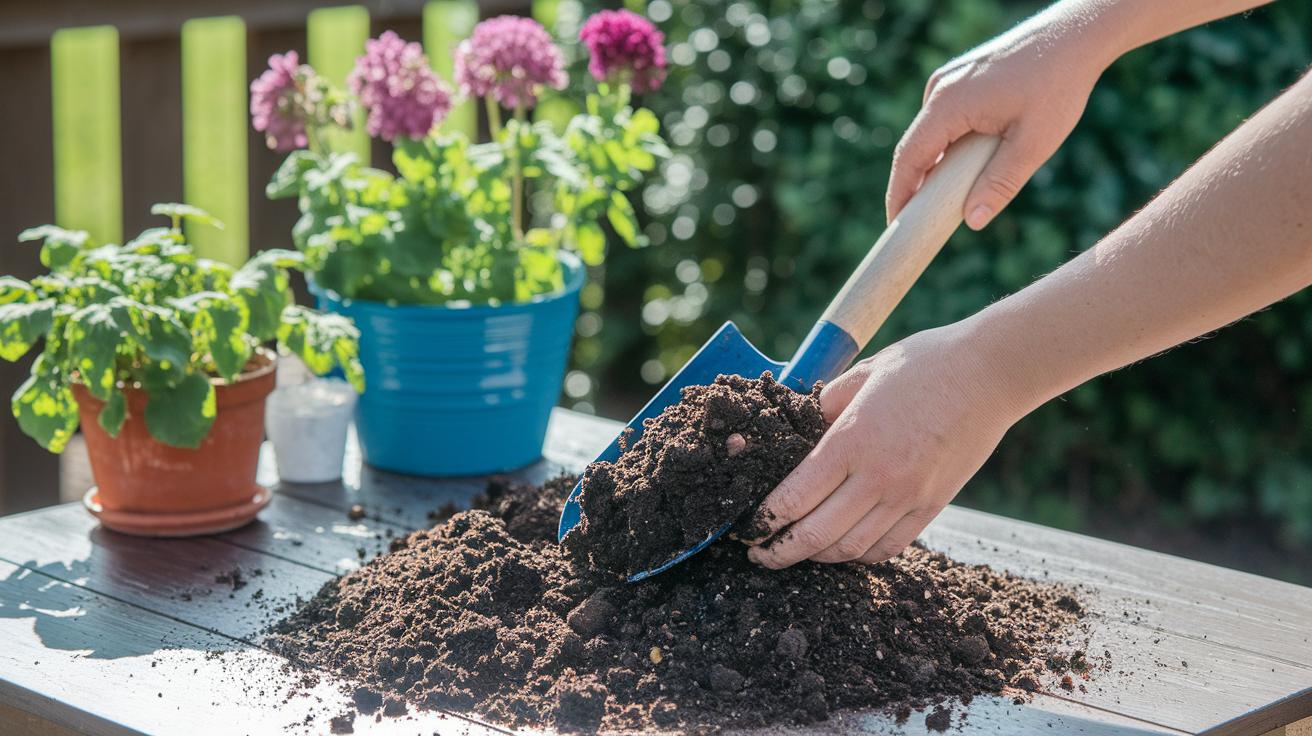
If you're set on a budget and love getting hands-on with your aquarium, you can mix your own soil. Start with a bit of garden soil that has very little decaying material, add some composted loam, and mix in a little laterite. (By the way, laterite is a natural rock that helps add nutrients.) Using pre-washed garden soil means you avoid extra bits that might bring unwanted microbes. The typical mix is one part composted loam with clean soil and a sprinkle of micronutrients. This way, you can keep a close eye on what your tank needs and watch your plants thrive.
On the other hand, there are commercial blends made just for planted aquariums. These mixes come measured out to give you a steady, balanced nutrient bite without worrying about cloudy water from excess debris. While they might run a bit higher on the price tag, many fish keepers enjoy the simplicity and consistent results. If you need more ideas or want to check trusted brands, visit https://sweetfysh.com?p=211 for advice that many enthusiasts rely on.
- DIY nutrients give you an affordable way to fine-tune your tank’s balance.
- Commercial substrates bring consistency with less guesswork.
Calculating and Adjusting Soil Depth for Plant Success

Calculating the right amount of soil is a bit like putting together your favorite recipe. First, measure your tank's length, width, and the depth you want your soil to be, in centimeters. Then, simply multiply these three numbers. For example, if your tank measures 100 cm by 40 cm and you want a 5-cm layer, you multiply 100 × 40 × 5. Simple, right? This helps you know exactly how much soil you'll need for your underwater garden.
When it comes to root-feeding plants, they do best with about 2 to 3 inches of soil (around 5 to 7.5 cm). This gives them plenty of room to stretch out and absorb nutrients without feeling cramped. On the other hand, shallow-rooted plants like carpet species thrive with just 1 to 2 inches. This thinner layer keeps their delicate roots cozy and avoids too much water saturation.
A little trick with your substrate can go a long way. Try angling the soil slightly in your tank. This way, taller plants in the background get a deeper layer, while the ones in the foreground sit on a thinner bed. It’s like giving each plant just the right stage to grow, ensuring they all get the nutrients they need while preventing those pesky anaerobic zones from forming.
A few key tips:
- Multiply your tank's length, width, and the soil depth to figure out the volume of soil.
- Use 2 to 3 inches of soil for deep-rooted plants and 1 to 2 inches for shallow ones.
Maintaining Soil Health in Planted Aquariums

Keeping your substrate in good shape is like tending to a mini underwater garden. Regular water changes and a sturdy filtration system help keep harmful ammonia and nitrates at bay. Some soils even come with special ingredients that bind ammonia during the early stages of your setup, making it easier for your plants to settle in.
Light schedules and added fertilizers play a big role too. Adjusting these is a bit like fine-tuning your favorite song, each note works together to keep pesky algae away while giving your plants the steady nutrients they crave. If you ever notice the water getting a little murky or a fuzzy film rising near the substrate, it might be time to tweak your light or fertilizer routine.
And don’t forget about gentle substrate vacuuming near your plants. This keeps unwanted debris from piling up around those delicate roots while letting the soil stay fresh.
| Tip | Action |
|---|---|
| Water Changes | Perform regular changes and keep your filter running efficiently. |
| Lighting & Fertilization | Adjust schedules to prevent algae build-up and keep your soil nutrient-rich. |
| Substrate Vacuuming | Vacuum around plant roots gently to remove excess debris. |
By following these easy steps, you’re giving your underwater world the best chance to thrive. Happy fishkeeping, and here’s to a vibrant, balanced aquatic space!
Final Words
In the action, we explored how to choose nutrient-rich, balanced soil for aquarium plants. We dug into comparing commercial mixes with DIY options and learned how careful layering and depth adjustment boost plant health. Each tip, from selecting the right substrate to maintaining a clean setup, builds a stable base and highlights your underwater world’s beauty.
A thoughtful start with soil for aquarium plants sets the stage for a thriving aquatic environment. Let every choice spark life and color in your tank.
FAQ
What is the best soil for aquarium plants?
The best soil for aquarium plants is a nutrient-rich substrate with a balanced grain size and high nutrient retention, made especially for planted tanks to support vigorous plant growth and clear water.
Where can I buy soil for aquarium plants?
The soil for aquarium plants is available at specialized aquarium supply stores and trusted online retailers, where you can choose from a range of commercial substrates designed for optimal plant health in your tank.
What types of aquarium soil substrates are available?
The aquarium soil substrate options include popular brands like Tropica Aquarium Soil, Fluval Plant & Shrimp Stratum, Seachem Flourite Black, and others, each offering specific benefits such as improved nutrient availability and reduced water cloudiness.
Can I use normal soil for aquatic plants?
The use of normal soil in an aquarium is not recommended since regular garden soil contains excess organic material that can cloud the water and introduce harmful microorganisms, risking plant and fish health.
How can I make aquarium soil at home?
The homemade aquarium soil recipe typically uses pre-washed garden soil mixed with composted loam and micronutrient supplements. This DIY blend can offer a budget-friendly option, though it may initially cause some cloudiness in the tank.