

Ever wonder how fish first lit up our oceans? Almost 500 million years ago, simple jawless critters began their swim in ancient seas. Their easy suction-feeding ways set off a change, leading to fish with protective armor and eventually jaws.
Isn't it amazing to think that modern marine life started in an ocean that was once a mysterious realm of tiny pioneers? Today, we take a closer look at these early swimmers and explore how they help us understand the deep, rich history of life under the sea.
When did the first fish appear: Amazing Origins
Back in the Cambrian Period, about 500 million years ago, our oceans welcomed the very first fish. These early swimmers were simple, jawless creatures that grabbed their food with a kind of suction, just like a curious little fish checking out a bubble trail in the water. They laid the foundation for big changes later on, including the emergence of a tough, bony armor that started protecting their delicate bodies.
Here's a quick timeline of these watery pioneers:
| Time Period | Event |
|---|---|
| Cambrian (~500 mya) | First jawless fish appear |
| Mid-Cambrian | Bony armor shows up |
| Early Devonian (~415 mya) | Jawed fish make their debut |
| Late Devonian (390–360 mya) | Bony and toothed fish start to diversify |
This timeline is like a trail of pebbles in a stream, showing how fish evolved from simple, jawless creatures to more advanced forms with jaws and protective features. Each step brought a wave of new possibilities in the evolution of life in our mysterious, underwater world.
Earliest Fish Fossil Discoveries

Deep in Cambrian fossil sites in China and Canada, scientists uncovered remains of some of our earliest fish, jawless swimmers from nearly 500 million years ago. Ancient creatures like Haikouichthys had simple shapes that whisper secrets of early ocean life. They used suction feeding, a bit like a gentle underwater vacuum, and even sported primitive armor plates to fend off predators.
More recent finds such as Janusiscus and Entelognathus are reshaping how we view the fish family tree. Their fossils mix traits of both bony and cartilage structures, offering us a clearer peek into our deep past. This new evidence challenges old ideas and paints a livelier picture of early aquatic life. Every discovery adds another splash to our timeline, reminding us that these simple fish were the very foundation for the rich, diverse underwater world we enjoy today.
From Jawless to Jawed First Fish
Imagine ancient oceans filled with jawless fish, also known as agnathans. These creatures roamed the seas with their mouths wide open, letting them suck up tiny bits of food like nature’s own vacuum cleaner. They didn’t have jaws or fins like later fish, and their soft, bendy cartilage skeletons made it easy for them to glide through the water.
Over time, these early swimmers developed paired fins, giving them much better control as they moved through a changing watery world. Then, about 415 million years ago, early jawed fish, gnathostomes, made their debut, complete with jaws that could grab and chew their meals. This shift from a soft, simple frame to a powerful build with strong jaws and fins marked a big change. With jaws, these fish switched from just sucking in food to actively hunting it, sparking a wave of new life in aquatic ecosystems and paving the way for the incredible variety of fish we enjoy today.
Geological Eras of First Fish Emergence
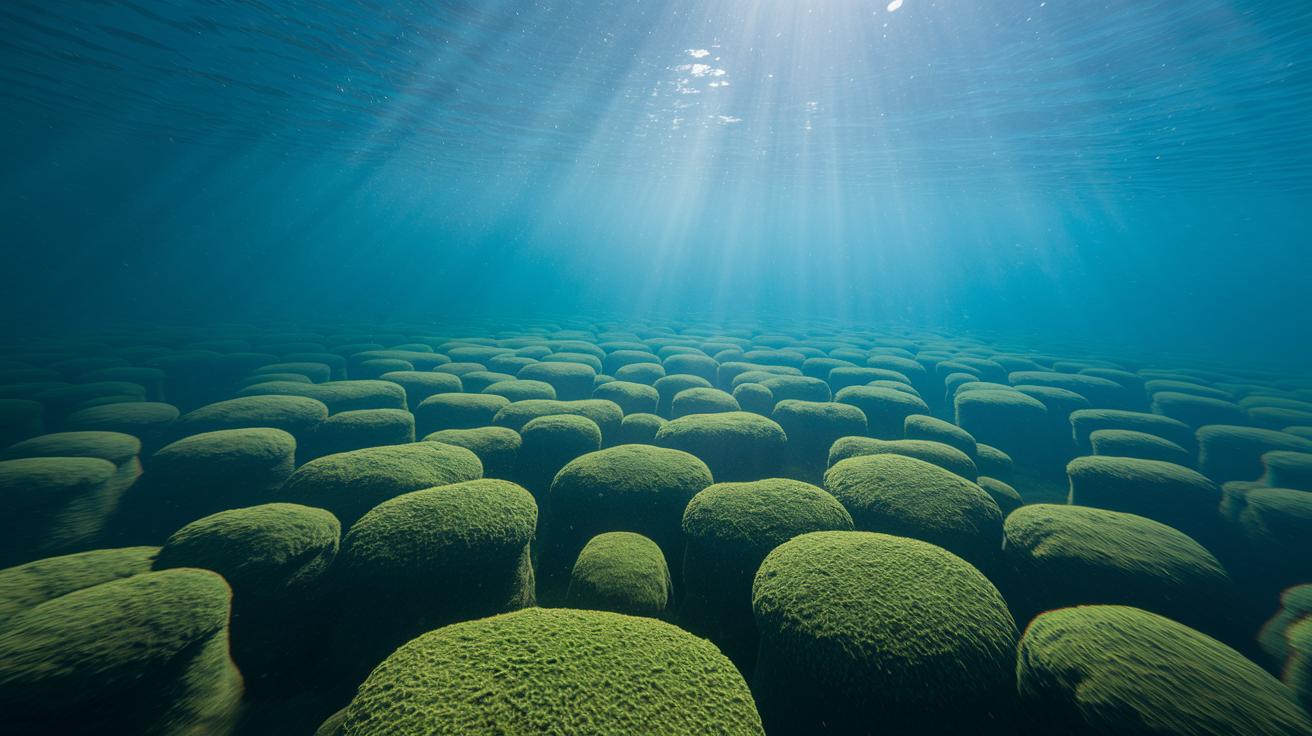
Pre-Cambrian seas were calm and filled with tiny microbial mats and simple life forms. It was like a blank canvas, waiting for nature to add its vibrant touch much like an artist gently prepares a canvas before creating a masterpiece.
Then came the Cambrian period, where the waters burst into life with early creatures. Fossils from this time hint at the first blueprints for fish as these pioneers began to find their place in the marine world.
By the Early Devonian, fish with jaws had appeared and shared their world with large sea creatures like trilobites and sea scorpions. It was a lively mix, showing us how changing conditions helped spark even more dazzling transformations in aquatic life.
Modern Reassessment of When the First Fish Appeared
CT scans and cladistic analysis team up like two best buddies to help us understand early fish evolution. Instead of rehashing the details from the Earliest Fish Fossil Discoveries, these new methods open up a window into the past by revealing tiny fossil clues, almost like solving a little mystery in each rock.
Modern science is now changing our view of how life began in the sea. We’re not just talking about old fossils like Janusiscus and Entelognathus anymore; the spotlight is on the smart techniques that let us see early vertebrate development with new eyes. These tools keep fine-tuning our timeline, creating a clear and connected story of evolution.
Final Words
In the action, we explored the evolution of aquatic life from the Cambrian period, revealing key milestones in fish evolution. We reviewed early jawless creatures, quick shifts to bony armour, and the transition to jawed versions that reshaped marine life.
This look at when did the first fish appear helps us appreciate history’s role in building today’s thriving aquatic communities. The fossil record shows us a timeline that connects our underwater friends with deep time, reminding us every aquatic pet has ancient roots. Enjoy creating your own vibrant underwater world!