
Hey, are you excited to bring a splash of color into your home? Setting up your first aquarium can feel as tricky as finding your way through a coral maze, but choosing the right fish makes it a breeze.
I've put together a list of sturdy, colorful fish perfect for beginners. These little aquatic gems not only liven up your tank but also help you feel confident as you start your fish-keeping adventure.
Imagine your fish swimming gracefully, their colors dancing like sunlight on water, each one adding its own charm. Ready to dive in and discover which fish will turn your aquarium into a vibrant, soothing retreat?
Top Best Starter Fish for Aquariums: Easy Picks for Beginners
If you're just starting out, these fish are a great choice for your new tank. They're tough, easy to feed, and bring a burst of color and fun to your aquarium.
Each one is friendly to beginners, even when you make small mistakes. You'll love watching their lively movements and bright hues brighten up your tank.
- White Cloud Minnow – These fish have a shiny, silvery body with males that flash brighter colors. They’re comfortable in cooler water, making them a breezy choice.
- Cherry Barb – They enjoy a larger, 20+ gallon tank with water between 74 and 80°F. They thrive on a mixed diet of pellets, fresh veggies, or even frozen worms.
- Guppy – Start them out in a 10+ gallon setup. Though they might be shy at first, they soon surprise you with dynamic colors and playful swims.
- Neon Tetra – Growing to about 1.5 inches, they’re best in a group of 3 to 5. Their small size and brilliant glow make them perfect for a planted tank.
- Cory Catfish – These gentle bottom dwellers love company. Keep four or more together in a 20-gallon tank with water from 72 to 82°F.
- Platy – These livebearers are around 3 inches long, and they happily adjust to a pH of 7.0. They enjoy a varied diet that covers all their needs.
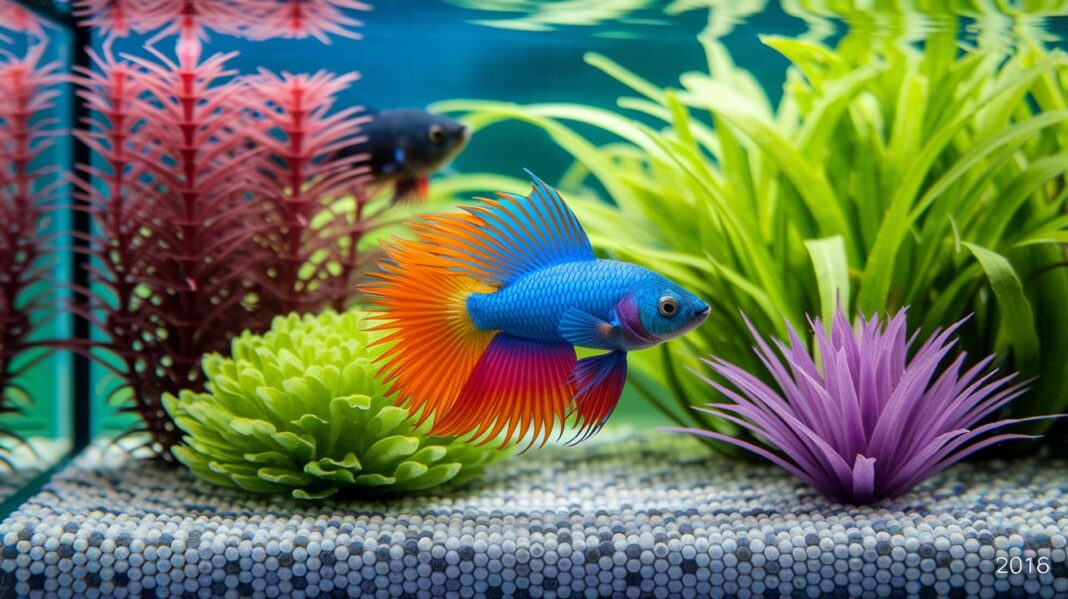
- Betta – With vibrant fins, Betta fish shine when kept alone in a 5 to 10 gallon tank. Their striking presence makes a bold statement.
- Zebra Danio – Known for their energetic jumps, these lively swimmers add zest to any tank. Just be sure to use a lid that’s securely closed.
- Harlequin Rasbora – Best in groups of six or more, their eye-catching patterns create a delightful rhythm in your community tank.
- Bristlenose Pleco – Small but mighty algae eaters, they flourish with plenty of hiding spots and a few pieces of driftwood to explore.
Each of these fish brings something special to your aquarium, helping you create a community that is fun, colorful, and easy to care for. Enjoy your journey as you dive into the world of fish keeping!
Aquarium Setup Tips for Starter Fish
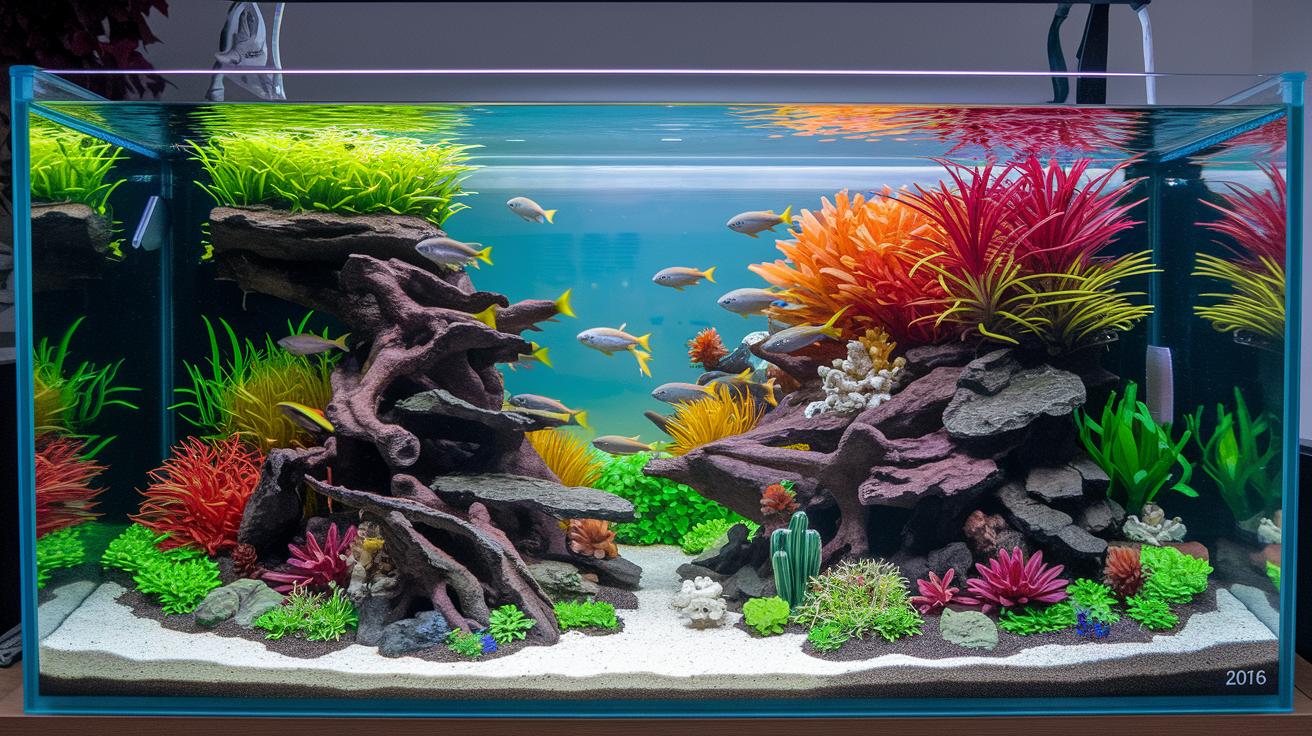
Getting your aquarium cycling is the first step to a healthy tank. It’s like setting up a little underwater world where good bacteria naturally break down waste and keep harmful stuff like ammonia and nitrites at bay. This process is essential for keeping your low-maintenance fish happy and safe.
When you pick your tank, think of it like choosing a cozy home for your new friends. For many community fish, a 10 gallon tank can be a great start, whereas goldfish often need a bit more space, about a 20 gallon tank, to really thrive. Tropical fish such as neon tetras feel most at home in a planted tank with a steady temperature, and even cory catfish will enjoy a nice, sandy substrate that reminds them of their natural environment.
Here are a few simple steps to guide you:
- Tank selection – Choose a tank size that fits the needs of your fish, whether it’s a 10 gallon for beginners or a 20 gallon for larger species.
- Cycling process – Let your tank run for a few weeks so that the nitrogen cycle can settle in, creating a balanced underwater space.
- Filtration – Use a filter that gently cleans the water by removing ammonia and nitrites, much like natural water flow in a stream.
- Substrate and décor – Add a sandy base with some plants and decorations to create natural hiding spots and bring a sense of the wild into your home.
- Heater installation – Set up a reliable heater along with a thermometer to keep the water at a stable, comfortable temperature.
Before introducing any fish, double-check all your equipment and water conditions. Happy fish keeping!
Ideal Water Conditions for Starter Fish in Freshwater Aquariums
Getting your water just right is like finding the perfect current for your fish to swim in. For example, Cherry Barbs love water that's between 74 and 80°F with a pH around 6.0 to 7.0. Meanwhile, Cory Catfish do best in a cozy range from 72 to 82°F and a pH between 6.5 and 7.8, and Neon Tetras feel happiest with a neutral pH of about 7.0. Most sturdy fish like temperatures between 72 and 78°F, creating a calm space that feels just right.
Now, let's not overlook the neat process behind the scenes, the nitrogen cycle. This is where friendly bacteria turn harmful ammonia and nitrites into safer substances, keeping your tank clean and your fish comfortable. I usually change about 10–20% of the water each week to help keep these levels in check. And using water test kits regularly gives you peace of mind, letting you notice any changes and adjust care for your finned friends as needed.
Common Mistakes When Keeping Starter Fish and How to Avoid Them

Starting your first aquarium is a fun adventure, but it's easy to run into little mishaps along the way. When you spot these common pitfalls early, you can ensure your fish stay relaxed and healthy, enjoying a calm and clear home.
When you pack too many fish into a small space, they quickly get stressed. This overcrowding not only makes them unhappy, it also messes up the water quality, a bit like trying to swim in a muddled pond.
Another issue is setting up an uncycled tank. Think of the nitrogen cycle as a natural water cleaning process. Skipping it means harmful chemicals can build up, putting your fish at risk, much like swimming in polluted water.
Overfeeding is another common mistake. While it's tempting to give your fish plenty of treats, too much food can lead to extra algae growth and dirty water, making the tank feel like a murky lagoon.
Mixing fish that don't get along is also risky. Poor compatibility can bring on unwanted aggression and discomfort, disrupting the peaceful vibe you’re aiming for in your aquatic world.
And don’t forget regular upkeep. Skipping routine cleaning and water tests is like ignoring small ripples that eventually turn into big waves, you might not notice problems until they worsen.
Double-check your setup regularly and follow a simple care checklist to catch any issues early. This way, your tank stays balanced, and all your starter fish can swim together peacefully in their bright little underwater haven.
Pairing Starter Fish: Compatibility Tips for Beginner Aquariums
Starting your very first community tank is like planning a fun underwater party. Some fish love to hang out with their buddies, while others just need a little personal space. When fish swim together in groups, it helps them feel safe and calm, and it even stops any mean behavior from bubbling up.
For those friendly fish that love company, think of neon tetras, harlequin rasboras, zebra danios, and cory catfish. These water buddies are happiest when they’re in groups of six or more. Seeing them swirl and zoom around is truly a magical sight that makes your tank feel alive.
If you have a fish that shines on its own, like a betta, remember that their bright colors come with a need for their own space. Bettas can get a bit feisty if they’re in a busy tank, so it’s best to let them swim solo or only with very carefully chosen tank mates.
Also, keep in mind that not all fish like to stay in the same area of the tank. Some prefer the bottom, while others swim in the middle or near the top. Giving them their own zones can prevent little accidents like nipping and gives each fish plenty of room to explore.
Always keep an eye on your new fish friends. If one seems to be hiding too much or starts swimming in odd patterns, it might be a sign that something needs a little tweak. Enjoy the journey of watching your tank come to life, one splash at a time.
Affordable Supplies and Resources for Starter Fish Aquariums
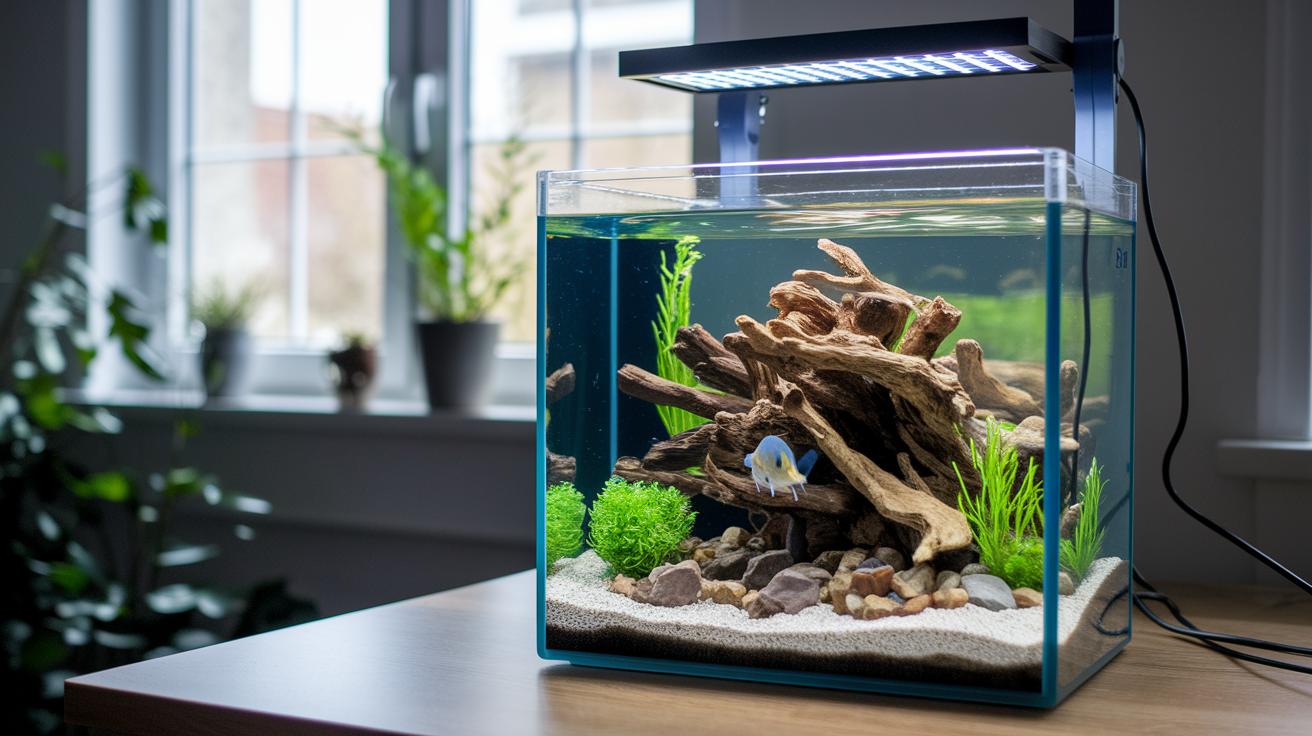
Starter kits can be a real gem when you’re setting up your first aquarium. They come with a tank, filter, heater, and test kits all bundled together so you have everything you need without spending a fortune. It’s like getting a ready-to-use home for your fish that helps you stick to your budget while still offering great care.
Local fish stores are a good stop if you’re looking for live plants and decorations. They usually have a variety of affordable and colorful pieces that bring a natural touch to your tank. You might also check online retailers for budget test kits and buying fish food in bulk. Purchasing in bulk can keep your maintenance costs low while making sure your fish are well fed.
For keeping your water crystal clear, budget sponge filters are a great choice and can often be found for under $20. And before you make any purchase, take a minute to see if there are free-shipping options or any warranty details available. These little checks can help protect your setup and keep your aquarium thriving.
Final Words
In the action, we covered smart tips on setting up your tank, from cycling water to choosing the right décor and equipment. We walked through key water conditions and common missteps, and shared thoughts on pairing fish for a peaceful home.
This guide helps you create a balanced, attractive underwater space where every fish thrives. With care and attention, you can add color and life using the best starter fish for aquarium setups, making your aquatic world a joy to watch.
FAQ
What are the best starter fish for a beginner freshwater aquarium?
The best starter freshwater fish such as Neon Tetras, Guppies, and White Cloud Minnows are ideal because they are hardy, easy to care for, and bring lively color and movement to your beginner’s tank.
Which fish are ideal for a small tank and are beginner-friendly?
Ideal small-tank fish include Guppies, Neon Tetras, and Betta fish, as they thrive with less space while offering vibrant behavior and requiring minimal care, perfect for new aquarists.
What is the best fish combination for a community aquarium?
A well-balanced community setup pairs gentle schoolers like Neon Tetras with bottom dwellers such as Cory Catfish, ensuring similar water needs and temperaments for a harmonious tank.
What fish should come first in a new aquarium setup?
Hardier species like White Cloud Minnows or Guppies should be the first to join a new aquarium, as they adjust well during the cycling process, helping the tank gradually stabilize.
What fish tank size is recommended to start with?
Beginners should consider a 10-gallon tank for smaller fish like Tetras or Guppies, while species with greater needs, like goldfish, require a 20-gallon tank to support their growth and waste output.
Which fish are considered low maintenance for beginners?
Low-maintenance fish like Neon Tetras, Guppies, and Siamese Fighting Fish require only steady water conditions and simple care routines, making them excellent choices for newbie fish keepers.