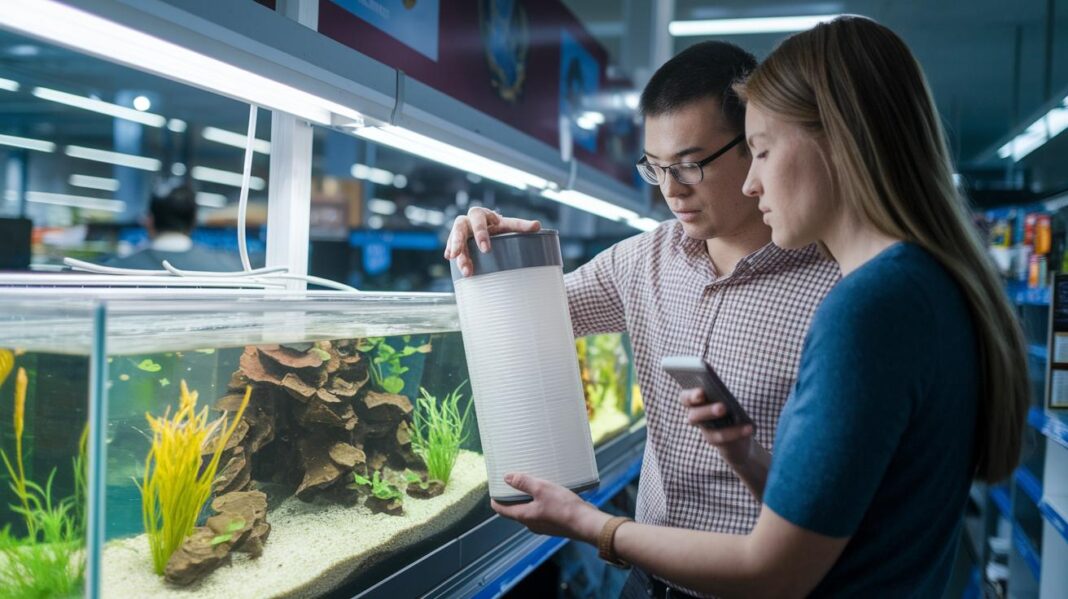

Ever feel swamped by all the gear options when setting up your aquarium? Picking the right equipment can turn your tank into a true home for your fish, not just a box of water. It’s like creating a warm, cozy space where every item, from filters that keep the water clean to sturdy stands that support your tank, plays a part in keeping your fish happy and healthy.
In this guide, you'll find simple, easy-to-follow steps that help you choose the best items without any stress. Soon enough, you'll have a safe and supportive environment where your fish can thrive, much like a snug hideaway in a gently flowing stream.
Essential Steps to Choose the Right Aquarium Equipment
When setting up your tank, start by picking a size that matches what your fish will need as they grow. Choose a tank that will comfortably fit them as adults. For example, a 70 L tank can weigh nearly 95 kg once it's full of water and substrate. A friend once said, "Think ahead – a fish growing into its space is like a young tree outgrowing its pot." That simple tip reminds us that having a stand that can support all that weight is super important.
Next, make a list of the basic gear you need, like filters, pumps, heaters, lights, and even the substrate. Filters help clean your water, while pumps and heaters keep it moving and maintain a steady temperature, just like a gentle current in a stream. Also, it pays to plan out your water cycle. Knowing the basics of the nitrogen and fishless cycles helps keep your tank environment safe and balanced.
Think of picking your gear like checking items off a shopping list. With perks like free shipping on orders over £50 and a 60-day return policy, you can choose quality gear without feeling stressed. If you’re just starting out, a "20 gallon fish tank kit" can be a handy reference for both size and equipment needs.
Finally, review each piece of equipment to make sure it fits well with your tank and meets the needs of your fish. This thoughtful approach will help you build a secure, lasting aquatic home that grows along with your fish.
Tank and Stand Selection for Secure Aquarium Foundations
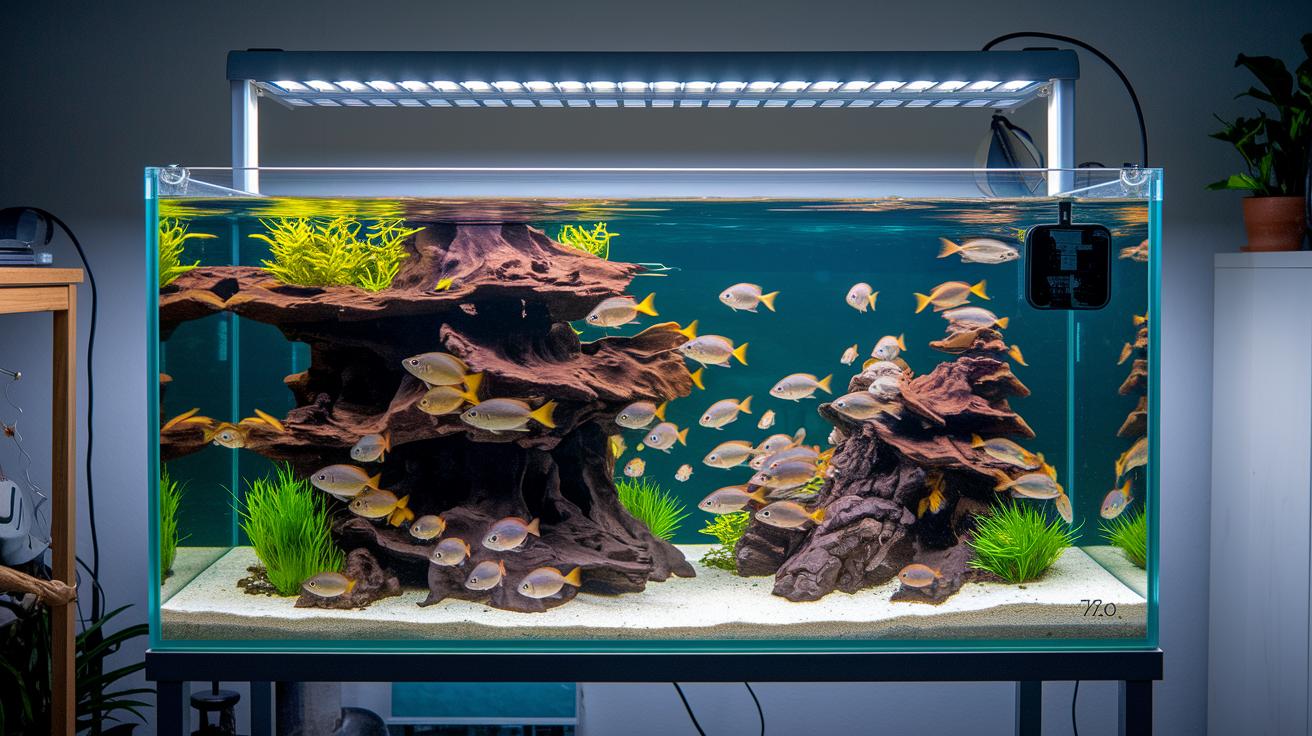
Begin by picking a tank that will suit your fish when they are fully grown. Your fish need plenty of room to swim and grow without feeling crowded. For example, imagine a 70 L tank that can weigh nearly 95 kg once filled with water and gravel. That means your stand must be strong enough to hold all of that weight safely, I would hate to see any surprises while your fish are happy and thriving.
Now, think about the role of a tank cover or hood. A good hood keeps your fish from jumping out and helps keep them safe, much like a protective cap on a bottle. It also helps reduce water loss from evaporation and gives you a handy spot to attach lighting and filter accessories. If you are new to aquariums, you might want to look at options like the "10 gallon fish tank" which is compact and designed with safety in mind.
Choosing the right stand is very important too. A sturdy stand that fits your tank perfectly can prevent accidents. Be sure to check the support structure and overall design since different tank setups might have unique needs. In the end, your tank, cover, and stand should all work together quietly, like the peaceful flow of a stream, to build a secure and balanced home for your aquatic friends.
Essential Filtration Equipment: Types and Media Choices
Let's dive into the different filter styles for your tank. Whether you choose an external model that hums quietly outside the tank, a hidden in-tank filter, or one that hangs on the side for a space-saving fit, each has its own special strengths. Think of extra tubing for an external filter like having a spare paddle when you're out on a calm river, a little detail that makes a big difference.
Next, let's chat about the filter media options. Active carbon is great at cleansing your water by removing odd smells and discoloration, like a gentle wave washing away unwanted debris. Meanwhile, ceramic rings and resin media offer cozy spots for beneficial bacteria to settle in and help keep your tank balanced. Bio balls encourage these friendly bacteria to multiply, and foam pads work like a fine strainer, catching bits and pieces that might cloud your view. It's a simple choice that turns your tank into a clear, peaceful haven.
When you're setting up your filter system, pay attention to the small details. Extra tubing, for instance, is key for external filters to ensure smooth, continuous water flow, sort of like keeping your stream unobstructed. And don't forget a booster of beneficial bacteria, which helps jump-start the whole process by quickly building up a colony that turns harmful chemicals into harmless compounds. In truth, mixing these types of filtration, chemical, mechanical, and biological, creates a balanced dance of water care that leaves your aquarium sparkling and serene.
Heater Selection and Temperature Control Guidelines
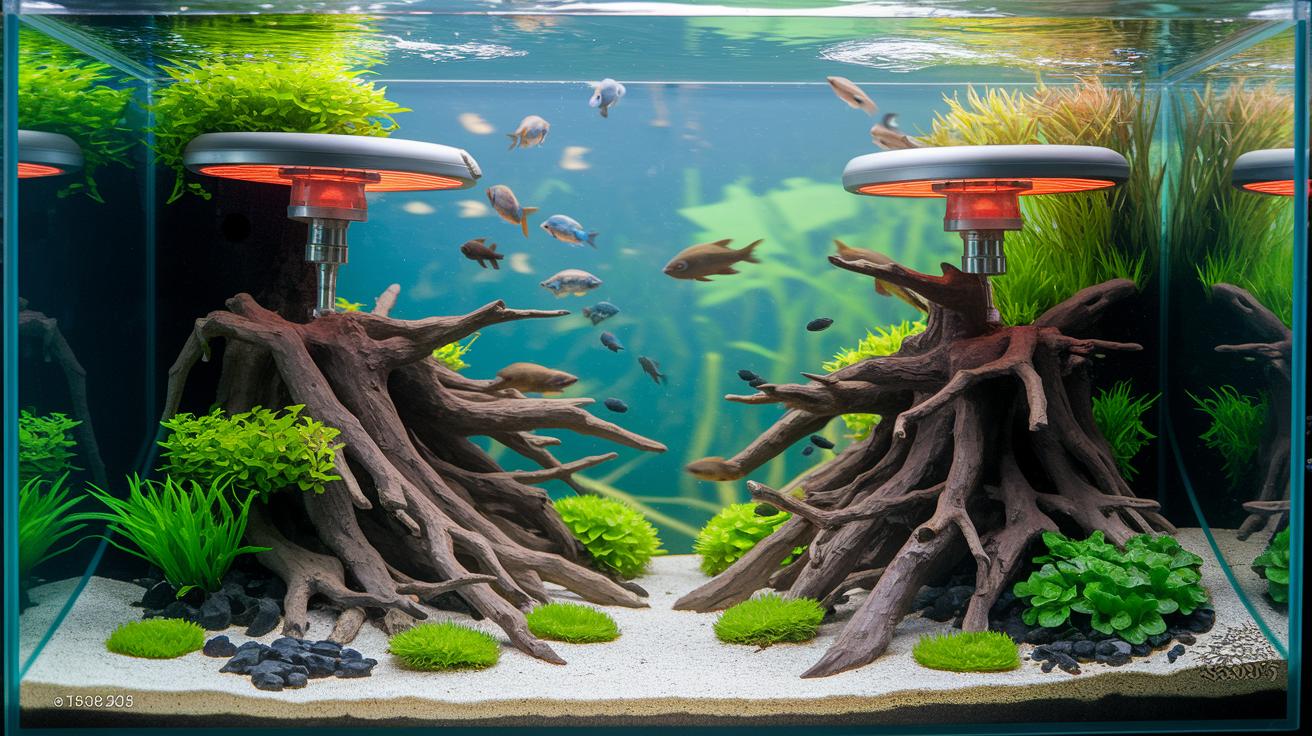
When picking an aquarium heater, think about your tank's size and what it needs. For tropical tanks that need warm water, a good rule of thumb is about 1 watt per liter. If your tank is large, using two smaller heaters instead of one big one helps spread the heat more evenly, much like gentle ripples across a pond. Placing heaters in different spots also avoids those chilly dead zones.
Heaters aren't just for tropical tanks, they can keep a temperate setup cozy on cool days too. When the heaters work together, your fish enjoy a steady temperature all year round. It really helps to set them near spots where water flows, so the warmth travels throughout the tank.
During installation, make sure each heater is fully underwater and not hidden behind decorations or equipment that might block the heat. This little extra care helps the heat spread efficiently and keeps the heater safe from damage. A well-thought-out heater setup makes a big difference in keeping your aquatic friends comfortable.
In short, taking a little extra time to plan your heater choices creates a healthy, balanced aquarium environment. Even small upgrades can make your tank feel like a peaceful underwater haven.
Aquarium Lighting: LED vs Fluorescent and Intensity Tips
Light really makes your tank come alive. It helps both lush green plants and night-active fish feel right at home. Think about plants that need a bright, natural glow to grow strong, they thrive under LED daylight settings that mimic the sun. And then there’s that soft blue tone in moonlight mode, which creates a calm scene perfect for fish settling in for the night.
LED lights are a hit because they sip power and let you adjust the brightness easily. You can start the day with a gentle ramp-up and then slowly fade into the evening. On the flip side, fluorescent lights often give off a wider range of colors that can make your plants pop. A friend once remarked, "Switching from bright daylight to a gentle blue in the evening feels like watching two moods in one tank." It really shows how the right light can set the perfect vibe.
When choosing between LED and fluorescent, think about what your aquarium needs most. Tweaking the light’s spectrum can boost plant growth and brighten fish colors. But be careful with the intensity, too much light might stress your aquatic buddies, while too little may make the tank feel dim. Striking the right balance is key to keeping your underwater world bright, healthy, and full of life.
Pumps, Circulation and Aeration Equipment Overview
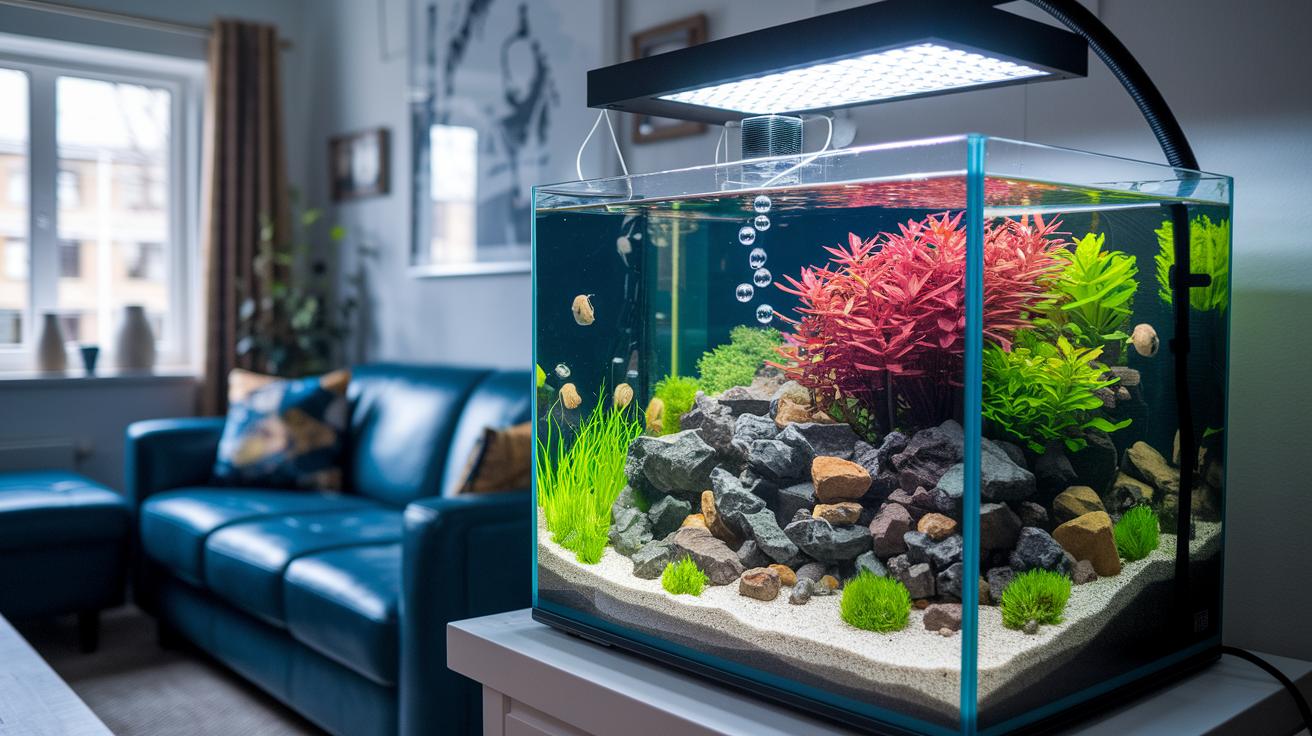
Setting up your aquarium is a bit like creating your own little underwater world. Picking the right pump and air system is key to keeping your fish happy and healthy. Air pumps work by making tiny bubbles that not only mix the water but also help boost oxygen levels. Meanwhile, circulation pumps create a gentle current that moves water around evenly, making sure no spot gets left behind. Together, they create a flow that feels a lot like a natural, peaceful stream.
When choosing a pump setup, think about the size of your tank and how much water you need to move. Smaller tanks may only require one pump, while bigger tanks often do better with two or more to cover all areas. You can decide between a quiet, energy-saving pump and a more powerful option based on what your tank needs. It also helps to check out reviews from other fish enthusiasts who have tried different models and shared their experiences.
You might even consider adding extra accessories like an automatic top-up system. This handy tool keeps the water level just right without you having to watch it all the time. When you install your equipment, place the pumps and air outlets in spots where the bubbles can spread evenly and the water can flow freely. This way, every corner of your tank gets the oxygen it needs, leaving your fish free to enjoy a lively, well-circulated home.
Substrate and Decorative Foundations in Aquarium Design
Picking the right substrate is one of the most important steps when you set up your aquarium. It affects how your live plants grow and even makes cleaning easier. For example, smooth sand creates a gentle base that many fish enjoy, while gravel gives room for helpful bacteria to thrive. Changing your substrate later can really unsettle your tank, so it’s best to choose something that fits your fish’s needs from the very start.
Adding decorative features not only makes your tank look stunning, but it also helps its inner workings. Live plants bring a slice of nature into your tank and can even improve water quality. Mix in some BiOrb décor, unique ornaments, and handy aquascaping tools to create little hideaways and resting spots for shy fish. It’s like painting a living scene where every piece works together to balance beauty and function.
Take some time to explore different substrate options and decoration ideas that match the natural backdrop of your fish. Every choice you make adds up to a stable underwater world that’s both beautiful and healthy.
Water Treatment, Testing and Routine Maintenance Tools
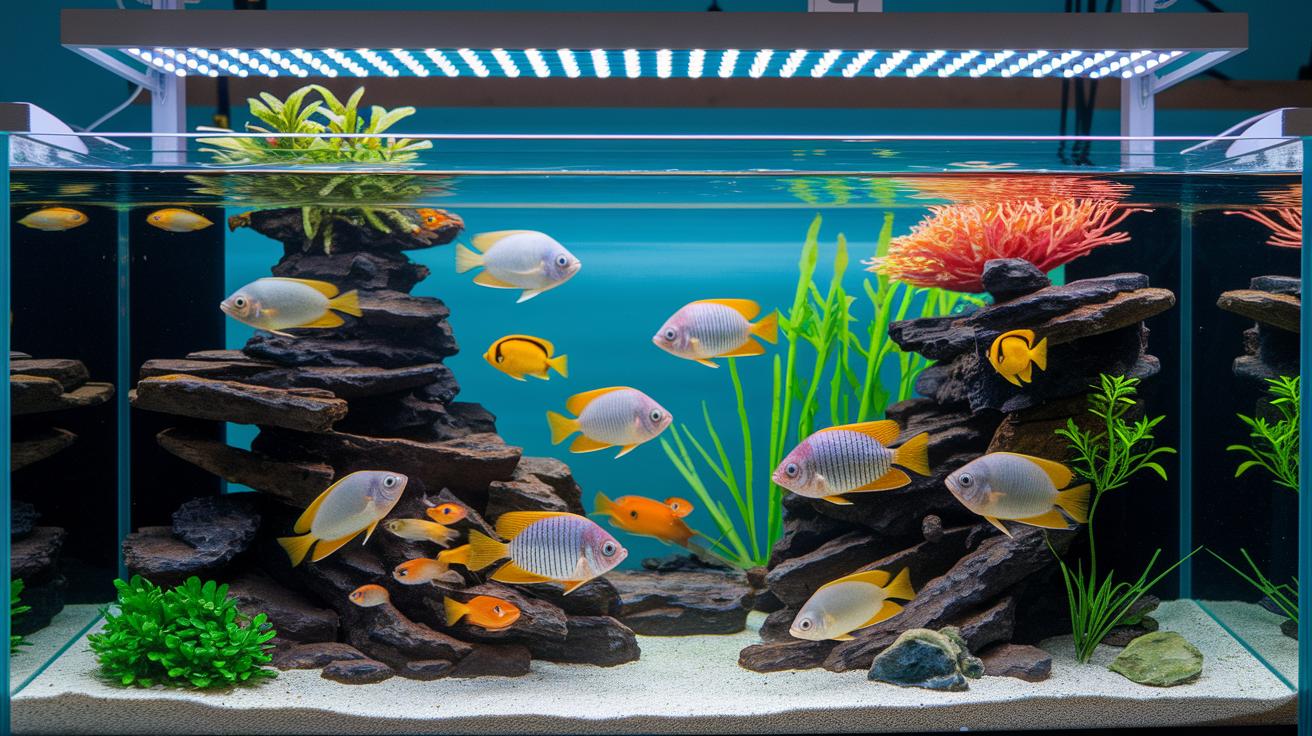
Keeping your tank water clean is like setting the perfect stage for a joyful fish parade. Start by using water conditioners that gently remove chlorine, chloramines, and heavy metals while calming harmful ammonia and nitrite. Think of it as giving your tap water a refreshing shower, making it warm and welcoming for your finned friends.
Regular water testing is key for spotting little problems before they grow. Grab a water quality testing kit to check pH, nitrate, nitrite, and ammonia levels, kind of like your aquarium’s own report card. Try to test your water each week; it’s a bit like measuring ingredients before you bake your favorite treat.
Cleaning tools are just as important. A gravel vacuum makes cleaning a breeze by scooping away waste and debris while you change some water. It’s like tidying up a small corner of your room without disturbing the whole space.
Remember to explore different foods tailored to your fish’s needs. Whether you choose flakes, pellets, or frozen treats, a healthy meal plan helps keep the tiny cleaning helpers in your tank happy and busy. In truth, good food supports a balanced water home.
Plan a routine that meshes water conditioning, testing, and cleaning. With a thoughtful schedule, your aquarium will feel as peaceful as a gently rippling pond, inviting you to relax and enjoy the simple beauty of underwater life.
Budgeting, Energy Efficiency and Long-Term Equipment Planning
When setting up your aquarium, it's a smart move to keep the future in mind. Instead of just focusing on the first expense, think about shipping details, return rules, and warranty lengths. For example, if you spend over £50 and get free shipping, that's a little bonus to score when you're making your budget.
It also helps to choose energy-smart equipment like LED lights and efficient pumps. Upgrading from older models can cut down your power use, meaning lower bills over time. Think of it like the gentle ripple of savings building up each month, small changes today can really add up later.
Another tip is to consider flexible payment options, like plans that let you pay later or in installments. This eases the pressure of paying a large sum all at once, while letting you invest in gear built to last. Before you buy, take a moment to check reviews and compare how well the equipment holds up, so you know it's a good long-term choice.
Here are some quick points to remember:
- Add shipping, returns, and warranty details to your budget.
- Choose energy-efficient lights and pumps to save on power.
- Consider flexible payment plans to ease upfront costs.
- Check reviews for durable gear and solid support options.
Mixing these steps into your planning helps create a setup that's balanced between upfront costs and steady, long-term efficiency. Ever notice how a well-planned aquarium can feel as calming as watching a quiet stream?
Final Words
In the action guide above, we covered tank size, filtration, heaters, lighting, pumps, substrate, water treatment, and budgeting tips. Each element works together like currents in an inviting underwater scene to create a secure and attractive habitat.
Remember, the key to success is how to choose the right aquarium equipment and craft a setup that feels both personal and supportive for your aquatic friends. Enjoy building your ideal underwater haven!
FAQ
How can beginners choose the right aquarium equipment and accessories?
Beginners can benefit from a complete starter kit that includes a tank, filter, heater, lights, substrate, and décor. This setup supports proper water quality and provides a healthy home for fish.
What are the main items needed for a saltwater or home aquarium?
For saltwater and home aquariums, you need a tank sized for adult fish along with essential gear such as filters, heaters, lighting, and substrate to sustain aquatic life.
Do fish prefer long or tall tanks?
Many fish thrive in long tanks that provide ample swimming space, while overly tall tanks may limit movement and reduce optimal oxygen exchange for healthy fish.
How can I choose the right aquarium to match my space?
Selecting the right aquarium involves choosing a tank that fits your available area, meets the fish’s adult size requirements, and is supported by a strong stand for safety and stability.
What key factors should I consider for my aquarium’s location?
When choosing an aquarium location, consider placing it in a spot free from direct sunlight, with steady temperatures and enough space to safely support the tank’s weight and setup.