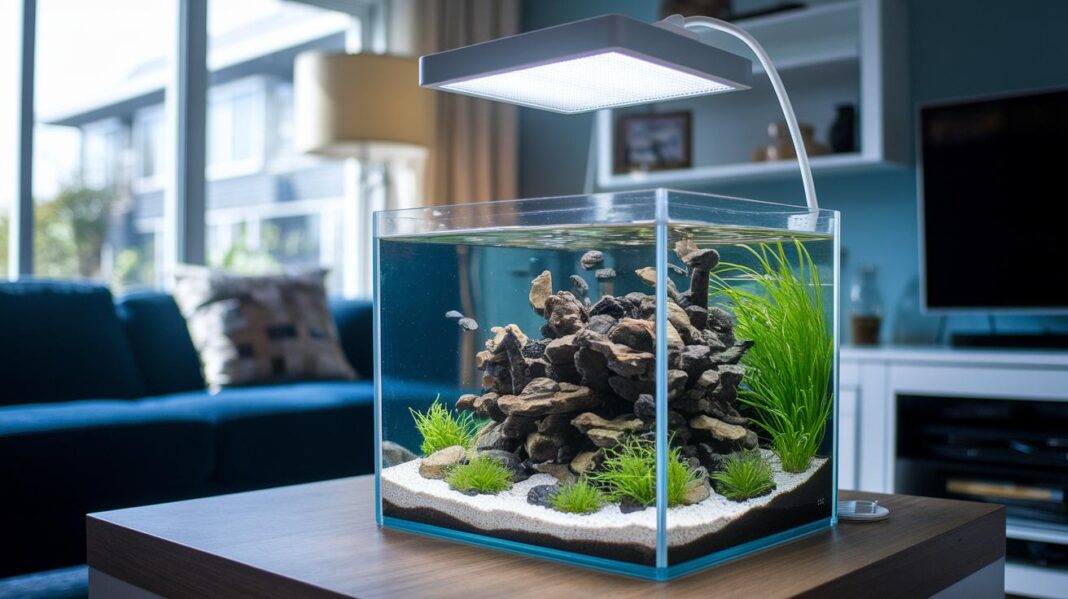

Have you ever wondered if you're ready to build the perfect home for your fish? Setting up an aquarium might seem simple, but it can be trickier than it looks. With the right gear, though, your little tank can become its own lively mini-ocean.
In this guide, we'll chat about the must-have supplies that make an aquarium both safe and inviting. A strong tank serves as the foundation, while a filter (which cleans the water like a gentle current) keeps everything sparkling. A heater and good lighting add the final touches that help your fish feel right at home.
Imagine the soft murmur of a filter working in the background, each piece of equipment plays a key role in creating a welcoming underwater world for your friends.
Key Equipment Every Beginner Needs to Start an Aquarium
First, pick a reliable fish tank. It's a water-holding home for your fish that needs to rest on a strong, flat, waterproof surface or a special stand made to bear more than 10 pounds per gallon. Think of it like a sturdy table built to carry the weight of a full tank.
Next, add a filtration system to clean the water by removing waste, much like a coffee filter clears out grounds. A heater and thermometer then work side by side to keep the water at a cozy temperature, usually between 74 and 80°F. To light up your underwater world, choose a hood with built-in lighting or set up separate lights. A little tip: using a hood helps cut down on evaporation and stops your fish from taking an unexpected leap out.
After that, cover the bottom of your tank with rinsed substrates like gravel, sand, or rocks. Rinse any decorations, whether driftwood or plants, to prevent clouding the water. Adding a secure lid is key, it not only keeps water from evaporating but also keeps your fish safe.
Finally, treat your water with a conditioner to get rid of chemicals like chloramine, and use water test strips to check the pH and spot any toxins. Remember, let your tank cycle for one to two weeks before inviting your fish over. Taking your time here makes a big splash later!
Choosing Your First Fish Tank and Stand

When you're just starting out with a fish tank kit, think about the size. A tank between 10 and 20 gallons gives your fish plenty of room while still being easy to manage. For instance, a 10-gallon tank holds around 100 pounds of water when full, making it a great fit if you're after a neat yet steady setup.
Don't forget about where you set up your tank. Placing it near grounded power outlets means you can easily add filters, heaters, and lights. And if you find that you're short on outlets, you might ask an electrician to add a few more so everything runs smoothly.
Next, picking the right stand is just as important as choosing your tank. Your stand should be flat, waterproof, and strong enough to support both the tank and all that water. Many starter kits even include a matching stand, hood, and built-in lights. It’s like getting a complete package that just works, so you can focus more on enjoying your aquatic world.
Ever notice how a stable base makes such a difference? A well-supported tank helps create a happy, thriving home for your fish.
Filters and Pumps: Beginner-Friendly Filtration Systems
Every thriving aquarium relies on three natural cleaning methods. First, biological cleaning uses helpful bacteria that break down fish waste, kind of like nature’s own recycling team. Next, mechanical cleaning catches bits of debris just like a gentle net. Finally, chemical cleaning takes away dissolved substances that you don’t want in your water.
Sponge filters are a great choice for beginners. They create a soft flow of water, much like a gentle current that keeps your tank clear without disturbing your fish. They’re easy to hook up to an air pump and simple to rinse out on a monthly basis, leaving you with fewer worries about upkeep.
There are other options for filtering water too. Hang-on-back filters, for example, attach to the tank side and pull water through changeable cartridges. Canister filters, which work outside the tank, push water through several layers of cleaning media. Internal filters settle inside the tank for direct cleaning, while undergravel filters pull water right through the substrate, adding a natural look. And if you're concerned about tiny harmful organisms, UV sterilizers use light to reduce them.
| Filter Type | Flow Rate | Maintenance Ease | Cost |
|---|---|---|---|
| Sponge Filter | Low to moderate | Simple monthly rinsing | Low |
| HOB Filter | Moderate | Replace cartridges occasionally | Moderate |
| Canister Filter | High | Requires thorough maintenance | Higher |
Choosing a sponge filter is a smart start because it’s easy, budget-friendly, and kind to your aquatic friends.
Heating and Lighting Setup for New Aquariums
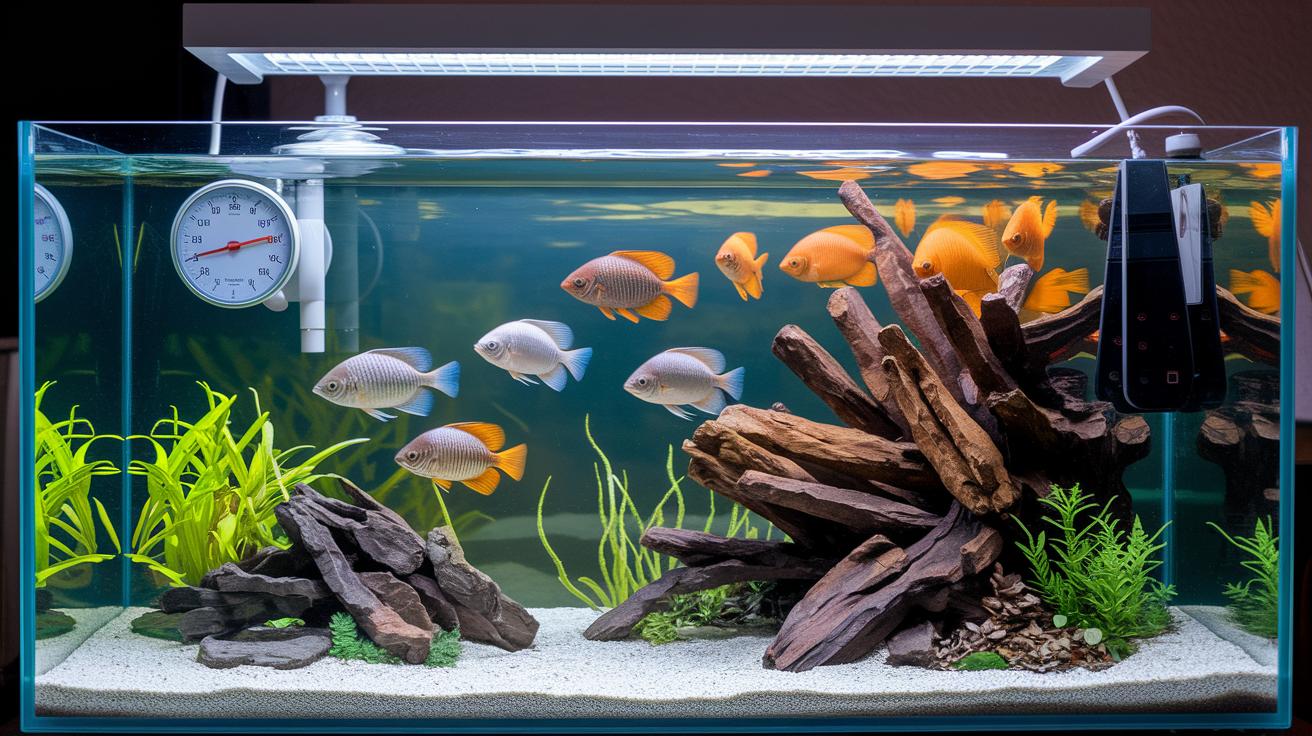
When setting up your new tank, keeping the water at a cozy 74 to 80°F is super important for tropical fish to thrive. If your room feels cool and drops below 74°F, it's time to add an adjustable submersible heater. Place the heater where it can gently push warm water throughout the tank, almost like the way a light current spreads around a smooth pebble. And don't forget to keep an aquarium-grade thermometer handy so you can check the temperature often.
Once your heater is well set up, think about the lighting. If you have live plants in your tank, LED planted-tank lights with timers are a great pick because they help your plants grow and keep unwanted algae at bay. For tanks without live plants, a simple hood-mounted kit light does the trick. Timers are handy for making sure your lights come on for 8 to 10 hours each day. This steady light helps mimic the natural cycle of day and night, which makes your fish feel right at home.
Adjust your heater and lights based on your tank’s unique setup. Try a few different spots to see what feels balanced and safe, ensuring every piece of equipment is snug and secure. It’s all about creating that stable, welcoming water world where your aquatic friends can happily swim free.
Substrates and Décor: Setting Up the Aquarium Bottom
Start by giving your substrate a careful rinse. Whether you're using gravel, sand, or planted-tank soil, washing it with plain water helps remove dust that could cloud the water and stress your fish. It’s best to avoid any soap or detergent to keep your tank safe for your underwater friends.
Next, clean all your decorative items, like driftwood, smooth rocks, and your chosen live or artificial plants. Washing these helps stop unwanted particles from settling in your tank and makes the water look as clear as a mountain stream.
When setting up your tank, think of it like arranging a cozy living room. Create plenty of snug hideaways for your fish while leaving open spaces so they can swim freely and feel secure. It’s all about balancing shelter and space.
Before finishing, give every piece a quick check for sharp edges that might hurt your fish. A well-organized tank with carefully cleaned substrates and décor not only looks beautiful but also provides a healthy, happy home for your aquatic companions.
Ever notice how a thoughtfully set-up tank can change the whole vibe?
Water Conditioning and Testing Essentials
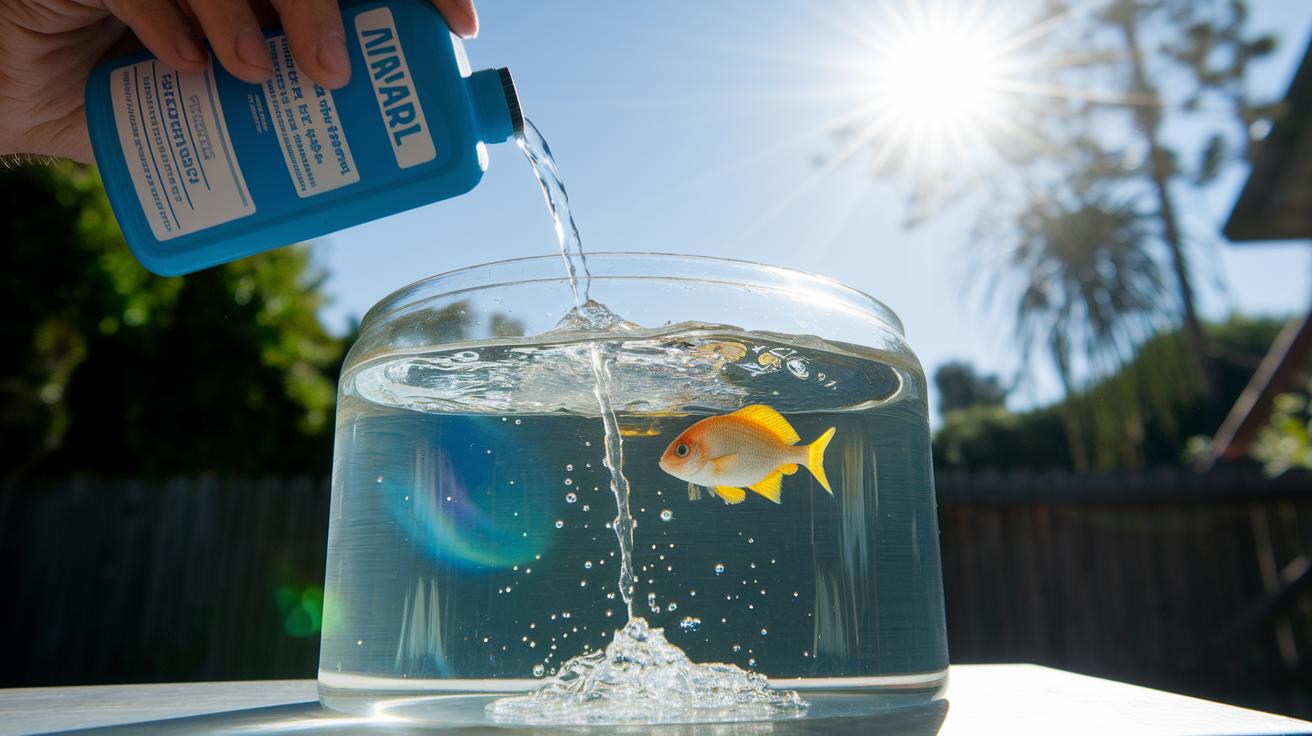
Start by removing chlorine from your tap water. Tap water usually holds chlorine or chloramine, which can upset your fish. Before filling your tank, add a dechlorinator like you would add a pinch of seasoning to a dish, it's all about giving your fish a comfy, balanced start.
Next, grab a liquid or strip test kit and start checking your water. You need to watch for things like pH, ammonia, nitrites, and nitrates. Think of it like feeling the warmth of your morning coffee, it helps you catch any issues before they become big problems.
Remember these tips:
| Parameter | Ideal Level |
|---|---|
| Ammonia | 0 ppm |
| Nitrite | 0 ppm |
| Nitrate | Below 20 ppm |
Regular checks keep your tank cycling right and your water clean for the long haul. Checking your water every day is like giving your aquarium a little health check, it’s simple, practical, and key to a lively underwater world.
Step-by-Step Tank Setup Guide for First-Time Aquarium Owners
Ready to dive in? Here's a simple checklist to help you set up your new tank. For extra details, check out our guides on where to place your tank, how to clean it, and how to install your equipment.
- Start by putting your tank on a sturdy stand near grounded power outlets. This keeps everything safe and steady.
- Rinse the substrate and decorations with just water, then add 1–2 inches to the bottom. This makes sure everything is clean and ready.
- Install your filter, heater, and an aquarium-safe thermometer, following the steps in our heating and lighting guide.
- Fill the tank with water that’s been treated to remove chlorine according to the product instructions. This helps keep your aquatic friends healthy.
- Set up your lighting and timer to mimic a natural day and night cycle. Your fish will love the gentle rhythm!
- Turn on your equipment and start the cycling process. You might want to add a small source of ammonia or starter bacteria to jumpstart the cycle.
- Test the water every day until the ammonia and nitrite levels drop to zero, which usually takes about 1–2 weeks.
Troubleshooting Tips:
- If the water temperature seems off, check your equipment calibration.
- Make sure all wiring is secure and that plugs are close to grounded outlets.
- If cycling takes longer than expected, gently stir the water to help distribute the bacteria evenly.
| Problem | Friendly Advice |
|---|---|
| Slow Cycling | Check your water temperature and give the water a gentle stir to boost bacteria activity. |
| Uneven Temperature | Verify the heater settings and the placement of the thermometer to keep the balance. |
Final Words
In the action, we explored every part of setting up your first aquarium, from choosing the right tank and stand to picking simple filtration systems and proper lighting. We moved through substrate prep, décor, and even water conditioning. Each step helps you create a safe and welcoming underwater home that’s both attractive and healthy.
Keep this guide handy as you build your aquatic world with essential aquarium equipment for beginners. Enjoy the excitement of each step and watch your underwater paradise come alive!
FAQ
Q: What are the essential aquarium equipment for beginners?
A: The essential aquarium equipment includes a tank and stand, proper filtration, heater, lighting, substrate, lid, water conditioner, test kits, and quality fish food. They create a safe aquatic home.
Q: What accessories do I need to set up my fish tank safely?
A: The necessary fish tank accessories involve a good filter, heater, thermometer, and water testing tools. Décor like rinsed driftwood, plants, and substrate offer shelter and visual charm.
Q: How do I start a fish tank as a beginner?
A: Starting a fish tank involves placing your tank on a proper stand, rinsing substrate and décor, installing essential equipment, filling with conditioned water, and cycling the tank for one to two weeks before adding aquatic life.
Q: What is fish tank syndrome?
A: Fish tank syndrome describes stress or illness in fish due to poor water quality or imbalanced tank conditions from incorrect setup or overcrowding. It signals the need for better water care.
Q: Which fish and aquatic pets can thrive in a beginner tank?
A: Beginners can start with tropical fish, freshwater species like goldfish or Siamese fighting fish, or even turtles. Choose pets that match your tank size and water conditions for a healthy setup.