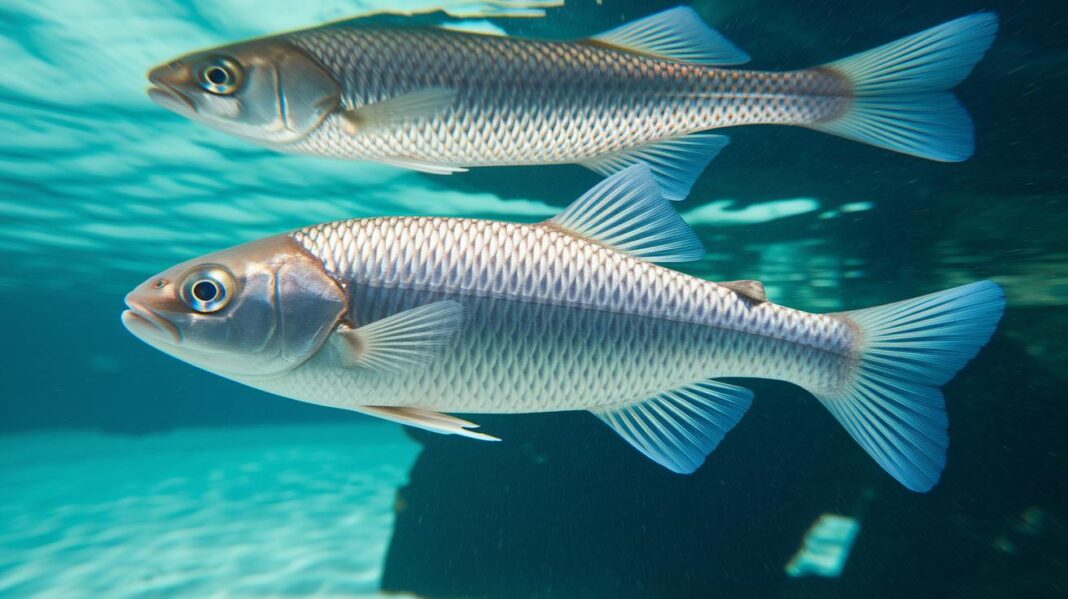

Have you ever wondered how fish seem to know what’s going on around them in the water? They have a cool gadget built right into their bodies called the lateral line.
This natural sensor is made up of tiny nerve cells that feel even the gentlest ripples and vibrations, turning them into fast signals. It’s a bit like how we notice a soft breeze on our face, only for fish, it helps them avoid danger, find food, and glide gracefully through their underwater world.
Isn’t it amazing how nature equips these little swimmers with such clever tools?
How the lateral line of fish detects water movement and vibrations
Fish have a natural sensor that acts like their own underwater radar. This amazing tool helps them feel the gentle dance of water currents, tiny ripples, and little changes in pressure, kind of like when you feel a soft breeze on your face. Imagine standing beside a small stream and noticing the delicate movement of the water. That’s similar to how the lateral line works for fish, but with a much finer touch.
The magic happens in tiny units called neuromasts. These little nerve cells, neatly arranged along the fish’s body, pick up even the smallest shifts in the water. One group of neuromasts sits on the skin, while another is tucked away in little canals under the skin, surrounded by fluid. Each neuromast changes water movements into quick electrical messages that zoom straight to the brain. Ever wonder how a fish avoids surprises? Some fish can even sense a hidden predator by detecting a barely noticeable pressure ripple in the water.
Fish use these subtle water signals to notice many things around them. For instance, they sense water turbulence, the movement of friends in their school, the ripples made by potential snacks, and the vibrations of a nearby threat. This incredible sense does more than just help them swim around, it is also a lifeline that keeps them safe and helps them find food in a busy underwater world.
Structural organization of the lateral line system in fish

Fish have an amazing natural sensor that picks up even the tiniest water ripples. At its heart are little units called neuromasts, tiny, sensitive strings arranged neatly in watery canals under the skin and dotted on the scales. They work just like the strings on a well-tuned instrument, catching soft vibrations in the water.
Types of neuromasts in the lateral line
Some neuromasts live right on the skin’s surface, open to feel every little ripple. They’re like a friend feeling a gentle tap on the arm, alerting the fish to nearby movements. On the other hand, other neuromasts hide in tiny, fluid-filled tubes beneath the skin. These safe spots filter out the constant background buzz of water, so they’re great at sensing stronger pressure changes when something big happens.
The surface neuromasts quickly catch light, subtle disturbances, clues that might point to nearby food or fellow fish zipping by. Their open position lets them share details about the water’s gentle currents almost instantly. Meanwhile, the canal neuromasts, nestled in their protective channels, pick up more forceful shifts in pressure. This makes them ideal for noticing a sneaky predator or a sudden surge in the water, giving the fish a chance to react fast.
| Neuromast Type | Location & Function |
|---|---|
| Superficial neuromasts | On the skin; detect delicate water movements |
| Canal neuromasts | Within fluid-filled canals; sense strong pressure changes |
Together, these different sensors give fish a balanced view of their watery world. By combining the quick hints from the surface with the sharper alerts from the canal channels, fish can easily adjust their movements, whether they’re hunting for a snack or dodging danger.
Variations in lateral line distribution among fish species
Fish are truly amazing, each showing a unique way of placing their lateral line, the sensory system that helps them feel currents and vibrations in the water. Some fish keep these sensors closely packed along their bodies, while others have them spread out like the gentle ripples on a quiet pond. This setup fits their way of life, whether they stick near the ocean floor or glide freely in open water. It’s like nature has arranged each fish’s sensors just right for its own needs. For instance, one kind of fish might use its lateral line to slip through tight spaces, while another uses it to keep close track of its school.
Look at some cool examples:
- Cavefish show one-of-a-kind adaptations.
- Electric fish have unique sensor patterns.
- Schooling pelagics develop traits that help them move together.
- Benthic catfish have sensor layouts that work well when hanging out near the bottom.
- Mangrove killifish have evolved lateral lines that match their special habitats.
The place where a fish lives also shapes these patterns. The habitat, water clarity, and even the temperature play a part in how these sensors are organized. In murky or shallow water, a well-set lateral line becomes extra useful for spotting obstacles and keeping an eye out for predators. Whether a fish likes to travel in groups or prefers hunting alone can influence how its sensors are arranged, linking its surroundings directly to its sensory design.
Over time, these changes have made fish even better at surviving in their watery world. The different ways their lateral lines are set up, and how detailed they are, give each fish the tools it needs to face challenges head-on and thrive in its own unique corner of the water.
Behavioral functions of the lateral line of fish
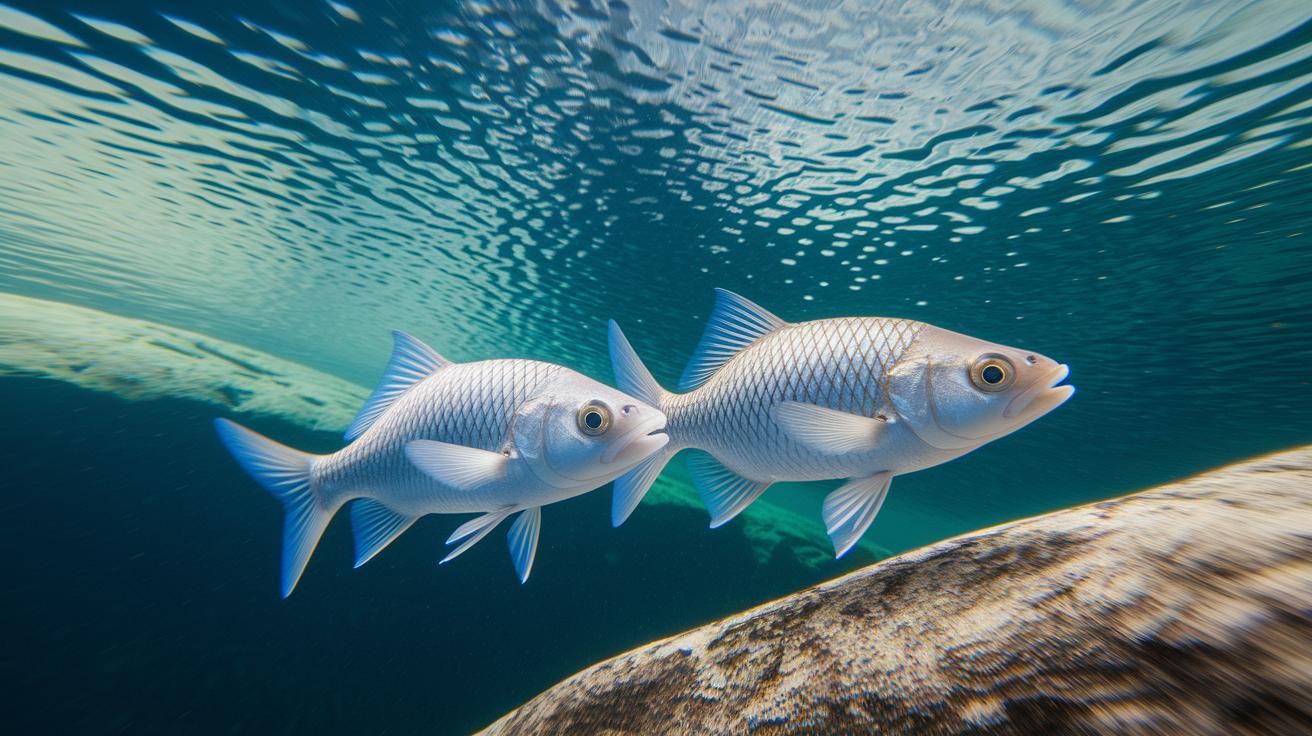
Fish depend on their lateral line for all sorts of everyday tasks. It’s like having an extra set of senses that picks up even the softest whispers of water. This special sensor is what helps fish navigate around obstacles, stick together in their school, find a meal, and even spot impending dangers before they’re visible. Researchers say that by picking up tiny vibrations and small pressure changes, fish can smoothly guide their movements. When a fish swims close to a rock or squeezes through a tight space, its lateral line gives it a gentle warning so it can avoid trouble. And when fish swim together, each one shares its sensory info, letting the whole group move as one fluid unit.
- Navigation and obstacle avoidance
- School cohesion
- Prey localization
- Predator evasion
Lab tests in controlled tanks have shown that the signals from the lateral line help fish dodge bumps, much like how we adjust our steps on a slippery floor. And when one fish in a school makes a sudden turn, the others quickly follow, which tells us they’re communicating through these subtle cues. Even more interesting, experiments found that if parts of the lateral line aren’t working right, fish have a much harder time tracking down food and reacting to dangers. This discovery is like a clear ripple in a calm pond, showing just how vital this system is for survival in the underwater world.
Neural integration of lateral line signals in fish
Tiny neuromasts send signals along nerve fibers right into the hind part of the fish’s brain. Think of these signals as little messages carrying clues about water movements and pressure changes, like underwater cables linking the fish's skin to its control center. Before scientists even grasped how important these signals were, they noticed that even a small water shift could set off an immediate nerve spark in a fish. It’s a bit like watching a live water show, where every ripple is sent directly to the brain without missing a beat.
When the signals reach the hindbrain, they're quickly turned into speedy motor actions. The fish’s brain decodes gentle nudges and powerful ripples so fast that the fish can change its swimming direction in a flash. This clever neural mapping lets fish dart around obstacles or potential dangers, much like how you might quickly move aside in a crowded room. Fast and precise, this integration of water cues is a key part of how fish survive in their watery world.
Development and regeneration of the fish lateral line system

When a fish embryo is just starting out, tiny groups of cells called cranial placodes set the stage by forming neuromasts. These little sensor cells line the head and body, creating a delicate network that picks up even the soft ripple of water around them. It’s amazing how nature sets this up well before the fish even takes its first swim, making sure every cell is exactly where it needs to be. This early design not only builds a sensory system but also plans for quick repairs if something goes wrong later on.
- Support cell activation
- Proliferation
- Differentiation
- Functional integration
If a fish gets hurt, its lateral line bounces back quickly through a smart regeneration process. The support cells swing back into action to replace the damaged hair cells, so the system can work perfectly in no time. It works like a team effort, with careful signals and local cues guiding each step, much like fixing a broken net together. This speedy repair keeps the fish aware of its watery world, letting it glide through the water and steer clear of danger. Watching such a swift comeback always leaves you in awe of nature’s clever design.
Final Words
In the action, we explored how the fish sense and respond to water movements. We broke down the role, structure, and differences in their mysterious arrays of sensors. We even touched on how nerves process the signals that help keep fish safe in their watery world.
Every detail shows the remarkable design of the lateral line of fish, proving that our underwater friends have evolved some nifty ways to thrive. Enjoy watching your aquatic pals turn water into their playground!
FAQ
Lateral line of fish in humans
The lateral line in fish refers to a specialized sensory system that humans do not have. Instead, we rely on related nerves in our skin to sense touch and simple vibrations.
What is the importance of the lateral line in a fish?
The lateral line in a fish is important because it detects water movements, helping them navigate, find prey, and steer clear of predators in their watery world.
Lateral line of fish diagram
The lateral line diagram shows neuromasts arranged along a fish’s body. This visual helps explain how fish sense water vibrations and understand their surroundings.
Lateral line system in fishes PDF
The PDF on the lateral line system in fishes offers a detailed look at how sensory receptors work. It includes diagrams and descriptions that explain water-motion detection clearly.
Lateral line in humans
The lateral line idea in humans refers to our basic touch and vibration receptors. Unlike fish, we do not have a specialized lateral line but still sense similar cues through our skin.
Lateral line of fish anatomy
The lateral line anatomy in fish involves neuromasts placed along canals under the skin. These structures help fish precisely monitor water movements for survival.
Lateral line of fish examples
Examples of the lateral line on fish include species like goldfish and catfish, which use these sensory receptors to feel water currents, enhancing their navigation and safety.
Lateral line function
The lateral line function allows fish to detect water vibrations and pressure changes. This ability helps them move confidently, avoid obstacles, and catch prey effectively.
What fish has a lateral line?
Most fish, such as goldfish, sharks, and catfish, have a lateral line. This system is key in helping them sense water movements and improve their reaction to the environment.
What is the line on the side of a fish called?
The line on the side of a fish is called the lateral line. It is a sensory organ that helps them feel water vibrations and nearby movements to stay safe.
What is lateral line disease in fish?
Lateral line disease in fish refers to conditions that affect the neuromasts. This can lead to reduced sensitivity and hinder their ability to detect vibrations in water.
What is the lateral line of cooked fish?
The lateral line of cooked fish refers to the physical trace along the fish’s side that is left after processing. Although it appears on the cooked fish, it no longer performs its sensory role.