

Have you ever wondered what makes some aquariums feel like a peaceful escape? It could be the background plants that gently transform your tank, much like the soft ripple of water along smooth stones.
These plants stand tall and create a natural scene, offering comfy little hideouts for your fish. They give your tank a warm, inviting vibe, making it feel as cozy as a secret garden under the sea.
Today, let’s explore some of the best plants to set a calm, layered backdrop for your underwater world. Imagine your aquarium turning into a serene retreat where every bubble and leaf tells its own story.
Top Background Aquarium Plants for a Natural Backdrop
Background aquarium plants bring a sense of wonder and depth to your tank. They stretch tall in the back, creating a layered view that softens the tank’s edges and gives your fish cozy corners to hide. It’s a bit like watching water ripple over smooth stones, calming and natural.
-
Jungle Val (Vallisneria americana)
This plant can reach up to 36 inches. It does well with low to medium light, and planting it in nutrient-rich aquatic soil or gravel helps it thrive. No extra CO₂ is needed, making it a great pick for beginners. -
Hornwort (Ceratophyllum demersum)
Growing as tall as 36 inches, Hornwort enjoys medium light. It can float freely or be gently anchored in your tank. Like Jungle Val, it won’t need CO₂ and is easy to care for. -
Amazon Sword (Echinodorus sp.)
With a maximum height of about 12 inches, this plant prefers medium light. It looks best planted in a fertile substrate with root tabs. Adding CO₂ can boost its growth, but it’s not a must, and it’s pretty beginner friendly. -
Ludwigia peruensis
This charming plant reaches around 12 inches when it’s happy. It loves medium to high light and flourishes in rich aquatic soil. While adding CO₂ can speed up growth, it’s not required, making it a moderate choice for newcomers. -
Java Fern (Microsorium pteropus)
Java Fern stands about 12 inches tall and does well in low to medium light. You can attach it to tank decorations, so it’s not bound by the substrate. It’s a simple pick since it doesn’t need any extra CO₂. -
Java Moss (Vesicularia dubyana)
Java Moss has a flexible growth pattern and works well in low to medium light. It clings easily to surfaces in your aquarium and, like many others, won’t need added CO₂. Beginners love this one for its easy care. -
Anacharis (Egeria densa)
This versatile plant can grow up to 24 inches. It does fine in low to medium light and floats freely, giving it plenty of freedom to grow. Just like its friends, it doesn’t need any extra CO₂ and is easy for first-timers. -
Rotala wallichii
Rotala reaches about 12 inches in height and shines in medium to high light. It grows best in a nutrient-rich substrate that brings out its vibrant color. Adding CO₂ is helpful here, so it might be a bit more challenging than others. -
Contortion Giant Corkscrew (Vallisneria asiatica)
Growing tall at 36 inches, this plant prefers low to medium light and does best in nutrient-rich gravel or soil. CO₂ is optional, making it a reliable choice for beginners. -
Bacopa caroliniana
With a height of around 12 inches, Bacopa thrives in medium light and looks best in a fertile substrate. It’s another friendly option that doesn’t need extra CO₂, perfect for those just getting started.
Each of these plants brings its own charm, creating a lively, layered underwater garden where your fish can roam and hide. Ever notice how a lush background can turn an ordinary tank into a small slice of nature?
Lighting, Substrate, and CO₂ Essentials for Background Flora

Tall rear plants like Vallisneria spiralis and Java Fern do best with a gentle light. They thrive under low to medium brightness, so try an LED light that gives off a balanced mix of colors. Did you know plants pick up blue and red light the best? That's why we aim to create a light that lets them soak up just the right spread.
For rooted plants such as the Amazon Sword, a rich substrate filled with nutrients is a must. Adding root tabs can give them an extra boost, especially when their growth seems to slow down. Gravel works fine for keeping things steady, but sometimes it needs a little help, sort of like adding a secret ingredient to your favorite meal.
Most background plants do just fine without extra CO₂, yet a little boost here and there can make a big difference. If your tank’s plants appear a bit sluggish, it might be because the CO₂ isn’t quite right. For example, if your Java Fern starts to look pale, check that you’re getting lots of consistent bubbles, this helps them stay bright and healthy.
The trick is to keep your tank’s lighting, substrate, and CO₂ balanced by testing the water regularly. Use a light meter and nutrient tests to see if everything matches up with what your plants need. And if you notice algae popping up, try lowering the light a bit or tweaking your CO₂. A quick check every few days can help you catch any imbalances before they become a problem.
Care Guide for Lush Rear Tank Foliage
Regular check-ups keep your underwater garden happy and thriving. Think of it like giving your fish a gentle pat on the back, routine care keeps the foliage strong and stops it from crowding the light that helps it grow.
Maintaining Water Quality
Good water is the heart of a healthy tank. A trusty filter helps clear out bits of debris and extra nutrients, while swapping out about 25% of your water each week keeps things balanced. Aim to keep your water cozy with a pH around 6.5 to 7.5 and hardness levels between GH 4 and 12. This simple routine makes sure your plants have the perfect setting to grow lush and lively.
Nutrient and Fertilizer Regimens
Feeding your plants isn’t just for fish, it really helps the greenery too! If your plants live in the open water, a weekly dose of liquid fertilizer works wonders. For those that love to dig in the roots, root tabs every other week give a steady boost. Keeping a regular schedule means your plants get just the right amount of nutrients, almost like sharing your favorite snack with a friend.
Routine Trimming Techniques
A little trim can go a long way in keeping your rear tank neat and natural. Every week, clip back any extra growth on stem plants like Anacharis or Ludwigia with a pair of sharp scissors or special aquarium trimmers. Not only does this keep your aquatic garden looking neat, but using those cuttings to start new plants can slowly expand your underwater paradise.
Following these simple steps will turn your rear tank into a beautiful and inviting retreat for both plants and fish alike. Enjoy the process and watch your aquatic garden flourish!
Aquascape Layouts Featuring Background Aquarium Plants
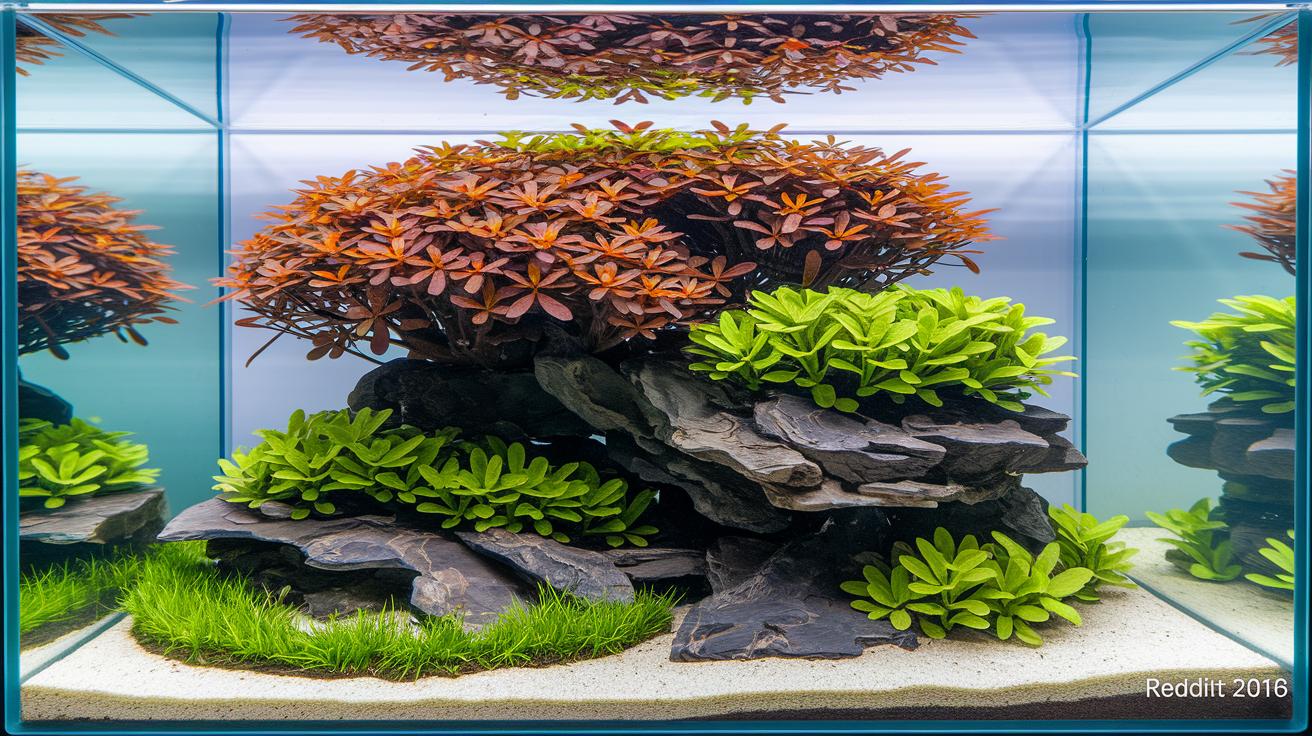
A well-planned aquarium can turn your tank into a calm, underwater haven. By carefully choosing where each plant goes, you create a smooth, natural flow that lets each plant show off its own little sparkle.
Triangle and Wedge Arrangements
Try arranging your plants in triangle or wedge shapes for an engaging view. You might put the tallest plants right in the center or along one side to create a gentle cascade of greenery. Imagine placing tall Vallisneria at the back and layering mid-sized Bacopa in front to add a sense of depth. Grouping them in odd numbers, say, five to seven stems, keeps the look lively and naturally guides your eyes around the tank.
Recessed Corner and Focal Backdrop
Another neat idea is to tuck plants into a corner. This trick not only makes your aquascape seem larger but also cleverly hides any equipment you might not want on display. For instance, a striking red flame sword can sit in a shaded nook, becoming the focal point of your design. Balancing these corner pieces with mid- and foreground elements creates a smooth, inviting flow where every area complements the next, turning your aquarium into a peaceful, cohesive underwater world.
Background aquarium plants Inspire Tranquil Scenes
When picking background plants, think about how your fish behave. Tough, leafy plants such as Crinum calamistratum and Hornwort can handle a nibble from cichlids or goldfish. Their sturdy leaves keep the back of your tank looking calm and undisturbed, much like a peaceful underwater garden.
For smaller tanks, choose background plants that stay compact. Plants like Pearl Weed or Dwarf Ludwigia are great for tiny spaces, such as a 10-gallon setup. Their gentle growth creates a soft backdrop that feels just right in a small world.
If your substrate isn’t very deep, try attaching epiphytes like Java Fern or Anubias to driftwood or rocks. This method helps secure your plants while adding a natural texture that looks great. It’s a smart way to build a lively, natural scene even when you don’t have much substrate.
To create a balanced view, mix taller background plants with shorter midground ones. Placing the taller species behind the shorter ones lets each plant shine in its own way, giving your tank a smooth and natural flow. It’s like setting up layers in an underwater landscape where every plant plays its part.
Final Words
In the action, we explored top background aquarium plants that bring depth and a natural vibe to your tank. We covered plant options, care routines, and layout ideas that work hand in hand with proper lighting, substrate, and CO₂ needs. Small changes, from gentle trimming to knowing your substrate, help maintain a healthy underwater scene. Remember, background aquarium plants not only add beauty but also support a balanced, thriving aquatic environment. Enjoy every moment watching your tank come alive!
FAQ
What are the best background plants for fish tanks?
The best background plants for fish tanks create depth and serve as cozy spots for fish. They include species like Vallisneria, Amazon Sword, and Hornwort, which also improve water quality.
What are good options for beginner-friendly, low-tech background aquarium plants?
Beginner-friendly and low-tech plants such as Java Fern, Anacharis, and Hornwort thrive in simpler setups. They work well under moderate light without needing extra CO₂ or complex care routines.
Which background aquarium plants cope well without supplemental CO₂?
Plants like Vallisneria, Java Fern, and Hornwort manage well without additional CO₂. They naturally take nutrients from the water and maintain steady growth even in low CO₂ setups.
What are ideal options for large or tall background aquarium plants?
Tall species like Jungle Val and Giant Corkscrew can reach over 12 inches, creating a natural backdrop. Their height offers fish hiding spots and gives the tank a picturesque, layered look.
What can I use for an aquarium background and midground design?
A well-blended design uses tall background plants like Vallisneria behind midground choices such as Bacopa or Java Fern. This layering sets a natural scene and enhances tank depth.
What are the best plants for hiding in aquariums?
Thick, lush plants like Amazon Sword and Hornwort provide ideal hiding places for fish. Their dense growth offers security while contributing to a balanced, appealing aquatic setting.
Will any LED light help grow aquarium background plants?
Not every LED light supports all plant needs. LED systems that offer the right light spectrum and intensity encourage healthy plant growth and are best for background species.
Where can I purchase quality background aquarium plants?
Quality background aquarium plants are available at pet stores, aquarium specialty shops, and online retailers. Look for healthy, vibrant plants that match your tank’s lighting and water conditions.