

Have you ever thought about how a pond can help keep mosquitoes away naturally? Imagine little fish heroes zipping around, nibbling on mosquito babies like they’re on a secret mission. A few special fish, like mosquitofish, guppies, and goldfish, not only add bright splashes of color but also gently clear your pond of unwanted pests. Their small yet powerful work makes your watery haven a more peaceful spot for both you and nature.
3 fish that eat mosquito larvae brighten ponds
Mosquitofish are true little warriors of any pond. They can gobble up hundreds of mosquito larvae each day, keeping the water clear and calm. The females reach about 2.5 inches long and live two to three years in pond spaces that are at least 18 inches deep, filled with sunlight and lively aquatic plants. Imagine them darting through the water, nibbling on mosquito larvae like a natural pest controller doing its quiet work.
Guppies bring both a splash of color and a helping fin to your pond. These small, vibrant fish grow to about 1.5 to 2 inches and also live for two to three years. They are quick to snack on mosquito larvae, and their love for warm water makes them a popular choice for pond keepers. It’s pretty charming to think about, they can produce around 80 fry per brood, which means nature keeps your pond balanced without much extra effort.
Goldfish, admired for their beauty as much as their usefulness, play a role in reducing mosquito numbers too. They can grow up to 12 inches long and enjoy long lives of 10 to 20 years. However, if you’re planning to add goldfish, keep in mind they sometimes nibble on tadpoles. Goldfish thrive in deeper ponds; experts suggest a pond of at least 40 inches deep and around 264 gallons for every five fish. This way, your pond is a welcoming home that meets their needs while keeping pesky mosquitoes at bay.
Together, these three fish not only act as natural mosquito controllers but also add a playful, vibrant charm to your pond, a little aquatic community that works in harmony with nature.
Aquarium Fish That Eat Mosquito Larvae

Guppies are tiny yet mighty swimmers that grow to about 1.5 inches for males and 2 inches for females. They live for roughly two to three years and love to snack on mosquito larvae. If you keep them in a tank of at least 5 gallons with a steady temperature, you'll see them turning your aquarium into a lively, natural stage where a mini predator performance takes place.
Betta fish are another fun choice. They do well in shallow tanks with lower oxygen levels and quickly take to hunting mosquito larvae, pupae, and even tiny adult insects. They thrive in warm water, around 76 to 82°F, making them perfect for smaller tanks where their spirited nature shines through.
Zebra Danios are robust little swimmers that can grow up to 2 inches long. They handle cooler waters, tolerating temperatures as low as 50°F. These fish need a tank of at least 10 gallons to spread out, and watching them school together adds a charming visual display as they help keep larvae numbers down.
Tiger Barbs, a lively type of barb, reach sizes between 2 and 3 inches. As omnivores, they happily include larvae in their diet. They need a bigger tank, at least 20 gallons, filled with plenty of hiding spots to feel right at home and show off their natural energy.
Pygmy Sunfish and American Flagfish are small darter-type killifish, typically around 1 to 2 inches long. These active little feeders excel at cleaning up mosquito larvae and stay busy even in tanks that aren’t heated, adding both function and flair to your aquatic setup.
Habitat and Water Conditions for Mosquito Larvae Eaters
Creating the ideal home for your mosquito larvae eaters is a bit like setting up a little underwater paradise. For example, guppies and bettas love water that stays between 70°F and 85°F, while zebra danios do just fine in cooler water around 50°F to 55°F. Minnows feel most comfortable when the water is between 60°F and 75°F, keeping them lively as they hunt for their snacks.
Pond depth and size are also important. Mosquitofish need a pond that is at least 18 inches deep, whereas koi enjoy a pond around 3 feet deep. Other fish, like golden orfe, need plenty of space to swim around and chase down their meals, a group of golden orfe thrives in a pond of about 264 gallons.
Oxygen and water flow play their own role too. Fish such as golden orfe prefer water rich in oxygen with a gentle current, while bettas are happiest in calm or slowly moving water.
Adding plants brings another layer of comfort. Tall plants like cattails and water lilies offer shade and safe spots, and floating plants like duckweed naturally gather mosquito larvae into easy-to-find clusters. Plus, keeping the water balanced is key, most fish enjoy a neutral to slightly alkaline pH of 7.0 to 8.0 and a hardness of around 100 to 250 ppm, though softer water works better for pygmy sunfish.
Setting up your tank or pond is really about creating a perfect little world for your fish. Ever notice how calming it is to watch light dance on the water while your aquatic friends happily go about their day?
Profiles of Pond & Aquarium Fish That Eat Mosquito Larvae

If you're looking to naturally reduce mosquito nuisances, check out this easy guide. Here you'll find a mix of pond and aquarium fish that love snacking on mosquito larvae. We’ve put together a simple comparison that shows how many larvae each fish can eat in a day, the comfy water temperature range they enjoy, and the minimum space they need to swim happily.
| Species | Environment | Daily Larvae Consumed | Water Temperature Range | Minimum Habitat Size |
|---|---|---|---|---|
| Mosquitofish | Pond | 100–300 | 60–82°F | ≥18″ depth |
| Guppy | Aquarium | 50–100 | 72–82°F | ≥5 gal |
| Goldfish | Pond | 20–50 | 65–75°F | ≥40″ depth |
| Zebra Danio | Aquarium | 40–70 | 65–80°F | ≥10 gal |
| Betta | Aquarium | 30–40 | 76–82°F | ≥2.5 gal |
This guide is a friendly resource for anyone wanting to control mosquito larvae in a natural way. From the energetic mosquitofish swimming in your pond to the spirited bettas living in an aquarium, there’s a perfect fish for any water setting. By comparing how much each fish eats and the temperatures they thrive in, you can choose the right fish to help keep those pesky mosquitoes in check. Isn’t it neat how a few fish can create such a balanced, natural system?
Steps to Introduce Larvae-Eating Fish to Your Pond
Step 1: Assess Pond Parameters
Begin by checking your pond's basic features like its depth, total volume, water temperature, and pH. Note down any wildlife already living there. For instance, if your pond is about 18 inches deep with a neutral pH, it's a friendly home for fish like mosquitofish without needing extra tweaks.
Step 2: Select Compatible Species
Pick fish that suit your pond's size and the local climate. It's best to choose native or non-invasive species that naturally thrive in your water conditions. Think of it like choosing the perfect ingredient for your favorite recipe, each fish adds its own special flavor.
Step 3: Acclimate New Fish
Before releasing the new fish into your pond, let them settle in a floating bag for 15 to 20 minutes. Every 5 minutes, add a little pond water into the bag over a 30-minute period. This gradual process lets them adjust gently to changes in temperature and pH.
Step 4: Stock at Proper Density
To keep pesky larvae in check, aim to add about 1 or 2 mosquitofish for every 10 square feet of your pond's surface. If you're including other species, adjust the numbers to ensure a balanced, happy environment.
Step 5: Monitor & Maintain
Keep an eye on the number of mosquito larvae and check your water quality every month. Tweak the fish numbers if you need to, so your pond stays balanced and continues to be an effective little ecosystem.
Ecological and Regulatory Considerations for Fish That Eat Mosquito Larvae
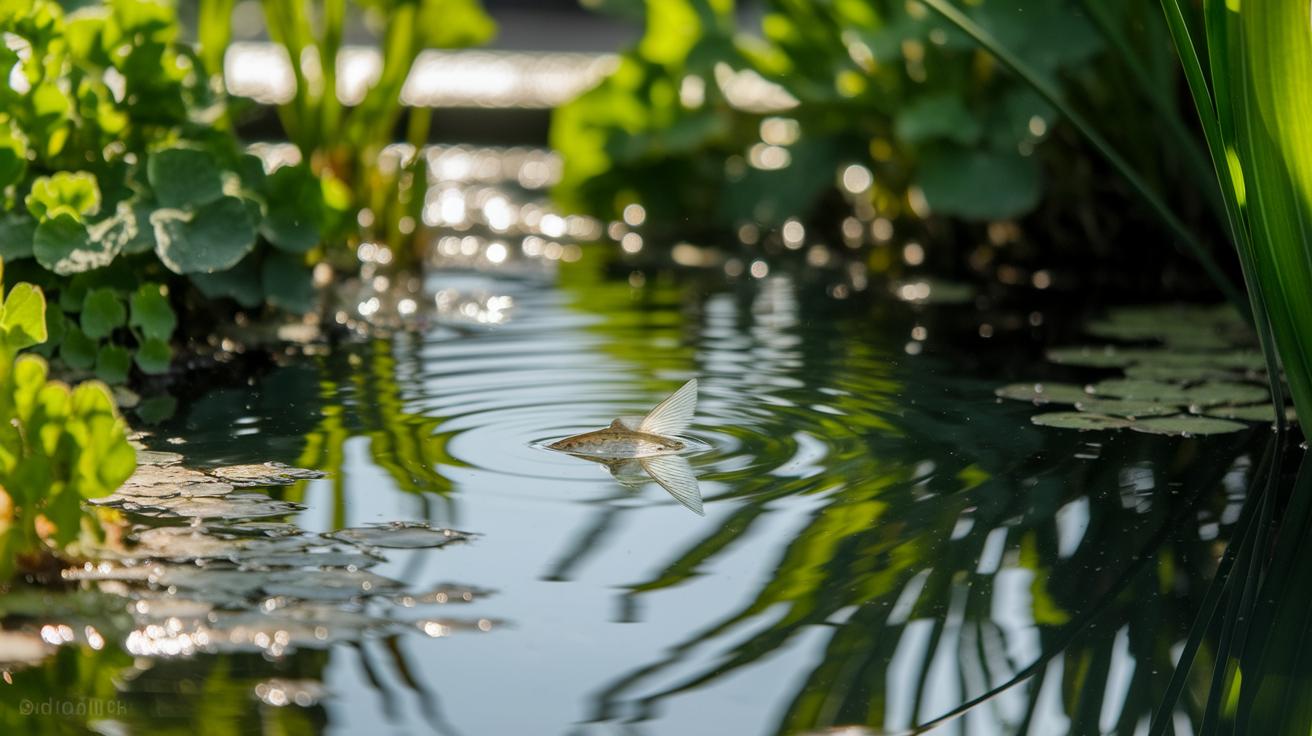
Using fish to munch on mosquito larvae can be a neat, natural trick. It cuts down on pesky bugs without resorting to chemicals and helps keep nature in balance. But, like any big idea, there are a few legal and ecological curves to watch out for. For instance, while goldfish do a great job eating larvae, they sometimes nibble on tadpoles too.
Mosquitofish are another popular choice that can drop mosquito numbers by as much as 60 to 90 percent when paired with smart habitat care. Still, if left unchecked, they might also lower the number of young amphibians in your pond. This is why some states have rules or even bans for non-native species like Gambusia, since they can upset local ecosystems.
It’s always smart to check with your local wildlife agency before adding any new fish to your pond. Native species, such as pygmy sunfish and American flagfish, usually pose fewer risks and help boost biodiversity in North American ponds.
Taking these points into account helps you keep a balanced ecosystem that does more than just fight mosquitoes. With a bit of care and thoughtful planning, using fish for mosquito control can create lively, healthy aquatic spaces that protect all inhabitants while keeping nature working in harmony.
Final Words
In the action, we reviewed how various pond and aquarium species help keep your water healthy by eating mosquito larvae. We touched on the benefits of using mosquitofish, guppies, goldfish, and others, and shared easy steps to create the ideal habitat. We also looked at legal and ecological aspects, highlighting ways to maintain balance in your pond or tank. With these fish that eat mosquito larvae, your underwater space becomes more comfortable, inviting, and safe, a win for both nature and your aquatic pets.
FAQ
Mosquito fish for sale
Looking for mosquito fish for sale means finding mosquitofish, which are lauded for their ability to gobble up hundreds of mosquito larvae daily, making them a natural choice for pond pest control.
Fish that eat mosquito larvae reddit
Discussions on Reddit about fish that eat mosquito larvae often highlight species like guppies, mosquitofish, and goldfish due to their efficiency in reducing larval mosquitoes and offering natural water treatments.
Aquarium fish that eat mosquito larvae
Aquarium fish such as guppies, bettas, zebra danios, and tiger barbs readily eat mosquito larvae, helping control unwanted pests in your tank and providing an enjoyable natural biocontrol method.
Do goldfish eat mosquito larvae
Goldfish do eat mosquito larvae, though they might also pick at tadpoles. This makes them effective for mosquito control in ponds while requiring careful planning if amphibians share the habitat.
Fish that eat mosquito larvae in California
In California, residents often use native options like guppies and mosquitofish for mosquito control. These fish naturally consume larvae, though local regulations should be checked before stocking ponds.
Guppy fish eat mosquito larvae
Guppy fish eat mosquito larvae efficiently, making them a popular choice for aquariums and small ponds. Their fast-paced feeding habits help reduce mosquito populations swiftly in confined water environments.
Do mosquito fish eat their babies
Mosquito fish, or mosquitofish, sometimes eat their young. This behavior helps manage their population in confined spaces, ensuring that resources are kept in balance for survival in a limited habitat.
What do mosquito fish eat besides mosquitoes
Beyond mosquito larvae, mosquito fish eat various small insects and organic matter. Their broader diet contributes to cleaner water conditions while giving a helpful boost to natural pest control.
What kind of fish will eat mosquito larvae
Fish that eat mosquito larvae include mosquitofish, guppies, goldfish, zebra danios, and bettas. Each species offers a natural, ready-to-use solution for reducing larval mosquitoes in different aquatic settings.
What fish eat mosquito larvae but not tadpoles
Guppies are known for primarily eating mosquito larvae while generally sparing tadpoles. Their selective feeding makes them ideal for ponds where preserving amphibian life is important.
Do goldfish and koi eat mosquito larvae
Both goldfish and koi eat mosquito larvae, providing natural control over these pests. However, goldfish tend to be less selective and might predate on tadpoles, so pond conditions should be managed accordingly.
What fish keep mosquitoes away
Fish such as mosquitofish, guppies, and goldfish help keep mosquitoes away by consuming their larvae. This natural approach to pest control leads to fewer adult mosquitoes and a calmer aquatic environment.