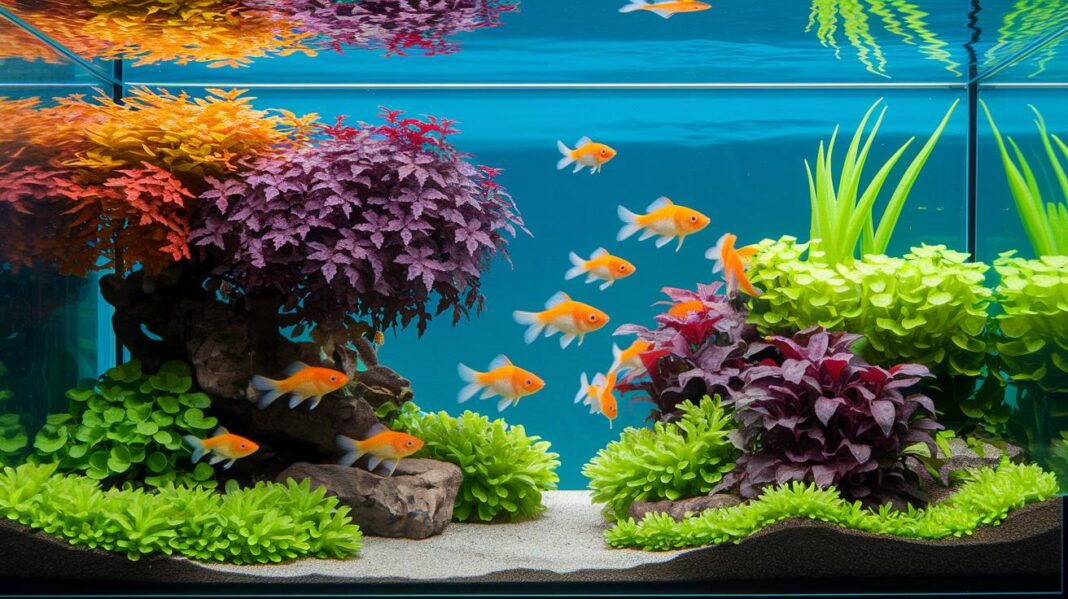

Ever wondered if your aquarium plants can handle your goldfish's little nibbles? You're not alone; many fish lovers worry that their delicate greens might not survive the playful bites.
Luckily, there are hardy plants that add a splash of color while helping to keep your tank water clean and clear. In our chat today, I'll share some favorite picks, like the charming Marimo Moss Balls and the resilient Java Fern, that create a lively and safe space in your aquarium.
Sit back and imagine the gentle ripple of water as these plants bring life and calm to your home. Isn't it cool when nature and care blend so seamlessly?
Essential Aquarium Plants for Goldfish Tanks
Goldfish are gentle souls, yet they can be quite energetic as they explore their watery home. Choosing the right plants for your tank is important because they not only add beauty but also stand up to your fish’s playful nudges. Marimo Moss Balls are a great pick. They naturally filter out nitrates from the water and serve as fun little toys for your goldfish. They can happily live in waters between 5°C and 30°C, making them tough and forgiving.
Anubias, especially the Anubias Nana variety, is another favorite among beginners. Its thick base can be easily tied to a rock or driftwood without much fuss, and it does well even in low-light corners of the tank. Java Fern is another friendly plant choice. It comes in types like regular, Windelov, or Narrow Leaf, and doesn’t even need soil. You just clip it onto your tank decorations and let it thrive with its sturdy leaves that resist being nibbled.
If you enjoy a bit more texture in your tank, Bolbitis Fern, sometimes known as African Water Fern, is a wonderful option. It creates lush, emerald clusters and prefers a pH between 7 to 8, along with a little weekly boost of liquid fertilizer in low to medium light. For a tall, eye-catching display, Crinum calamistratum is hard to beat. With its strong, bulbous base and leaves that can grow up to 1.2 meters, it works best in hard, alkaline water, especially when cradled by a simple ring of rocks to keep it safe from curious fish bites.
For a well-rounded aquatic scene, add Vallisneria. Its long, ribbon-like leaves not only absorb extra nutrients but also set a nice backdrop for your tank. Complement that with Hygrophila aristata, which brings large, resilient leaves to the midground, rounding out your aquatic setup.
| Plant | Key Features |
|---|---|
| Marimo Moss Balls | Filters nitrates and doubles as a playful fixture |
| Anubias Nana | Grows well in low light and anchors easily to decor |
| Java Fern | Clips onto driftwood with rugged leaves that are hard to nibble |
| Bolbitis Fern | Adds textured emerald clusters and thrives with liquid fertilizer |
| Crinum calamistratum | Tall, robust plant ideal for hard, alkaline water |
| Vallisneria | Long, ribbon-like leaves that absorb nutrients |
| Hygrophila aristata | Hardy plant offering a leafy midground contrast |
Essential Aquarium Plants: Low-Maintenance Options
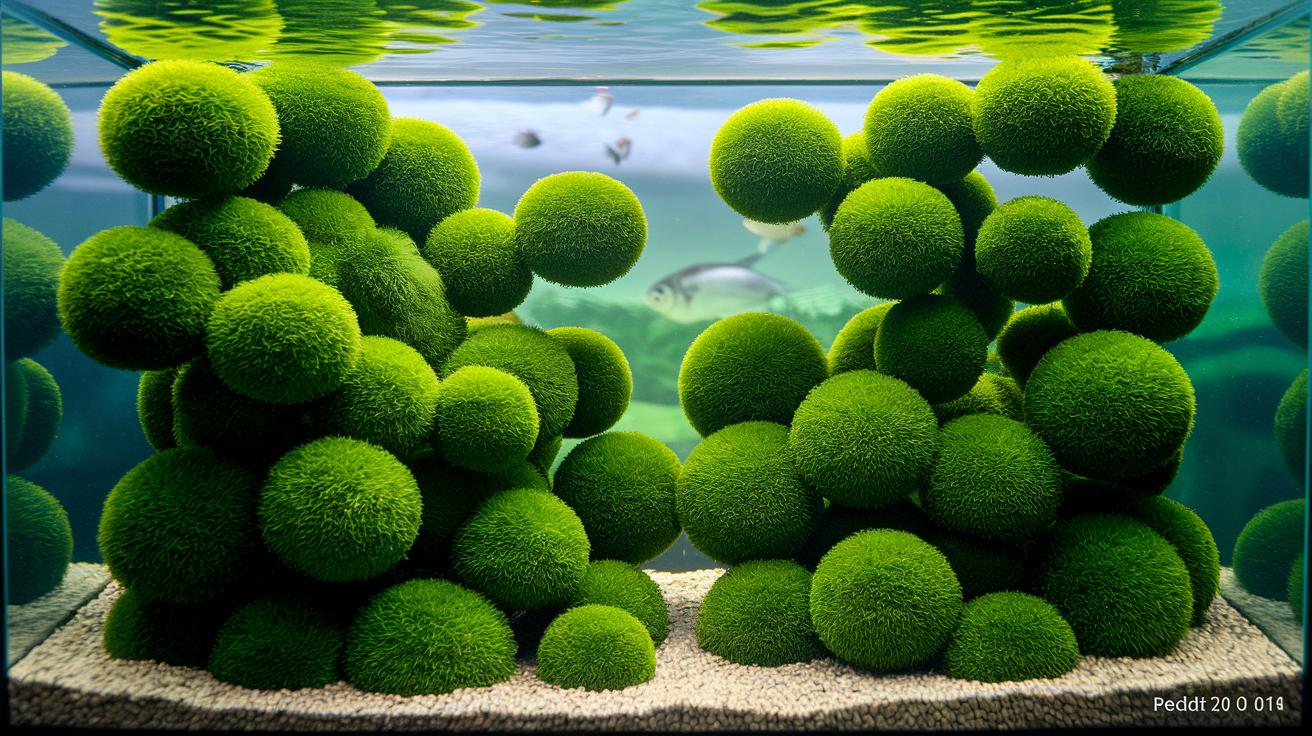
If you're just starting out, these water plants bring natural charm to your tank with hardly any extra work. They do well with soft light and easily attach to your favorite decorations.
Marimo Moss Balls are a delight. They only need gentle light and a monthly swirl, a little treat like a mini spa day. I've even heard some aquarists mention that a single Marimo seems to enjoy its own spa moment after a soft swirl.
Anubias and Java Fern are also perfect for low-light tanks. Anubias attaches to driftwood or rocks, keeping its thick base above the gravel to avoid decay. Java Fern, on the other hand, clips onto decorations and just needs a trim of its old leaves to keep it thriving.
Bolbitis Fern, with its beautifully textured leaves, is usually secured with a bit of super glue gel. It also enjoys a weekly splash of liquid fertilizer to help it grow steadily.
| Plant | Light Level | Substrate/Attachment | Care Difficulty |
|---|---|---|---|
| Marimo Moss Balls | Minimal | Free-floating | Easy |
| Anubias | Low | Tied to décor | Easy |
| Java Fern | Low | Clipped to wood/rock | Easy |
| Bolbitis Fern | Low to Medium | Attached with glue gel | Moderate |
Oxygenating and Filtration Plants in Goldfish Aquariums
Vallisneria has long, flowing leaves that gently ripple behind your tank décor. It helps boost oxygen levels as it sways and soaks up extra nitrates from the water. It’s almost like turning your aquarium into a natural oxygen maker, pretty cool, right?
Marimo Moss Balls are quiet workhorses that keep your water clean. They slowly grow while munching on ammonia and nitrates. Imagine a little green ball dancing around as goldfish nudge it, simple and effective.
Christmas, Peacock, and Flame Moss are also great picks. They grow fast and stick well to driftwood or rocks. Even if your goldfish nibble at them, they bounce back quickly, keeping your tank green and lively, just like a fresh carpet of nature.
Hygrophila aristata stands out with its large, sturdy leaves. It works hard to filter the water and adds depth right in the middle of your tank. Think of it as the reliable friend in your aquarium, always there to balance the scene and keep everything in harmony.
Aquarium Plants for Goldfish Tank: Brilliant, Safe Picks
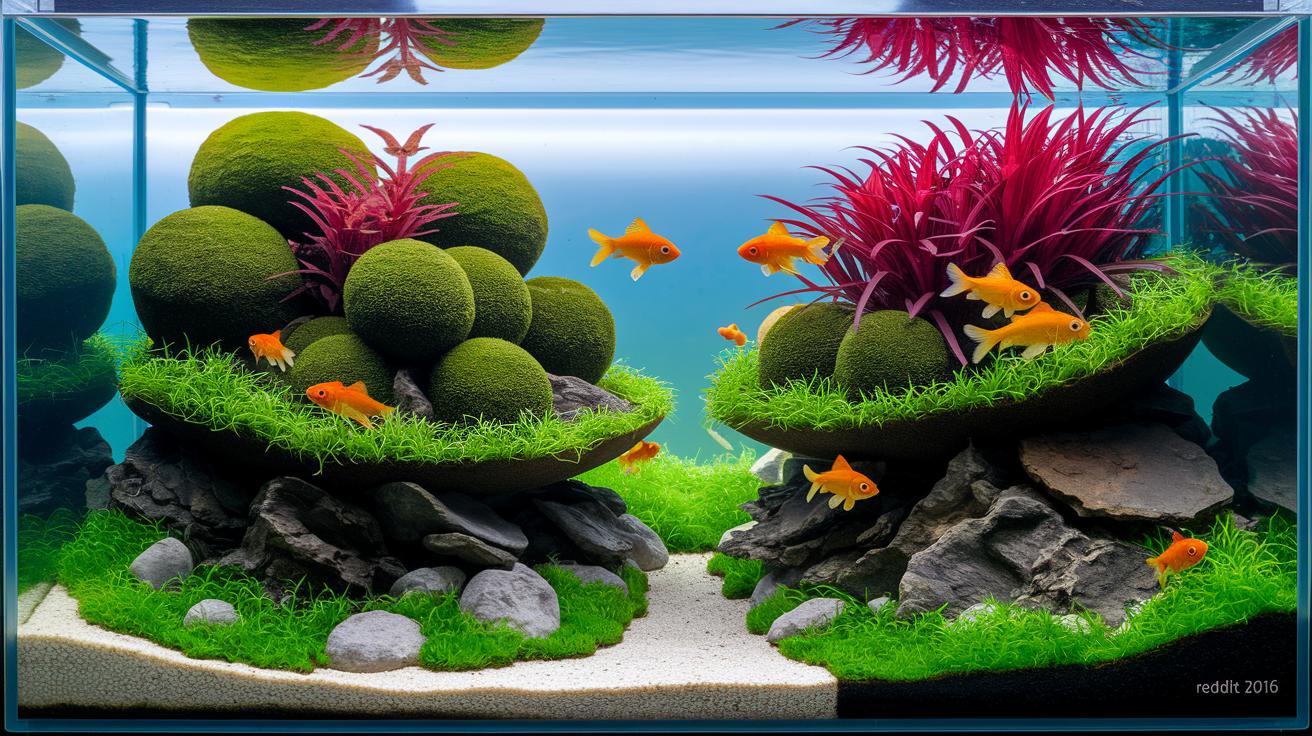
When you set up your tank, think about different zones like layers in an underwater quilt. In the front, try using Marimo Moss Balls or Christmas Moss. These soft, low plants add a playful touch, letting your goldfish explore without upsetting the plants. Imagine your little fish gently nudging a green ball; it’s like watching nature’s own art.
Now, let's shift to the middle area. Plants such as Blyxa japonica work best when you anchor them with a few small gravel pieces. Its thin, flowing strands add a burst of lush color while groups of Hygrophila aristata offer bright, cheerful patches of green. These mid-level plants fill in gaps nicely and bring a balanced feel to your tank.
Finally, reserve the back for taller, sturdy species. Vallisneria stalks grow upward like nature’s curtain, hiding equipment and adding extra oxygen for your fish. Crinum calamistratum, with its long, crinkly leaves, makes a striking backdrop that keeps the view balanced and interesting.
Layering these plants creates a lively and safe aquascape that is both eye-catching and perfect for a dynamic goldfish home.
Protecting and Securing Aquarium Plants for Goldfish Tanks
Goldfish can easily bump into or dig around your plants, so it's smart to try some creative securing techniques. Instead of just placing stones around, tuck bulbs like Crinum deeper into a cozy pocket of substrate. This extra layer not only stops those fishy digs but also helps the roots grow strong and healthy.
For tougher plants like Anubias or Java Fern, give a little test run with a dab of aquarium-safe silicone on a small branch. This trick keeps the plant in place while still letting it sway naturally, without relying too much on sticky fixes.
If you’re working with delicate species like moss mats, consider using a light, water-resistant netting. This net gently cradles the plant, letting it move with the water while preventing damage from too much weight.
For those fast-growing greens, forming a mound with a blend of clay pebbles and substrate might be the best bet. It holds the plant steady without smothering its growth or needing constant upkeep.
- Bury bulbs in snug, deeper substrate pockets.
- Test a little aquarium-safe silicone on small branches.
- Use soft, water-resistant netting for delicate mats.
- Build substrate mounds with clay pebbles for fast growers.
Aquarium Plant Care Tips and Substrate Options for Goldfish Tanks
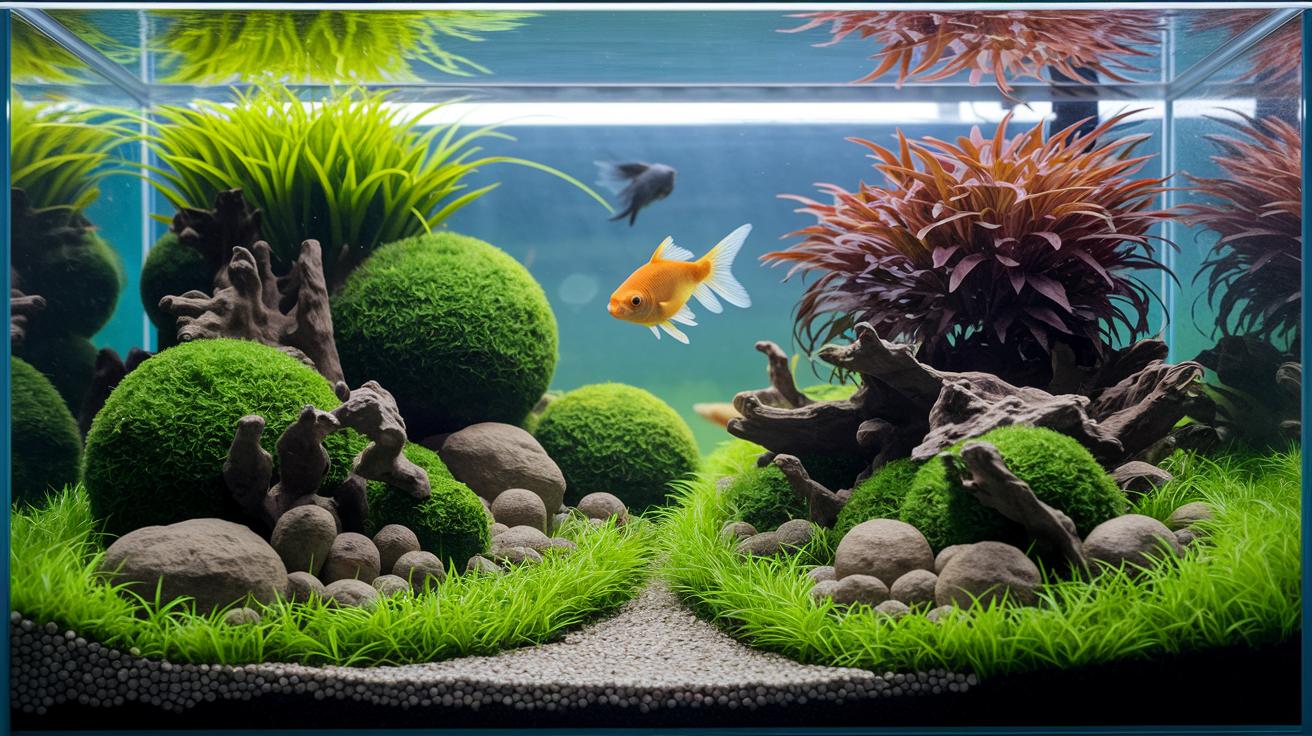
Choosing the right base for your tank is your first step. Fine gravel or sand works great because it stops your goldfish from burrowing too much, which helps your plant roots stay put. For a nutrient boost, try placing root tabs or using a nutrient-rich layer beneath a calm cap of inert gravel. This setup holds your plants steady and slowly feeds them the goodness they need. For quality supplies, check out freshwater aquarium supplies.
Taking care of your underwater garden means a bit of routine work. A weekly dose of liquid fertilizer really helps plants like bolbitis and hygrophila grow strong and lush. They enjoy this steady nutrient flow, which also helps them mop up extra nutrients from fish waste, keeping your water clear and healthy.
Simple daily tasks can make a big difference. Every month, gently swirl your Marimo Moss Balls in a bucket of tank water to clear away any debris. And when it comes to java fern, a quick trim at the base gives the plant a chance to grow fresh leaves without crowding out the old ones.
| Tip | Why It Helps |
|---|---|
| Fine gravel or sand base | Prevents goldfish from disturbing plant roots |
| Root tabs or nutrient substrate under gravel cap | Slowly releases nutrients for a steady plant boost |
| Weekly liquid fertilizer | Keeps bolbitis and hygrophila growing lush and healthy |
| Monthly swirl for Marimo Moss Balls | Gently cleans away debris without harming the plant |
| Trim java fern at the base | Encourages fresh growth and prevents overcrowding |
Health Benefits of Aquarium Plants for Goldfish Tank Ecosystems
Try adding a mix of live plants to your tank to give your goldfish a fun space to explore. Instead of only talking about water quality, think about how different plant types can create playful areas where your fish can swim and hide, just like tiny underwater hideaways.
Marimo Moss Balls are especially fun because they spark natural curiosity. Picture a goldfish gently nudging a moss ball around among its leafy friends, it’s like watching a mini underwater performance that brings the tank to life.
By placing plants in thoughtful spots, you can create cozy areas for both roaming and relaxing. This setup not only makes the tank more interesting but might also encourage your goldfish to act a little more spirited each day.
Final Words
In the action, we explored how the right aquatic flora can boost your tank’s health and beauty. We touched on hardy species like Marimo Moss Balls, Anubias, and Vallisneria that not only decorate but also enrich the environment for your fish.
Our tips helped showcase ways to keep live decor safe and thriving. With clear guidance on substrate choices, care routines, and plant placement, your aquarium plants for goldfish tank can flourish into a lively, balanced haven. Enjoy crafting your underwater retreat!
FAQ
What are the best aquarium plants for a goldfish tank?
The best aquarium plants for goldfish tanks include hardy species like Marimo moss balls, Anubias, and Java fern. They offer natural filtration, visual interest, and support goldfish behavior.
Which plants provide oxygen and natural filtration for goldfish tanks?
The oxygen plants for goldfish such as Vallisneria and Marimo moss balls boost dissolved oxygen and absorb waste, improving water quality and creating a healthier environment for your fish.
What small and low-light aquarium plants work well in a goldfish tank?
The small aquarium plants for goldfish tanks include Java fern and Cryptocoryne, which thrive under low-light conditions while adding texture and color to your aquatic setup.
Are floating plants like duckweeds safe to use in a goldfish tank?
The best floating plants for a goldfish tank, like duckweeds, provide shade and algae control while remaining safe for goldfish, enhancing the natural feel of the aquarium.
Do goldfish appreciate tanks with live plants or heavily planted setups?
The presence of live plants in a goldfish tank offers enrichment and hiding spots. Goldfish enjoy both lightly and heavily planted tanks as they mimic natural habitats and reduce stress.
Can I incorporate live house plants in my fish aquarium?
The house plants best suited for aquariums are actually aquatic species such as Java moss or Anubias, which are designed for submerged environments rather than typical terrestrial houseplants.
How do species like Anubias, Marimo, Coontail, Java moss, and Cryptocoryne perform in a goldfish tank?
The species mentioned perform well in goldfish tanks. Marimo moss balls naturally filter nitrates, while Anubias and Java moss withstand nibbling, ensuring a robust and lively aquatic landscape.