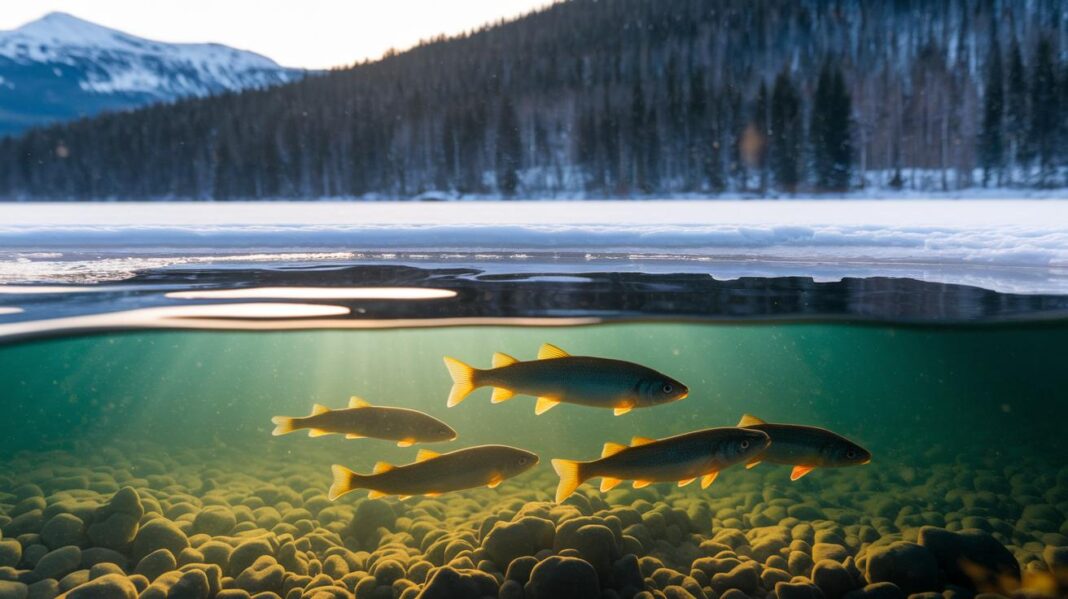

Ever wonder how fish keep thriving even when ice covers the water? It’s like they have their own cozy underwater hideaway. Beneath that frozen surface, a warm layer of water acts like a secret haven, just waiting for them.
When water gets really cold, it becomes heavier just above the freezing point and sinks, which leaves the top free to freeze. Fish even slow down their body functions to save energy, kind of like how we shiver and take our time on a chilly day. Let’s dive into these natural tricks that help fish stay safe and active under a thick sheet of ice.
Physics of Ice Formation and Liquid Refugia in Frozen Lakes
Water can be quite surprising, especially when winter comes. When the temperature drops, water cools down until it reaches 4 °C, its heaviest state. At that point, things start to get odd. Water colder than 4 °C becomes lighter so it moves up to the surface, where it eventually freezes into a natural ice blanket. Ever notice how the coldest water actually floats on top during winter?
At the same time, the denser water at 4 °C sinks to the bottom and stays liquid. This unique trick gives fish a safe spot to hide even under thick ice. In deeper lakes, the weight of the water on top helps the bottom layers resist freezing, even when it hits 0 °C. So, most natural lakes never freeze completely, leaving pockets of warmer water below.
This layered setup, known as thermal stratification, makes a big difference. The ice on top acts like a cozy cover, keeping the liquid water below protected from the harsh cold. It creates a perfect environment for aquatic life during the winter months. Fish can swim happily in these stable areas, safe from the dangers of a frozen surface.
Metabolic Slowdown and Cold-Blooded Adaptation in Winter Fish
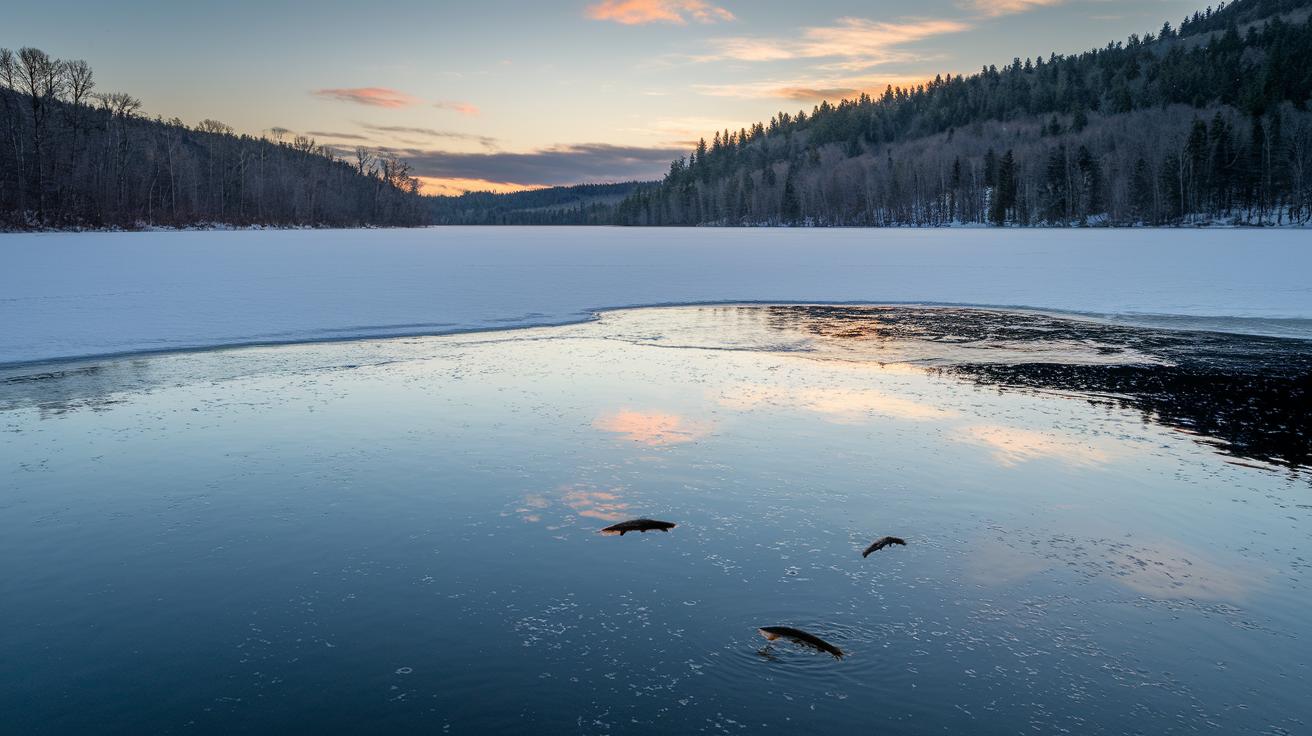
Fish are cold-blooded, which means their body temperature matches the water around them. When winter comes and lakes start to freeze, our finned friends slow things down a lot. Their heartbeats beat more slowly, and they move less, kind of like switching to energy-saving mode on your phone during a long day. Ever notice how you feel slower on chilly mornings? It’s a bit like that.
In cold water, the enzymes inside fish work at a slower pace. Enzymes are little helpers in their bodies that make reactions happen, like turning food into energy. With these enzymes working more slowly, fish need less oxygen and can keep going even when it’s super cold. They breathe more gently and less often, which helps them save energy.
Every slow heartbeat and careful gulp of water is part of a balancing act that lets fish live through the freezing months. By reducing the need for food and oxygen, these smart swimmers can hang on using fewer resources until the water thaws again. It’s a cool natural trick that keeps them safe and strong even in icy conditions.
Under-Ice Oxygen Dynamics and Respiratory Challenges
When winter sets in and ice covers a lake, the underwater world goes through some big changes. The thick ice stops sunlight from reaching aquatic plants, so they produce much less oxygen. With less photosynthesis and slowed gas movement because of the ice, the water can end up holding 30–50% less dissolved oxygen than open water.
Fish really feel the effects. Their gills, which work like natural filters to grab oxygen, struggle to find enough in these conditions. Spending long hours in the cold can even hurt their delicate gill structures, making breathing tougher, imagine trying to sip through a tiny straw when you’re really parched!
To cope, fish slow down their metabolism and movements. This energy-saving trick helps reduce their oxygen needs, much like taking slow, calm breaths when you’re tired. Their bodies enter a state similar to hibernation, carefully balancing the need to conserve energy while still keeping them alive under a frozen surface.
Key factors that lower oxygen under the ice include:
- Reduced oxygen output from aquatic plants due to lack of light
- Limited gas exchange because of the ice cover
- Stable water layers that prevent proper mixing
- Fish's own metabolic slowdown to save energy
By cutting down their oxygen use and adapting to the limited supply, fish manage to ride out the harsh winter hidden beneath the ice.
Ice Cover as Natural Insulation in Frozen Lakes
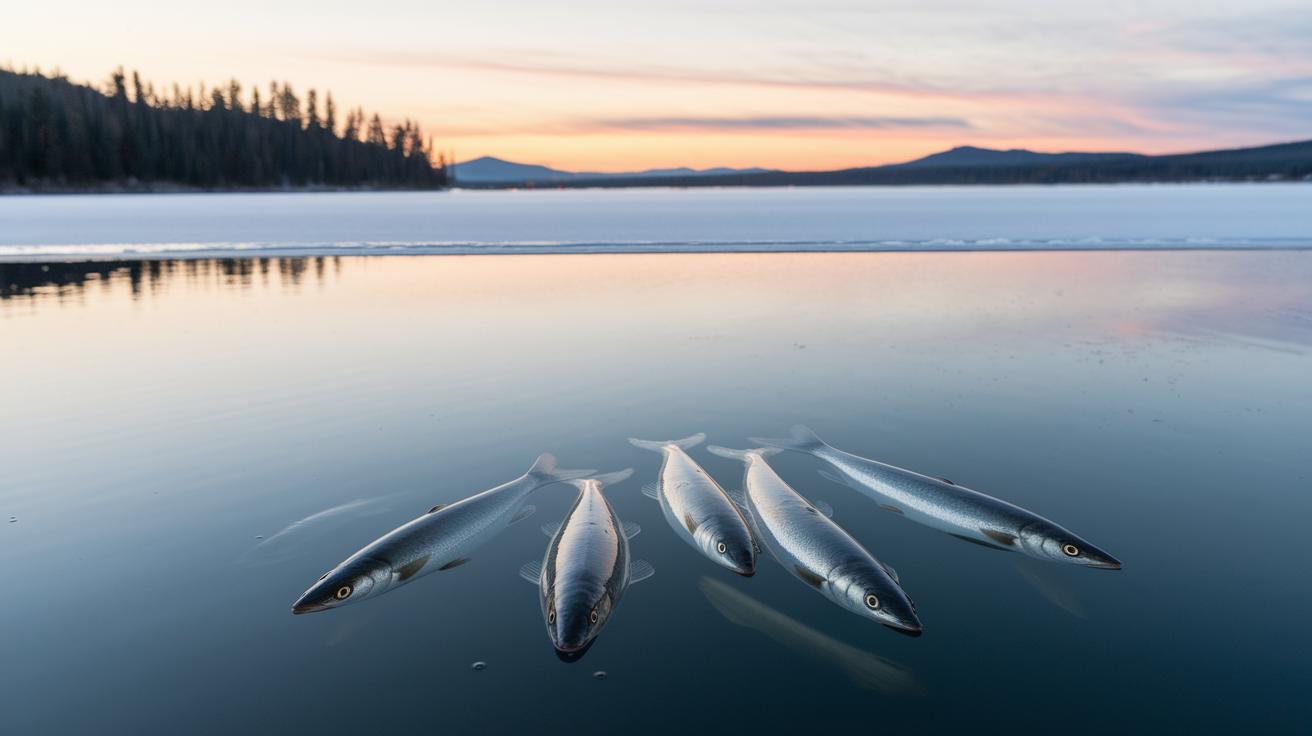
The wake of endless ice keeps the water around a snug 4 °C, giving fish and other creatures a cozy home. It acts like a solid roof, blocking the cold wind so heat and oxygen stay put. Imagine a staid, protective canopy that lets the water rest calmly and safely.
Keeping the ice whole is key for keeping oxygen levels up. If a little crack forms, the wind can mix the water below, which can make oxygen drop quickly and disturb the fish. In one study, even a brief break in the ice led to a sharp dip in oxygen that changed fish behavior in an instant, showing just how vital a stable ice layer is during the coldest months.
So, the ice does double duty: it holds in warmth like a comfy blanket and shields the water from wind that could upset the calm below. This special barrier ensures that aquatic life thrives when the world outside shivers in the chill.
Behavioral Adaptations: Schooling and Reduced Activity
When winter turns the lake into a frozen wonderland, fish switch up their behavior to save energy. Deep in the calm waters, they gather together like old friends reconnecting, easing into a slow, relaxed state that saves every bit of energy.
It’s much like those cold mornings when even the tiniest stretch feels like a lot of work. Their fins flutter less, and they drift gently through the water instead of zipping around. Even though moving this slowly conserves energy, researchers note that it can make them easier targets for predators. Still, hanging out together in deep, steady water helps keep them safer.
| Key Winter Behaviors |
|---|
| Deep-water schooling |
| Minimal fin movement |
| Seeking thermally stable microhabitats |
This smart adjustment in their routine shows how these aquatic friends ride out the harsh, icy months with just the right balance of caution and community.
Biochemical Adaptations: Antifreeze Proteins in Fish
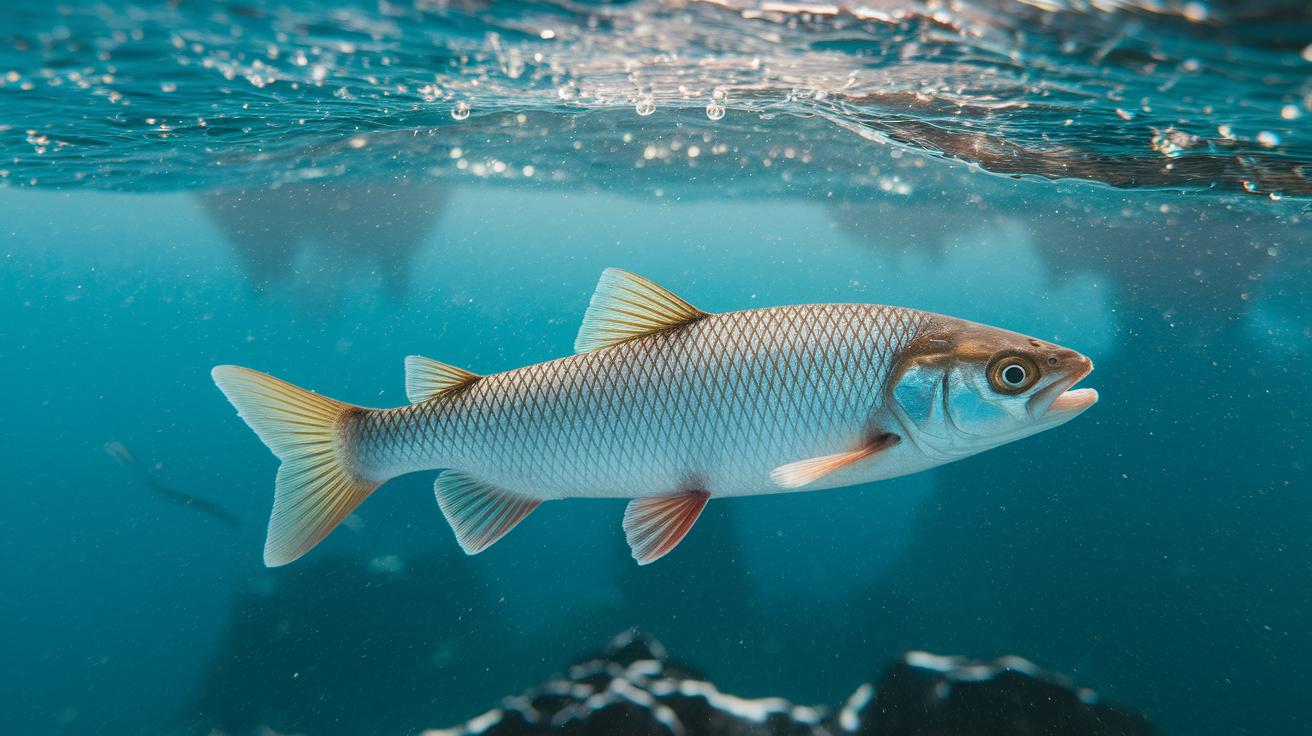
Some fish have a neat trick up their fins – they produce antifreeze proteins. These natural marvels latch onto tiny ice bits in their fluids, stopping them from growing into dangerous chunks that could harm cell walls. When the water chills, these proteins lower the freezing point inside the fish by about 1–2°C, which is just enough to keep the ice from taking over vital tissues.
Imagine your freezer where a small change in temperature stops your food from freezing solid. In icy waters, these proteins work like an in-built defense system, keeping every little ice nugget from turning into a giant, harmful shard. It’s a clever strategy that lets fish thrive even when the surroundings seem too harsh for life.
Since fish are cold-blooded, their body temperature follows the water around them. Without these proteins, the water inside their cells could freeze, leading to serious damage. Instead, antifreeze proteins attach themselves to the tiniest seeds of ice, halting any risky expansion. This way, even if the water outside is well below zero, the inner world of their cells stays safely liquid.
A lot of fish in frozen lakes or Arctic regions naturally produce these proteins. Their ability to fine-tune the freezing point is a perfect example of nature’s resourcefulness, ensuring that life goes on even when winter feels unbeatable.
Limits to Survival: Risks of Complete Lake Freeze
Fish can hang on during winter when a thin layer of water stays liquid at the bottom of a lake. But if the entire lake freezes solid, things can turn very dangerous for them. Without any liquid water, fish lose access to the dissolved oxygen they need, and that oxygen is like their life support.
When the ice covers the lake for a long time, the oxygen slowly drops to levels that the fish can no longer manage. Their gills may even get harmed by the cold, and without enough oxygen, even a decreased metabolism cannot keep them going. It feels a bit like trying to breathe while holding your breath underwater.
Nature usually leaves a small patch of liquid water in a frozen lake, offering a safe spot for aquatic life. But in those rare moments when the whole lake turns solid, even the most adapted fish find themselves overwhelmed. This reminds us that nature, for all its beauty and mystery, does have its limits.
Final Words
In the action, we explored water’s unique properties that let deep, liquid refuges form beneath a chilly ice cover. We looked at how fish slow their metabolism, adapt their breathing, and even use special proteins to stay safe. We also touched on their calming behaviors that help conserve energy during the colder months. Each part of this process comes together to answer the question: how do fish survive in frozen lakes? Nature’s clever design leaves us with hope and a smile on our face.
FAQ
How do fish survive in frozen lakes in winter?
The fish survive in frozen lakes by living in the liquid water below the ice, where water’s unique density keeps it around 4 °C. They slow their metabolism to save energy and cope with low oxygen.
How do fish breathe in frozen lakes?
The fish breathe in frozen lakes by slowing their breathing as oxygen drops beneath the ice. The deeper water still holds enough oxygen for their reduced needs during winter.
Can fish survive being frozen in lakes?
Fish do not truly freeze to the point of revival. They enter a torpor state in the unfrozen deeper waters; complete freezing damages their cells, making survival unlikely.
What factors influence oxygen levels under the ice in frozen lakes?
Oxygen levels under ice are affected by several factors, including:
- Reduced photosynthetic O₂ output
- Limited gas exchange through ice
- Stable thermal stratification preventing mixing
- Lower fish O₂ demand via metabolic suppression
How do fish manage their metabolism in cold water?
Fish lower their metabolism in cold water by decreasing heart rate and activity. This torpor-like state reduces their need for oxygen and food, helping them survive the winter months.