
Have you ever realized that the wrong water pump could throw your aquarium off balance? Picking the right powerhead is important to keep your fish cheerful and your plants blooming.
Think of it like this: imagine a soft current running through your tank, gently refreshing every part of it. This little change could make your underwater home much healthier and happier for all your aquatic pals.
In this post, we'll explain the process clearly and simply, helping you choose a pump that fits your tank’s unique needs. Ready to dive in and create a beautiful, balanced aquatic world?
Assessing Your Aquarium Powerhead Requirements
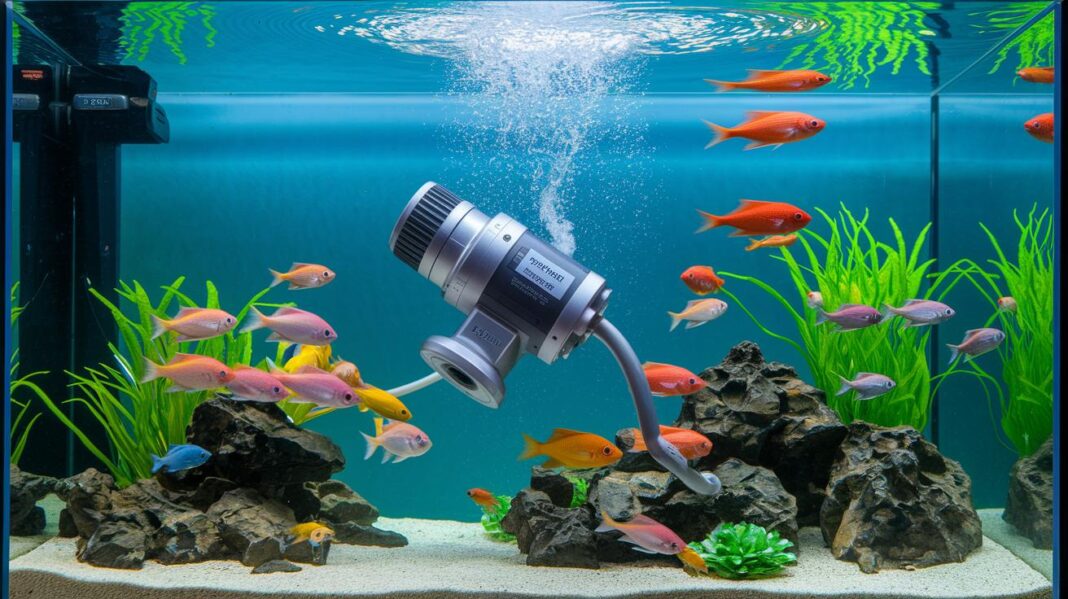
A powerhead is a water pump that sits in your tank to keep the water moving and clean. For a freshwater tank, you should aim for the water to turn over four times each hour. So if you have a 100-gallon tank, the pump needs to move about 400 gallons per hour. Picture the soft current gently refreshing every corner of your tank, this smooth flow is key for both your fish and plants.
In reef tanks, the water needs to move even more, around six to ten times per hour. For instance, a 75-gallon reef tank would need a pump that moves at least 450 gallons per hour. Imagine a scene where every ripple carries life-supporting energy to delicate corals; this robust flow can be the difference between thriving and stressed marine life.
Different species might react differently to strong currents. Some fish and plants can feel overwhelmed if the water runs too fast. To ease a vigorous current, you could choose a pump with a lower rating, attach a spray bar, or direct the water against a tank wall to soften its impact.
Ultimately, matching your powerhead’s flow to your tank’s volume and its inhabitants makes all the difference. With just the right balance, your aquarium becomes a naturally calming and healthy home for all your aquatic friends.
Key Powerhead Features for Efficient Aquarium Circulation
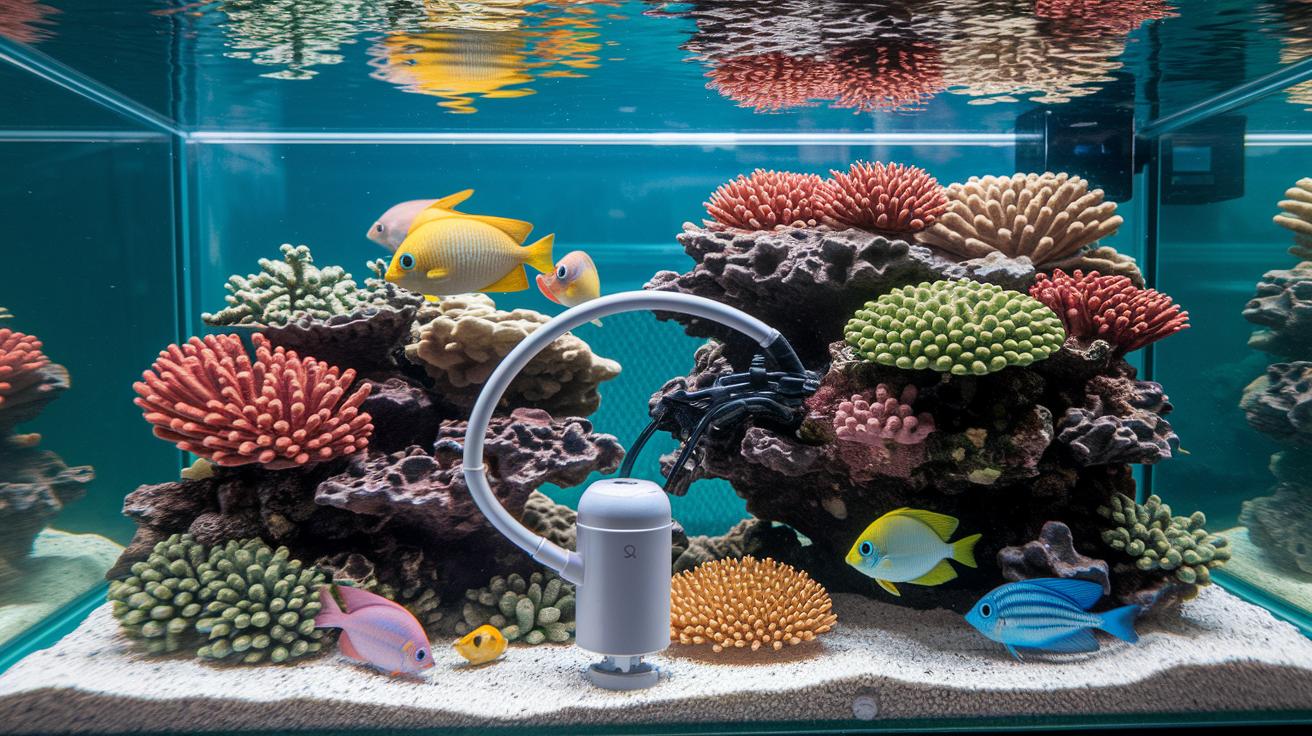
The powerhead comes with an adjustable head and a pivoting mount that lets water flow into every corner of your tank. You can easily change its angle so that every spot where your fish and plants live gets a gentle touch of water. Picture water softly gliding over your beautiful reef display, it's amazing how a small tweak can turn a silent tank into a vibrant underwater scene.
Some models even let you schedule different flow patterns throughout the day. You might choose a calm, steady current in the morning and a slightly stronger burst in the evening. This way, you can create a little natural rhythm in your tank, making sure every creature feels right at home.
Another thoughtful feature is how easy it is to take the powerhead apart and put it back together. Cleaning becomes a simple task since you can quickly remove parts to clear away salt and debris. It’s like giving your tank a gentle scrub, keeping everything clear and efficient.
Finally, the best powerheads are built to last. They use materials that don’t rust and ceramic bearings that keep everything running smoothly, even after being in water all the time. And with a low noise level, the powerhead hums quietly in the background while you enjoy watching your aquatic world flourish.
Calculating Flow Rate and Tank Turnover for Your Powerhead
When setting up your tank's flow, it's as simple as multiplying your tank's gallon size by how many times you want the water to refresh each hour. For freshwater homes, aim for 4 turnovers, and for a reef setup, go with about 6 to 10. So, if you have a 75-gallon reef tank, you'd need roughly 75 x 6, which comes to 450 GPH. Picture it like a gentle current that caresses every nook of your tank.
On the flip side, if the current feels a bit too forceful for your fish, try softening it. Use a spray bar or point the jet so the water flows along the surface. Imagine converting a strong stream into a delicate trickle that soothes your aquatic friends while still keeping the water clean and sparkling.
Optimizing Aquarium Powerhead Placement for Balanced Flow
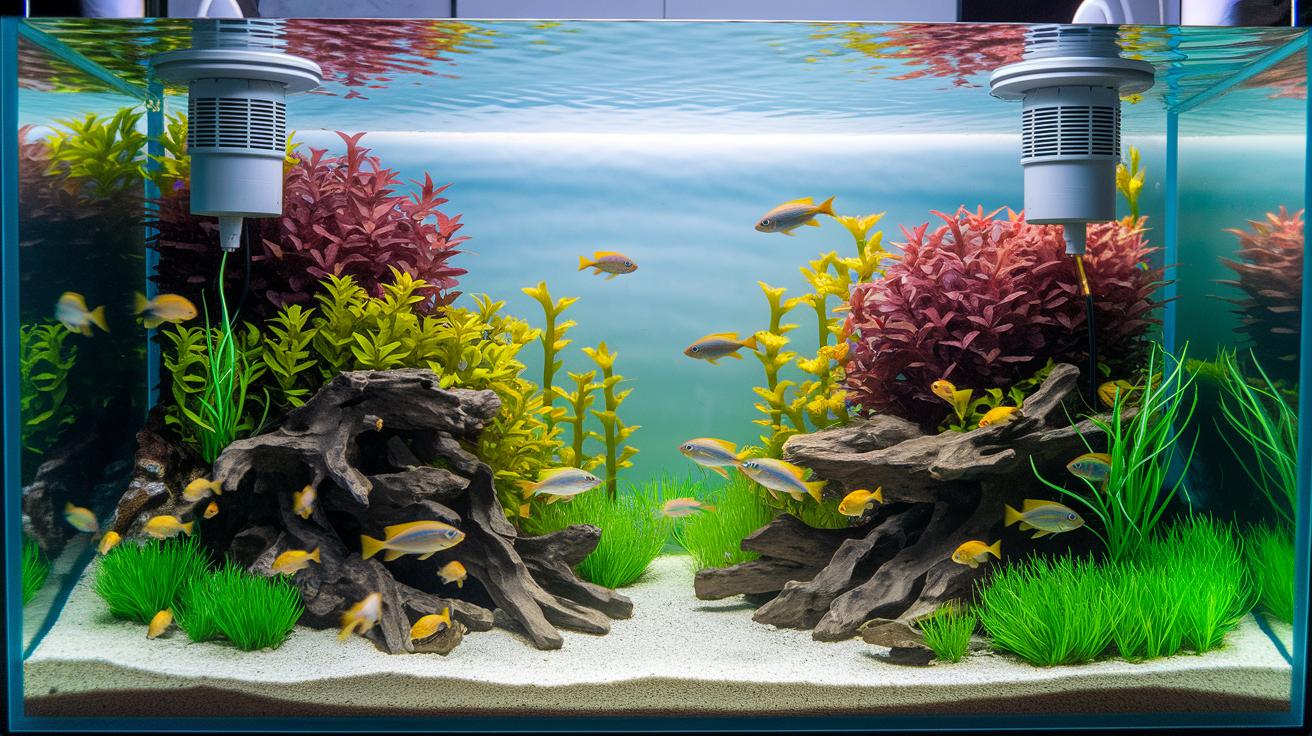
Getting the water just right in your tank starts with finding the perfect spot for your powerhead. Try placing pumps diagonally or on opposite sides, like one in the front left and another in the rear right. This setup creates a gentle, overlapping current that makes sure every bit of water gets a fresh, soothing flow.
Place your pump low near the bottom of your tank to help keep debris at bay. This low position not only boosts natural filtering but also echoes the natural water movements you’d find in a stream. For a softer water stream, angle the nozzle toward the glass so the water eases along rather than hitting too hard.
In bigger aquariums, you might even need more than one powerhead. With a few units working in tandem, every corner of your tank gets a little extra current, like a friendly underwater dance. Experiment with the positioning until you find that sweet spot where your whole tank enjoys a smooth, even flow that keeps your fish and plants happy.
Powerhead Maintenance and Longevity Best Practices
Keeping your powerhead in top shape is like giving your aquarium a gentle tune-up. Every month, take it apart to clear away salt buildup, slimy films, and little bits of debris. Think of it like cleaning the delicate gears of a clock, each part needs a little love to keep working well.
Once you've broken it down, have a close look at the impellers and shafts to check for any signs of wear. If you see something that looks tired, replace it right away, just like swapping out a worn tire before a long drive to keep everything running smoothly.
Before you put all the pieces back together, give the O-rings and seals a light coat of lubricant. A bit of oil can help stop vibrations and leaks, much like a squeaky door hinge that springs back to quiet perfection after a drop of oil. And if you’re dealing with saltwater, rinse every part in fresh water after cleaning to prevent the buildup of corrosive minerals.
By following this simple routine, you not only boost how well your powerhead works but also extend its life. Regular cleaning and careful checks ensure your tank's flow remains as clear and steady as a calm, gentle stream.
Comparing Top-Rated Aquarium Powerheads
| Model | GPH Rating | Adjustability | Noise Output | Price Range |
|---|---|---|---|---|
| Model A | 400-600 | Fixed | Low | Budget |
| Model B | 600-800 | Pivoting | Moderate | Mid-range |
| Model C | 800-1000 | Programmable | Quiet | Premium |
| Model D | 500-750 | Fixed with Spray Bar | Low | Budget/Mid |
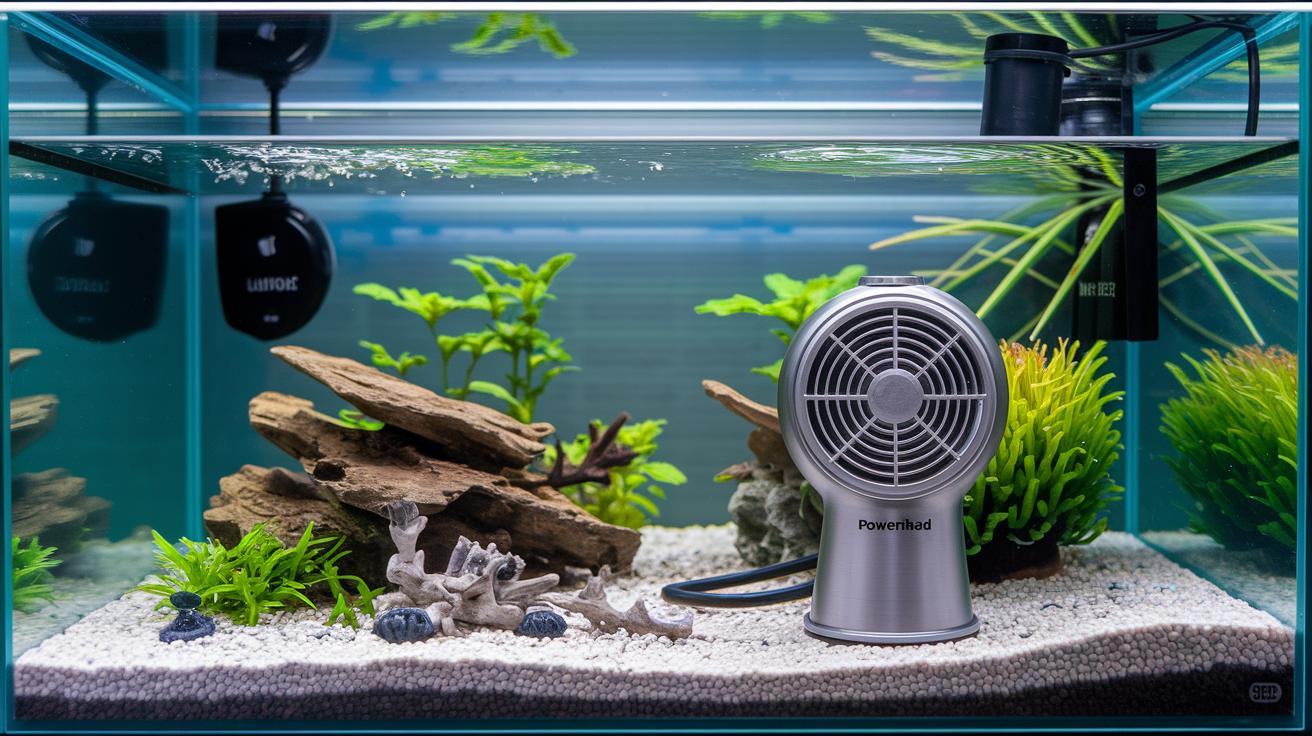
Even the tiniest ripple can spark a lively underwater performance. When picking a powerhead, look at how each one can meet your tank’s needs. Remember, a powerhead isn’t just a pump; it’s like the heartbeat of your aquatic habitat. It moves water around to create a friendly current that supports a healthy environment for your fish and corals.
If you run a smaller display, say around 10 to 30 gallons, something like Model A could be just right. It gives you a steady flow without any extra bells and whistles that a small tank might not need. For a medium tank between 30 and 75 gallons, Model D is a great pick. Its spray bar gently spreads the water flow, mixing things up nicely. (For a 30 gallon tank, take a peek at Model D on https://sweetfysh.com?p=332.) It’s a smart blend of performance and cost, perfect for keeping your water circulating efficiently.
When your tank is bigger, 75 gallons or more, or if you house more sensitive species, you might want to go with something that lets you control the flow better. Models like B and C offer neat features that let you adjust the direction of the water and create a varied current. Imagine your tank as a mini ocean, with water flowing evenly through every corner, as if it were dancing to its own rhythm.
Each option has its ups and downs, so take your time. Use this friendly guide to decide which pump fits your tank size, flow needs, and budget best. Enjoy setting up your aquatic wonderland!
Final Words
In the action, you learned how to match your powerhead with your tank's needs, from flow rate calculations to strategic pump placement. The article walked through assessing pump requirements, key features, and how to keep your unit running smoothly with regular maintenance.
Practical tips on choosing the right aquarium powerhead for your tank help you create a balanced, clean underwater home. Enjoy watching your aquatic world thrive with every gentle swirl.
FAQ
Best powerhead for freshwater aquarium
The best powerhead for a freshwater aquarium offers gentle, adjustable circulation that meets turnover needs. It provides steady flow to keep water clear and supports a healthy habitat for your fish.
Best powerhead for reef tank
The best powerhead for a reef tank offers stronger, more versatile water movement with multiple flow modes. It supports 6-10 turnovers per hour while easing stress on sensitive coral and marine life.
What are the benefits of a Tunze powerhead?
The Tunze powerhead offers quiet operation and adjustable flow outputs, making it popular for aquarists who want consistent circulation along with durability and ease of use in their tanks.
What can I expect from a Jebao powerhead?
The Jebao powerhead provides reliable water movement with user-friendly controls. It maintains smooth circulation and helps create a balanced aquatic environment without overwhelming your fish.
How should I place powerheads and circulation pumps?
Position powerheads in opposite corners or diagonal sides, placing them low in the tank. This setup minimizes stagnant zones and diffuses the jet impact by directing flow toward tank walls.
What does an aquarium powerhead pump do?
An aquarium powerhead pump circulates water within the tank, aiding in oxygen distribution, waste removal, and temperature regulation. It helps maintain a clean, balanced environment for your aquatic pets.
What size powerhead do I need for my aquarium?
The needed powerhead size depends on your tank volume and desired water turnover rate. For example, a 100-gallon aquarium typically requires around 400 GPH for four complete turnovers per hour.
How many GPH do I need for my tank?
The required GPH is calculated by multiplying the tank volume by the turnover rate. Freshwater setups need about 4× turnover, while reef tanks benefit from 6-10× turnover settings.
What GPH powerhead is suitable for a 75-gallon tank?
For a 75-gallon tank using a 6× turnover rate, you need roughly 450 GPH. This capacity supports balanced water movement while providing a gentle current for your aquatic life.
How many GPH should a 100-gallon tank have?
A 100-gallon freshwater tank should have a powerhead with around 400 GPH based on 4× turnover rates, while reef systems might require more to support sensitive marine species.
What makes the Aqua Illumination Nero 3 Pump a good choice?
The Aqua Illumination Nero 3 Pump offers precise control and quiet operation. It delivers steady flow rates tailored for small to medium tanks while keeping the aquatic display calm and vibrant.
What are the features of the EcoTech Marine VorTech Pro?
The EcoTech Marine VorTech Pro features programmable modes and low noise, letting you adjust circulation to match your marine tank needs. It delivers reliable, energy-friendly performance for diverse setups.
How does the Sicce Voyager Nano 1000 perform?
The Sicce Voyager Nano 1000 provides steady circulation with easy adjustments. Its compact design makes it ideal for smaller or intricately designed aquariums while maintaining balanced water movement.
What are the benefits of the Aqua Illumination Nero 5 Pump?
The Aqua Illumination Nero 5 Pump delivers robust, adjustable water flow suited for various tank sizes. Its quiet operation and reliable performance help keep your aquarium conditions stable and inviting.
What sets the Aqua Illumination Nero 7 Pump apart?
The Aqua Illumination Nero 7 Pump offers higher GPH and programmable flow modes for larger setups. Its powerful yet quiet performance makes it a great option for tanks needing consistent, customizable circulation.
What can I expect from the Aqua Illumination Orbit 2 Cross Pump?
The Aqua Illumination Orbit 2 Cross Pump provides versatile flow settings with energy-efficient operation. It delivers reliable circulation and easy maintenance, making it suitable for medium to larger aquariums.