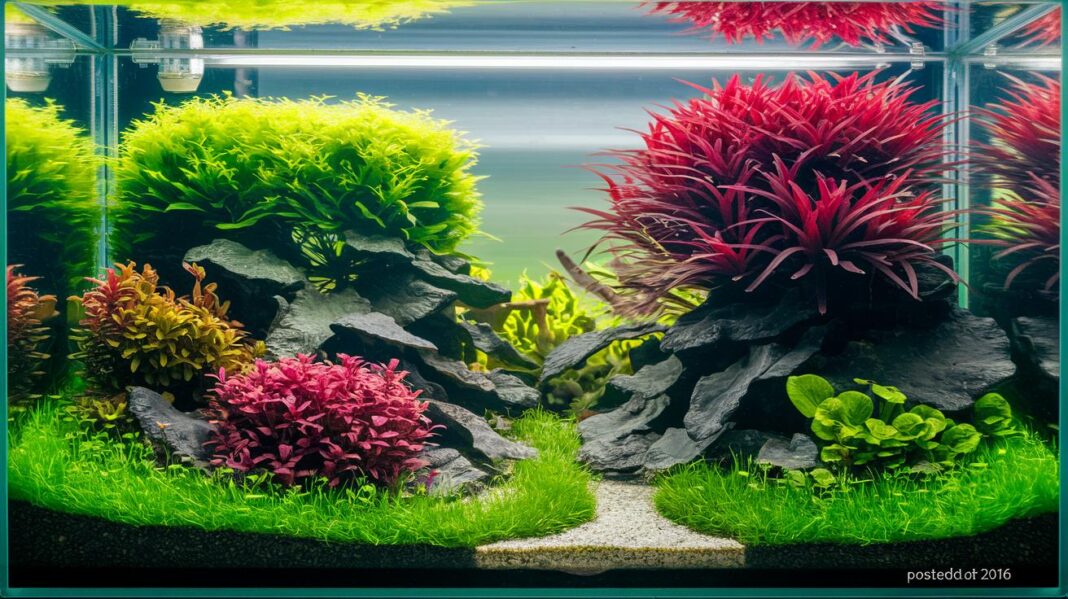

Ever imagined your aquarium as a tiny underwater garden? Even if you're just starting out, a few hardy plants can turn your tank into a lively, low-maintenance oasis.
Picture simple greenery gently cleaning your water and adding bursts of color, just like little ripples in a calm pond. In this guide, we share ten easy plant picks that not only help keep your water clear but also create a naturally beautiful display.
So, are you ready to let your aquatic world come alive with a touch of nature?
Top 10 Easy Aquarium Plants for Beginners
If you're just diving into the aquarium hobby, these plant choices are like a breath of fresh water. They thrive without extra CO₂ and need only simple care. They help clear your tank by using up excess nutrients while creating a lively underwater world, almost like a garden beneath the gentle surface.
Marimo Moss Ball is a neat little round algae that helps clean your water by taking up nitrogen waste. It just needs a light roll during water changes to keep its cute, perfectly rounded shape. And then there’s the Amazon Sword, which starts growing quickly once its above-water leaves fall off. Adding a bit of root tabs can give it a boost so its underwater leaves can flourish.
Next up is Cryptocoryne wendtii. This plant grows slowly in nearly any type of substrate and doesn’t require extra CO₂. If your substrate is low in nutrients, just toss in some root tabs every few months to keep it happy. Aponogeton crispus, often sold as a betta bulb, does well in low light with quick growth, even though it might sometimes go to sleep (or, as aquarists say, go dormant) and drop its leaves.
Bacopa caroliniana is a stem plant that handles life in the tank without extra CO₂. It gets a little extra sparkle when you add a bit of iron and liquid fertilizer, which gives its leaves a lovely coppery-red tint under bright light. Christmas Moss moves at a slow to moderate pace, offering cozy cover for small fry and shrimp; it can also benefit from the presence of some small algae eaters or an occasional splash of liquid fertilizer.
Vallisneria is a grass-like plant that spreads by runners, standing strong even in tanks with boisterous fish. It does well when you give it some root tabs and liquid nutrients. Java Fern is another fan-favorite, and it comes in many varieties. It’s best to attach it to rocks or driftwood so its rhizome stays clear and healthy. Cryptocoryne lutea, with its slender and slow-growth nature, adapts to a range of light and substrate conditions; just a few root tabs now and then will keep it thriving. Finally, Dwarf Sagittaria forms a neat carpet through its runners, adjusting its growth with the light and enjoying a mix of root tabs and liquid nutrients for that extra health boost.
These plants are all about low-maintenance care, perfect for creating a serene and colorful underwater scene without the fuss of extra CO₂. Enjoy watching your aquarium come to life, almost like a gentle underwater dance.
Aquarium Plants Substrate and Lighting Setup for Beginners
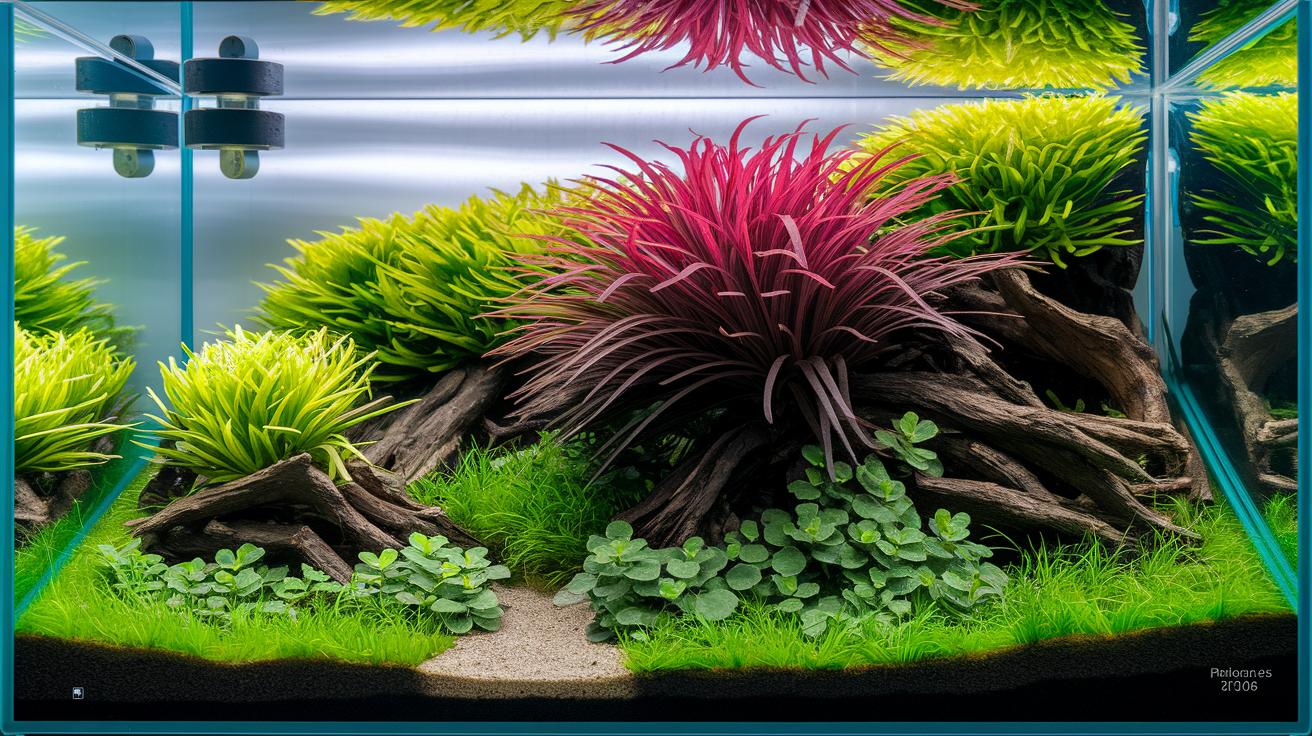
If you're just beginning your planted aquarium adventure, picking the right base is key. Start with nutrient-rich aquatic soil or inert gravel, and every couple of months add root tabs to feed your plants like Amazon Sword and Crypts. Spread your substrate evenly about 1–2 inches deep, much like laying a gentle, supportive blanket for your underwater garden.
Then, focus on setting up a calm lighting routine for your live plants. Aim for about 8–10 hours of moderate light daily so species like Bacopa and Vallisneria can really thrive. Even low-light champs such as Anubias and Java Fern do well with a soft 1–3 watts per gallon. Imagine your aquarium bathed in a steady, soothing glow where every plant has the chance to grow naturally. Keeping your lighting and substrate in harmony creates a lively underwater landscape you can truly enjoy.
| Substrate Type | Benefits | Suitable Plants |
|---|---|---|
| Aquatic Soil | High nutrient content | Amazon Sword, Crypts |
| Gravel + Root Tabs | Affordable; customizable doses | Vallisneria, Dwarf Sagittaria |
| Sand + Nutrients | Fine texture; stable planting | Java Fern (anchored), Mosses |
Aquarium Plant Care Routines for Beginners
Taking care of your underwater garden can be as gentle as a soft ripple on a quiet pond. Many beginner plants, like Anacharis, Hornwort, and Java Fern, do just fine without extra CO₂, they thrive on the natural flow of your tank’s atmosphere. Keeping a regular care schedule helps your plants and fish enjoy a peaceful, balanced home.
Each week, try to change about 20–30% of your tank's water. This simple trick clears out debris and balances the nutrients in your underwater world. While you're at it, check your lighting to make sure it’s casting a steady, welcoming glow to boost your plants' growth. For floating or stem plants, a little splash of liquid fertilizer works like a vitamin boost, keeping their leaves bright and happy. Imagine starting the week with a refreshed, vibrant tank, it really sets the stage for lush growth.
At the start of every month, give extra love to the heavier feeders like Crypts and Amazon Sword by replacing their root tabs. Take a moment to snip away any withered leaves or crowded areas to make room for new, lively growth. With these simple steps, your underwater garden will continue to thrive and charm, just like a peaceful, flowing stream.
Troubleshooting Aquarium Plant Issues for Beginners
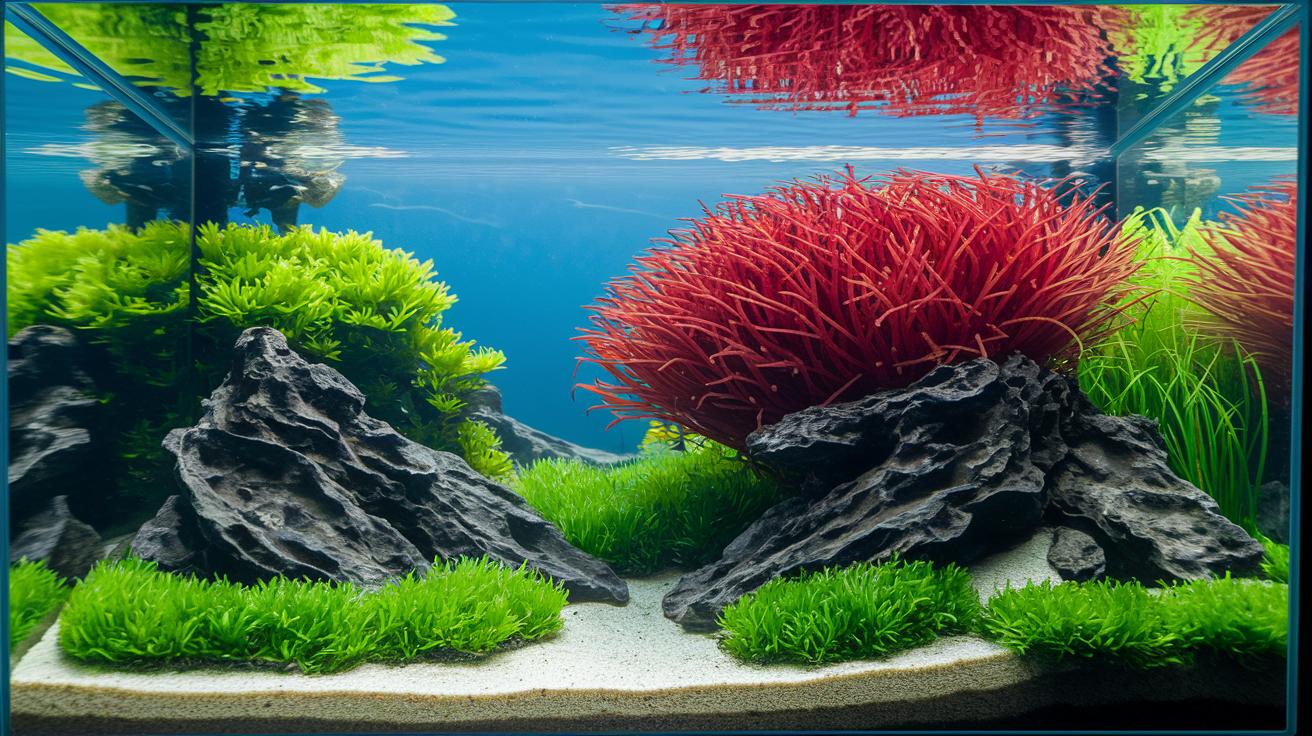
Taking care of your underwater garden is a fun journey, but sometimes little hiccups pop up that are easy to fix once you notice them. Watching your plants closely helps you catch problems early, so they don't turn into big headaches.
- Sometimes, background plants like Limnophila or Vallisneria can grow too fast and crowd out the smaller ones. A quick trim every now and then keeps them from taking over your tank.
- When the light is too bright or there are lots of nutrients in the water, algae can start to bloom. Cutting back the light to about 8 hours a day and adding gentle algae eaters like Amano shrimp can help keep things in balance.
- If you see yellowing or melting leaves on your Crypts, it might mean they aren’t getting enough nutrients. A few extra root tabs or a tiny bit of liquid iron can give them the boost they need.
- Old, decaying leaves can cloud your water and slow down growth. Removing dead plant bits during water changes helps keep your tank clear.
- When plants crowd together, they can block light and reduce water flow, which isn’t good for growth. Lightly thinning out those clusters lets everything get the air and light it needs.
Regular check-ups on your tank make all the difference, keeping your underwater haven bright, balanced, and wonderfully thriving.
Aquascaping with Aquarium Plants for Beginners
Foreground Planting Techniques
Begin by placing carpet plants like Dwarf Sagittaria or Marsilea hirsuta right at the front. These plants spread out through runners, creating a neat, low layer that feels like a soft rug in your underwater living room. Make sure to space the runners evenly and trim them gently to keep their growth in check.
Midground Arrangement Tips
Next, add some stem plants such as Bacopa caroliniana in the midground to create a smooth transition in textures and depth. Their vertical growth pairs nicely with attached ferns, linking the front and back of your tank naturally. You can secure Anubias or Microsorum to driftwood or stone with a little super glue gel or fishing line; over time, their roots will hold fast, giving your setup a vibrant, artistic look.
Background Design Strategies
For the back of your tank, choose taller plants like Limnophila sessiliflora or Vallisneria to add height and gentle motion. These plants create a dynamic canopy that can hide equipment and make your aquarium feel more spacious. Place them thoughtfully so they add visual interest without overshadowing your entire aquascape.
Affordable Aquarium Plants and Supplies for Beginners
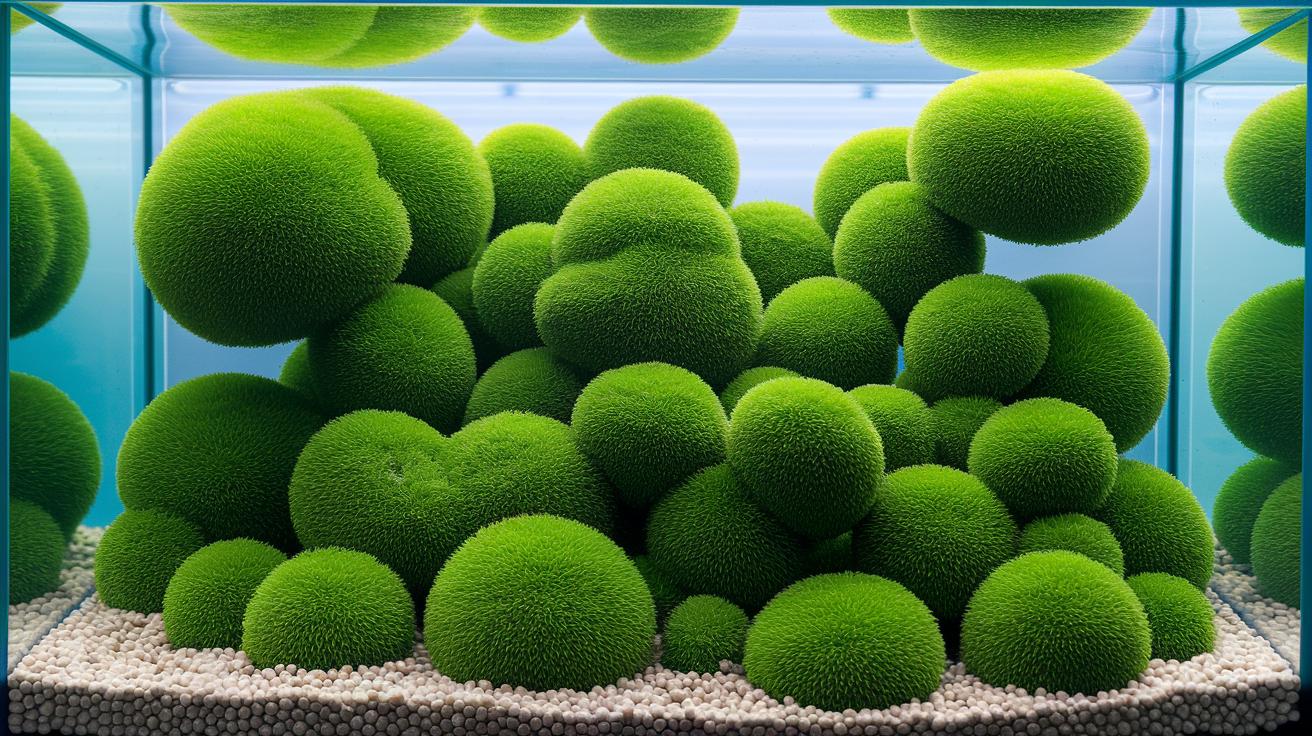
When you're getting your new tank ready, why not try out some affordable, live plants that are just right for beginners? Marimo moss balls and Aponogeton bulbs are favorites among new aquarists, they usually cost under $5 each, giving you a chance to see live plants in action without a big spend. They bring a touch of nature to your tank while keeping costs low.
There are plenty of other wallet-friendly plants that not only add beauty to your underwater world but also help clear out nitrogen waste, keeping your tank clean and vibrant. These choices are both reliable and easy to care for, making them perfect for anyone dipping their toes into the world of aquariums.
If you’re shopping online, take some time to explore different plant suppliers and compare prices for tank supplies from trusted sources. Many sellers offer similar deals, so it never hurts to look around for the best price. And remember to check for promo codes, sometimes orders over $100 qualify for free shipping when you use code "SHIPFORFREE" at checkout. This way, you can grow your aquatic garden with plenty of enthusiasm and maybe even save a few extra dollars!
Final Words
In the action, we explored top picks for simple aquatic life, including easy-care options and neat aquascaping ideas. We touched on choosing the right substrate and lighting, maintaining clean water, and keeping your plants happy with a steady care routine. Simple fixes for common issues and budget-friendly tips round out the guide. Embracing these suggestions can help build a beautiful, balanced tank that works great with aquarium plants for beginners. Enjoy setting up your underwater haven and watching your aquatic world flourish!
FAQ
Where can I find aquarium plants for beginners near me and live aquarium plants nearby?
The search for local beginner plants means checking pet stores, garden centers, or aquatic specialty shops where live freshwater varieties are stocked for new tank owners.
What are some easy freshwater aquarium plants that require no extra CO₂?
The easiest freshwater options include varieties like Java Fern, Cryptocoryne, and Marimo Moss Balls, which thrive on basic care and no additional CO₂ injection.
Which small aquarium plants work well for beginners and are suitable for gravel setups?
Beginners can try plants like Dwarf Sagittaria or Christmas Moss, which grow nicely in compact spaces and adapt smoothly to gravel substrates.
What are the best live plants for a freshwater aquarium that also help boost oxygen levels?
Plants like Vallisneria and Bacopa are top picks since they naturally oxygenate the water and flourish in low-maintenance environments.
What is the fastest growing aquarium plant for beginners?
The fastest growing option is Aponogeton crispus, which establishes quickly and adds vibrant movement to new aquariums.
How long does it take for plants to establish in an aquarium?
Many beginner-friendly species settle into the tank within about three months when given moderate lighting and proper nutrients.
How do I start with aquarium plants?
Starting with live tank vegetation is as simple as choosing easy-care species, setting up a nutrient-rich substrate, and providing proper lighting, followed by consistent upkeep.
Do aquarium plants grow better in sand or gravel?
Aquarium plants can thrive in both sand and gravel if you supplement with nutrients like root tabs; the choice depends on your tank style and plant needs.