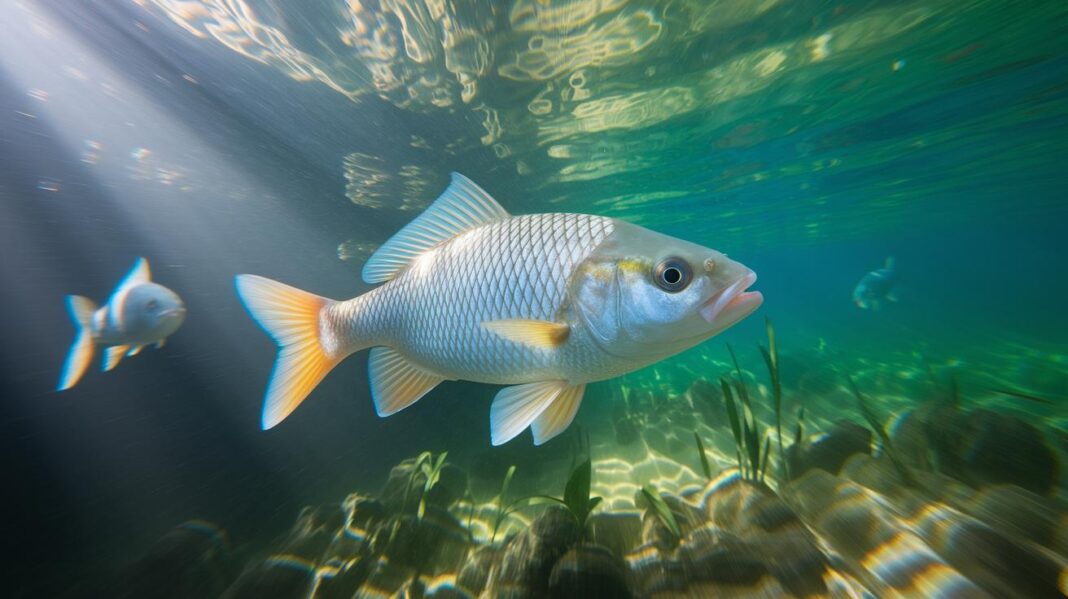

Have you ever stopped to think about tilapia and where they really belong? It's pretty cool when you learn that tilapia, a group of almost 100 types of cichlids, have been happily swimming in clear ponds, lakes, and slow streams for thousands of years. In fact, records from 1500 B.C. show that these fish have always enjoyed clean, comfy water. Today, farms in over 135 countries raise tilapia in environments that feel just like nature's own gentle, flowing river. Their long, watery history reminds us that tilapia truly are freshwater treasures.
Confirming Tilapia’s Freshwater Classification
Tilapia is a treasure trove of nearly 100 different cichlid fish that naturally thrive in fresh water. With tales stretching back to 1500 B.C. around places like the Sea of Galilee, these fish were once celebrated for their plentiful nature and tough spirit. They happily live in clear, gentle waters found in ponds, lakes, and rivers, not in the salt of the sea.
Today, farms in over 135 countries raise tilapia solely in freshwater settings. Whether it’s in net pens, recirculating tanks, ponds, or raceways, these setups are designed to feel just like nature’s own calm aquatic spaces. Culinary guides and market sources alike point out that tilapia comes from freshwater, which helps everyone know they’re choosing a premium, natural product.
Both the ancient records and modern aquaculture confirm that tilapia is a true member of the freshwater family. Its ability to adapt smoothly to managed, clean water makes it a favorite among those passionate about sustainable fish farming.
| Key Point | Description |
|---|---|
| Species Count | Almost 100 cichlid varieties |
| Historical Roots | Records from 1500 B.C. |
| Habitat | Strictly freshwater environments |
Just like the gentle ripple of water over smooth stones, tilapia’s story flows seamlessly from history to modern practices, solid proof that it belongs right where the water is fresh and inviting.
Tilapia’s Native Habitat in Freshwater Rivers and Lakes
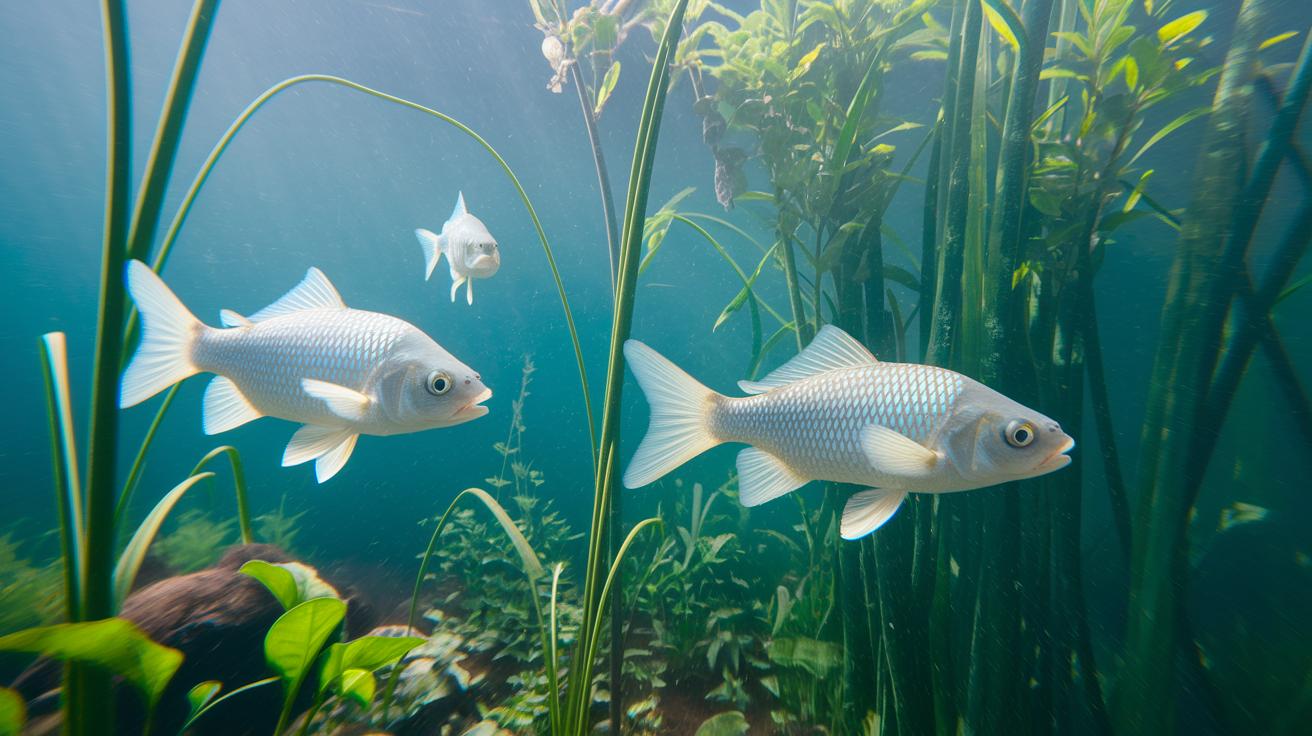
Tilapia love living in calm, warm waters all over the world. They call places like the Nile, Lake Victoria, and the Sea of Galilee home where the water moves slowly and stays cozy between 25 and 30°C. In the southern U.S., they thrive in ponds from spring until fall because winter is too chilly for them. These gentle habitats help tilapia grow and keep our water ecosystems healthy.
In Kenya, people even introduced tilapia to help manage mosquito numbers, while in Israel they help clear out pesky, toxin-making weeds in lakes. Originally from northern Africa and the Levant, these fish now live on six continents, showing just how well they adjust to different freshwater homes.
Imagine a scene with gently swaying plants and a soft, steady current, just the perfect setting for tilapia to flourish.
Brackish Tolerance and the Freshwater versus Saltwater Debate
Tilapia can handle just a tiny bit of salt, but they really flourish in freshwater. It's like adding a pinch of salt to your soup, it lifts the flavor without taking over the dish. Freshwater feels as natural to them as a cool, clear stream where every ripple feels just right.
In some aquaponics tests, tilapia have shown they can cope with a small amount of salt. But when it comes to raising fish for business, experts stick with freshwater. Farmers have discovered that keeping tilapia in fresh water lets them grow faster and develop a gentle, appealing taste, much like the calm splash of water on a quiet lake.
Both careful studies and everyday farming agree: while tilapia can manage a bit of salt, they do their best swimming in clean freshwater. Here, they face fewer health troubles and grow up stronger, which is why farms all over the world choose freshwater to nurture these vibrant fish.
Freshwater Aquaculture Systems for Tilapia Farming
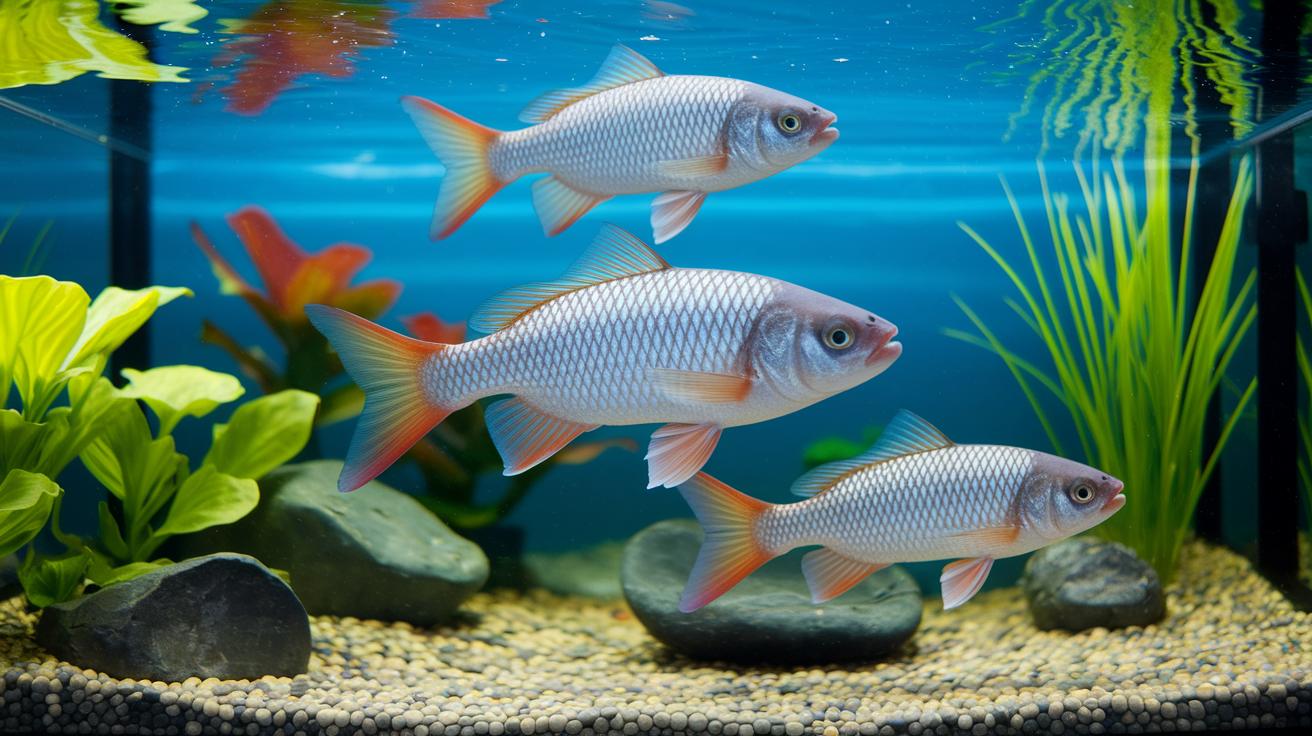
Freshwater tilapia farming has a handful of trusted methods that blend smart system design with top-notch feeding plans to keep the fish thriving all year long. Some farmers use traditional ponds, raceways, lake net pens, or even indoor tanks with warm, recycled water – each with its own set of benefits. Ponds and lake net pens offer a natural feel where fish can roam freely, while raceways provide a smooth flow of water that helps keep oxygen levels just right. And indoor tanks let producers fine-tune temperature and oxygen no matter what the season brings.
What your tilapia eats is key to its growth. Most farms feed their fish with corn and soy pellets that pack the essential energy and protein. Some even mix in vegetable-based feeds, which not only enhances the flavor but also boosts the nutrition. It’s a careful choice that directly impacts the taste and overall quality of the fish.
You can tell these methods work because farms earn certifications from trusted groups like the Aquaculture Stewardship Council and Best Aquaculture Practices. These marks show that water quality, temperature, oxygen, and cleanliness are closely watched. With recirculating systems, every detail can be controlled, while traditional setups allow for a more natural environment. Both approaches work together to produce tilapia that are as healthy as they are delicious.
Environmental and Nutritional Benefits of Freshwater Tilapia Farming
Imagine a freshwater world where tilapia farming works just like tending a little garden. Farmers raise these fish in controlled, clean water settings that ease the pressure on wild fish populations. It’s a green way to provide lean, sustainable protein to meet our growing demand, all while making sure each fish grows up healthy and happy.
Tilapia is not only kind to our waters but also great for our meals. With its low calories, fats, and carbohydrates, it fits easily into a balanced diet. Plus, it’s rich in essentials like selenium, vitamin B12, niacin, and potassium. This makes it a smart choice for anyone wanting to enjoy tasty seafood without added unhealthy fats. Between 2003 and 2007, tilapia became one of the most enjoyed seafood options in the U.S., a fact supported by careful studies on environmental impact and sustainable practices.
And when it's time to store your tilapia, simple methods like water glazing or vacuum sealing can keep it fresh for up to six months in the freezer. This sustainable practice not only meets the rising demand for seafood but also champions eco-friendly techniques that protect the beauty and health of our waters.
Final Words
In the action, we reviewed tilapia’s true nature as a freshwater fish using history, natural habitat insights, and aquaculture practices. We saw how these fish thrive in warm lakes and rivers and why their freshwater rearing ensures the best quality. The note on limited brackish tolerance further cements the fact that is tilapia a freshwater fish. By exploring care practices and environmental benefits, the discussion leaves us feeling inspired about setting up and maintaining thriving underwater homes. Happy fish keeping and good vibes to your aquatic world!
FAQ
Q: Why should you never eat tilapia and what are the concerns behind this advice?
A: The claim that you should never eat tilapia sometimes comes from worries about certain farming practices and feed quality. Responsible freshwater farms provide tilapia that is nutritious, lean, and safe to eat.
Q: Is tilapia a freshwater or saltwater fish?
A: Tilapia is a freshwater fish that thrives in lakes, rivers, and ponds. It can handle slight brackish water but is not suited for fully marine environments.
Q: What is tilapia’s scientific name?
A: Tilapia refers to nearly 100 cichlid species. For instance, the Nile tilapia is known scientifically as Oreochromis niloticus, highlighting its place among freshwater fish.
Q: What are the benefits and possible side effects of eating tilapia?
A: Tilapia offers lean protein and key nutrients like vitamin B12 and selenium. Some concerns stem from farming methods, so choosing tilapia raised under regulated conditions is best.
Q: What does tilapia’s nutritional profile include?
A: Tilapia is low in calories and fat, providing lean protein along with selenium, vitamin B12, niacin, and potassium, making it a healthy choice when part of a balanced diet.
Q: What does the name tilapia mean in English?
A: In English, the term tilapia is used to describe a group of nearly 100 freshwater fish species. The name remains consistent in culinary and scientific contexts.
Q: Why do some people say tilapia is not a real fish?
A: Some controversies about tilapia arise from myths surrounding its farming and nutritional quality. In truth, tilapia is a genuine, widely recognized freshwater fish.
Q: Is tilapia considered a clean fish?
A: Tilapia is seen as a clean fish when raised in well-managed freshwater systems that follow strict quality controls, ensuring minimal contaminants and a healthy nutritional profile.
Q: Can tilapia live in the ocean?
A: Tilapia naturally inhabit freshwater environments. Although they tolerate slight salinity in controlled conditions, they cannot thrive in the full saltwater of the ocean.
Q: How does tilapia compare to salmon, trout, and chicken as a food option?
A: Tilapia provides lean protein with a mild flavor, offering a lighter alternative to richer fish like salmon and trout. Its versatility in cooking makes it a good substitute for chicken when paired with simple seasonings like salt.