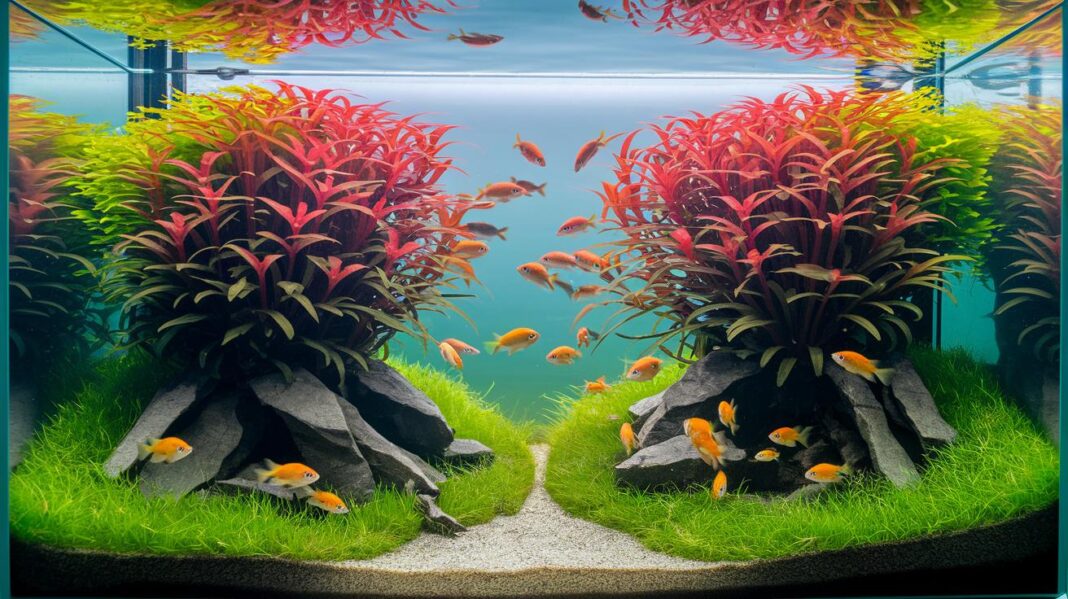

Ever wonder why some tanks burst with color and feel like magical underwater wonderlands, while others seem plain? Aquarium plants bring life and cheer to your tank. They help keep the water clean and give fish cozy nooks to hide in.
Today, let's chat about the world of aquarium plants. We'll explore different types and share simple care tips, almost like learning to tend a little garden underwater. It’s a lot like watching gentle ripples on a quiet pond.
Whether you’re just starting out or looking to refresh your current setup, choosing the right plants makes all the difference. Get ready to discover options that can turn your aquarium into a lively, healthy home for your finned friends.
Aquarium Plant Types Explained: Species and Care Overview
Live aquatic plants do more than just add color to your aquarium. They help purify the water by soaking up extra carbon dioxide, ammonia, and other nutrients. Plus, they provide comfy hideaways for your fish. Whether you're setting up your very first tank or giving an old one a fresh look, the right plants can turn your aquarium into a lively, healthy home.
| Category | Description | Typical Height | Suitable Lighting |
|---|---|---|---|
| Foreground | Short plants that create a carpet along the tank’s bottom | 1-4 inches | Low to moderate light (around 2 watts per gallon) |
| Midground | Medium-height plants that add a layer of lush green in the center | 4-8 inches | Moderate light (about 2-4 watts per gallon) |
| Background | Tall and bold plants that form a natural backdrop | 8+ inches | Higher light needs (roughly 4-5 watts per gallon) |
| Floating | Plants that drift on the surface, adding shade and soaking up nutrients | N/A | Light varies (typically moderate) |
Taking good care of your plants keeps your aquarium vibrant and healthy. Here are some simple care tips:
- Light Level: Match the brightness to your plants’ needs.
- Substrate Choice: Use fine sand or the right gravel to support their roots.
- Fertilizer Type: Try substrate, tablet, or liquid options based on your plant’s variety.
- Pruning Frequency: Trim regularly to manage growth and avoid crowding.
- Tank Temperature: Keep an eye on the water temperature so both your plants and fish thrive.
Foreground Aquarium Plant Types for Carpet and Groundcover
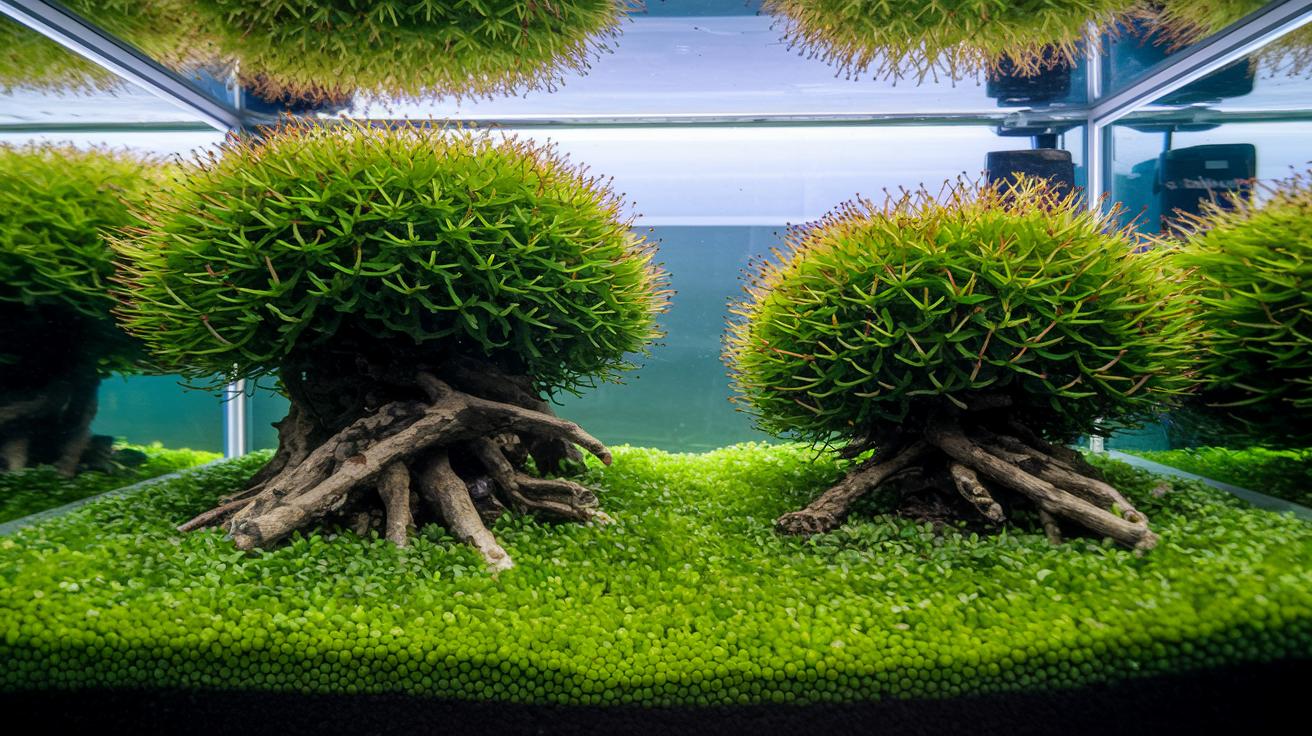
When you set up a vibrant green carpet in your tank, it turns the aquarium floor into an underwater meadow full of life. Glossostigma elatinoides loves bright light and a fine substrate, creating a smooth, even blanket of green. Hemianthus callitrichoides thrives in moderate to high light, forming neat and dense little mats that add a natural charm. And if your light isn’t as strong, Cryptocoryne parva does a fantastic job as a gentle, low-light groundcover. These plants not only bring a burst of fresh green to your space but also lay the groundwork for a beautifully balanced aquascape.
Getting your carpet just right takes a gentle touch and a bit of planning. Here are some easy steps to help you along the way:
- Substrate Prep: Lay down fine sand or the right kind of gravel mix to give your plants a soft bed for their roots.
- Runner Placement: Carefully set each tiny runner so you don’t disturb their neighbors in the tank.
- Anchoring: Press the runners lightly into the substrate so they feel secure, like a snug nest.
- Initial Pruning: Trim them just a bit to help encourage fuller, healthier growth and to keep them from crowding each other.
Midground and Stem Aquarium Plant Types with Vertical Growth
Stem plants add a lovely layer of depth to your underwater scene. They’re like the brushstrokes in a beautiful painting, filling the midground with lively color and movement. Species such as Hygrophila polysperma and Ludwigia repens grow quickly, bringing bright green stems that dance in the water. Their upward growth naturally divides your tank, creating a gorgeous backdrop that contrasts nicely with taller, background plants. Java fern, which attaches to wood or rock, lends a charming, fern-like touch, especially when the light is soft. Then there’s Vallisneria spiralis and Vallisneria americana, with long, flowing ribbon-like leaves that sculpt your tank into something like nature’s own art. These vertical plants not only make your aquarium look amazing but also help clean the water by soaking up extra nutrients. Regular trimming, a bit like giving a haircut, keeps everything looking balanced and neat, while encouraging full, bushy growth.
Trimming Techniques
- Cut just above the nodes
- Remove any decaying leaves
- Thin out crowded stems
- Replant healthy pieces
- Keep an eye on regrowth patterns
By keeping a close eye on the height and fullness of these stem plants, you ensure that your aquarium stays layered and inviting. A well-groomed midground naturally draws the eye, making your tank feel both thoughtfully arranged and full of life. It’s pretty cool how the natural variations in stem length and leaf shape add a sense of movement, bringing your underwater landscape to life.
Background Aquarium Plant Types for Tall and Bold Backdrops
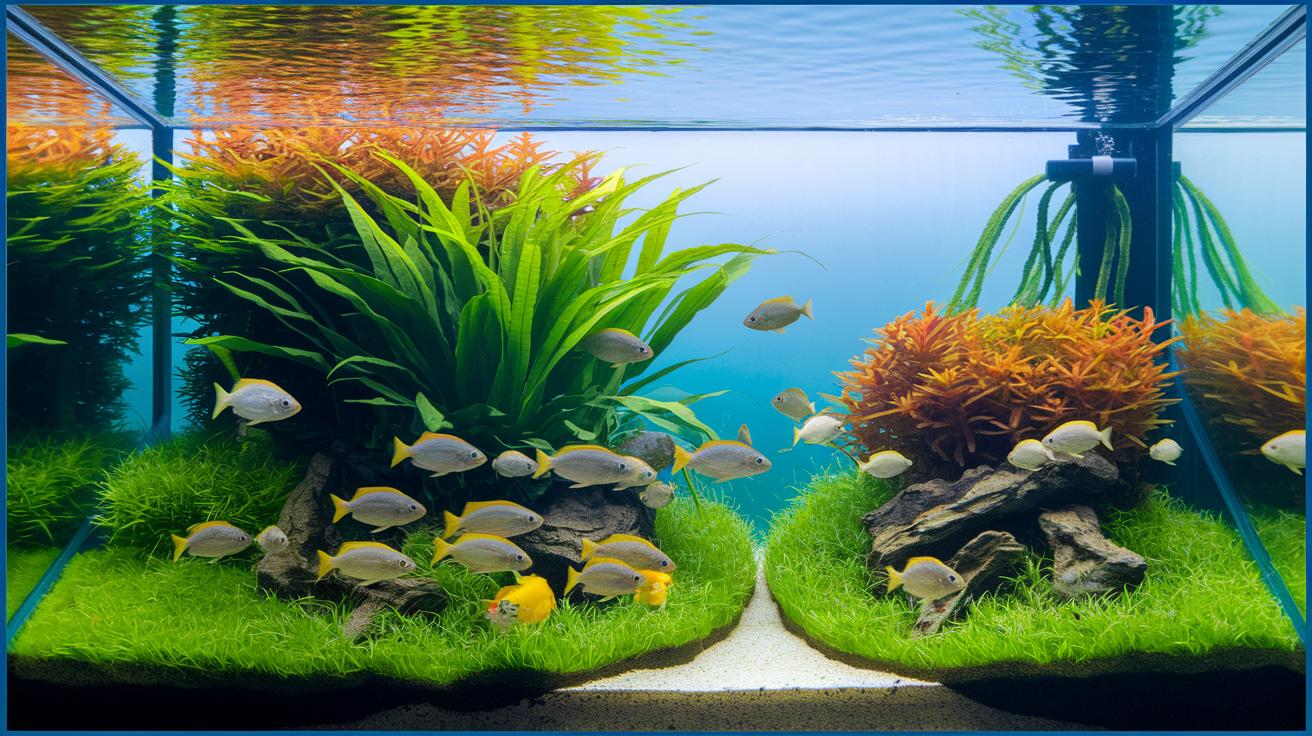
Tall plants add a lively, natural scene to your aquarium, turning it into a cool underwater jungle. For instance, Amazon Swords can easily shoot past 12 inches, making the back of your tank feel grand and dramatic. And fast growers like Egeria densa quickly cover empty spaces while soaking up extra nutrients to keep the water clear and balanced. Their upward growth also helps spread light evenly, so the whole tank gets a warm, inviting glow.
When your aquarium is set to impress, speedy tall growers become star players. Their graceful, long stalks act like natural curtains, giving your fish cozy nooks to hide and play. A little weekly trim keeps these energetic plants in check so they don’t crowd out the scene, preserving a neat and vibrant layout. They blend perfectly with shorter midground and foreground plants, crafting an artful display of nature in your own home.
| Plant | Features |
|---|---|
| Amazon Sword | Grows over 12 inches with quick, bold growth |
| Egeria densa | Fast-growing, medium height that helps with nutrient uptake |
| Vallisneria spiralis | Tall, ribbon-like stalks with steady vertical expansion |
| Vallisneria americana | Rapid grower that creates a lofty, natural backdrop |
Floating and Moss Aquarium Plant Types for Surface and Accent Growth
Floaters bring a beautiful vibe to your tank by casting soft shade and helping absorb extra nutrients from the water. They gently filter bright light, which not only keeps algae at bay but also creates snug hideaways for little fish and fry. Take frogbit, for example, it sports big, lush leaves that offer a safe spot for young fish, while duckweed quickly blankets the water’s surface, soaking up those extra nutrients with enthusiasm.
And then there are mossy plants like Java moss. They naturally cling to driftwood or rocks, adding a soft, textured look that makes your aquarium feel more natural and inviting. Together, these floaters and moss create a balanced environment that not only clears the water but also sets a calm and serene mood in your aquatic world.
| Plant | Growth Rate | Care Tip |
|---|---|---|
| Duckweed | Fast | Thin regularly to prevent matting |
| Frogbit | Moderate | Provide partial shade to prevent leaf burn |
| Java Moss | Slow-Moderate | Secure to hardscape for optimal growth |
Popular Aquarium Plant Species and Types like Anubias, Java Fern, Amazon Sword
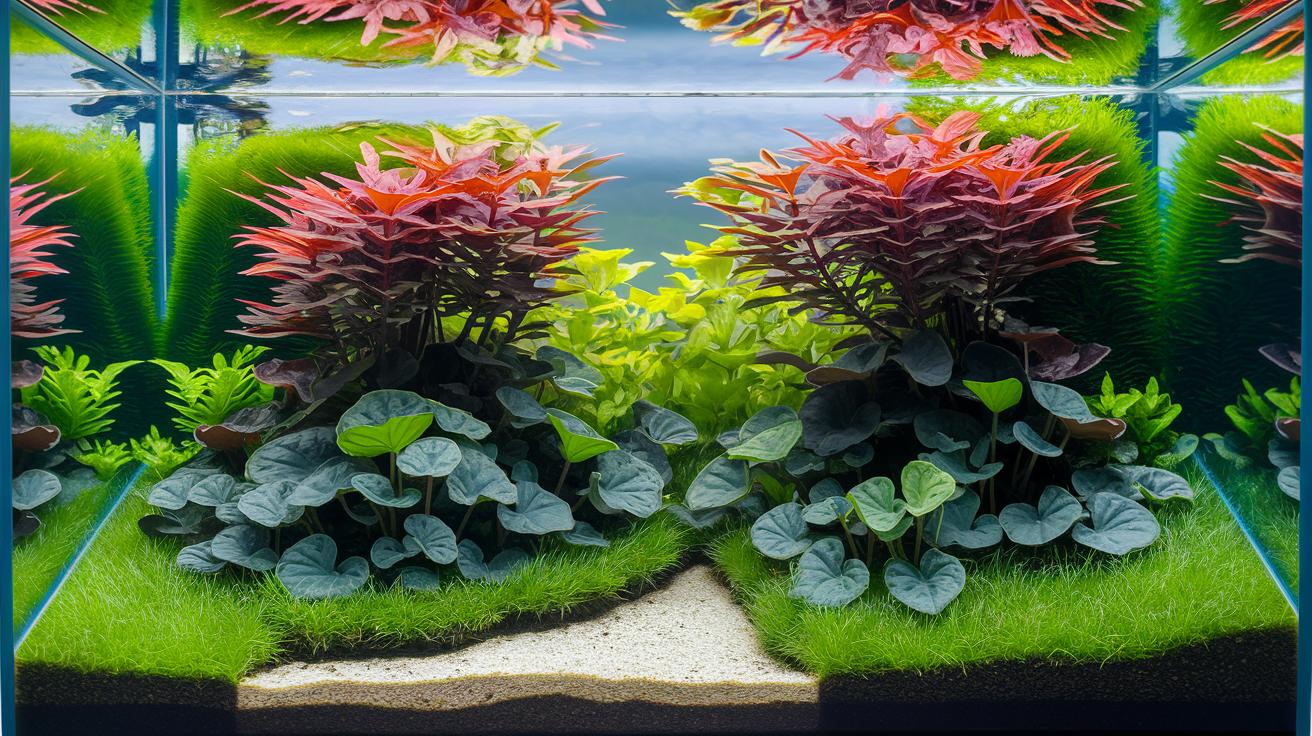
These plant groups are perfect for beginners because they’re tough and forgiving. They grow happily with just a bit of care, giving your tank a natural, soothing vibe. Their mix of wide leaves, flowing fronds, and bendy stems creates an underwater scene that feels like a gentle ripple on water, and they all do well with everyday care.
Anubias
• Anubias barteri – This sturdy plant does well in low light and loves to cling onto rocks or driftwood.
• Anubias nana – A small, slow-growing type that’s easy to look after and prefers moderate light.
Java Fern
• Java fern Windelov – This variety easily attaches to wood or rocks and thrives in low to medium light.
• Java fern Lace Fern – With its graceful, flowing leaves, it needs little care and adds a lovely, unique texture to your aquascape.
Amazon Sword
• Amazon sword (E. bleheri) – Famous for its large, broad leaves, this plant enjoys moderate light and a nutrient-rich substrate.
• Amazon sword (E. tenullus) – A smaller option with varied leaf shapes that fits well in most aquarium setups.
Cryptocoryne
• Cryptocoryne wendtii – A favorite for midground planting in low light, offering a dash of lush greenery with minimal fuss.
• Cryptocoryne retrospiralis – This type has a distinct leaf shape and adapts well to both low and moderate light settings.
Vallisneria
• Vallisneria spiralis – Known for its tall, ribbon-like leaves, it creates a natural, flowing backdrop when kept under steady conditions.
• Vallisneria americana – Similar in style, this plant thrives in tanks with consistent settings and moderate lighting.
Aquarium Plant Types Care Guide and Setup Tips
The first step in building your underwater garden is picking the perfect lighting. LED and T-5 bulbs that give full spectrum light (5000-7000K) provide a bright, balanced glow that many plants in your tank will love. Letting the light shine for about 8 to 10 hours a day is a great mix for healthy plant growth while keeping pesky algae at bay. This routine sets the stage for lush greens and creates a gentle glow that makes your tank feel like your very own underwater paradise.
- Substrate Selection: Choose a nutrient-rich base for your plants. Fine sand or specially made aquatic soil works best and can keep going for more than six months.
- Fertiliser Regimen: Mix up different types of fertilisers. Use substrate fertilisers for long-lasting nourishment, tablet fertilisers to target specific root zones, and a little liquid fertiliser weekly to keep the leaves looking bright.
- CO₂ Considerations: If you’re just starting out, go for plants that do well without extra CO₂ injections. This keeps maintenance simple while still giving your greens a healthy home.
- Pruning Schedule: A regular trim stops plants from crowding one another and helps them grow fuller. Removing old or excess leaves also keeps the tank clean and natural.
- Acclimation Process: Introduce new plants slowly into your tank. Check them carefully for any unwanted snails or leftover chemicals, especially if you have sensitive critters like shrimp. Let your new plants settle in gradually to match your water conditions.
Taking your time with each step really makes a difference. Skipping details like checking for hitchhikers or rushing the acclimation can stress your aquatic greens and slow their growth. Follow these friendly care tips and let patience guide you, and your underwater garden will not only survive but thrive in a calm, beautifully balanced setting.
Final Words
In the action, our article sailed through aquarium plant types, from live plant benefits and stunning foreground carpets to vertical midground greens, bold background shades, and delicate floating accents. It laid out practical care tips on lighting, fertilisation, and pruning techniques to keep your aquatic haven thriving. We also broke down species care, planting steps, and essential maintenance methods, making it easier to understand how to cultivate healthy aquarium plants. Keep creating your underwater oasis, where every green leaf and gentle ripple makes for a captivating and balanced aquatic pet home.
FAQ
What types of freshwater aquarium plants are available with pictures and names?
Freshwater aquarium plants range from carpeting to tall background species. Many online resources offer lists with clear pictures and names, making it easy to match plants to your tank’s needs while boosting water quality.
What are some live aquarium plants suitable for beginners?
Live aquarium plants for beginners include hardy varieties like Anubias, Java fern, and Amazon sword. These species thrive in different lighting conditions and often require minimal maintenance for a healthy aquatic setup.
Where can I find a list of freshwater aquarium plants with pictures or as a PDF?
Numerous online guides and downloadable PDFs provide detailed lists of freshwater aquarium plants featuring pictures, care needs, and planting tips, helping you design a vibrant, balanced aquatic environment.
What are 10 common aquatic plant names?
Common aquatic plant names include Anubias, Java fern, Amazon sword, Cryptocoryne, Vallisneria, Hygrophila, Ludwigia, Bacopa, Dwarf hairgrass, and Rotala. These species cater to various tank designs and care levels.
How do you identify freshwater aquarium plants?
Freshwater aquarium plant identification involves noting leaf shape, growth habits, and lighting needs. Matching these traits with trusted resources helps ensure you pick the right species for your aquarium’s unique environment.
What are the four types of aquatic plants?
The four main types are foreground, midground, background, and floating plants. Each group offers different aesthetics and care requirements to enhance your tank’s design and overall water quality.
What types of plants are used in aquascaping?
Aquascaping features a mix of plant types—carpets, stems, tall background plants, and floaters. These selections are made based on appearance, growth rate, and how well they complement the overall tank layout.
What plants are best for an aquarium, and which is the most common?
The best aquarium plants often include hardy species like Anubias, Java fern, and Amazon sword. These plants are common choices due to their adaptability, low maintenance, and ability to improve water quality.