

Ever wonder if your aquarium water is as pure as it could be? It’s like giving your underwater garden a trusty checklist to keep everything in line. A solid test kit tells you if the pH, ammonia, nitrite, and nitrate levels are just right, keeping your fish and plants feeling vibrant and clear.
In truth, choosing the right kit is a bit like selecting the best bait for a quiet day on the lake. From easy-to-read strips to simple liquid kits, each one helps you catch any water troubles before they become a storm. So, why not grab your test kit and take a closer look at your tank? After all, a clear, healthy aquarium is like watching light dance over gentle ripples on a calm pond.
Core Aquarium Test Kits to Monitor Water Quality
Keeping your aquarium water clear and safe is like tending a little underwater garden. Regular tests help catch any harmful chemicals before they stress out your fish or plants. It all starts with simple kits that measure pH, ammonia, nitrite, and nitrate. These liquid tests come with small containers and chemical drops that change color in contact with water. You add a few drops to your sample, wait a few minutes, then compare the color to a chart to see if your tank is in a good state. Imagine mixing a drop, waiting for five minutes, then checking if the color matches level 2, this little dance can be a lifesaver for your aquarium.
A lot of hobbyists love the API Master Test Kit. It does a solid job with pH, ammonia, nitrite, and nitrate. Still, it leaves out water hardness (GH) and alkalinity (KH), so you might need extra tests later on to cover every bit of your water needs. Many beginners use the API kit during their tank’s initial setup and then gradually add more tests to get the full picture. Liquid test kits like these are trusted for their clear, color-based readings, making them a favorite among fish enthusiasts.
| Test Kit Type | What It Measures |
|---|---|
| API Master Test Kit | pH, ammonia, nitrite, nitrate (excludes GH and KH) |
| Liquid Titration Kit | Provides accurate pH, ammonia, nitrite, nitrate results through color charts |
Comparing Aquarium Test Strips and Liquid Reagent Kits for Water Chemistry Analysis
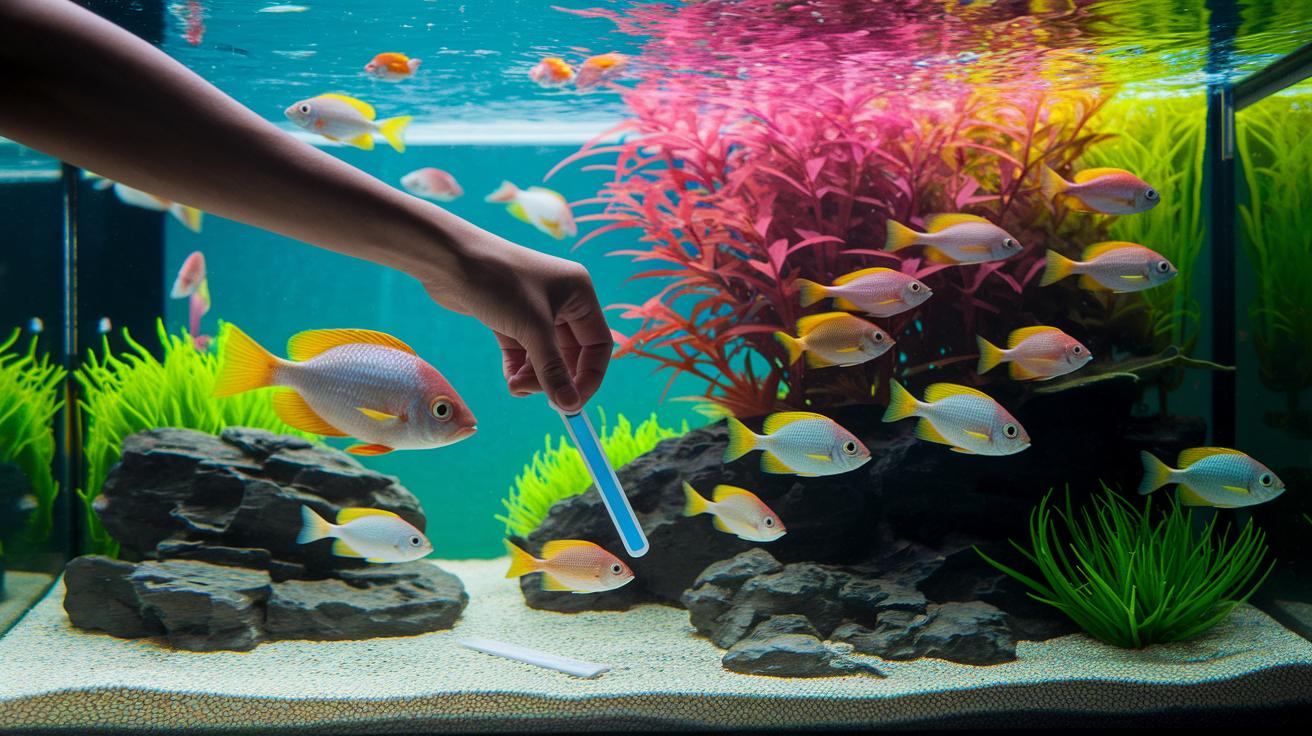
When you check your tank's water, you really have two main choices: test strips or liquid reagent kits. Test strips give you a quick glimpse into your water's condition and are great for saving money. Imagine dipping a strip into your aquarium, waiting a bit, and watching it shift colors like a fun mood ring for your fish. But if you store these strips in a damp space, they might not be as reliable over time.
Liquid reagent kits need a bit more care. You add a few exact drops to a water sample, stir it gently, and then wait for a color change to compare with a simple chart. This method tends to be more precise, so it’s the better pick when accuracy is key. Newer options, like those from Aquarium Co-op, make this process faster and cheaper, so you can test your water as often as you like.
- Test strips deliver quick results, even if they might sometimes be less exact.
- They are a cost-friendly way to keep tabs on your aquarium’s water quality.
Both methods work hard to ensure your water stays pure and your fish feel right at home.
Digital Meters and Multi-Parameter Test Kits for Aquarium Water Quality
Digital meters and multi-parameter test kits are truly changing the game for aquarium lovers who want quick and accurate water tests. Devices like the Hanna Checker let you see clear numbers for pH, ammonia, and nitrate, all for about $60 plus roughly $16 for the chemicals. This means you no longer have to guess by matching colors. I remember the first time the meter showed a pH of 7.2; it made me feel certain my tank was safe and balanced for my fish.
Multi-parameter electronic kits go even further. They have built-in sensors that check many water details at once, cutting down on mistakes that happen when matching colors by sight. Imagine a tool that tells you the pH, temperature, and nitrate levels all in one sweep. It’s like having a friendly assistant to help keep your tank in top shape.
Even though these gadgets give faster and more reliable readings, they do need a little extra care. Regular calibration and proper storage are key to keeping them accurate. This small bit of extra work really pays off when you get consistent and trustworthy results.
- Digital meters offer clear, numerical data for key parameters.
- Multi-parameter kits combine several tests into one system, which helps reduce human error.
By choosing a digital pH meter or another sensor-packed kit, you get a fast and clear look at your aquarium’s water quality.
How Often to Test Aquarium Water Quality with Your Test Kits
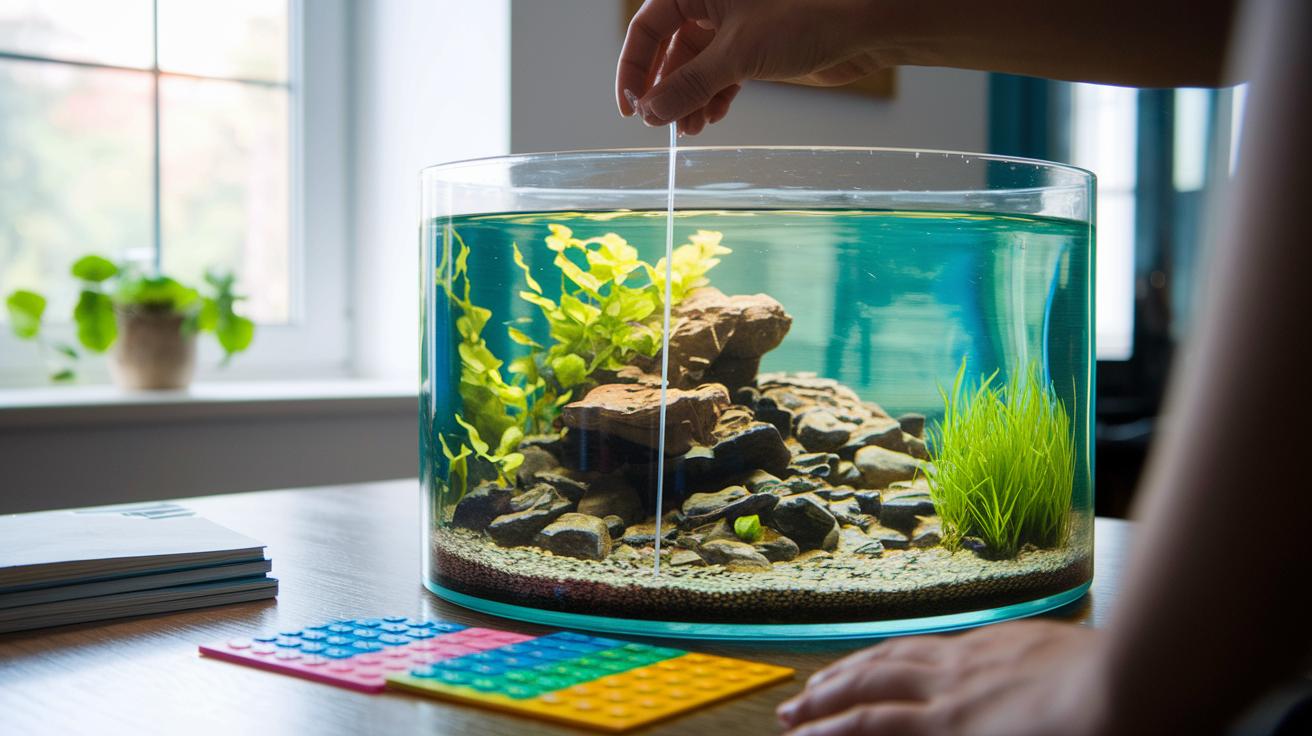
When your fish start acting different or your water seems less clear, it’s a good sign to check your water quality more often. During your tank's cycling stage, test for ammonia and nitrite every day so you can quickly catch any sudden changes that might stress your fish.
Once the cycling is done, set up a regular testing routine. Check key factors like pH, ammonia, nitrite, and nitrate once a week. And once a month, test the water hardness (GH) and alkalinity (KH) to keep everything balanced and steady.
- Daily tests during cycling help spot any dangerous chemical spikes.
- Weekly checks keep an eye on pH, ammonia, nitrite, and nitrate levels.
- Monthly tests for GH and KH ensure long-term stability.
Using fast methods like test strips makes monitoring easy. Just dip a strip into a water sample and see how the colors change, it’s a simple way to make sure your aquatic friends and plants always have a healthy home.
Troubleshooting Aquarium Test Kit Challenges for Accurate Water Quality Results
Sometimes, test strips can misbehave if they soak up a bit of moisture or if they're past their prime. I usually swap them out every six months to keep the readings trustworthy. It’s a bit like expecting smooth water and getting choppy ripples because humidity played its trick.
Liquid tests need you to count drops just right and watch the clock carefully. Even a small slip, like one extra drop or a few seconds off, can mess up your results. For anyone who finds matching colors tricky, digital tools, like the Hanna Checker, can really help make sense of it all.
| Tip |
|---|
| Swap out test strips every six months. |
| Stick to the exact drop counts and wait times for liquid tests. |
| Keep reagents in a cool, dry spot. |
It helps a lot to follow the right storage and calibration steps to get clear, accurate readings. I always double-check my tools before testing so that small errors don’t turn into big headaches. This way, you can be sure your water quality readings will keep your fish and plants feeling their best.
Selecting the Best Aquarium Test Kits for Freshwater, Planted, and Saltwater Tanks
When choosing the right test kit for your tank, think of it like picking the perfect fish to join your school. Beginners often start with a simple liquid kit that checks pH, ammonia, nitrite, and nitrate. It's an affordable way to dip your toes into aquarium care, much like watching a gentle ripple across a quiet pond.
For those with freshwater or planted tanks, the API Master Test Kit is a friendly helper. Priced around $20, it covers pH, ammonia, nitrite, and nitrate, making it great for getting your tank cycled. But keep in mind, it doesn't test water hardness (GH) or alkalinity (KH), so you might need another kit if those details matter to your underwater garden.
If you're looking for a budget-friendly option for regular checks, you might like Aquarium Co-op’s test strips. They cost about $15 and check pH, GH, KH, nitrate, and nitrite. These strips are reliable when stored in a dry place, just like keeping your aquarium supplies safe from dampness.
For those who want precise, individual readings, especially if your planted or saltwater setup has extra needs, the Hanna Benchmark digital meters could be the way to go. Even though they come with a higher price tag, they offer exact readings one parameter at a time. Saltwater tanks often need tests for phosphate and calcium, while planted systems can benefit from kits that check trace nutrients and iron levels.
Experienced aquarists might even mix and match multi-parameter test strips or use digital meters to cover a broader range of water quality checks, tailoring their approach to the unique needs of their tanks.
Final Words
In the action, we explored core test kits, comparing colorimetric methods, digital tools, and multi-parameter setups to keep your aquarium safe. We talked about testing frequency, common issues, and selecting kits that work best for your freshwater, planted, or saltwater tanks.
We hope these insights make maintaining your underwater habitat easier. Remember, consistent testing helps keep your water balanced and your fish happy. As you build your setup, consider what aquarium test kits do you need for proper water quality.
FAQ
What aquarium test kits do you need for proper water quality?
The essential aquarium test kits check pH, ammonia, nitrite, and nitrate. Beginners often start with liquid reagent kits or test strips for quick, clear readings.
How do you test aquarium water quality for a healthy fish habitat?
Testing aquarium water quality means using a kit with reagents or strips to measure chemicals like pH, ammonia, nitrite, and nitrate. Color changes guide you in ensuring a safe environment for your fish.
What do aquarium water test kit results indicate?
Test kit results show your tank’s pH, ammonia, nitrite, and nitrate levels. These values help you spot rising chemicals early, so you can keep your fish’s home balanced and safe.
What is the most important aquarium water test?
Checking for ammonia is typically the most important test because even small rises can quickly harm fish. Regular ammonia tests help you catch problems before they become dangerous.
What should I know about the API Freshwater Master Test Kit and similar products?
The API Freshwater Master Test Kit measures pH, ammonia, nitrite, and nitrate, making it a favorite. However, it does not test for hardness, so additional kits may be needed for full water-quality care.
How can I test water quality without a kit or by using digital meters?
Without a kit, you can watch for behavioral changes in fish, though this isn’t precise. Digital meters and multi-parameter systems offer accurate, numerical readings for more consistent results.
What are some other popular test kit brands like Sera, API Quick Start, and Tetra EasyStrips 6 in 1?
Options such as the Sera Aquarium Test Kit, API Quick Start, and Tetra EasyStrips 6 in 1 provide reliable testing. Each model fits different budgets and needs, whether you want quick checks or detailed analysis.