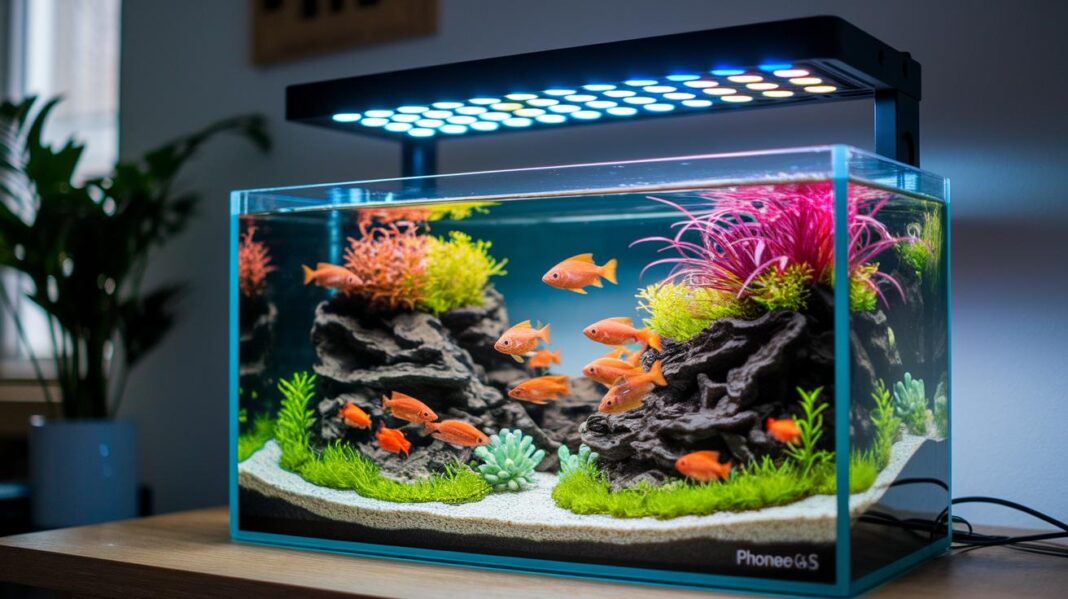

Ever wondered what turns an empty tank into a warm home for your fish? A fish starter kit is like a little treasure chest filled with all the essentials to create a cozy underwater haven. It comes with a small tank, lights that follow a natural day and night rhythm, a gentle filter that keeps the water clear, and a heater to keep things comfortably warm. This kit makes it simple to set your fish up for a lively start, and in this guide, we'll show you how to build a space where every fin feels right at home.
Essential Components of a Fish Starter Kit
Every fish tank journey starts with a special kit packed with everything you need to create a happy underwater home. Think of it as your go-to treasure chest that holds a quality glass or acrylic tank, usually between 5 and 15 gallons, so you can enjoy clear views and watch your fish swim around like they’re dancing in the gentle ripples of water.
The kit also includes a trusty lighting system that mimics the natural cycle of day and night. Along with that, you get a powerful yet gentle filtration device that helps keep the water fresh and healthy for your fish. For tropical fish, a heater is key, it’s like a cozy blanket on a cool evening, keeping the water at just the right warmth.
You’ll also find substrate options, whether gravel or sand, that lay the foundation for your tank’s landscape. This base not only supports fun décor like live plants or artificial rocks but also helps beneficial bacteria grow. A water conditioner is in the mix too, acting like a shield to clear harmful chemicals, while starter fish food gives your new finned friends the nutrition they need to settle in.
To keep everything in check, a basic test kit for pH and ammonia levels is provided, making it easy to monitor water quality and avoid any surprises. Finally, a printed care guide gives you step-by-step tips to maintain your tank, assuring you a smooth start to your new aquatic adventure.
| Component | Description |
|---|---|
| Tank (glass or acrylic, 5–15 gallons) | Offers clear views and durability for your fish to swim happily |
| Lighting system | Mimics natural day and night cycles for a healthy environment |
| Filtration device | Gently cleans water to keep it fresh and safe |
| Heater for tropical fish | Keeps water warm, like a cozy blanket on a chilly night |
| Substrate (gravel or sand) | Forms the foundation for your tank’s landscape and supports bacteria growth |
| D\u00e9cor items (plants, rocks) | Adds natural charm and a touch of adventure to your aquarium |
| Water conditioner | Removes harmful chemicals for clear, safe water |
| Starter fish food | Helps new fish settle into their new home |
| Basic test kit for pH/ammonia | Monitors water quality to keep your fish safe |
| Printed care guide | Step-by-step advice to make your tank setup hassle-free |
fish starter kit: Joyful Aquarium Start
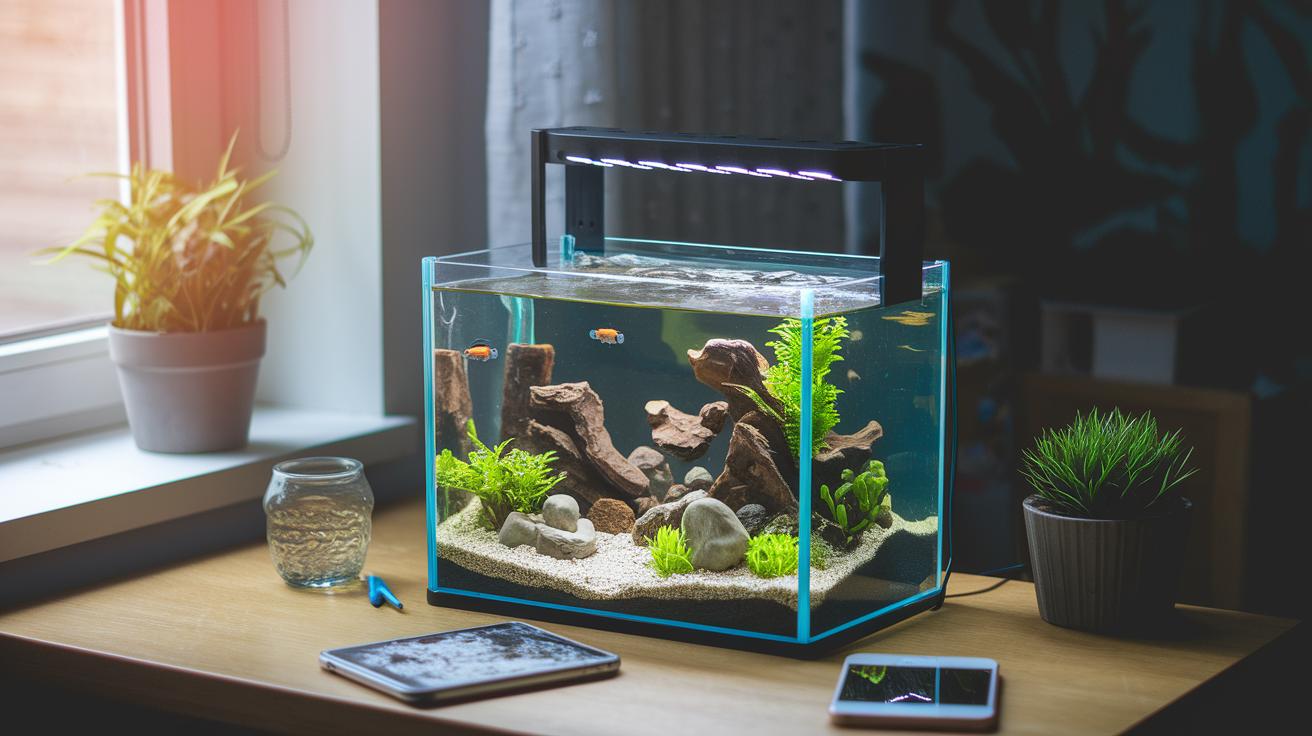
When picking your fish starter kit, first think about how many fish you want. A good rule is one inch of fish per gallon. So if you imagine a lively school swimming around, start with a small tank and upgrade later. It helps to choose a kit that fits both your fish count and the room in your home. Also, try to place your tank where it won’t get direct sunlight. This keeps the water cool and stops extra algae from growing.
Next, look at the tank’s size and features. Some kits hold as little as 5.5 gallons, while others give you 15 gallons with bright LED lights. For an easy setup, find a kit with things like SmartClean filtration, which does a quick clean-up and keeps the water healthy. Compare the options, and choose one that matches your needs without complicating your start.
Finally, think about the fish you plan to keep. Different fish like different environments, so matching your kit to their needs is key. Write down what matters most to you, like how big the tank is, the filtration system, and any cool decorations. This way, your journey into the aquarium world feels smooth, fun, and just right for you.
Step-by-Step Setup Guide for Your Fish Starter Kit
Start by opening your fish starter kit and laying out everything. This is like gently placing your favorite seashells on the sand, you get a clear view of what you have. It also helps you notice if anything is missing or damaged.
Next, take a look at the basic steps for setting up your aquarium. First, remove and check every item, from the tank and hood to the filter and lights. Think of it as putting together a simple jigsaw puzzle where every piece fits perfectly. Then, add your substrate and decorations. Spread your sand or gravel evenly at the bottom and arrange rocks or fake plants to make the tank look natural and inviting.
Then, set up your filter and lights. Place the filter so it creates a gentle flow in the water and position the lights to give your tank a warm, welcoming glow. Every little detail helps create a cozy home for your fish.
Now, treat your fill water with a water conditioner. This step is important because it removes harsh chemicals, making the water safe for your finned friends. Once you’ve added the conditioner, start the cycling process. This means letting the tank work like nature for 4 to 6 weeks, giving good bacteria time to grow and balance the water.
After the cycle is complete, use a test kit to check the pH and ammonia levels in the water. Once everything looks right, you can slowly introduce your fish to their new home. It’s like inviting new friends into a close-knit community, gentle and with care.
Before you add any new fish, review each step to be sure you’ve done everything correctly. Trust in the careful work you’ve put in, and soon you'll enjoy a happy, healthy aquarium that your fish will love.
Ongoing Maintenance for Your Fish Starter Kit

Keeping your aquarium bright and healthy is a bit like watching gentle ripples on a calm lake. When you take a little time to care for every part of your tank, you create a cozy home where your fish can swim happily in clear, balanced water.
One simple trick is to change 10–20% of the water every week. This little refresh helps wash away waste and makes your tank feel new again. And while you're at it, give the gravel a gentle vacuum to scoop up any debris hiding in the substrate, it’s like tidying up the pebbles at the bottom of a clear stream.
Next, remember to swap out your filter cartridge or media every 4–6 weeks. This small change keeps your filter in great shape, so it can keep the unwanted impurities out. Testing for ammonia, nitrite, and nitrate levels is like giving your tank a quick health check. It helps catch any issues early, ensuring your fish have a safe space to flourish.
Don’t forget your live plants, either. A little trim and a quick check keeps them vibrant and ready to provide both beauty and shelter. And be sure to peek at your equipment now and then, from lights to heaters, to make sure everything is working just right.
| Task | Description |
|---|---|
| Water Change | Swap 10–20% of the water weekly to keep it fresh |
| Gravel Vacuum | Gently clean the substrate to remove debris |
| Filter Replacement | Replace filter cartridge/media every 4–6 weeks to maintain efficiency |
| Water Testing | Check ammonia, nitrite, and nitrate levels for early issue detection |
| Plant Care | Trim and monitor live plants to keep them healthy |
| Equipment Check | Ensure lights, heaters, and other gear are working properly |
By making these steps a natural part of your routine, you create an inviting underwater world. Every bit of care adds to the joy and beauty of your tank, making it a happy haven for your finned friends.
Top Fish Starter Kit Brands and Comparisons
When you start exploring fish starter kits, it feels a bit like diving into different underwater worlds. Each kit comes with its own cool features that match the size of your tank and the way you care for your fish.
Some kits offer a larger, 15-gallon setup. For instance, the 15 Column LED Aquarium Starter Kit features a sturdy power filter and bright LED lights. It’s like having your own little underwater theater where the water flows smoothly and everything looks crystal clear.
If you prefer something simpler and cozier, the 5.5 LED Aquarium Starter Kit is a great choice. This kit has a filter built right in and LED lights that help your plants grow while adding a vibrant glow to your tank. The Aquarium Essentials Kit is perfect if you want just the basic setup, providing the fundamentals without any extra fuss.
Then there’s the Aquarium Starter Kit with SmartClean Filtration & LED, which uses an advanced cleaning system to keep your water sparkling with very little effort. Betta lovers can also enjoy the BettaBow 1 Aquarium Kit with Quick Clean Technology, making upkeep quick and even fun. Plus, Bow Front LED Kits show off a stylish curved design, and the LED BettaBow and LED MiniBow Kits with SmartClean combine modern looks with smart features for a hassle-free setup.
| Product | Capacity | Filter Type | Lighting | Special Feature |
|---|---|---|---|---|
| 15 Column LED Aquarium Starter Kit | 15 gallons | Power filter | LED | Spacious setup |
| 5.5 LED Aquarium Starter Kit | 5.5 gallons | Integrated filter | LED | Compact design |
| Aquarium Essentials Kit | Varies | Basic filter | Standard light | Essential setup |
| Aquarium Starter Kit with SmartClean Filtration & LED | Varies | SmartClean filter | LED | Smart cleaning technology |
| BettaBow 1 Aquarium Kit with Quick Clean Technology | Varies | Quick Clean filter | LED | Optimized for betta fish |
| Bow Front LED Kits | Varies | Varies | LED | Curved front design |
| LED BettaBow™ & LED MiniBow™ Kits with SmartClean™ Technology | Varies | SmartClean filter | LED | Modern, hassle-free setup |
Fish Starter Kit FAQs and Safety Guidelines
If you're setting up your tank, this FAQ is here to help guide you through the basics. For more details, be sure to check out the full setup and maintenance sections.
• How long does the cycling process take?
It usually takes about 4 to 6 weeks for the good bacteria to settle in. I once saw my tank clear up nicely in just 5 weeks – it was like watching a gentle ripple turn into a calm stream.
• What water temperature is best for tropical fish?
Keep the water between 74°F and 82°F. One fish keeper mentioned that his tropical friends became much more lively when he maintained a steady 78°F.
• How should I deal with rising ammonia?
Test the water regularly and do a small water change if you notice a spike. Even a quick 15% water change can make a big difference, like easing a sudden current.
• What stocking limit should I follow?
A handy tip is to have one inch of fish per gallon of water. This rule keeps your tank from feeling too crowded, much like giving each fish its own little space to swim.
• How often should cleaning tasks be done?
Aim for weekly water changes of 10–20% and switch out your filter media every 4 to 6 weeks. These easy routines help keep your tank as fresh as a clear pond.
• What is a critical safety tip for setup?
Always secure all electrical connections and use a stable stand. Making sure wiring stays dry gives you extra peace of mind while you enjoy your little aquatic world.
Cost-Benefit Analysis of Fish Starter Kits
Budget-friendly and mid-range fish starter kits both have their own ups and downs, just like the gentle currents in your favorite tank. For example, a cheaper 5.5-gallon BettaBow kit may look like the perfect bargain for your aquatic setup right away. It saves you money in the beginning, but you might end up spending extra later to add features or additional equipment.
Meanwhile, a 15-gallon LED kit gives you an all-in-one experience. It comes with built-in filtration, energy-saving lights (which means less power is used), and parts that last longer, all wrapped up in one neat package.
When you compare the savings from a DIY fish tank kit to the convenience of a full setup kit, keep these ideas in mind:
| Point | Details |
|---|---|
| Initial Savings vs. Extra Costs | Cheaper kits might save you money at first, but they can need extra add-ons later. |
| All-in-One Value | All-in-one kits may cost more upfront, yet they can save energy and include longer-lasting filters. |
| LED Benefits | LED systems typically shine longer than old-school lights, helping to cut down ongoing energy expenses. |
Also, think about the long run. When your tank runs efficiently and its filters last longer, you're not just reducing electricity bills, you’re also facing fewer hassles with replacements. Plus, many mid-range kits come with satisfaction guarantees, which makes trying them even less of a risk.
In the end, the best choice depends on your current budget, how much time you want to invest in maintenance, and how simple you want the care routine to be. Considering all these factors will help you set up a home for your fish that's both comfortable and budget-friendly.
Final Words
In the action, we covered everything from the must-have accessories in your fish starter kit to picking the right package and assembling your tank. We touched on step-by-step setup, regular cleaning tips, top kit comparisons, and safety guidelines. Each section helps you create a vibrant aquatic home that’s both beautiful and easy to maintain. Embrace each step with a smile and enjoy setting up your underwater world, you’re building more than an aquarium, you’re creating a safe haven for your fish. Enjoy every moment!
FAQ
What is the best starter fish for beginners?
The best starter fish for beginners means choosing a hardy species—often small tropical fish like a betta or guppy—that adapts well to new tank environments and requires simple care for a smooth start.
How long before I can put fish in a new tank?
The answer is waiting 4 to 6 weeks so the tank can complete its nitrogen cycle, letting toxins break down and water chemistry balance out before introducing your fish.
Is a 10 gallon fish tank good for beginners?
A 10 gallon fish tank is a great choice for beginners as it offers enough room for one or two small fish while still being manageable and easier to maintain.
What is the first fish to put in a new aquarium?
The first fish added to a new aquarium are usually hardy ones like guppies or tetras, which help stabilize the tank and adapt well while the filtration system gets going.