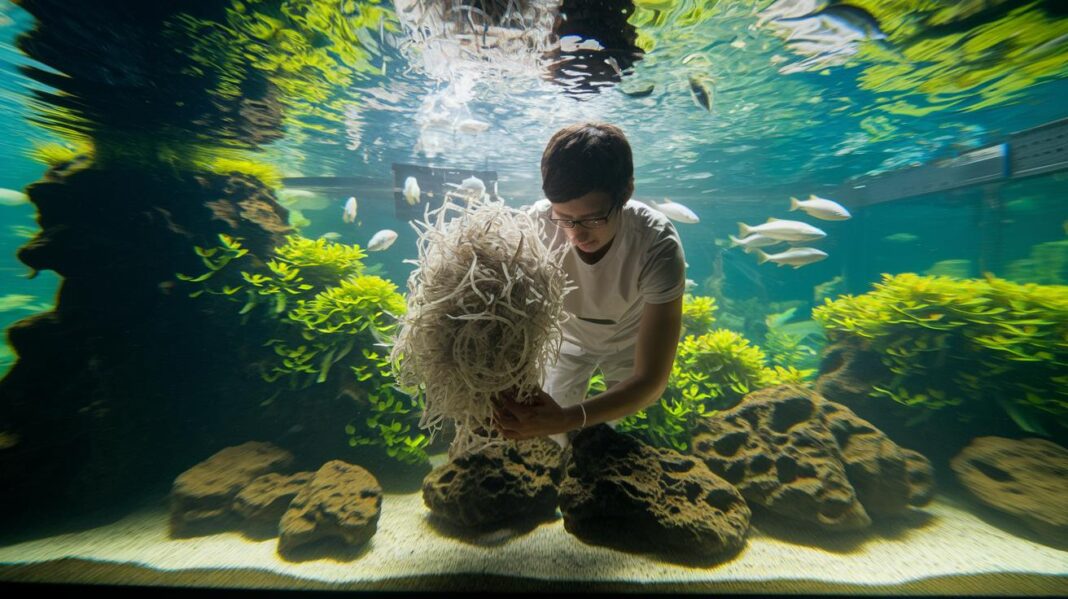

Ever notice when your tank water looks a little cloudy? It might be because your filter media isn’t in tip-top shape. These small helpers work hard to keep the water clear, much like tiny streams cleaning your favorite hideaway.
Keeping your filter media clean and replacing it on time is simpler than you might think. In our chat today, I’ll share some easy steps on how to care for mechanical, biological, and chemical media. It’s like giving your tank a gentle rinse, removing the clutter so everything can shine.
With these simple tips, your filter becomes a steady buddy that helps your aquarium sparkle and creates a peaceful home for your finned friends. Ever feel the calm that comes from watching the soft ripple of water? Let’s dive in and make routine care feel as refreshing as a cool swim on a warm day.
Core Principles of Aquarium Filter Media Maintenance and Replacement
Aquarium filters rely on three types of media to keep your tank sparkling and safe for its residents. Mechanical media such as foam or floss work like a simple strainer, catching bits of food and plant fragments so they don’t drift further into the filter. Biological media, like bio balls and ceramic rings, serve as cozy homes for helpful bacteria that break down waste, a lot like how garden soil nourishes plants. Chemical media, for example activated carbon, soaks up impurities to keep the water fresh. Fun fact: many fish lovers have seen that using all three media types together can transform a hazy tank into a vibrant underwater scene.
Routine care is the secret to keeping this system in balance. Rinsing or giving a quick pulse rinse to your mechanical media in tank water helps clear away debris while leaving the friendly bacteria unharmed. It’s best not to scrub away the biological media too hard, since doing so can disturb the beneficial colonies that live there. A regular check-up during your water changes makes it easier to catch when a media type is getting clogged or worn out, so you only clean or replace what’s needed.
Changing your filter media is almost like taking care of a living creature. Sticking to a regular cleaning and replacement routine not only makes your filter last longer but also keeps the water beautifully clear. Remember, every type of media has its own special job, and when they work together, they support a thriving and healthy aquarium that you can truly enjoy.
Creating a Maintenance Schedule for Filter Media in Your Aquarium
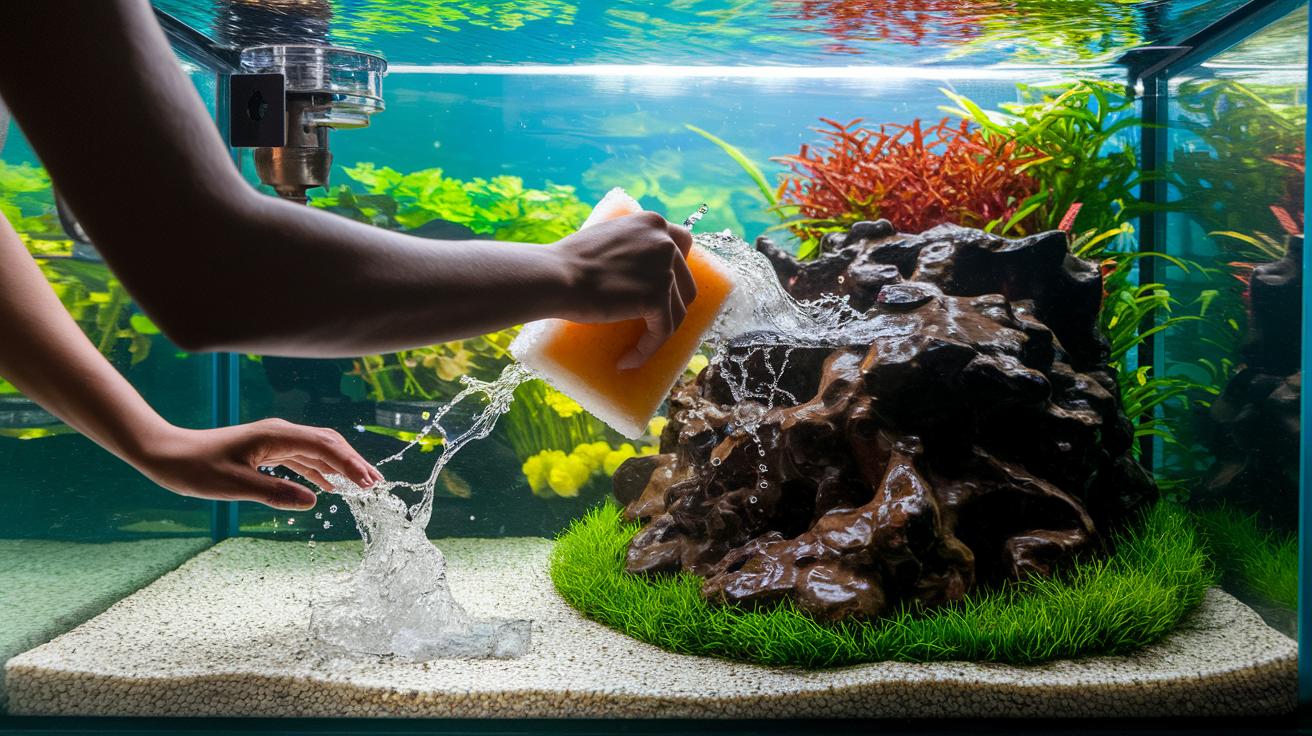
Kick things off by choosing a routine that suits your filter. For example, if you have a canister filter, give it a quick rinse on the media every month to wash away debris. Then every six months, unplug your filter, let the heater cool, and disassemble everything for a deep, refreshing clean. It’s like a mini spa day for your filter!
If you use an under-gravel filter, stick with a tight schedule. Vacuum the gravel and clean the lift tubes every week or two. Every two months, lift the substrate, rinse it while changing some water, and you’ll notice your tank water staying clear without any pesky buildup underneath.
Sponge filters need a little love too. Every two to four weeks, disconnect the power and rinse the sponge in your tank water to keep it healthy. And every few months, swap out the air stones or tubing to ensure the water flows just right.
For hang-on-back and in-tank filters, disposable cartridges are a popular choice. Replace these every one to three months, and don’t forget to clean any sponge pre-filters every two weeks.
When you're ready to clean, gather a few key supplies like brushes, buckets, and pre-filter sponges. You can get all these handy items from aquarium cleaning supplies, like the ones at https://sweetfysh.com?p=50. It keeps your routine efficient and your aquarium happy.
| Filter Type | Maintenance Routine |
|---|---|
| Canister Filters | Monthly rinse, six-month deep clean |
| Under-Gravel Filters | Vacuum every 1-2 weeks; full substrate rinse every 2 months |
| Sponge Filters | Rinse every 2-4 weeks; exchange air stones/tubing quarterly |
| Hang-on-Back / In-Tank Filters | Replace cartridges every 1-3 months; clean sponge pre-filters bi-weekly |
Best Practices for Cleaning Filter Cartridges and Bio-Media
When you clean your filter cartridges and media trays, treat them like treasures that keep your tank in perfect balance. Think of them as a little underwater garden, handle them gently to keep all the good bacteria happy and growing.
For things like floss or foam, give them a rinse in water that doesn’t have chlorine. Tap water can be rough on your tiny, helpful bacteria. I remember one time using tap water to clean a sponge piece, and I could see the water getting murkier afterward. It really taught me that every small step counts.
If you're working with activated carbon, which is used to remove chemicals, try to replace it every 4 to 6 weeks, especially after treating tannins or medications. Swapping it out on a regular schedule helps keep your tank crystal clear and free from unwanted residues.
Bio-media items like ceramic rings or bio balls can be given a gentle pulse rinse every 2 to 3 months to shake off any sludge buildup. When you clean them, only refresh a part at a time so that some of the good bacteria continue to work their magic for you.
Regular checks are a great habit, if you ever notice lower water flow or hear extra noise from your filter, it might be time for a good rinse. Each careful cleaning keeps your filter strong and your tank a serene, healthy home for your fish.
Every time you take a bit of time to rinse or replace your filter parts, you’re not just cleaning; you’re also maintaining a peaceful underwater world where your fish can swim freely and happily.
Step-by-Step Procedures for Replacing Aquarium Filter Media
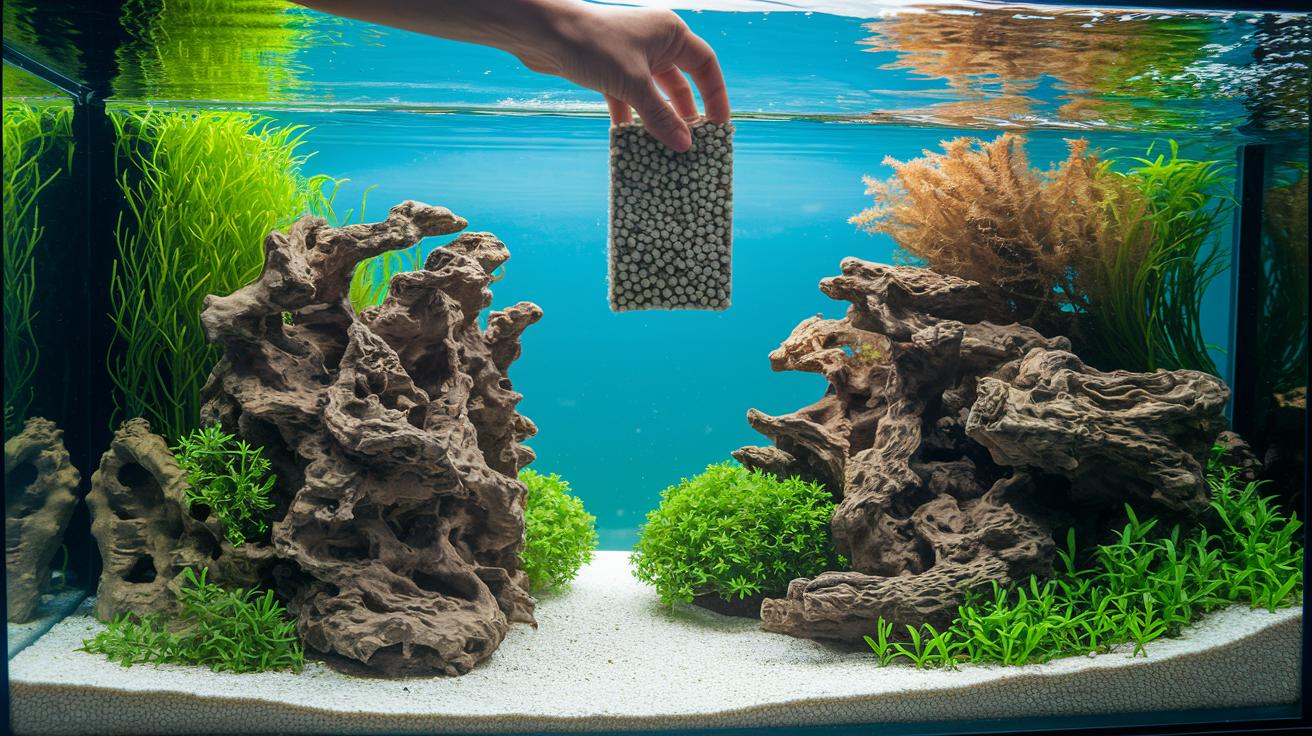
First, take a moment to check how your filter is doing. If you notice the water flow slowing down or the pressure going up, it’s like your tank is giving you a little nudge, it might be time for a cartridge swap, usually every one to three months depending on how busy your tank is.
-
Unplug your filter and gently remove the media. This keeps debris from spreading and protects the little bacteria that call your tank home.
-
Next, rinse your mechanical media in water that’s free of chlorine, this is the kind of water that won’t hurt your fish or their tiny helpers. This rinse washes away built-up debris while keeping the good bacteria safe. Remember, add any new media only after you’ve cleaned both the mechanical and biological parts. That way, you avoid clogging things up too soon.
-
For biological media like ceramic rings or bio balls, swap out only 30-50% at a time. Doing this gradually over a few weeks helps keep enough beneficial bacteria behind to keep everything running smoothly.
-
Once you’ve cleaned and done a partial replacement, carefully reassemble your filter. If you’re looking for genuine replacement cartridges and bio-media kits, check out the aquarium supplies online at the link provided.
Following these steps will keep your tank a safe, balanced haven where your fish can swim happily, and your filter can work like the gentle current in a peaceful stream.
Advanced Techniques to Improve Water Clarity Through Filter Media Care
A good first step is to add a coarse pre-filter sponge to your filter intake. This sponge works like a friendly bouncer, catching big bits like stray fish food and loose plant matter before they reach your main filter media. You might notice that when the sponge keeps out all the extra debris, your water flows smoothly without clogs.
Next, consider putting an air stone inside your sponge filter. The air stone sends out a flurry of tiny bubbles that gently stir the water, helping to push particles into the sponge. This subtle current not only boosts particle capture but also quiets the usual filter noise. Imagine a soft underwater dance of little bubbles, it's both a calming sight and a practical upgrade.
Then, you can add activated carbon into your sponge filter if you need to clear out tannins or any leftover medication residues. This chemical media works quietly in the background to sharpen clarity, without that extra extra compartment. By combining these simple tweaks, you keep your tank bright and healthy, letting your aquatic friends thrive in clear, inviting water.
Troubleshooting Aquarium Filter Media Performance
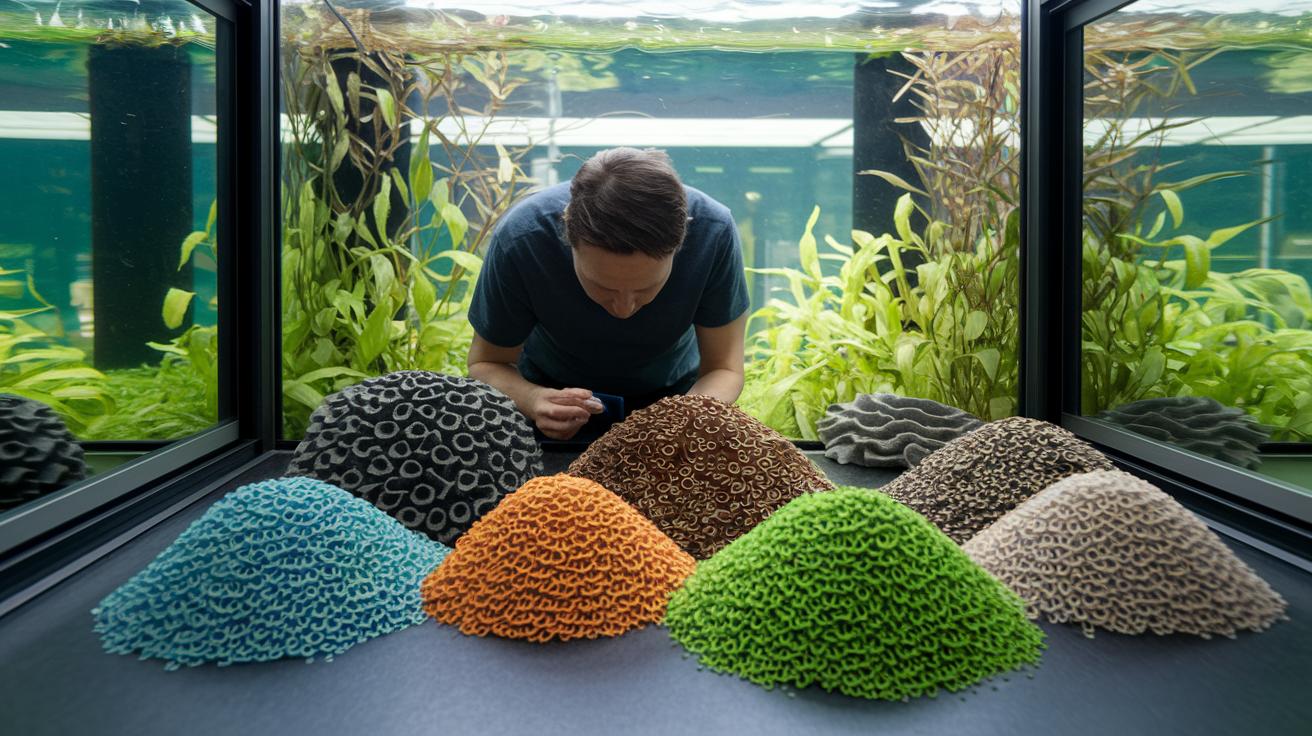
Keep an eye out for early signs that your filter media is having a hard time. If the water feels like it's slowly trickling instead of flowing smoothly, or if the motor starts sounding a bit louder than usual, it could mean that debris is building up. Sometimes, a simple check of the impeller clearance and a gentle rinse of the intake tubing can bring things back to normal. For example, if the flow seems reduced, take a moment to look at the media for any signs of discoloration or compacted particles.
When your bio-media starts to feel slippery or smells off, it might be time to give your tank a partial water change. You can also try a light pulse rinse using water from the tank. Imagine it as giving your filter a little refreshing spritz on a warm afternoon, that small step can help get things back into balance without disturbing the good bacteria living inside.
If you find that you’re needing to swap out the filter cartridge more often than expected, it might not be the filter at fault at all. Instead, it could be extra waste in the tank or too much feeding that’s causing the issue. Spotting these little clues early means you can adjust your cleaning routine and keep your aquatic home clear and healthy.
Comparing Filter Media Types and Replacement Timetables
Keeping your tank sparkling clean starts with knowing the right time to change your filter media. Disposable cartridges are perfect for those just starting out. They trap lots of debris but need a swap every 1–3 months. Think of them like your favorite t-shirt, great to have around but replacing them often can add up.
Foam or floss pads are another friendly option. They catch tiny particles and need a peek every week with a rinse in tank water every two weeks. It’s like giving them a quick shower to clear away the day's work.
Activated carbon helps with chemical filtration, especially when you’re using medicines or handling tannins. To keep it fresh and effective, it’s best to replace every 4 weeks. When it comes to biological media, like ceramic rings or bio balls, a light pulse rinse every 3 months helps wash away buildup. These help create a cozy home for the good bacteria that manage waste, so a full replacement in 9–12 months works well.
Natural media, such as zeolite or peat, are swapped according to water tests, roughly every 2–4 weeks. This schedule keeps the water clear and your fish feeling happy and healthy.
| Media Type | Replacement Interval |
|---|---|
| Disposable Cartridges | 1–3 months |
| Foam/Floss Pads | Weekly check; rinse bi-weekly |
| Activated Carbon | Every 4 weeks |
| Ceramic Rings/Bio Balls | Pulse rinse every 3 months; full replace 9–12 months |
| Natural Media (Zeolite, Peat) | Every 2–4 weeks |
Final Words
In the action, this guide walked you through how aquarium filters work, set up a clear schedule, and offered practical ways to care for mechanical, biological, and chemical media. Each section gave hands-on tips for maintaining and replacing aquarium filter media, from cleaning cartridges to refining water clarity and troubleshooting performance. It leaves you with advice that’s simple to follow and grounded in everyday fish care. Enjoy creating a thriving underwater space, and remember that a little care goes a long way for your aquatic friends.
FAQ
How often should I change my aquarium filter media?
The frequency for changing aquarium filter media depends on the media type and tank conditions. Replace disposable cartridges every 1–3 months and pulse-rinse biological media every 2–3 months to keep your water clear and balanced.
What are some tips for maintaining and cleaning aquarium filter media?
Maintaining and cleaning filter media means gently rinsing them in dechlorinated water and following a regular schedule. This method preserves beneficial bacteria while keeping debris at bay for a healthier aquarium.
How often should I change my aquarium filter pads and biological filter media?
For filter pads, a rinse or replacement every few weeks usually works best, while biological media should be pulse-rinsed every 2–3 months. These intervals support proper water flow and protect your bacterial colony.
How can I change aquarium filter media without losing beneficial bacteria?
To change filter media without losing beneficial bacteria, replace only 30–50% of the biological media at once and carefully rinse mechanical parts in tank water—this helps maintain essential colonies while refreshing your setup.
How do I add a new filter to an established tank?
Adding a new filter to an established tank means matching the new unit with your current setup, positioning it correctly, and following the manufacturer’s guidelines so the tank’s beneficial bacteria can gradually adjust.
What is the procedure for changing an aquarium filter cartridge?
Changing a filter cartridge involves turning off the filter, removing the old cartridge, and inserting a new one according to instructions. This ensures optimal performance and helps maintain water clarity.
How often should I change or clean Fluval filter media?
Fluval filter media generally requires cleaning or replacement every 1–3 months, depending on the tank’s workload and manufacturer recommendations, to keep your filter functioning efficiently and your water pristine.