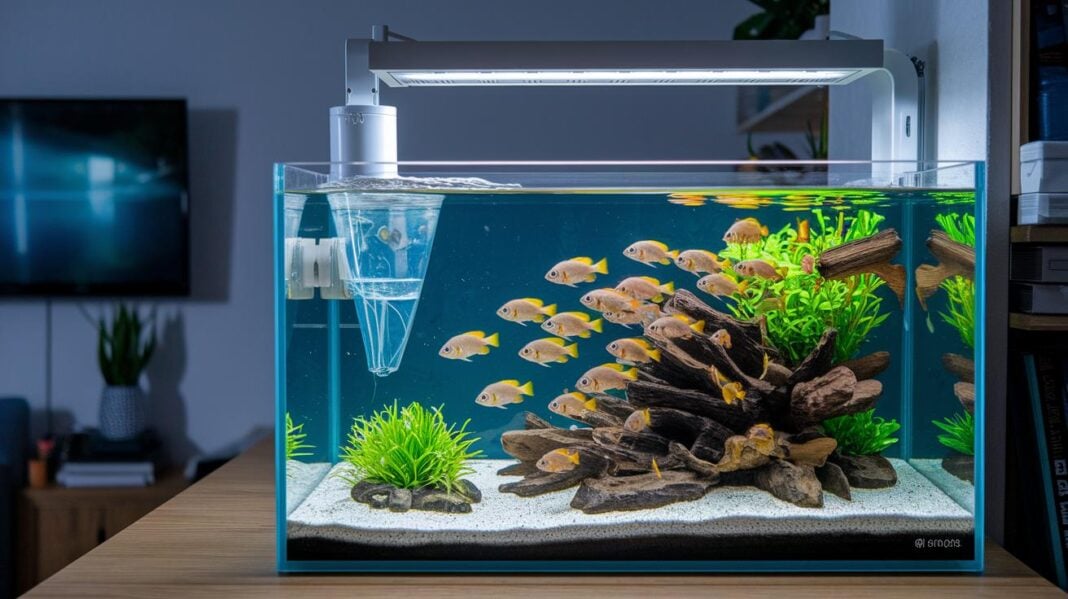

Ever wonder if your aquarium filter is snug enough for a calm setup? A loose filter can stir up extra noise and mess with the gentle water flow your fish enjoy.
In this guide, we'll chat about setting up your hang-on filter just right. First, choose a cozy spot on your tank, then work on easing out any trapped air, and finally, make sure everything stays level.
With these easy, step-by-step tips, you'll create a peaceful, bubbling home where your fish can swim happily and plain water becomes a soothing sight to behold.
Essential Steps to Secure Hang-On Filters for Your Aquarium
First, pick a firm spot on your aquarium’s side to hang your filter just like you’d choose the perfect place for a favorite picture. A stable mount keeps the filter steady as water flows through, so make sure the bracket holds its weight evenly without any swaying. Also, check that the output pipe sits below the waterline to avoid noisy bubbles and foam. It’s a bit like hanging a frame that has to stay level to look just right.
Next, fill the filter with water to push out any trapped air in the intake tube or impeller housing, the part that helps move the water. Then, adjust the intake tube to a half-flow setting before placing the basket back in position. This step helps clear any leftover air, ensuring your filter runs as smoothly and quietly as a gentle stream.
Here’s a simple step-by-step guide to follow:
| Step | Action |
|---|---|
| 1 | Securely hang the filter bracket on a stable spot |
| 2 | Set the intake tube to half-flow to clear air bubbles |
| 3 | Ensure the output nozzle is below the waterline |
| 4 | Tighten the mounting clip and verify the filter is level |
Finally, take a moment to recheck all your adjustments to make sure everything is secure and running quietly. This careful setup not only keeps your aquarium water clear but also creates a calm rhythm in your fish care routine. Ever notice how a well-set filter makes your whole tank feel like a peaceful underwater retreat? Enjoy watching your aquatic friends thrive in their clear, serene home.
Tools and Materials for Reliable Hang-On Filter Stability
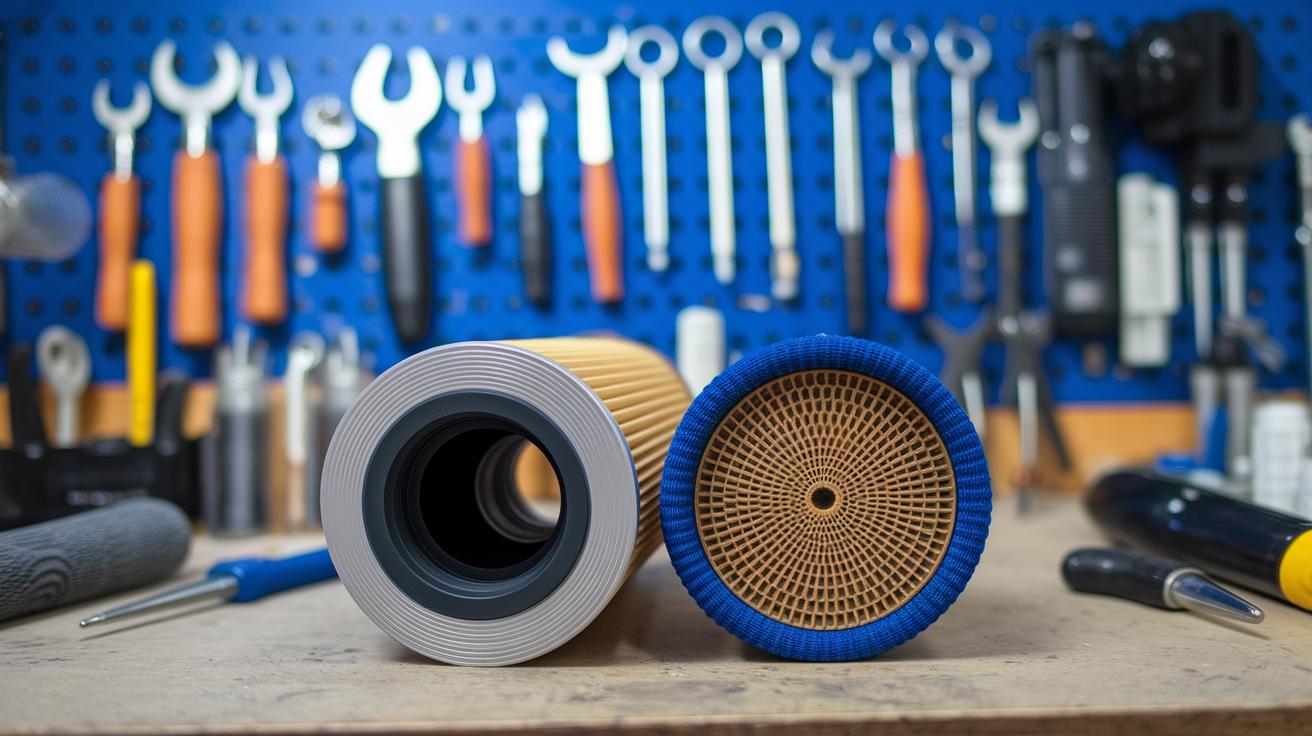
When you set up your hang-on filter, having the right tools makes the job easier and keeps everything steady and quiet. Using a factory filter guard or a sponge sleeve cut just right can work wonders, helping your filter stay in place.
Special items like a nylon stocking sleeve over the inlet strainers protect even the tiniest occupants, and an intake pre-filter sponge, often called a filter sock, stops debris from reaching the motor.
| Component | Description |
|---|---|
| Filter guard or sponge roll | Provides a pre-made barrier to stabilize the filter |
| Nylon stocking sleeve | Fits over inlet strainers to keep small creatures safe |
| Intake pre-filter sponge | Blocks unwanted debris from reaching the motor |
| Zip-tie clamps | Secure components in place |
| Silicone bumpers | Add grip and absorb shocks |
| Aquarium-safe super glue | Bonds items without harming your tank’s life |
Every one of these items teams up to create a non-slip mounting system that keeps your filter secure. The filter guard acts like a ready-made barrier, while the silicone bumpers add extra grip and cushioning. Next, when you shop for these parts, look for aquarium-specific or marine-grade products at your local pet store or trusted online retailers. Using high-quality materials not only keeps your filter secure but also helps maintain a happy, healthy home for your aquatic friends.
Advanced Fish Tank Fastening Practices and Locking Mechanisms
Custom Support Brackets
When you tweak your filter by adding extra ceramic rings or removing the mesh, the weight inside changes and makes it trickier for the filter to hang right. A neat fix is to craft a custom support bracket out of a 3 mm acrylic L-bracket with adjustable slots. This simple bracket helps you fine-tune the balance and tension of your filter as its weight shifts. Think of it like adjusting a seesaw, little tweaks make a big difference. This idea works especially well on a budget filter that uses a plastic divider to separate a sponge on one side from ceramic rings on the other.
Clip-and-Lock Kits
Sometimes, an off-the-shelf solution is the way to go. Clip-and-lock kits come with screw-tightened clamps and rubber pads that snugly hold your filter in place. They let you adjust the tension without risking any harm to your filter's housing. It’s a great option if your setup is heavier or has been modified a bit over time. Plus, these kits help cut down on vibrations and keep everything stable, so you can enjoy your underwater world without any worries.
Non-Slip Mounting Techniques and Anti-Vibration Fixations
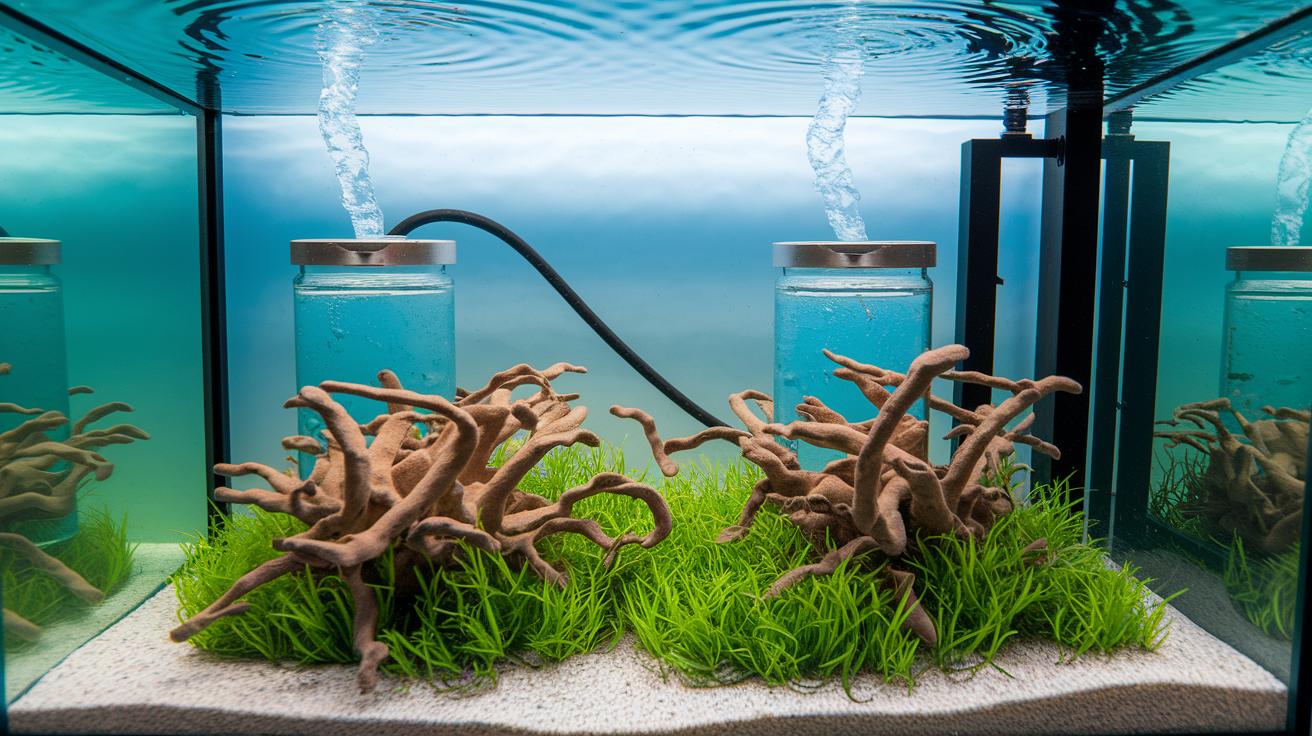
Sometimes, budget hang-on-back filters can shudder when the water doesn’t flow evenly over all the filter media. This uneven flow can create annoying noise and even make the filter slowly come loose, much like a picture frame that’s not quite secured. By using a few anti-vibration tricks, you can enjoy a quieter, steadier setup that feels just right for your aquatic pals.
One neat tip is to tuck an air stone inside a pre-filter sponge. This little tweak helps break bigger bubbles into tiny ones, creating a smooth, gentle flow instead of random splashes or rattles. Plus, some filters, like internal canister models such as the Sicci Shark nano, already have built-in damping mechanisms to cut down on vibration. And if you add rubber gaskets or silicone pads where the mount meets the wall, you get extra grip to keep everything in place.
| Technique | Material | Benefit |
|---|---|---|
| Rubber Pad Cushion | EPDM Rubber | Grips glass edge and stops slipping |
| Silicone Bumpers | Silicone Feet | Soaks up vibrations |
| Foam Strip Under Bracket | Closed-cell Foam | Levels the mount and cuts down on rattles |
These simple fixes work together to keep your filter stable and create a calm underwater haven for your fish.
Troubleshooting and Maintenance Tips for Secure Hang-On Filters
If your hang-on filter isn't working as smoothly as it did before, consider switching from disposable cartridges to reusable media. Reusable options last longer, about 1–3 months, and keep your routine simple. And if your filter lacks a media chamber, try placing activated carbon in a sponge. This tweak helps keep the water flow steady and prevents your setup from getting cluttered with extra filtration units. Plus, using professional safety accessories can result in a sturdier, quieter tank than makeshift fixes.
When things feel a bit off with your filter's attachment, take a moment to check a few common fixes. For example, a mounting clip might loosen over time, or foam could build up under the bracket, which can cause unwanted vibrations. You might also find an air-lock in the intake tube or an old, worn pre-filter sponge affecting the water flow. And if the output nozzle isn’t in the right spot, it might lead to noisy water and extra bubbles. Here’s a quick look at some common issues:
| Issue |
|---|
| Loose mounting clip |
| Foam buildup under bracket |
| Air-lock in intake tube |
| Worn pre-filter sponge |
| Misaligned output nozzle |
Set aside a little time each quarter to check on your filter attachments. Make sure all clips are tight, the intake lines are free of air pockets, and every component is lined up correctly. Regular maintenance keeps your filter running quietly, so your aquatic world stays calm and safe.
Final Words
In the action, this guide walked you through mounting your hang-on filter, from setting the bracket to checking water flow and verifying proper intake placement. The discussion also covered effective anti-vibration fixes with rubber pads and silicone bumpers, plus a look at smart troubleshooting and quarterly upkeep.
We wrapped up with a look at advanced fastening tips and a handy list of installation steps. Following these clear directions shows how to secure hang-on filters for your aquarium and keep your aquatic setup calm and balanced.
FAQ
How do I attach and maintain a hang-on fish filter?
Attaching and maintaining your fish filter means first securing the mounting bracket firmly, then adjusting the intake tube flow to remove trapped air and ensuring the output nozzle sits below the waterline for balanced, quiet operation.
How do I keep a filter from floating?
Keeping your filter from floating starts with a solid mounting clip and proper weight balance. Adjusting the flow rate and securing all parts prevent movement, keeping the filter stable and effective.
How do I hide aquarium filter tubes?
Hiding filter tubes can be achieved by neatly routing them behind decorative elements or using decorative sleeves. This creates a cleaner look while still allowing water flow and filter performance.