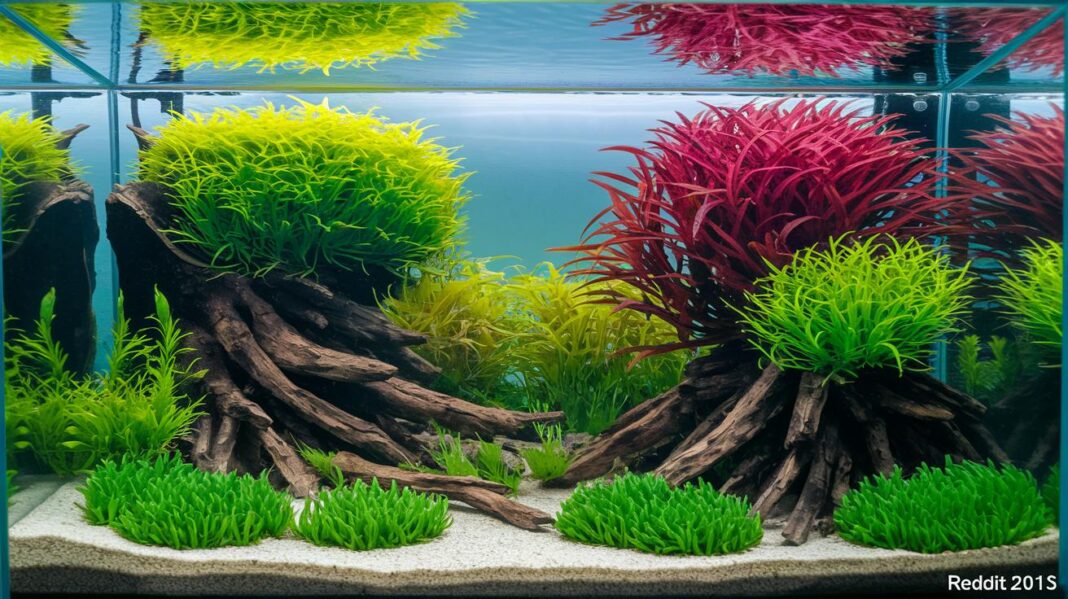

Ever notice how your tank can seem a bit empty sometimes? Just a few lively freshwater plants can work wonders. These three easy choices boost oxygen, cut down on bad chemicals, and create cozy hideaways for your fish. It’s like adding natural air fresheners that turn your aquarium into a bright, healthy oasis.
Today, let's chat about how a few plants can make your tank look radiant while keeping the water balanced and inviting for all your aquatic pals.
Benefits of Freshwater Aquarium Plants for Tank Health
Adding live plants to your freshwater aquarium is like giving your tank a breath of fresh air. They boost oxygen levels through photosynthesis (that’s when plants use sunlight to make oxygen), helping keep your water clean and balanced. In fact, one study found that tanks with live vegetation saw a big drop in nitrate levels within just a few weeks. It’s a simple tip that supports both your tank’s natural cleaner and a well-rounded underwater world.
Live plants also create natural nooks and crannies for your fish and invertebrates. Think of them as cozy hideouts where your fish can relax and feel secure, especially during times of change. Plants such as Cryptocoryne or Java Fern not only beautify your tank but also ease stress, mimicking the comforting environment they’d find in nature. Plus, the gentle ripple of leaves dancing in the water adds a soothing, peaceful vibe.
For aquarium beginners, freshwater plants are a friendly way to set up a balanced tank. Many species, like Anubias, Amazon Sword, and Moneywort, flourish under low-to-mid lighting and minimal CO₂. They’re easy to care for and make your tank look natural, all while teaching you the basics of aquatic plant care. It’s like starting your underwater adventure with a little bit of nature’s own magic.
Top Easy Freshwater Aquarium Plants for Beginners
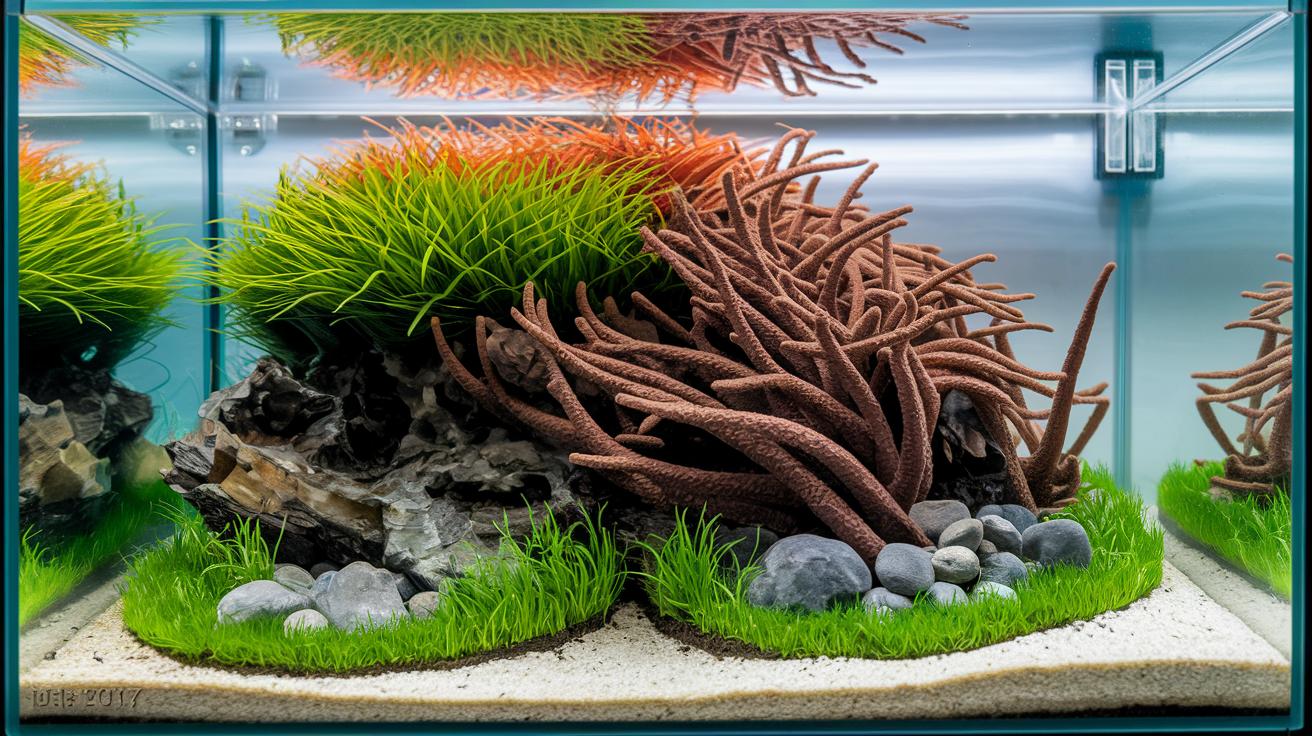
If you're just starting with aquascaping, these six friendly plants are perfect for you. They thrive in low light without needing extra CO₂, so you can spend more time enjoying the beauty of your tank and less time on upkeep.
Here's a quick rundown:
- Anubias: This tough plant clings to driftwood or rocks and does well in gentle light.
- Java Fern: Its unique growth brings a natural look to your tank, even without added CO₂.
- Cryptocoryne: Often called Crypts, it adjusts to various water setups while giving your tank a lush green vibe.
- Amazon Sword: With its broad, striking leaves, it makes a lovely background feature, especially when paired with root tabs.
- Moneywort: Known for its fast-growing stems, it adds a bright touch to the midground.
- Hornwort: Whether floating or rooted, this hardy plant handles different tank conditions with ease.
Each of these easy-care options lights up your freshwater home with style and simplicity. Enjoy setting up your aquarium and watching your new aquatic friends thrive!
Freshwater Aquarium Plants: Lighting, Substrate, and CO₂ Requirements
Creating a cozy underwater home for your plants is a lot like setting up a little garden by the water's edge. A proper balance of soft lighting, a good substrate for the roots, and just the right touch of CO₂ helps all your aquatic gems grow happily, even in simpler tank setups.
Lighting Strategies
Finding the perfect light is like inviting the gentle sun to play in your tank. For plants that love a soft glow, keeping a steady light schedule works wonders without overwhelming them. Choose a light that feels like natural sunshine so your plants can easily do their photosynthesis dance. Just think about how sunlight filters softly through a forest canopy; that's the vibe you want in your aquarium.
Substrate Selection
The base under your plants is key to their health, much like rich soil in a garden. Nutrient-packed aqua soils are great because they feed your plants right from the start, especially in mid-tech tanks. If you're using plain gravel, remember you might need to add extra nutrients, and layering it carefully helps keep the roots secure. For plants like Java Fern with delicate roots, it's best to tie them to driftwood or rocks instead of burying them. Sometimes a little rock wool can guide young roots until they're strong enough to settle in.
CO₂ Injection and Supplements
Many simple tanks do just fine with the natural levels of CO₂, but some plants really enjoy a little extra boost. If you're growing more delicate or demanding species, adding CO₂ can brighten their green and support vibrant growth. Whether you go DIY or use a pressurized setup, matching your CO₂ dose to your plants' needs and occasionally feeding them extra nutrients can create a thriving underwater garden that feels as serene as a quiet stream.
Maintaining Freshwater Aquarium Plants: Pruning, Fertilization, and Algae Control
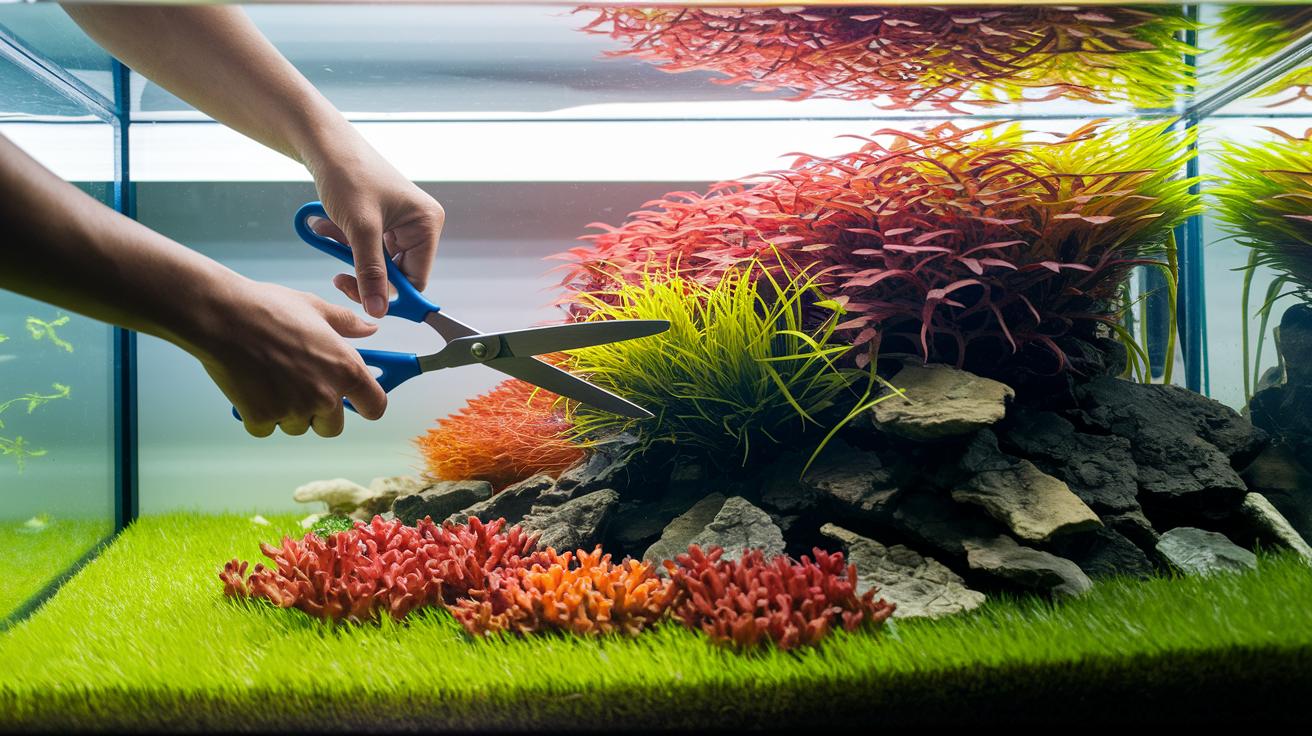
Taking good care of your aquarium plants is like tending a little underwater garden. Regular attention, snipping, feeding, and a bit of algae trimming, keeps your tank bright and balanced.
Pruning and Trimming
When you trim leggy stems and clear away old, decaying leaves, you’re giving your plants a fresh start. Use clean, sharp scissors made for aquatic plants so you only cut the parts that need it. It’s best to do this early in the day when the light is soft, helping your plants adjust smoothly.
Nutrient Supplementation
Feeding your plants the right nutrients is a simple step that makes a big difference. Root tabs full of iron are great for heavy feeders like the Amazon Sword, while liquid fertilizers help enrich the water for other plants. Set up a routine that fits with your tank’s light cycle, and your garden will grow steadily without extra nutrients sparking unwanted algae.
Algae Control
Keeping algae in check is all about regular care. Look closely behind decorations or under plant leaves to catch any green or brown spots early. Use a soft brush or siphon gently to remove them. Adjusting your light exposure and matching nutrient doses to your plants’ needs works like a natural filter, keeping your water clear and your plants free to flourish.
Creative Freshwater Aquarium Plant Layouts and Aquascaping Ideas
Imagine your tank as a tiny underwater art show. You can choose from relaxing natural settings to clever, detailed designs that give you plenty of ideas for both a pretty aquascape and a creative tank garden. With simple natural techniques, you can group plants so that bold, leafy features pop in the back while softer colors and textures play in the front. Picture, for instance, a peaceful Amazon Sword mingling with the lively Vallisneria to create a balanced scene that catches your eye.
Start by planting each species where it naturally belongs. Try placing bunches of Cryptocoryne or Anubias in the middle to build depth, while clusters of Dwarf Sagittaria or a carpet of Java Moss create a rich, green foreground. Adding floating plants like Duckweed or a small cup of Red Root Floaters brings gentle movement and a touch of brightness to the top of your tank.
If you want to keep things simple, there are plenty of DIY options. Many fish keepers pick plant-only packages or bundle deals that sort species by where they go in the tank. With these kits, everything is already grouped from the background to the front, so you can focus on arranging your plants just right and simply enjoy your tank’s natural beauty. For even more ease, check out the supplies at your favorite aquarium store.
Propagation Techniques for Freshwater Aquarium Plants: Runners, Cuttings, and Seeds
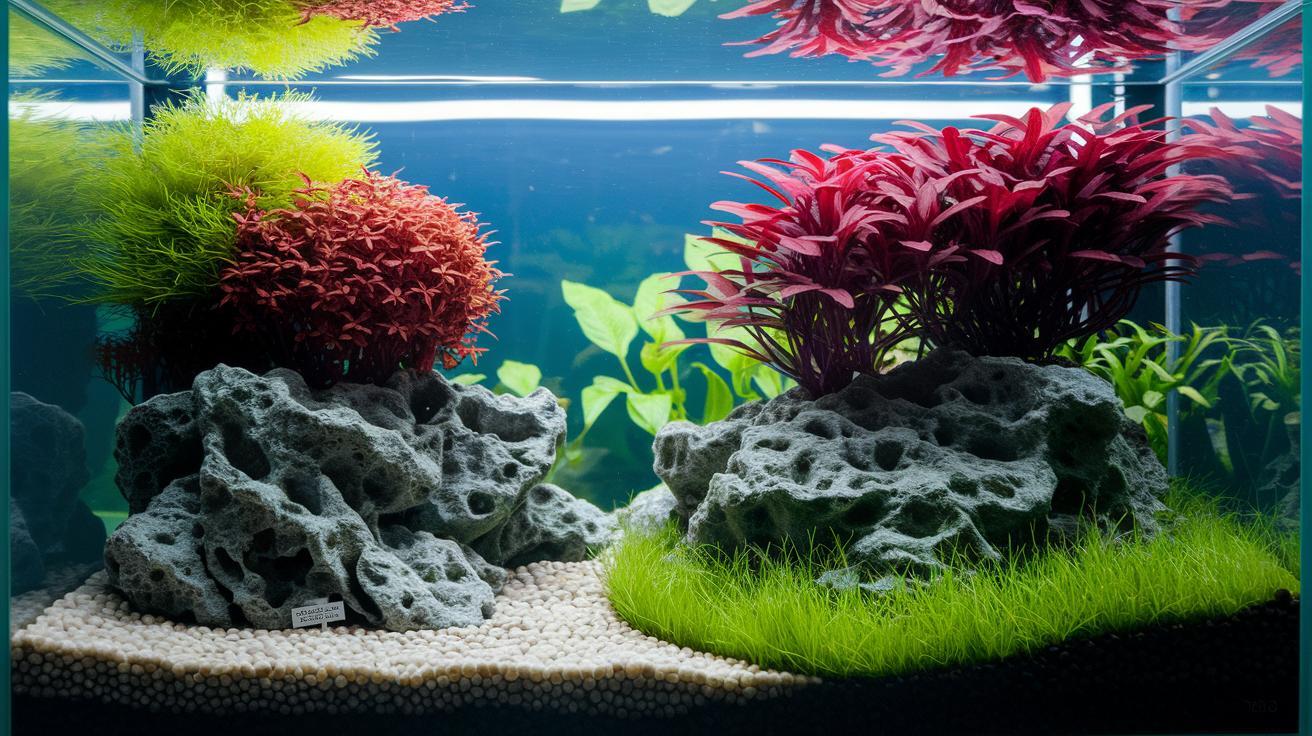
If you're looking to boost the numbers in your aquarium, try starting with vegetative methods that let your plants multiply naturally. Many fish tank lovers take runners from Cryptocoryne or Java Fern and gently split them off into small clumps that stick to the décor and start growing quickly. You might also save those little baby plants from an Amazon Sword's base, giving them time to become strong all by themselves. And for stem cuttings, pop them into rock wool pods where they get the support they need until roots begin to form. It's a simple, hands-on way to build your underwater garden, step by step.
When it comes to growing delicate, floating species from seeds, using seed trays and rock wool pods really works well. By carefully placing seeds or tiny cuttings into these little nurseries, you're giving them the perfect mix of moisture and support to start their root journey. This method lets you nurture new plants until they're hardy enough to move into your main tank. It’s a fun, creative way to plan and expand your aquatic setup, all while enjoying the process of watching your underwater world flourish.
Final Words
In the action, we explored how well chosen green companions can boost tank cleanliness, oxygen levels, and safe hiding spots for fish. The guide broke down simple plant choices, smart lighting, substrate tips, and methods for keeping growth neat and healthy.
Each section shared advice that fits naturally into everyday setups, making it easier for anyone to build a lively aquatic setting. With freshwater aquarium plants, every tank turns into a stunning, healthy habitat for your finned friends.
FAQ
Which live aquarium plants are ideal for beginners and freshwater fish tanks?
The live aquarium plants ideal for beginners and freshwater fish tanks include options like Java Fern and Anubias, which thrive in low light and need minimal care.
What does a freshwater aquarium plants list with pictures and the best selections include?
The freshwater aquarium plants lists with pictures typically feature approachable plants such as Amazon Sword and Cryptocoryne, offering both ease of care and natural beauty.
Where can I find freshwater aquarium plants for sale, near me, or even at Petco?
The search for freshwater aquarium plants for sale or nearby often leads you to local pet stores or chains like Petco, where a variety of live aquatic plants are available.
Which live aquarium plants work well for betta tanks?
The live aquarium plants recommended for betta tanks include Java Fern and Anubias, as they provide safe hiding spots and calm surroundings for bettas.
What is the fastest growing aquarium plant for beginners?
The fastest growing aquarium plant for beginners is often Moneywort, known for its rapid spread and ability to quickly add lush greenery to your tank.
What is the hardiest floating plant in a fish tank?
The hardiest floating plant in a fish tank is generally Hornwort, prized for its resilience and adaptability, thriving without the need for a substrate.
Are planted aquariums hard to maintain?
Planted aquariums are not hard to maintain when you choose low-maintenance species and stick to a simple care routine, making them perfect even for newcomers.