
Have you ever noticed some tanks bursting with life while others just seem to struggle? It turns out a few simple tips can turn things around. Keeping your water steady feels a bit like letting a calm tide set in, creating the perfect home for your fishy friends.
Start by keeping the water at a steady temperature, like the gentle warmth of a summer day by the shore. Introducing new fish slowly also helps, much like easing into a fun swim. And don't forget to check the water often; it’s like giving your tank a little refresh, ensuring every fish feels safe and at home.
Soon, your aquarium will feel as peaceful as a quiet cove, where every ripple sings a gentle song of care and contentment.
Foundational Fish Care Tips for Beginners: Happy Aquatic Life
Keeping your tank's conditions steady is the key to a joyful underwater world. Maintaining a water temperature between 74 and 80°F (that’s 23-27°C) creates a calm, welcoming space for your fish. It helps to do a bit of homework on each species’ size and nature before you bring them home; think of your aquarium as a little neighborhood where every fish deserves its own corner.
Starting a new tank means patiently waiting for nature to work its magic. Over about 4 to 6 weeks, friendly bacteria grow and turn harmful ammonia into nitrite and then nitrate. It’s like setting up a natural filter system that keeps your water safe. I like to check the water every week with a simple test kit, just as you’d glance at your car’s gauges before a long drive, to catch any worries early.
When it comes to adding your new aquatic pals, remember to take it slow. A safe rule is one inch of fish per gallon of water, ensuring that there's enough room for everyone to swim happily. Keeping the numbers just right prevents stress and helps create a balanced, thriving aquarium.
Aquarium Setup Tips for New Fish Keepers
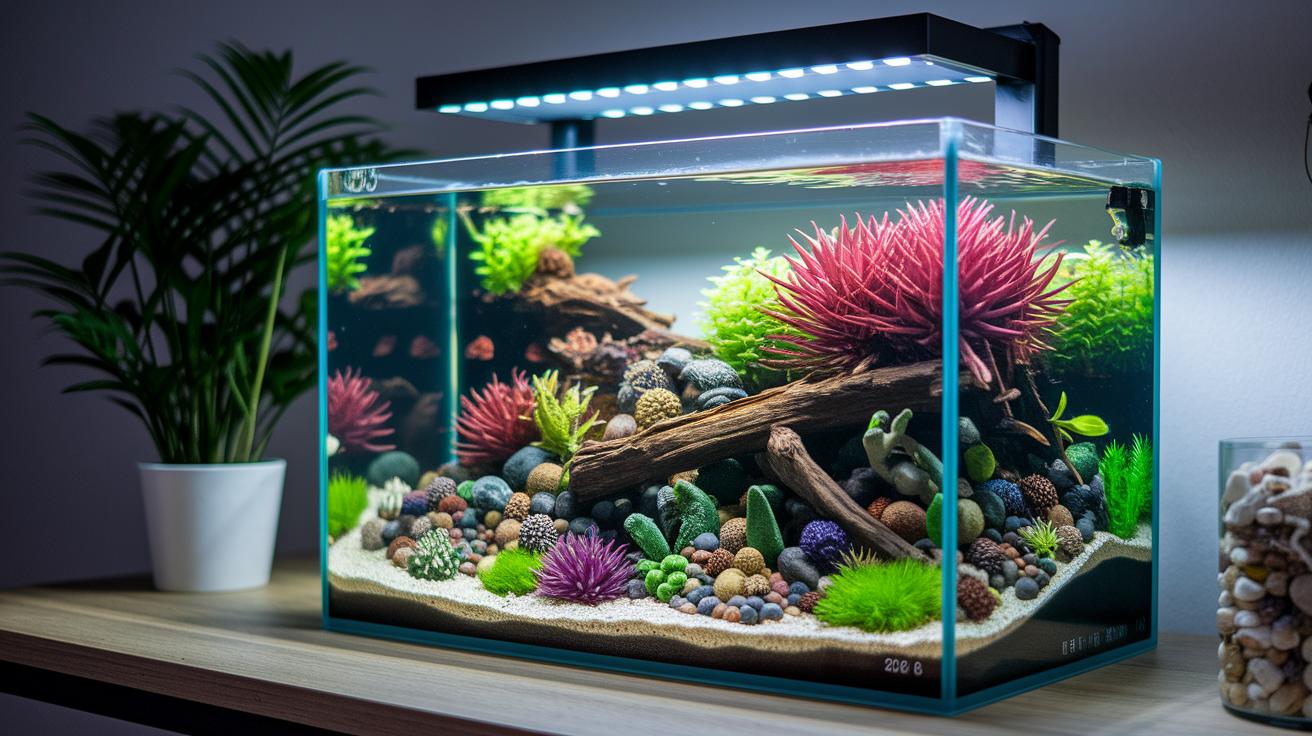
If you’re just starting out in fish keeping, the first step is to pick a tank with a steady size. A 10–20 gallon tank is a solid choice because it gives your fish plenty of room to swim and helps keep the water temperature consistent. Try setting up your tank in a quiet nook away from direct sunlight, vents, or busy walkways so your little aquatic buddies feel safe and calm, like finding a peaceful cove in a busy ocean.
When it comes to the gear, a good filter and heater are absolutely essential. You want a filter that moves water around at a rate equivalent to 4 to 6 times your tank’s full volume every hour. For instance, if you have a 20-gallon tank, a filter pumping about 100–120 gallons per hour is just right. A heater is also needed to keep the water in that cozy range of 74–80°F. Start your setup by adding 1–2 inches of gravel or sand; think of it as the soft, welcoming carpet at the bottom for your new underwater home.
Decor also plays a big part in making your tank feel like a natural hiding place. Adding live plants or rock caves gives your fish spots to hide and explore, which not only enhances the tank’s beauty but also helps lower their stress by creating a more familiar, natural environment. Picture your aquarium as a mini aquatic park where each element, from a bunch of lively plants to a few key decorative pieces, works together to encourage natural fish behavior. For many beginners, a popular starter option is a 20-gallon tank, which really brings out the best in creating a balanced, healthy space for your aquatic friends.
Water Quality Monitoring for Beginner Fish Care
The nitrogen cycle is the lifeblood of keeping your tank water clean. Over 4 to 6 weeks, harmful ammonia slowly turns into nitrite and then into nitrate. Think of it like a little team of friendly bacteria that helps keep your water safe. Imagine your aquarium as a tiny bustling city where these helpers change dangerous waste into things that are not harmful, giving your fish a cozy, healthy home.
| Parameter | Ideal Range | Maximum |
|---|---|---|
| Temperature | 74–80°F | 82°F |
| pH | 6.5–7.5 | 8.0 |
| Ammonia | 0 ppm | 0.25 ppm |
| Nitrite | 0 ppm | 0.25 ppm |
| Nitrate | <20 ppm | 40 ppm |
Keeping an eye on these water details is super important for a happy tank. Check your water every week using liquid tests or strips, and jot down the numbers so you can see any changes. It’s a bit like checking your car’s oil, a small, regular check can stop a big problem later. Try to change about 25% of your water each week to keep nitrate levels low and wash away any waste. Think of it as giving your friendly bacteria a fresh start. Sticking to this routine helps the nitrogen cycle work its magic, and your fish will enjoy a safer, happier home every day.
Choosing Beginner-Friendly Fish Species
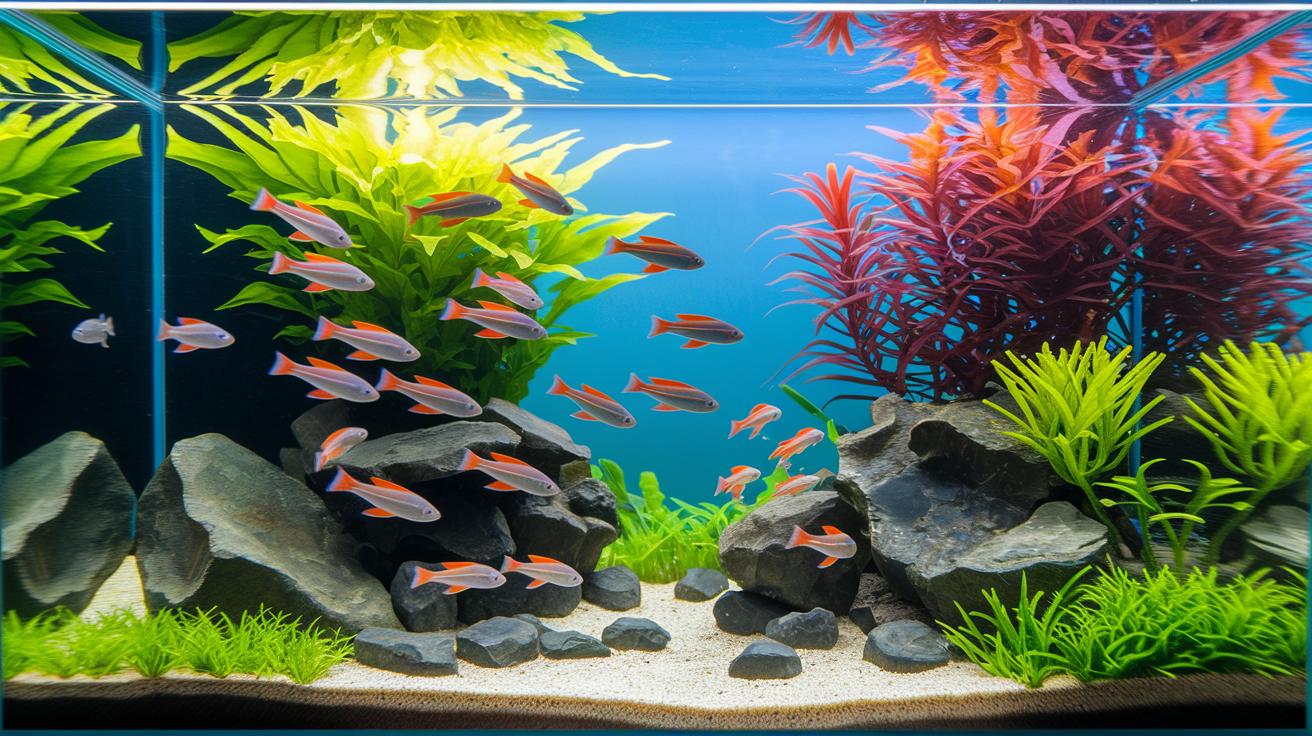
Choosing the right fish is like finding the perfect buddy for your tank. When you pick hardy fish that easily adjust to small water changes, you get more happy moments watching them glide around. The right mix creates a calm and balanced underwater world that teaches you the joys of good fish care.
- Neon tetras: These little beauties light up the tank with their bright colors and aren’t too picky about small water shifts.
- Guppies: With their lively colors and small size, they bring a burst of joy to your aquarium.
- Platies: These gentle swimmers adapt well to slight water changes and add a peaceful vibe.
- Zebra danios: Always on the move, they handle moderate conditions and add a fun splash of energy.
- Corydoras catfish: Soft-natured bottom dwellers that help clean up leftovers and easily fit into smaller setups.
Mixing different fish without checking their compatibility can create stress and fights. It’s best to avoid pairing aggressive or big species with the small, peaceful ones. When you choose fish with similar needs and temperaments, you build a thriving underwater community that makes your tank a happy home.
Feeding Tips for Fish Care Beginners
When you set up a regular feeding routine, your fish stay happy and healthy. I like to feed small servings twice a day, just enough for the fish to eat in about 2 to 3 minutes. This way, you avoid overfeeding and keep the tank clean by leaving little behind.
Pick out good-quality flakes, pellets, or frozen food that suits your fish's needs. Then, once a week, add a fun twist with live or frozen brine shrimp or bloodworms. These treats not only boost their nutrition but also make mealtime feel like a little celebration.
After feeding, take a quick look at the tank, about five minutes later, and remove any extra food that’s left. This simple step helps keep the water clear and safe by stopping any leftover food from breaking down into unwanted chemicals. It's all about keeping your underwater home as bright and lively as can be.
Routine Maintenance for Beginner Fish Care
-
Swap out about 25% of your tank water every week. Make sure the new water is dechlorinated and warmed to match your tank's temperature. Think of it like giving your fish a refreshing, clean drink.
-
Wipe down the glass and decorations with an algae scraper or magnetic cleaner. It's kind of like polishing a window so your fish can enjoy a bright view.
-
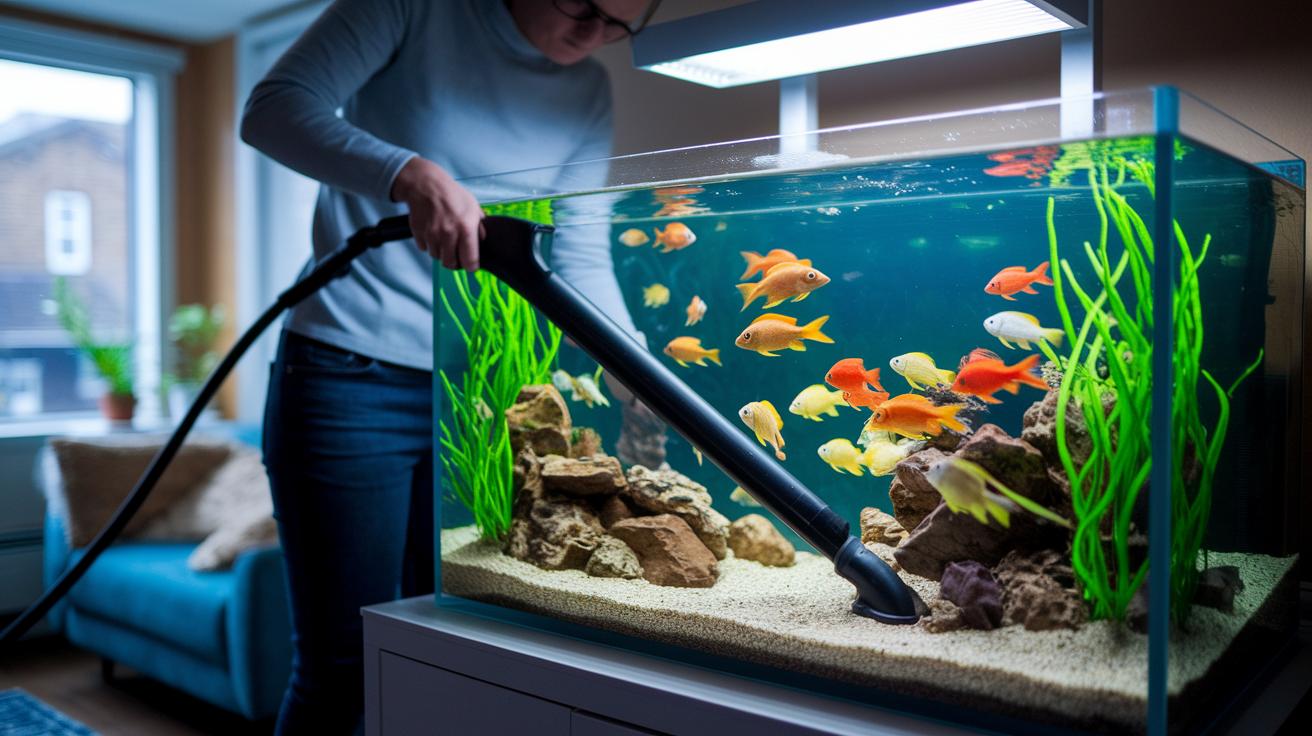
During your water change, gently vacuum the substrate to pick up any leftover particles. This step is just like tidying up crumbs after a snack to keep everything neat.
Taking a few minutes each week for these tasks ensures a sparkling, healthy home for your aquatic pals. And don’t forget to show some love to your tank’s filter once a month. Rinse the filter media in water taken straight from the tank instead of tap water. This helps keep the good bacteria that naturally clean your aquarium. Also, check and clean your tools, like that trusty algae scraper, and take a peek at your aquarium cleaning supplies to make sure everything is running smoothly. This regular routine keeps your water quality high, making your underwater world vibrant and welcoming every day.
Final Words
In the action, our guide helped break down key aquarium basics like stable temperature, proper tank cycling, and careful fish selection. We talked about choosing beginner-friendly species, creating a comfy underwater home, and keeping water clean by testing and changing it weekly. These fish care tips for beginners remind us that a bit of daily routine goes a long way. Enjoy setting up your tank and watching your aquatic haven thrive, each little step brings you closer to a happy, healthy environment for your fish.
FAQ
How does maintaining stable conditions help my fish?
Maintaining stable conditions helps your fish stay healthy by keeping the water temperature at 74–80°F. This calm environment lets beneficial bacteria thrive and minimizes stressful changes for your aquatic pets.
How long does the nitrogen cycle take in a new tank?
The nitrogen cycle takes 4–6 weeks, during which beneficial bacteria build up to convert toxic ammonia to nitrite and then to nitrate. This process safeguards your fish once the cycle is complete.
What tank size and setup are recommended for beginners?
A 10–20-gallon tank works best for beginners since it offers a stable environment. Place the tank away from direct sunlight, install a proper filter and heater, and add substrate with décor for hiding spots.
What are the ideal water quality parameters for fish care?
Ideal water quality means a temperature of 74–80°F, a pH range of 6.5–7.5, and no ammonia or nitrite, with nitrate kept below 20 ppm. Regular testing and water changes help maintain these levels.
Which fish species are best for beginners?
Beginners can choose neon tetras, guppies, platies, zebra danios, or corydoras catfish. These species are hardy, handle slight changes well, and fit comfortably in smaller tanks without overcrowding.
How should I feed my fish for good health?
Feed your fish small portions twice daily with high-quality flakes, pellets, or frozen options. Offer only what they can eat in 2–3 minutes, add a weekly treat like brine shrimp, and remove uneaten food quickly.
What routine maintenance tasks keep my aquarium healthy?
Weekly tasks include a 25% water change, cleaning glass surfaces, and vacuuming the substrate. Each month, rinse filter media gently in tank water to preserve beneficial bacteria and keep your aquarium clean and safe.