
Have you ever noticed that the very bottom of your tank might be hiding problems that affect both your fish and plants? Many fish keepers don’t think about the substrate, the material covering the tank floor, like gravel or sand, until small issues start spreading through their aquariums.
The right substrate does more than just create a pretty underwater landscape. It also offers a safe haven for tiny helper microbes, kind of like little cleaning crews that keep your water fresh. From plain, inert choices to mixes rich in nutrients, every option can change the overall health and look of your tank.
Stick with me, and you'll see how choosing the perfect substrate can transform your underwater world into a balanced, happier space. Isn't it amazing how a simple change can make your aquarium feel as serene as watching gentle ripples dance over smooth stones?
Selecting Aquarium Substrate Equipment: An Expert Overview
Choosing the right substrate for your aquarium is more than just making your tank look pretty. It creates a safe home for helpful bacteria that keep the water healthy for your fish and plants. When you shop around, think about the type of substrate, its grain size to match your layout, and if it gives nutrients to live plants. Did you know some aquarium friends pick plain gravel to keep things neat while also supporting a balanced tank?
There is no perfect choice that fits every setup. Your best option depends on your fish, the water’s pH, and your decorative dreams. You might need inert options like gravel and decorative sand, or you could go for nutrient-rich clay that mimics a natural riverbed. Matching your choice with your tank’s conditions is really important.
Also, consider how easy it is to keep clean and if extra fertilizers are needed. Inert substrates might call for added root fertilizers if you have heavy root feeders. Meanwhile, nutrient-rich substrates work great for planted tanks but may benefit from a top layer of inert sand to keep things clear. Picking the right combination ensures your aquarium stays healthy, eye-catching, and just right for your underwater buddies.
Types of Aquarium Substrate: Gravel, Sand & Soil Options
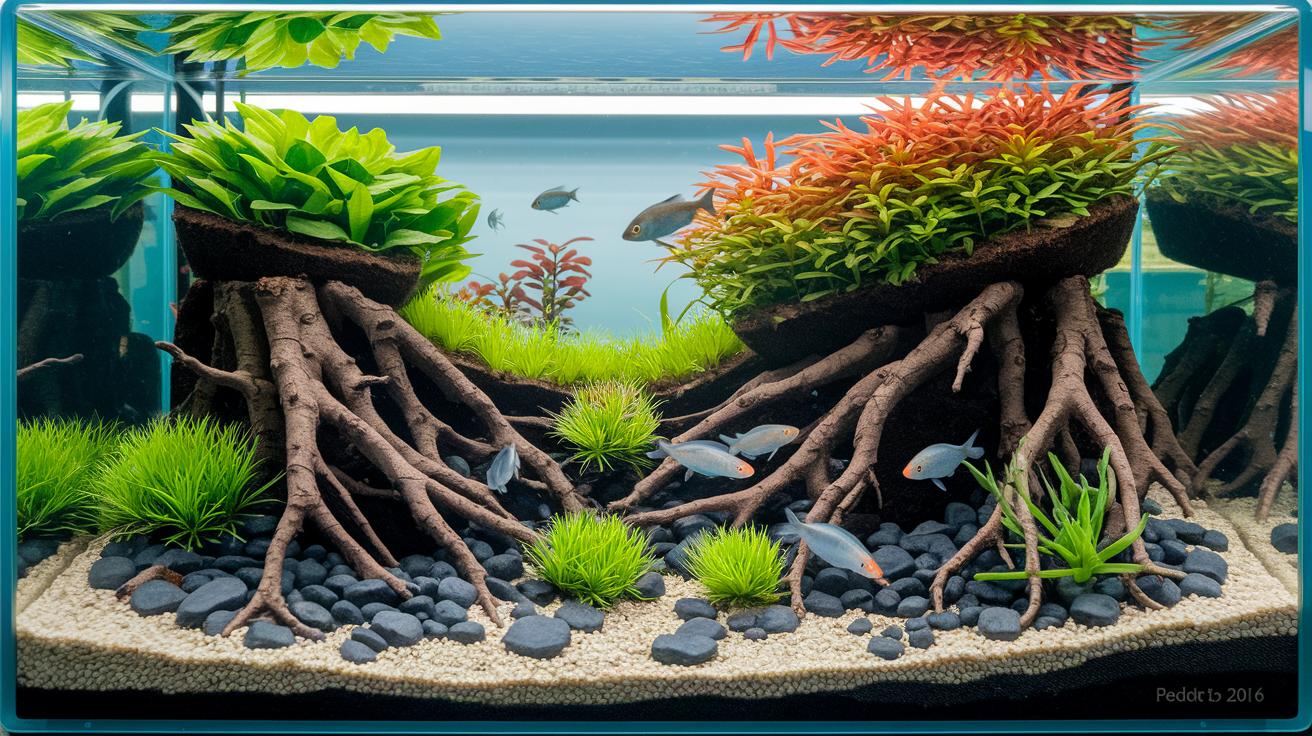
Picking the right substrate is like choosing the perfect stage for your underwater friends. It not only makes your tank look beautiful, but it also gives your fish and plants the support they need. There are two main types of substrate you can use in your aquarium.
One group includes nutrient-rich choices like organic soil or clay-based aqua-soil. These types act like a cozy bed for plant roots and slowly release important nutrients, much like a natural riverbed. Just remember, they might need a top layer of an inert material to keep the water clear if extra nutrients start to cloud your view.
The other group is made up of inert substrates, such as aquarium gravel or decorative sand. Their simple charm and low maintenance work well in tanks where a steady pH is key. If you choose these, you might need to add liquid nutrients or root tabs later if you have plants that eat up a lot of nutrients.
| Substrate Type | Key Features | Ideal Use |
|---|---|---|
| Nutrient-Rich (Organic Soil, Aqua-Soil) | Provides essential nutrients and supports a firm hold for plant roots | Great for planted aquariums with heavy root feeders; might need a cap of inert material |
| Inert (Gravel, Decorative Sand) | Simple beauty, easy upkeep, helps keep a neutral pH | Good for community tanks and setups without a focus on added nutrients |
| Decorative Sand | Fine texture, perfect for species that like to burrow | Best for tanks housing bottom-dwelling or burrowing fish |
By weighing these options and thinking about what your tank needs, you can create a setup that is both pretty and practical. Enjoy building your underwater paradise!
Essential Tools for Installing Aquarium Substrate Equipment
Setting up your aquarium with the right layers of substrate is key to creating a happy underwater home. The best tools not only make the job easier but also ensure that your tank looks neat and feels just right, whether it's a lively freshwater community or a vibrant planted oasis.
Here are five important tools to help you get started:
- A gentle substrate leveling rake
- A simple depth-measuring gauge (think of it like a chef’s ruler for your tank)
- A handy substrate scoop
- A fine-mesh sieve to strain out unwanted bits
- And a layering funnel for smooth pouring
For community tanks, aim for a small-grained gravel layer about 4-5 cm deep. This depth strikes the perfect balance between showing off your tank’s beauty and giving your aquatic friends plenty of space to glide. If you’re putting together a planted tank, start with a nutrient-rich base layer that’s 1-2 cm deep. This layer feeds your plants, and it’s topped off with a cover of inert gravel or sand to keep things clear and calm.
Using these tools lets you build clean, even layers that boost both the look and the health of your tank. It’s like measuring and mixing ingredients for your favorite recipe, careful steps lead to a fantastic result. Enjoy the process and think of it as creating a little underwater world where every ripple matters.
Maintaining Aquarium Substrate Equipment: Cleaning & Upkeep
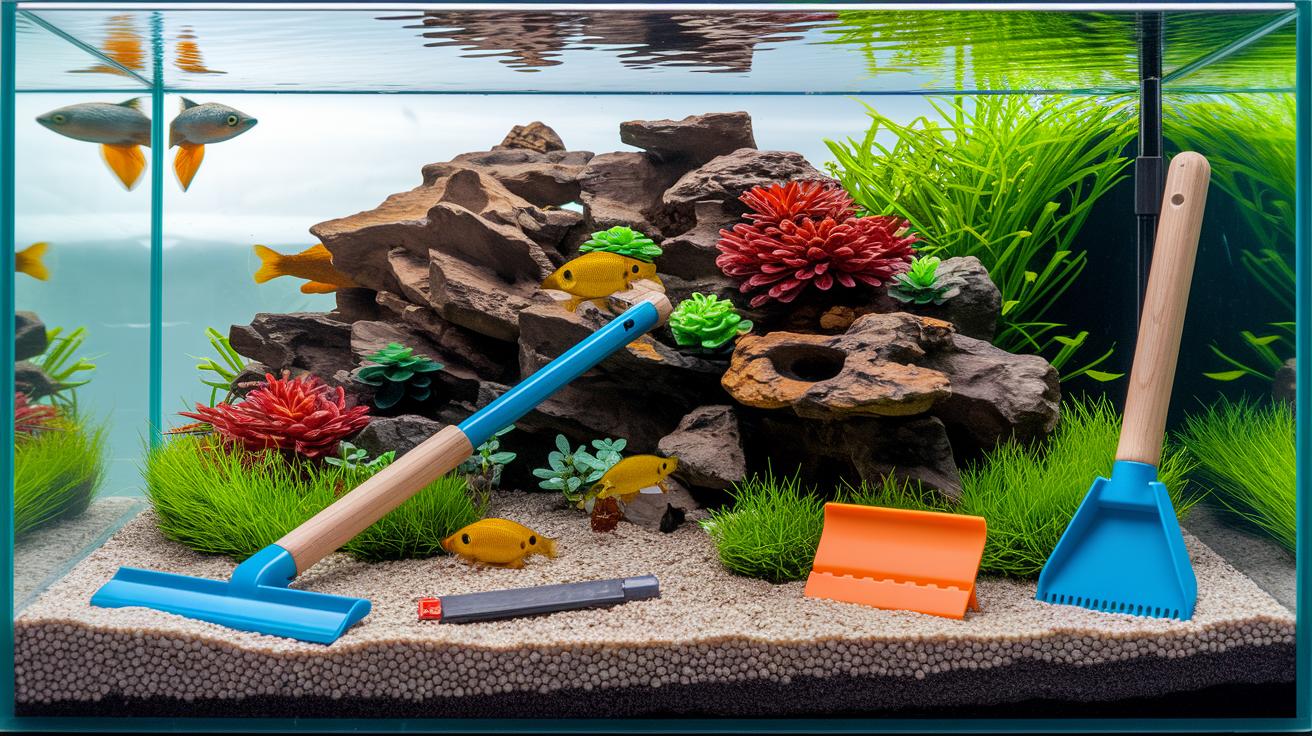
Taking care of your aquarium’s substrate is a key piece of the puzzle for a healthy tank. For simple substrates like gravel or pretty decorative sand, a weekly siphon vacuum does wonders. Think of it as wiping off crumbs from a table after a meal, it keeps your tank clean and lively.
Nutrient-rich substrates, the ones that help feed your aquatic plants, need a bit more attention. Sometimes they need a little root-tab fertilizer, or they can get the boost from natural fish waste. When you clean, gently stir the top layer to prevent it from packing down too much, leaving plenty of soft space for plant roots to grow.
You’ll want to have a few tools on hand: a reliable gravel vacuum, an algae scraper for those stubborn spots, and a substrate stirrer to mix things up. With these tools and a regular cleaning routine, you clear away debris and maintain a balanced environment. It’s like giving your tank a gentle underwater massage, helping everything flourish in a peaceful, clear water home.
Smart Investments in Aquarium Substrate Equipment
When you're choosing substrate gear for your tank, start by checking each kit's quality, sturdiness, and how well it keeps the pH level steady. Good substrate supplies work reliably, even when your tank conditions change, much like how the gentle currents keep the water in motion. And remember to pick one sized right for your tank so that both cozy and larger aquariums get the perfect fit.
Often, these savvy choices come with bonus tools or even free shipping, which makes them easier on your wallet. I’ve seen many reviews where first-timers love kits that balance cost with strong build and clever design. This kind of feedback is a great guide when you're on the lookout for practical, long-lasting options.
Next, explore online aquarium shops for a variety of substrate kits and accessories. Investing in top-notch substrate not only makes your tank look beautiful but also helps maintain a healthy balance inside. Take your time to compare reviews and prices to find a kit that's durable, affordable, and perfectly matched to your aquarium’s needs.
Smart choices set the stage for a thriving, lively tank that you can enjoy every day.
Matching Aquarium Substrate Equipment to Freshwater & Saltwater Tanks
Freshwater Substrate Equipment
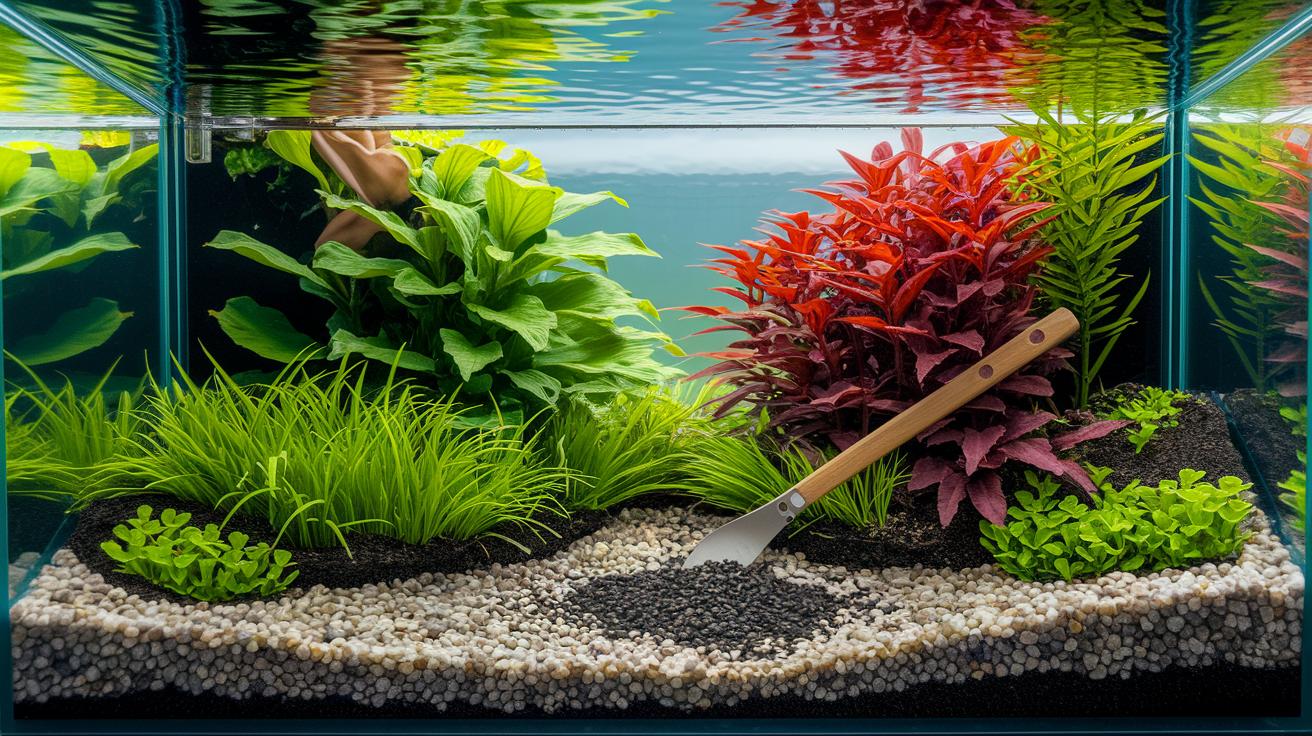
In freshwater tanks, choosing the right substrate is like setting the stage for a peaceful underwater dance for your plants and fish. When you want a planted tank that feels natural, go for fine, nutrient-rich options like palletized soil or fractured clay. These materials give your plants a boost and mimic the gentle riverbed they love. Sometimes, adding a thin cap of inert gravel on top works like a soft blanket to keep the water clear without stealing those good nutrients from plant roots. In tropical community tanks, a shallow layer (around 4 to 5 cm) of small-grained gravel helps keep the pH steady and creates a balanced home. Handy tools like a substrate leveling rake and a layering funnel can make spreading the substrate as smooth as a calm current.
Saltwater Substrate Equipment
In saltwater tanks, keeping things balanced is key. To maintain a pH around 8.2 to 8.4, substrates made from calcium or aragonite work wonders. They not only support healthy coral growth but also add minerals that your marine friends need, making your tank feel as lively as a vibrant reef. Using tools such as a depth gauge can help you spread the substrate evenly, ensuring every corner of your setup is both beautiful and functional. With the right technique and materials, your saltwater tank becomes a stable, inviting home where corals and sea creatures can thrive while the water stays perfectly in tune with nature.
Final Words
In the action, we explored how substrate enhances tank beauty and supports aquatic health. We covered substrate types like nutrient-rich options and inert materials, installation tools and tips, regular cleaning and upkeep, and even smart buying choices for different tank types.
All this helps when selecting the best aquarium substrate equipment for your tank. Every step, from choosing the right substrate to keeping it in tip-top shape, builds a healthier, more vibrant aquatic habitat. Enjoy crafting a space that brings your underwater world to life!