

Ever looked at your tank and thought it could use a splash of life? Foreground plants are like hidden treasures that add a neat, low-down view while brightening up your watery world. Picture tiny green leaves catching the first soft glow of light, creating a scene that feels like a little pond. In this post, we'll share our favorite picks and easy tips to help you set up a balanced display that transforms your aquarium into a cozy, water-side haven.
Quick Guide to Selecting Foreground Plants Aquarium
Foreground plants are like the bright jewels along the front of your tank. They usually grow up to 3 inches tall, making them perfect for giving your aquarium a neat, low look without blocking your view. Because they are furthest from the light, these plants often need a bit more brightness than those in the middle or back. Think of your aquarium as a mini shallow pond where every plant needs room to breathe and plenty of light to shine. I once saw a setup where every layer was balanced just right, it felt like looking at a sunlit pond edge, with each tiny leaf catching a gentle glow.
When you're picking these little water beauties, keep three key things in mind:
- Your tank needs to be deep enough so the plants can grow without crowding each other.
- The light that reaches the bottom should be strong enough for them to thrive.
- The layout should resemble a shallow natural habitat that suits their small size.
Also, make sure the plants have these must-have traits:
- They stay compact, not growing taller than 3 inches.
- They can handle strong light even from a distance.
- They do well in nutrient-rich, shallow substrates.
- They require little upkeep to keep the carpet neat.
- They add a pleasing look to your tank, balancing the whole aquascape.
Top-Rated Foreground Plants Aquarium Species
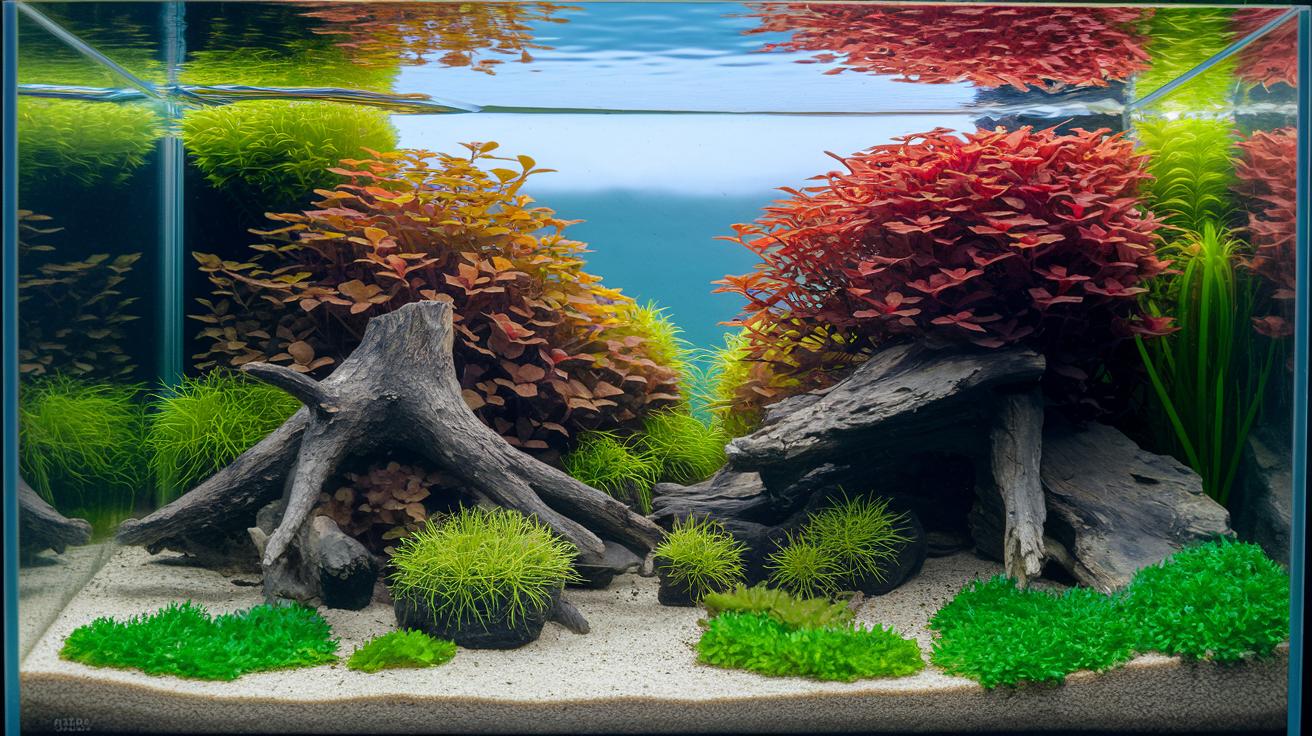
Choosing the right foreground plants can transform your aquarium into a vibrant underwater garden. When planning your tank, think about plants that stay under 3 inches tall so the front of your aquarium looks neat and inviting. For example, Cryptocoryne parva and C. lutea are favorites because they’re easy to care for and stay small, letting you build tidy, low-growing carpets that bring your tank to life.
Another great option is Eleocharis parvula ‘Mini’. Its fine, grass-like blades give your aquarium a soft, lawn-like look that feels both gentle and refreshing. Then there’s dwarf baby tears, or Hemianthus callitrichoides ‘Cuba’, with its tiny leaves and fast growth, it’s perfect for creating a naturally lush scene. If you like a more structured look, Staurogyne repens forms neat little rosettes that add a striking touch.
The round leaves of Hydrocotyle tripartita ‘Japan’ offer a moderate spread and a distinct personality that blends well with other species. And if you want a moss-like effect, Riccardia chamedryfolia can create a dense, soft mat that feels like a green carpet. Finally, Eriocaulon breviscapum ‘Featherduster’ brings a unique twist with its feathered look, making your aquarium a true conversation starter.
| Plant Name | Height | Light Requirement | Difficulty | Spread Rate |
|---|---|---|---|---|
| Cryptocoryne parva & C. lutea | ~2.5 in | High | Easy | Moderate |
| Eleocharis parvula ‘Mini’ | ~2.5 in | Moderate | Easy | Fast |
| Hemianthus callitrichoides ‘Cuba’ | 1.5–2 in | High | Intermediate | Fast |
| Staurogyne repens | ~2.5 in | Moderate | Easy | Moderate |
| Hydrocotyle tripartita ‘Japan’ | 3 in | Moderate | Intermediate | Moderate |
| Riccardia chamedryfolia | ~2 in | High | Advanced | Slow |
| Eriocaulon breviscapum ‘Featherduster’ | ~2 in | High | Advanced | Slow |
Each of these species offers something unique, giving you ample choices to create a lush front display that will captivate anyone who glances at your aquarium. Enjoy the process as you mix and match plants to bring a little bit of nature’s magic into your underwater world.
Substrate and Planting Methods for Foreground Plants Aquarium Beds
Imagine creating a tiny underwater lawn where your foreground plants can spread out like a soft, natural carpet. When you plant them over a food-rich base, their shallow roots feel right at home, just like they would in a gentle stream. By using cozy materials such as aquasoil or laterite and topping it with a fine layer of gravel or sand, you give them a balanced mix of nutrients and easy drainage. This careful layering not only helps the roots grow strong but also stops the bottom from getting too tight, so your plants can shine with vibrant health.
Here’s an easy, step-by-step guide to setting up your beautiful foreground carpet:
- First, rinse your substrate well to wash away any dust or unwanted particles. This makes sure your plants have a clean place to start.
- Next, spread a nice, even layer of base soil. Think of it like the foundation of a house, where all the nutrients gather for the roots.
- Then, add a cap layer of fine gravel or sand. This creates a smooth surface that protects the soil underneath.
- Now, make a planting grid. This helps you plan where each little cluster or mat will go so everything spreads out evenly.
- After that, gently place your plant clusters or mat sections into the grid. Arrange them naturally, just as you would if nature were the one doing it.
- Finally, press each section lightly into the substrate. This ensures that every root makes good contact, encouraging them to grow steadily.
Set up this layered, vibrant environment, and soon enough, your aquarium bed will become a tiny underwater masterpiece where your foreground plants thrive naturally.
Lighting and Nutrient Requirements for Foreground Plants Aquarium Growth
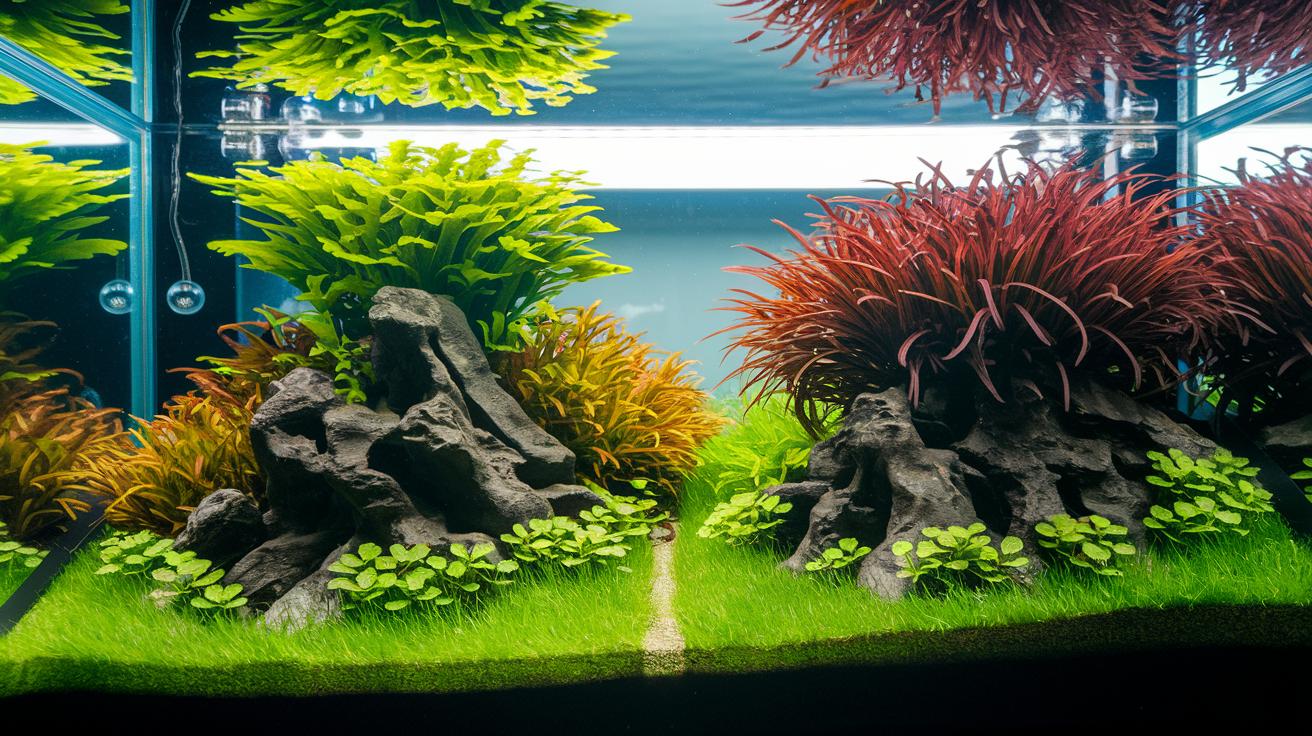
Foreground plants live farther down in the tank, away from the main light. They need a little extra help with about 40 to 70+ μmol·m⁻²·s⁻¹ right at the base. This extra light makes up for being far from the top lamps, much like how a deeper pool still catches a shimmer of sunlight. In tanks using CO₂ injection, you might notice the carpet of plants growing faster and looking more vibrant. But don’t worry, lots of species do just fine in simpler, CO₂-free setups as long as the light is steady and the nutrients are just right.
Here’s a quick list of light levels to aim for:
- 40 μmol·m⁻²·s⁻¹ – A gentle baseline for light growth
- 50 μmol·m⁻²·s⁻¹ – Great for steady coverage in a simple setup
- 60 μmol·m⁻²·s⁻¹ – Perfect for a lush, green look
- 70 μmol·m⁻²·s⁻¹ – A boost for plants that ask for a bit more
- 80 μmol·m⁻²·s⁻¹ – Ideal when combining light with CO₂ injection
When comparing tanks with and without CO₂, those with CO₂ usually see a quicker and denser carpet formation. However, many foreground plants can thrive without added CO₂ if they get consistent light and the right nutrients. Try this simple routine: place a root tab by the plant at each planting spot every two weeks, and once a week, dose the water with an NPK mix plus a dash of trace elements. This steady routine helps your aquatic carpet stay strong, healthy, and beautifully vibrant.
Pruning and Maintenance of Foreground Plants Aquarium Carpets
Keeping your live carpet neat is a bit like tending to a small garden under the water. It takes a little work every week, but it’s well worth it. By trimming your plants every one to two weeks, you help them stay short, dense, and full of life. Just grab a pair of curved aquascaping scissors and make a clean cut about 1 cm above the substrate. This simple cut lets your plants bounce back quickly without any harm.
It’s a good idea to also remove any yellowing or detached sections right away. Left behind, these parts can spread and make the whole mat look less healthy. And if you spot any hints of algae clinging to your plant carpet, take a moment to whisk it away. That way, your underwater garden keeps its natural, vibrant look.
Here’s an easy routine to follow:
- Trimming: Use curved scissors to cut the plants every 1–2 weeks.
- Thinning: Remove overly dense sections to keep growth even.
- Debris removal: Clear away loose leaves and dead bits.
- Algae checks: Look over the carpet often and remove any algae.
- Tool cleaning: Wash your scissors after each use to keep germs at bay.
Keep up with these steps, and your aquarium carpet will stay healthy and stunning, much like a living, underwater meadow.
foreground plants aquarium: Fresh Picks for Lush Looks
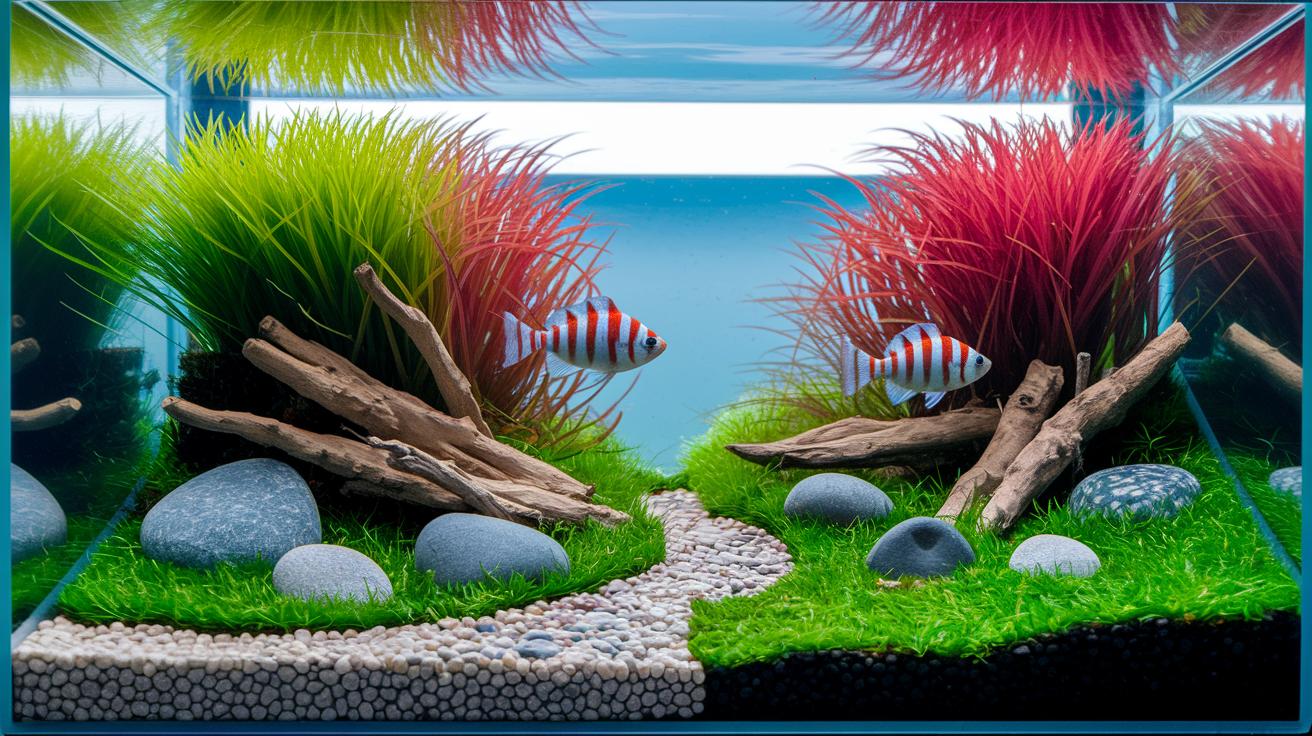
Creating a stunning aquascape is a bit like arranging a natural painting. When you set the smallest plants in the front, every part of your tank stays visible and inviting. Picture fine, grass-like mats such as dwarf hairgrass mingling with rounded-leaf carpets like Hydrocotyle Japan. This friendly mix gives your tank a rich texture and a vibrant look, much like a gentle stream flowing through a garden of water. And imagine harlequin rasboras darting over the soft carpet, it’s a playful nod to nature’s beauty.
Path Style Layout
Think about designing a narrow trail right through your foreground mat. Secure the path with small stones or pieces of wood that mimic a real stream. This design guides the eye along a gentle route while highlighting the contrast between the lush green and the hard natural elements. You might even blend a few plant species along the way to echo the patchwork of an actual riverbed.
Open Carpet Layout
If you love a simple, modern look, why not choose one plant for the whole foreground? A consistent green carpet, like a wide spread of dwarf hairgrass, creates clean lines and an open feel. This style focuses on the plant’s vibrant quality and keeps the view uncluttered, making your aquarium feel airy and balanced.
Where to Buy and Propagate Foreground Plants Aquarium Carpets
Finding the perfect aquatic carpet for your tank is easier than you might expect. Many trusted brands such as ADA, Tropica, Tissue Culture, and 1-2-Grow offer foreground plants that come with a foam or mesh backing. This feature makes setting up your little underwater world a breeze. Deals like getting four small mats for $19.95, with over 3,300 glowing reviews, show just how much fellow aquarists appreciate these products. So whether you explore a local pet store or shop online, there are plenty of options to match your aquarium's vibe.
Propagating your aquatic carpet is both simple and satisfying. It’s a bit like taking a small cut of your favorite plant to share its beauty. Start by cutting healthy mats into pieces about 2–3 centimeters long, and plant each piece roughly 1 centimeter apart. This technique allows your foreground carpet to spread evenly, keeping your tank's design fresh and lively.
| Step | What to Do |
|---|---|
| 1 | Choose the healthiest mats you can find. |
| 2 | With clean scissors, cut mats into 2–3 cm sections. |
| 3 | Replant each piece about 1 cm apart. |
| 4 | Keep the light steady and use nutrient-rich water for quick growth. |
Taking a moment to care for your aquarium like this can feel as calming as watching gentle ripples on water. Enjoy the process and see your underwater garden thrive!
Final Words
In the action, we explored how to choose the right species for your foreground plants aquarium setup. We talked about the best substrates and planting methods to give your tank that vibrant look. We also broke down key lighting, nutrient tips, and maintenance steps to keep your aquatic mats healthy and lush. Plus, we shared insights on creating appealing designs and sourcing top-notch plants. Enjoy putting these tips into practice and watch your aquatic world come alive with color and life!
FAQ
Frequently Asked Questions
What is a foreground plant in an aquarium?
The term foreground plant in an aquarium refers to species that grow in front along the glass, usually staying under 3 inches tall. They help create a detailed, shallow view at the tank’s front.
What are some of the best small foreground aquarium plants for beginners?
The best small foreground plants for beginners include easy-to-grow species that stay under 3 inches, like dwarf hairgrass or Cryptocoryne parva, which provide a lush, inviting carpet without overwhelming care needs.
Which foreground and carpeting plants perform well in tanks without CO₂ injection?
Certain foreground and carpeting plants, such as Cryptocoryne species and dwarf hairgrass, grow well in tanks lacking CO₂. They thrive on ambient lighting and careful nutrient dosing, making them ideal for low-tech set-ups.
Are crypts considered foreground plants in an aquarium?
Crypts, like Cryptocoryne parva and Cryptocoryne lutea, are often used as foreground plants because they stay short and compact. Their gentle texture makes them perfect for the front of your tank.
What plants can I grow on top of an aquarium?
Plants grown on top of an aquarium usually include epiphytic species like Anubias and floating varieties, which attach to decor rather than require deep substrates for rooting.
What distinguishes midground aquarium plants from foreground plants, and can midground species thrive without CO₂?
Midground aquarium plants grow taller than foreground types, adding depth and contrast. Many midground species can succeed without additional CO₂ when provided adequate light and nutrients.
Where can I find a good selection of foreground aquarium plants for sale?
A variety of foreground aquarium plants are available online from aquatic plant suppliers. They offer detailed lists, allowing you to choose species that fit your tank’s light, substrate, and layout needs.