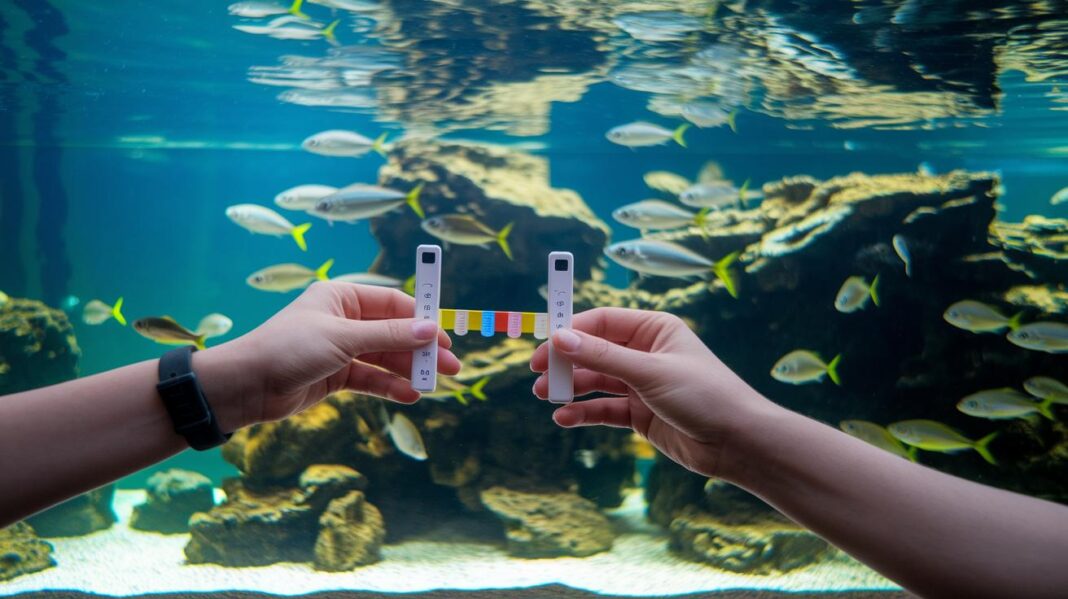

Ever wonder if your aquarium water is really doing its job for your fish? Keeping the water clean is like creating a gentle stream that helps your tank feel happy and healthy. But lots of pet owners often skip the simple step of testing it properly.
Today, I'm sharing an easy guide that breaks down how to test your aquarium water quality step by step, almost like following your favorite recipe. You'll find out how to use a test kit, read the results clearly, and catch any changes before they become a problem.
With these simple tips, you'll be set to keep your underwater friends thriving and your tank sparkling every day.
Step-by-Step Guide to Testing Aquarium Water Quality: Sparkling Results
Keeping your tank water in tip-top shape is the secret to happy, healthy fish. Whether you’re just starting out or you’ve been testing your water for a while, having a simple plan can help you spot problems before they hurt your underwater buddies. This guide takes you through eight easy steps, from picking out a test kit to tweaking your water the right way.
A full water test kit is your best friend when it comes to knowing how your tank is doing. Check out these eight steps:
- Buy a complete water test kit and swap it out every year so it stays sharp.
- Scoop out one cup of water from the middle of your tank, making sure it’s not too close to the filter.
- Rinse your test tubes by filling them just a little, then cap and shake them to keep things clean.
- Read through all the instructions and get your reagents or test strips ready before you begin.
- Do one test at a time until you feel comfortable with the process. Once you’re used to it, you might try doing three tests at once.
- Use a timer to track each reaction to make sure you don’t miss any changes.
- Write down what you see, whether it’s a color change or a digital reading, in a simple log.
- Compare your results with the recommended ranges and tweak your water chemistry if needed.
It helps to keep a regular testing schedule. Start with daily tests for the first week to catch any sudden surprises. When you’re more confident, move to weekly checks, and eventually monthly tests will keep your water steady. Keeping a clear record of your dates, readings, and any changes you make will help you spot trends and keep your underwater world as sparkling as a clear pond on a sunny day.
Understanding Key Water Parameters for Aquarium Health

Checking your aquarium water is more than a quick glance at its clarity. It’s like tuning into the heartbeat of your fish’s home. When you measure key elements like pH, ammonia, nitrite, and nitrate, you help keep your fish and plants happy and safe. Each of these readings tells a part of the water's story, and different methods such as test strips, drop tests, or digital meters can give you either quick or precise results.
| Parameter | Ideal Range | Recommended Test Method |
|---|---|---|
| pH | 6.5–7.5 | Digital meters or drop tests |
| Ammonia | 0 ppm | Drop tests |
| Nitrite | 0 ppm | Drop tests |
| Nitrate | <20 ppm | Drop tests or test strips |
Keeping these water levels balanced is essential because even tiny shifts can stress your fish or hurt your plants. A pH that drifts too far off can make your fish feel unsettled, and even small amounts of ammonia or nitrite might cause trouble. If nitrate climbs too high, you may see extra algae popping up and your plants might not thrive as well. By checking your water regularly, you can catch any issues early and keep your aquatic world calm and steady, much like the soft, welcoming ripple of water on a quiet pond.
Comparing Aquarium Testing Methods: Strips, Drop, Digital & Permanent
Strip tests are sold in kits that include about 25 to 50 individual tests, and you can get results in around one minute. They check things like pH, nitrogen levels, general hardness (GH), carbonate hardness (KH), chloride, and carbon dioxide. While they’re super quick and easy to use, perfect for a simple check, they aren’t as precise as other methods when you need to know the exact numbers.
Digital tests use little pH probes and TDS meters to give you fast and clear readings. TDS stands for Total Dissolved Salts, which gives you an idea about water hardness, even if it doesn’t show the exact GH or KH values. These tests are simple to set up and are very reliable, making them a favorite if you like electronic gadgets to take the guesswork out of manual color matching. Yes, they can be pricier than strip tests, but many aquarists think the extra accuracy is worth every penny.
Drop tests take a bit more effort since you work with cuvettes, powders, and count drops as you go. Depending on what you’re testing, this method can take anywhere between one and ten minutes. It’s known as the most accurate method for checking pH, ammonia, nitrite, and nitrate levels. Sure, it requires more careful work and time, but for many experienced fish lovers, the detailed water chemistry results make those extra steps well worth it.
Permanent tests are different, they offer ongoing monitoring of certain water parameters over a period of six to twelve months. For example, CO₂ tests in this category need their solution changed every one to three months. With permanent tests, you get to keep a constant eye on the water quality without doing lots of manual checks. However, they can cost more upfront and need a longer setup process.
In truth, the best method depends on your aquarium size, how comfortable you are with the testing process, and just how detailed you want your water analysis to be.
Water Sample Collection and Preparation for Accurate Testing

Collecting your water sample is a lot like choosing a clean glass for your favorite drink, you want to keep anything extra from muddying the real flavors of your aquarium’s water. Use a special, spotless container so that nothing unwanted slips in.
Next, pick a spot right in the middle of your tank, avoiding the surface and filter inlets, to gather a sample that tells you the true story of your water. Before you start, rinse your test tubes by filling them about one-quarter to one-third full and then emptying them. It’s just like giving a good wash to your cup before pouring in your drink.
Keep the collected water at room temperature, and aim to test it within 15 minutes. This way, your readings remain as fresh as the gentle ripple of water on a calm pond.
Interpreting Test Results and Keeping Accurate Records
Tracking the changes in your water test results is like watching gentle ripples in a calm pond. Over time, you might notice small increases in nitrates, a little shift in pH, or an occasional spike in ammonia. For example, if you spot a slow rise in ammonia in several tests, it’s a signal to keep a closer eye on that area. This close monitoring helps ensure that your fish and plants are living safely and happily.
Keeping a simple log of your water test results is really helpful. Write down each test’s date and time, and note details like pH, ammonia, nitrites, and nitrates. Also, record any changes you make, such as partial water changes or adjustments to pH levels. Adding a quick note about unusual conditions, like testing on a warm afternoon with a slight haze in the tank, can be really useful when comparing results later.
With your clear and organized records, you can compare the actual numbers to the ideal ranges. When trends show that your water chemistry is shifting, these records guide you to take the right steps. Whether it’s time for a partial water change or a change in treatment, your well-kept log is the best tool to help keep your aquatic world as sparkling as the gentle flow of a clear stream.
Troubleshooting Common Water Quality Issues

When you check your aquarium water, you might run into a few hiccups that throw off your readings. It can feel like trying to catch a slippery fish when your digital probe isn't calibrated correctly, or when the color of your reagents changes too fast or too slow.
For instance, your pH probe might give mixed signals if it hasn't been tuned up just like the manufacturer recommends. Sometimes, the timing gets all mixed up, if you rush or wait too long when checking those color changes, you end up with the wrong answer.
Other times, leftover soap or chemicals in your test tubes can mess things up, much like a cloudy pond hiding the clear view of your underwater world. And while test strips are quick and handy, they can sometimes show colors that don’t quite match your water’s true look.
To sort these issues out, start by recalibrating your digital probes on a regular schedule, following the simple steps from the manufacturer. Using a timer for every test can help you hit that perfect moment, kind of like catching the exact ripple on a calm surface.
Also, make sure you give your test tubes and tools a good rinse with clean water before each use to avoid any unwanted film. And if test strips aren’t giving you the confidence you need, think about switching to more accurate drop tests or digital tools.
By following these easy tips, you can keep your aquarium water as clear as a mountain stream and ensure your aquatic buddies stay happy and healthy.
Recommended Aquarium Water Test Kits and Where to Buy Them
Drop-based kits like the API Freshwater Master Test Kit work like little detectives, using measured drops and chemicals to show you what’s going on with your water. Digital testers, such as pH/TDS meters with changeable probes, are great for everyday checks because they give quick, clear readings. And if you ever need an emergency check, test strips come in handy to quickly spot the basics. Just remember to swap out those chemicals once a year to keep things accurate. This way, you can mix affordability, precision, and simplicity just right for your tank.
Many aquarists trust reliable vendors for their gear. You can easily find complete test kits that cover all the important points from trusted online aquarium supplies at this link. And if you’re after accessories that fit your fish type or special tank needs, whether you’re setting up a freshwater corner or a marine scene, check out options at this link. Choosing tools from reputable sources means you have everything you need to keep your water healthy and sparkling like a gentle stream on a sunny day.
Final Words
In the action, the guide walked you through each step, from choosing a test kit and collecting a water sample correctly to recording precise results. It highlighted important parameters like pH, ammonia, nitrite, and nitrate while offering troubleshooting tips along the way.
Regular testing and record-keeping keep your tank balanced and your fish thriving. Following these steps on how to test aquarium water quality builds a strong, healthy environment for your aquatic pets. Enjoy the clear, vibrant water in your underwater world!
FAQ
How to test fish tank water without a kit?
Testing fish tank water without a kit means relying on visual clues like fish behavior and water clarity. However, using basic test strips or drop tests at home will give you more accurate readings of key parameters.
How to test aquarium water quality at home?
Testing aquarium water quality at home involves using a complete water test kit or digital meter to measure essential factors like pH, ammonia, nitrite, and nitrate. This helps you maintain a healthy environment for your fish.
What does a fish tank water test chart show?
A fish tank water test chart shows the ideal ranges for chemicals like pH, ammonia, nitrite, and nitrate. It lets you quickly compare your measurements to safe levels for aquatic life.
How can I check water pH in an aquarium without a kit?
Checking water pH without a kit can be done using inexpensive pH indicator paper. While these give a rough idea, using an actual test kit ensures more reliable and precise pH values.
How do freshwater aquarium water testing charts work?
Freshwater aquarium testing charts work by displaying safe ranges for parameters such as pH, ammonia, nitrite, and nitrate, so you can easily tell if your water is balanced for your aquatic pets.
How to test fish tank water for ammonia?
Testing fish tank water for ammonia involves taking a water sample, adding the correct reagents, and comparing the color change against an ammonia chart. This process shows whether ammonia levels are safe for your fish.
What is the best aquarium water test kit?
The best aquarium water test kit provides quick, reliable readings for pH, ammonia, nitrite, and nitrate. Many hobbyists favor options like the API Freshwater Master Test Kit for detailed and consistent results.
Can I use an aquarium water testing lab for my tank?
Using an aquarium water testing lab allows for professional analysis of your water samples. This option is beneficial when you need a thorough check and extremely accurate data beyond typical home testing.
How do I know if my fish tank water is good?
Knowing your fish tank water is good comes from comparing your test results to ideal ranges. Readings that show balanced pH, low ammonia, nitrite, and nitrate indicate a healthy, stable tank.
What is the most accurate way to test aquarium water?
The most accurate way to test aquarium water is through drop tests using specific reagents and timed reactions. This method, though more detailed, provides precise measurements of important water parameters.
What API test kits and accessories are available for aquariums?
Reliable API options include the Freshwater Master Test Kit, GH/KH kit, Freshwater pH Test Kit, and 5 in 1 test strips. These kits, along with products like API Tap Water Conditioner, help you quickly balance your tank’s water chemistry.