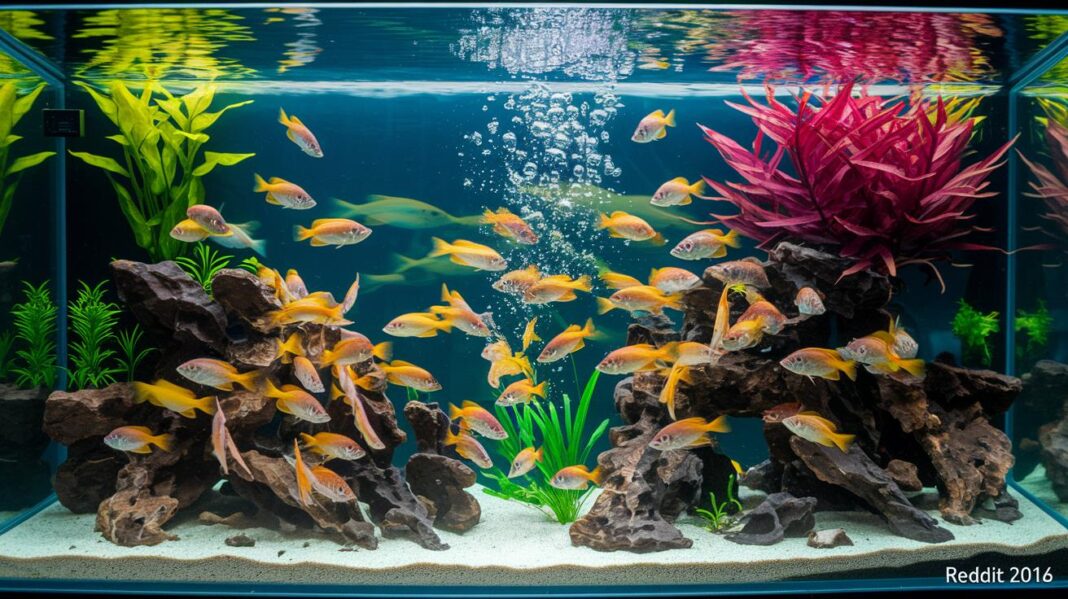

Ever feel like setting up your fish tank is like preparing for a splendid underwater show? Getting tropical fish to breed happily begins with knowing the right steps.
Imagine your aquarium as a peaceful home where every choice, from the soft warmth of the water to picking the perfect fish, is like a gentle ripple inviting life to bloom. With a bit of careful planning, your tank can become a lively, thriving community.
This post offers simple, clear tips to help your fish find their perfect pairs and grow. In truth, watching your tank fill with playful pairs is like catching a delightful wave of nature's magic.
Essential Steps for Breeding Tropical Fish Successfully
Pick fish that suit your tank’s conditions and your level of experience. A bit of homework really helps. Check how the species get along and learn what they need to breed so you avoid any surprises. Think of it like a careful preparation, much like when an early scientist experimented in unexpected ways, a little planning can truly make a world of difference.
It also helps to mimic the natural rhythms your fish are used to. A gentle drop in water temperature can be like a soft whisper telling your fish from South America, Africa, or South-East Asia that it’s time to spawn. Adjust your tank settings to mirror the seasonal changes they’d experience in nature. And when you provide a safe, predator-free space with lots of nutritious food, your fish can just focus on pairing up without worrying about survival.
Keeping your water spot on is super important. Even small shifts in pH, temperature, or toxins can stress out both your adult fish and their fry. A filter with lots of surface area works like a helpful crew building a clean home by supporting friendly bacteria. Sometimes, taking out a bit of gravel can help reduce buildup that might harm delicate eggs and fry.
Finally, create a special breeding area that keeps your fish calm. Stick with regular water tests and make any changes gradually. By keeping everything balanced and supportive, you set the stage for your tropical fish to thrive and multiply, turning your aquarium into a vibrant underwater haven.
Selecting Ideal Breeding Pairs for Tropical Fish
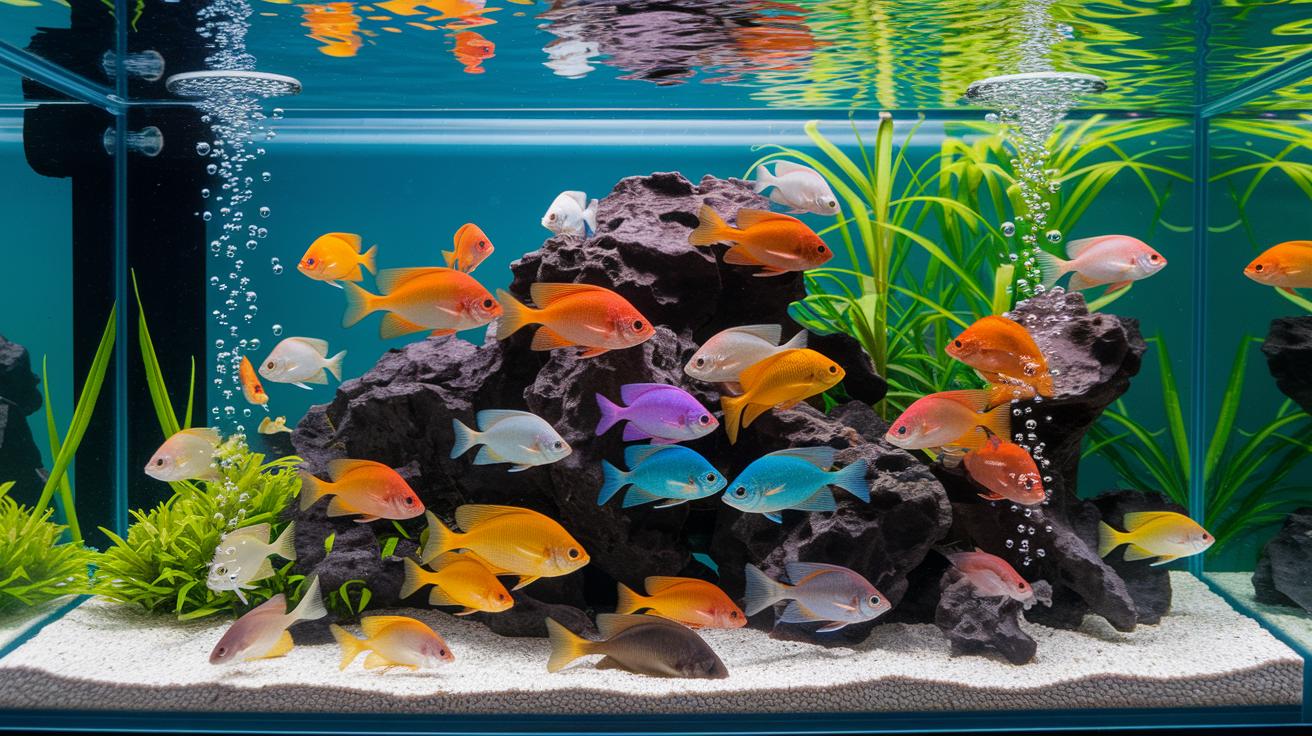
First off, getting the sex right is key to a smooth breeding journey for your tropical fish. When you can easily tell the males from the females, you're setting up your tank for healthy, vibrant little swimmers. Look for signs like a full, round belly in females or a clear ovipositor in those fish that lay eggs. These simple clues act like the soft ripple on your tank’s surface, guiding you in choosing pairs that not only match well but also keep your fish family diverse and strong.
Check these points when picking out your champions:
| What to Spot | How It Helps |
|---|---|
| Rounded belly in females | Shows maturity |
| Visible ovipositor in egg-layers | Clearly marks the female |
| Transparent flanks | Makes gender distinction easier |
| Overall health | Ensures robust candidates |
Before you let new pairs mingle in your main tank, give them a little two-week break in quarantine. This is like letting a new friend settle in before inviting them to the big party, it helps you watch for any sign of sickness and stops unwanted bugs from spreading. Also, take the time to learn about each fish species. Pairing fish that naturally vibe together in looks and behavior cuts down on any mix-ups and keeps your breeding game strong. With these careful steps, you'll create a thriving aquatic community that feels as calm and clear as a quiet, serene pond.
Designing the Perfect Reproductive Tank for Tropical Fish
When you’re getting ready to set up a breeding tank, picking the right size is super important. A special tank made just for breeding, like a 20 gallon fish tank, gives your fish plenty of space to do their thing and reproduce safely. Many fish keepers swear by air-powered sponge filters because they help keep the eggs and tiny fry safe from any strong suction while still keeping the water clean and fresh. Think of choosing the right tank and filter as building a solid underwater home where every part works together perfectly.
Decor matters just as much as the right tank size. If your fish are the egg scatterer type, a simple bottom or spawning mops can catch the eggs without disturbing them. On the other hand, mouth-brooders really appreciate having little caves and hideaways that remind them of their natural homes. This kind of thoughtful setup lets your fish show off their natural behavior, making it easier for them to spawn without feeling stressed.
Cleanliness and gentle water movement are key to a healthy breeding tank. Sometimes taking out the gravel for a bit can help reduce buildup like algae and decaying bits that might harm the delicate eggs. A soft, natural water flow keeps the water clear and full of oxygen while keeping the eggs undisturbed. This careful balance sets up the perfect scene for your fish to thrive and multiply.
Mastering Water Parameters and Filtration for Breeding Success
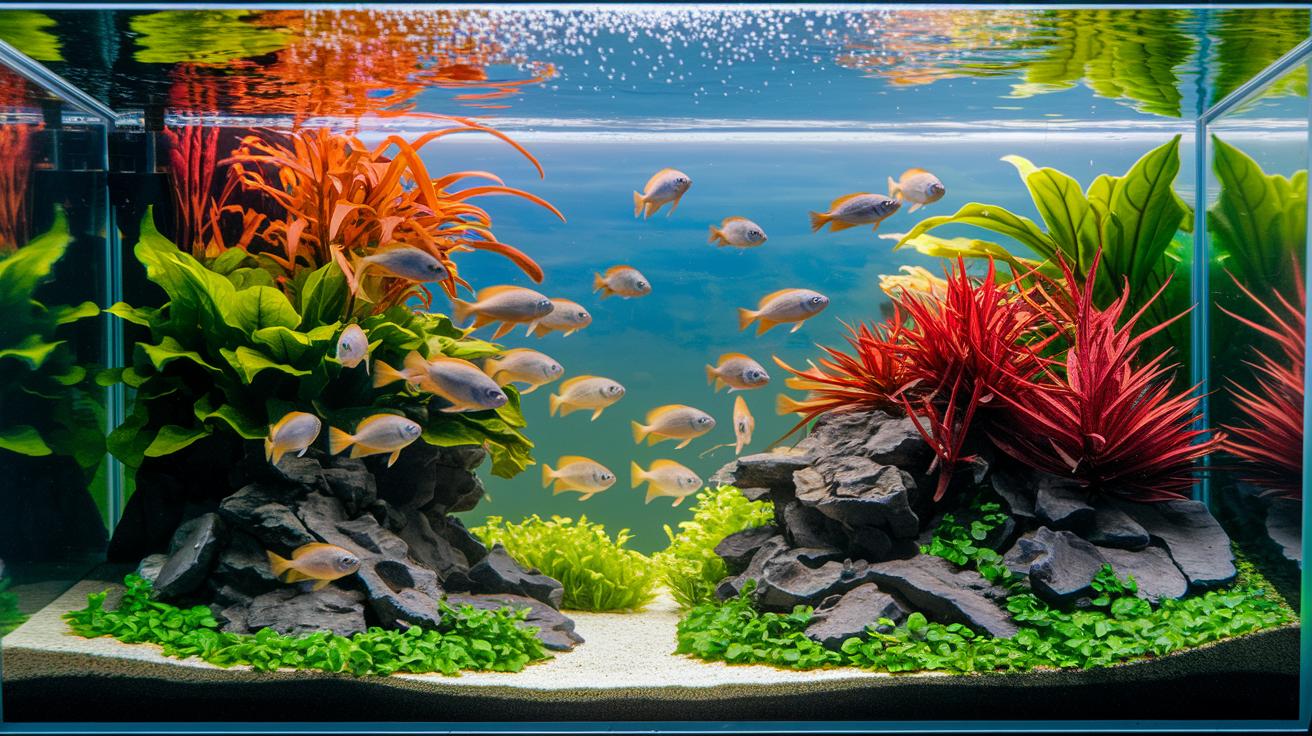
Taking care of your water is like setting up a peaceful underwater home that helps your tropical fish feel safe enough to breed. A calm and steady environment is key. To keep an eye on the most important water details, use this handy table:
| Parameter | Ideal Range | Monitoring Frequency |
|---|---|---|
| Temperature | Species-specific; note that a 2°F drop can trigger spawning | Daily |
| pH | 6.8-7.5 | Every couple of days |
| Ammonia/Nitrite | 0 ppm | Weekly |
| Nitrate | Below 20 ppm | Weekly |
Picking the right filter media is like choosing a friendly helper. Filters with lots of surface area support good bacteria that break down harmful toxins. In addition, sponge filters keep the water clean without putting tiny fry at risk.
Aeration is just as important. A gentle flow of air boosts oxygen levels, keeping more than 6 mg/L dissolved in the water, which is vital for your fish during breeding. Regular water testing acts like a little check-up, ensuring everything stays balanced. And when needed, safe chemical treatments can help correct any imbalances before they stress your fish.
With routine checks and a bit of care, your tank will become a thriving, balanced underwater escape, perfect for watching your tropical fish blossom into a family.
Nutrition and Feeding Plans for Broodstock and Fry in Tropical Fish Breeding
When it comes to raising tropical fish, great food makes all the difference. For your adult fish, a high-protein diet helps boost egg production. Try mixing dry pellets with bloodworms and live mosquito larvae so they get the best nutrients to spawn. Feeding them two or three times a day gives them the energy they need.
After spawning, the tiny fry need extra gentle care. They have very small mouths and need little meals often. Feeding them live Artemia or a special fry powder four to six times a day helps them grow fast and strong.
Using good-quality food is key for both adult fish and fry. Adding probiotic-enhanced feeds helps support a healthy gut, which means better digestion and stronger immunity. This way, your aquarium can be a vibrant, thriving home for all your fish.
Protecting and Rearing Eggs and Fry in Tropical Fish Breeding

Right after spawning, it's a good idea to separate the adult fish so they don't gobble up the precious eggs or little fry. Think of it as giving the eggs a quiet, cozy corner in a busy room. For egg layers and livebearers carrying their fry, move them to a special nursery tank with smooth, gentle filtration and calm water conditions.
Newly hatched fry need a simple feeding plan, almost like a baby's first meal. Start by offering live infusoria for the first three to five days, which perfectly suits their tiny mouths. As they grow, slowly introduce Artemia nauplii, making sure they get the right nutrients for healthy development.
Keeping the water clean is key to a happy, healthy nursery. Do a 10% to 20% water change every day to wash away waste and keep the water clear. Watch out for signs like a little fungus on the eggs or any swim problems in the fry, as these can be clues that the water quality needs a quick check.
Troubleshooting Common Breeding Challenges in Tropical Fish
Sometimes it’s hard to tell if your fish is simply showing its natural mating dance or if something else is up, like a swim bladder issue from too much food or poor water quality. Simple behaviors like chasing and nudging may feel like a gentle courtship, but they can also hint at a problem. Keep an eye on how these actions change over time and watch for any odd swimming patterns. This little observation can help you decide if it’s just romance in the tank or if your fish needs a closer look.
When you notice any unusual signs, it’s a good idea to set aside the fish that seem off. Put them in a separate tank for about 14 days. This gives you a chance to treat any issues with safe, approved medicine, and it keeps any potential troubles from spreading to the others. During this quarantine, check carefully to decide if your fish should swim back into the main group or if they need a bit more care.
It also helps to test the water every week for ammonia, nitrite, nitrate, and pH levels. These checks help you spot any changes before they turn into real problems. You can also remove algae by hand or add live plants to absorb extra nutrients. Making any adjustments slowly and handling your fish as little as possible can keep them as calm as a quiet stream.
Final Words
In the action, you learned key steps for successful tropical fish breeding, from selecting the right fish and setting up a secure reproductive tank to managing water quality and nutrition. Every section offered practical advice on building a habitat that’s safe and supportive for your aquatic pals. By following these tips for breeding tropical fish, you can enjoy a thriving, vibrant setup. Small changes in care and environment lead to big rewards, so keep experimenting and smiling as you watch your aquarium flourish.
FAQ
What are some useful tips for breeding tropical fish in a tank?
The tips for breeding tropical fish in a tank include selecting species suited to your setup, optimizing water quality and temperature, using specialized filtration, providing nutritious food, and creating a safe, predator-free environment for successful spawning and fry survival.
What steps do you follow to breed tropical fish in Minecraft?
The steps to breed tropical fish in Minecraft involve feeding the fish with the correct food, ensuring adequate space in your tank, and letting the fish pair up naturally, similar to the process in a real aquarium.
What tropical fish are best for profitable breeding?
The best fish to breed for profit are those that reproduce easily in captivity, attract high market demand, and thrive in controlled setups. Research local trends to pick hardy varieties that multiply quickly.
Is a license required to breed and sell fish?
The need for a license to breed and sell fish depends on your location and local rules. Check with state and municipal agencies to meet all legal requirements and operate within the law.
What methods help encourage tropical fish to breed?
The methods to encourage tropical fish to breed include simulating natural triggers—like a slight temperature drop—providing a balanced diet, reducing stress, and maintaining excellent water conditions that prompt natural spawning.
What basic steps can beginners use to breed fish?
The basic steps for beginners include selecting compatible species, setting up a dedicated breeding tank, keeping water conditions stable, and offering proper nutrition, allowing a gradual process of gaining experience with simple setups.
Can breeding tropical fish be a profitable venture?
The profitability of breeding tropical fish depends on market demand, ease of breeding, and operational costs. Profit potential varies by species and region, so thorough research and careful species selection are key.