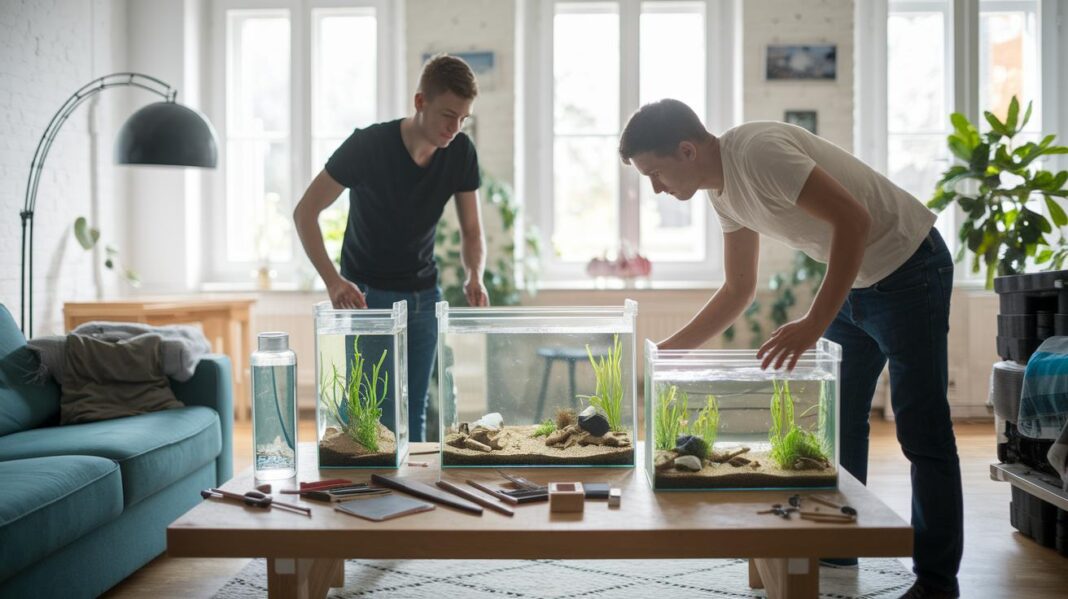

Have you ever wondered why some beginners think setting up an aquarium is a huge challenge? In truth, with the right tools, putting together your tank can be as simple and enjoyable as watching ripples on a calm pond.
Imagine taking a few basic items and transforming them into a vibrant home where your fish can swim happily. A strong tank stand sets the stage, while an easy-to-use filter, your water-cleansing helper, and a heater work together to keep everything comfortable.
This guide is like a friendly checklist that turns the process into a fun, rewarding project. Soon, you'll be ready to enjoy a peaceful underwater world, where every detail, like the gentle dance of light on water, makes all the difference.
Essential Gear Checklist for Assembling Your First Aquarium Tank
Did you know many beginners create a stunning aquarium for just over $200? It’s true! With a little bit of care and the right tools, you can turn a few simple items into a lively underwater world.
When you pick your tank, keep in mind that freshwater aquariums weigh about 10 lb per gallon. So, make sure you set your tank on a flat, waterproof surface with a strong stand, just like making sure your fish have a safe home.
Every item on this checklist helps you build a secure and beautiful environment for your aquatic friends. For example, a filter (which cleans the water) and a heater (that keeps the water just the right temperature) are both chosen for how dependable and easy they are to use.
Here's a quick list of the 13 must-have items for beginners:
- Aquarium
- Stand
- Filter with media
- Heater
- Lighting
- Substrate
- Water dechlorinator
- High-quality fish food
- Water test strip kit
- Thermometer
- Gravel vacuum/siphon
- Algae scraper (or even an old credit card works!)
- Fish net
Each tool in this list helps you keep the water clear and your tank looking great. Picking the right accessories not only makes your aquarium look awesome, but it also gives your fish a healthy place to live. This checklist covers everything you need to start your very own fish tank, making it easy for you to add more cool features later on if you want. Enjoy setting up your underwater paradise!
Step-by-Step Assembly Guide for Your First Aquarium

Start by getting your workspace ready and gathering your gear. Find a flat, waterproof spot for your aquarium stand and make sure it's steady before you place the tank on it. Rinse your gravel or substrate well to wash away any dust or dirt. Then, spread out a layer about ½ inch thick, letting it gently slope from the back toward the front, imagine a soft beach where the sand slopes toward the water.
Now, let’s move on to putting your tank together. Once you’ve set your substrate, fill the tank slowly using a hose or buckets so you don't disturb the gravel. After filling it up, it's time to install the filter. Rinse its filter media under tap water to clear away any dust, and then follow the maker's guide to set it up in the best way for proper water flow. Next, add a heater that provides between 2.5 and 5 watts per gallon and set it to keep the water comfy at about 74–80°F. In a larger tank, you can use two heaters; if it's smaller, one will do just fine. Once these key parts are in place, install your lighting, attach a timer, and secure the lid to keep everything stable.
Before you settle in, take a moment for some final checks. Look over the filter to see that the water flows well and make sure the heater quickly warms the water to the target temperature. Confirm that the lights come on as scheduled and that all cables and fixtures are secure. This final round of checks ensures your tank is set up safely and ready to become a wonderful home for your aquatic friends.
Selecting and Installing Filtration and Heating Components for Your First Aquarium Set
When you're setting up your very first tank, picking the right filter and heater is a big deal. A solid filter keeps your water clear and your fish cheerful, while a steady heater keeps the water warm and cozy for your tropical friends. If you're just starting out, a sponge filter might be perfect because it gives a soft water flow and is a breeze to clean each month. On the other hand, a canister filter moves water a lot faster but needs a bit more attention. Also, gently rinse your filter media under tap water to clear away dust. This simple step helps your aquarium stay in balance, like a calm ripple on a sunny day.
Filter Installation
Begin by choosing the type of filter that suits you best. Sponge filters are fantastic for creating a soft water current and only need a quick monthly rinse. But if you're after a stronger water flow, go with a canister filter and check its output with a calculator to make sure it fits your tank’s size. Placing the filter where it gets good water movement is key, and keeping the media clean prevents buildup. A well-cared-for filter is like the heartbeat of your aquarium, making sure everything flows smoothly.
Heater Setup
Next up is the heater. First, figure out the right wattage for your tank, usually around 2.5 to 5 watts per gallon works well. Place the heater where the warmth can evenly spread across your tank, away from direct light or bulky decorations that could block the heat. This helps maintain a steady temperature in the sweet spot of 74 to 80°F that tropical fish love. After you set it up, use a trusty thermometer to keep an eye on the water temperature, so your fish always stay comfy.
| Equipment | Key Specification | Recommended Option |
|---|---|---|
| Sponge Filter | Flow rate 50–100 GPH | Brand X Nano Sponge |
| Canister Filter | Flow rate 200–400 GPH | Brand Y ProCan |
| Heater | 2.5–5 W/gal, IP68 | Brand Z Titanium Heater |
Optimizing Lighting and Decor for Your First Aquarium Tank
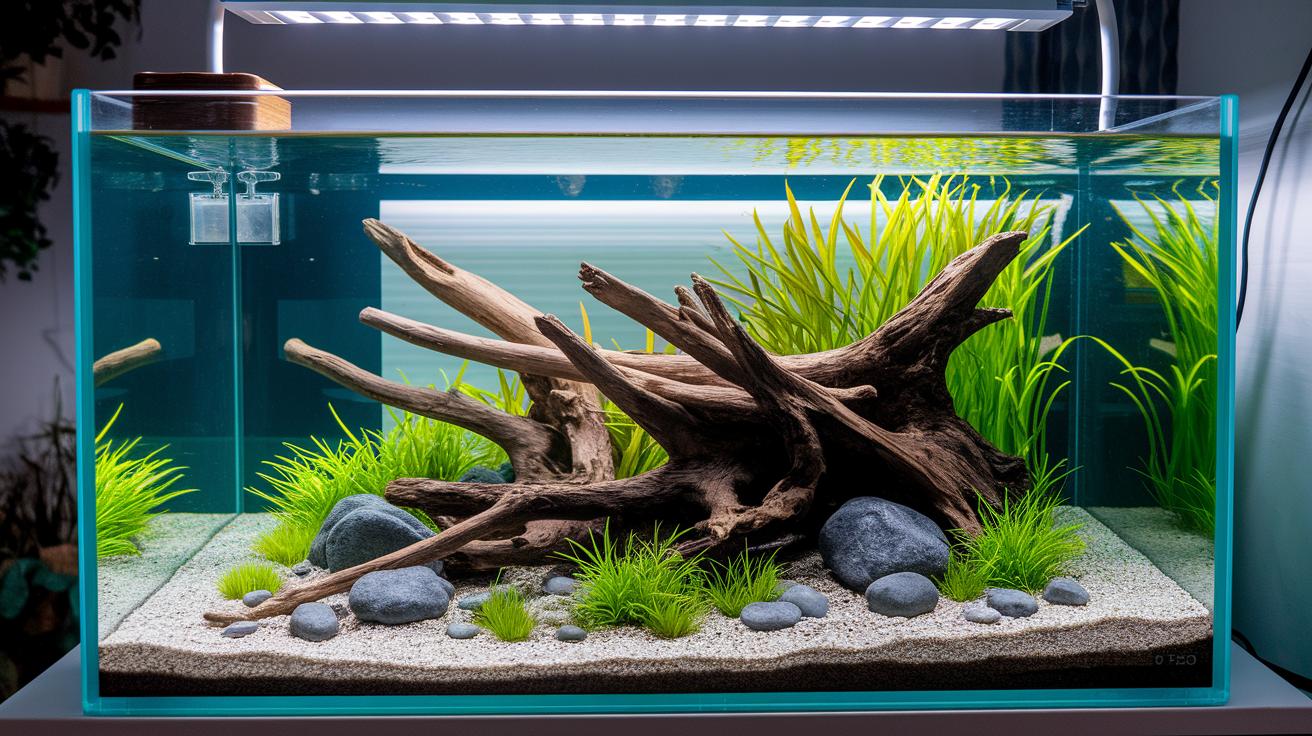
First, pick lights that bring your underwater world to life. LED planted-tank lights with timers work great if you have live plants since they mimic natural daylight and help your plants grow. If you don’t plan on having plants, regular pre-fitted lights do the trick. These lights keep your water clear and give your tank a gentle glow, much like the soft sparkle of morning sun on calm water.
Next, get your decor ready to match your lighting perfectly. Rinse your gravel, rocks, and driftwood really well in plain water to get rid of dust that could cloud your water. Lay down at least a ½ inch of substrate and arrange it with a gentle slope from back to front – a bit like a natural shoreline. Adding a lid helps cut down on water loss and keeps your light conditions steady. If you’re hunting for fresh decor ideas, check out “freshwater aquarium decor” for some cool inspiration. These simple steps not only create a welcoming home for your fish but also make your tank easier to maintain while letting its natural beauty shine through.
Essential Water Testing and Cycling Procedures for Your First Aquarium Setup
Start with a simple plan to keep your water just right. Grab water test strips and check for ammonia, nitrite, and pH levels, they work like a quick report card for your tank. Every time you fill your aquarium, add a dechlorinator to turn harmful chlorine or chloramine into something safe for your helpful bacteria. Imagine filling your tank and giving it this extra care so your future fish always have a welcoming, clean home.
Let your tank cycle for one to two weeks to build up those good bacteria. Add some substrate, rocks, or even a raw shrimp to kick things off. This step turns dangerous chemicals into much safer ones. While your tank settles, keep an eye on your test strips; you should see ammonia and nitrite slowly drop until they hit zero. It’s like watching a pond calm after a gentle rain. Only when your water is safe and steady should you introduce your fish, making sure your aquarium is balanced and ready for life.
Maintenance Scheduling and Troubleshooting Tips for Your First Aquarium Assembly

Keeping your tank in great shape is simpler than you might think. Every week, change about 10–20% of the water. Use a gravel vacuum to gently sweep out any debris, keeping the water clear and inviting for your fish. This small switch-up helps create a calm and steady home for them. And while you’re refreshing the water, take a quick peek at your equipment. If you notice the water isn’t moving smoothly or the heater is taking its time to warm up the tank, these could be early signals of something amiss. It’s like catching a little ripple before it turns into a big wave.
Once a month, set aside a bit more time to give your aquarium a deeper clean. Rinse the filter media under tap water to wash away any stubborn dirt, and try a neat credit-card trick to gently scrape off algae from surfaces. As you go, check the heater, hoses, and wiring for any signs of wear. If the water flow seems off or the temperature drops unexpectedly, it might mean a small part like an O-ring or tubing needs replacing. These easy steps now can help keep your equipment working longer and ensure your aquatic friends continue to thrive in their cozy, well-tended home.
Budget-Friendly Component Options and Cost Breakdown for First-Time Aquarium Setups
If you’re setting up a 20-gallon freshwater tank, it’s totally possible to create a beautiful home for your fish without spending a fortune. You can usually get everything you need for somewhere between $150 and $250. I remember my first build, it was a mix of excitement and budgeting smarts, and it all worked out wonderfully.
Here’s a quick guide on where your money might go:
| Component | Estimated Cost |
|---|---|
| Tank | $30 – $50 |
| Stand | $20 |
| Filter | $20 |
| Heater | $15 |
| Lighting | $20 |
| Substrate | $10 |
| Accessories (water test kit, etc.) | $35 (total) |
Each part has its unique role, like how every ripple in the water adds to a calm scene. With a little planning, you can pick out quality items without breaking your budget. Consider bundle deals where several gadgets come together at a discount, or even check out gently used equipment from a trusted seller.
There’s also the fun side of DIY. Ever grab an old card and use it as an algae scraper? It’s these little tricks that help keep the costs low while your tank remains a lively, healthy spot for your fish. Enjoy the process and let your creativity swim free as you build your beautiful aquatic world!
Final Words
In the action of setting up your tank, we've covered a checklist of must-have gear, step-by-step assembly, and ways to keep your water sparkling clean. You now have a clear picture of what it takes to create a beautiful, balanced underwater world.
Remember, assembling a complete aquarium equipment set for your first tank is a fun process that lets you experiment and learn. Every small step brings you closer to a thriving habitat for your aquatic pets, making your tank a cozy home where life flows naturally.
FAQ
How do I assemble a complete aquarium equipment set for my first tank?
The process of assembling a complete aquarium equipment set for your first tank means gathering key items like a tank, filter, heater, lighting, and accessories, then following a clear checklist for proper setup.
How do I set up an aquarium for tropical fish, live plants, or goldfish?
Setting up an aquarium for tropical fish, live plants, or goldfish starts with choosing the right gear and placing the tank on a sturdy, level surface before slowly adding water and arranging decor suited for the species.
How do I fill a fish tank for the first time?
Filling a fish tank for the first time means slowly adding water—using a hose or bucket—to keep the substrate undisturbed, while letting any water treatments mix in properly.
What is a fish tank setup kit?
A fish tank setup kit means a bundle containing items like the tank, stand, filter, heater, lighting, substrate, and accessories, offering a complete package for beginners to get started easily.
What is the best fish tank setup for beginners?
The best fish tank setup for beginners offers an all-in-one kit with clear instructions and all key items, simplifying the process and making the start of your aquarium experience fun and smooth.
How long should a tank be set up before adding the first organism?
A tank should be set up for about one to two weeks before adding the first organism, allowing time for beneficial bacteria to develop and stabilize the water quality.
Can I put fish in a new tank right away?
Putting fish in a new tank right away is not recommended because the water needs time to build beneficial bacteria, making it safe for the fish once the cycling process is complete.
How long do I need to let my tank cycle before adding fish?
Letting your tank cycle for around one to two weeks is important before adding fish, as this period allows beneficial bacteria to establish, balancing harmful chemicals and protecting the fish.