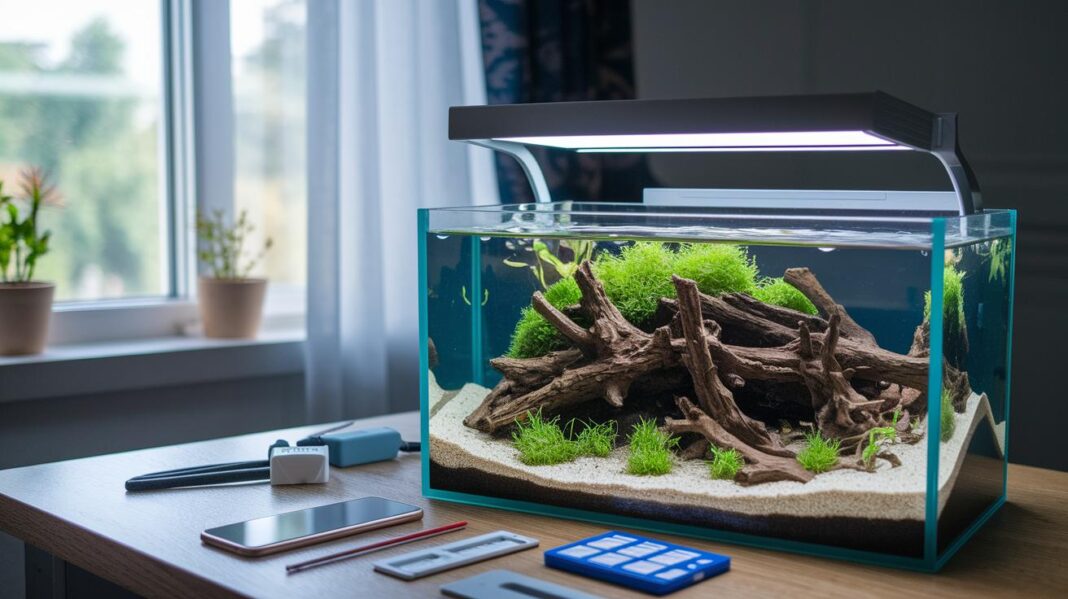

Ever wondered what makes an aquarium kit work like a well-tuned reef? Every part, from the tank to the filter, has its own role, like a playful school of fish creating a comfy, safe home.
In this little chat, we'll explore how each piece flows into the next, much like the gentle current carrying water through your favorite stream. Once you understand how they all blend together, setting up your aquarium becomes a breeze, filled with comfort, fun, and that smooth, running water we all love.
So, let's dive in and uncover the secrets behind this clever kit design.
How the Components of an Aquarium Kit Function
In any aquarium kit, every piece plays an important role. The tank, crafted from glass or acrylic, becomes the cozy home for your fish. It needs a sturdy stand since a full tank can weigh about 10 pounds per gallon, much like making sure your favorite bench in a park is securely anchored.
The hood or cover isn’t just decorative, it helps keep the water warm, cuts down on evaporation, and stops fish from playfully leaping out. Think of it as a caring friend who makes sure everything stays in place.
A submersible heater with a built-in thermostat warms the water to a snug 74–80°F, which tropical fish really love. Many aquarists also use an extra thermometer to double-check the temperature, a bit like making sure your soup is just right before taking a sip.
Your filtration unit, whether it’s a sponge filter or one that hangs on the back, does the job of clearing the water of debris while supporting friendly bacteria that help break down waste. It’s similar to how a gentle stream cleans its banks, keeping nature neat and balanced.
The substrate, whether you prefer gravel, sand, or a plant-friendly mix, should be well-rinsed to clear any dust and create a healthy base. And when it comes to décor, items like driftwood or soft plastic ornaments not only add charm but also give your fish safe, comfy hideaways.
Other must-have items include a water dechlorinator, nourishing fish food, and test strips to keep track of water quality. With these components, many setups cost over $200 and might need one to two weeks for the water to cycle properly before you add your fish. Setting up your aquarium can be a rewarding journey, turning a simple kit into a vibrant underwater haven.
Aquarium Kit’s Tank and Lid Feature Breakdown
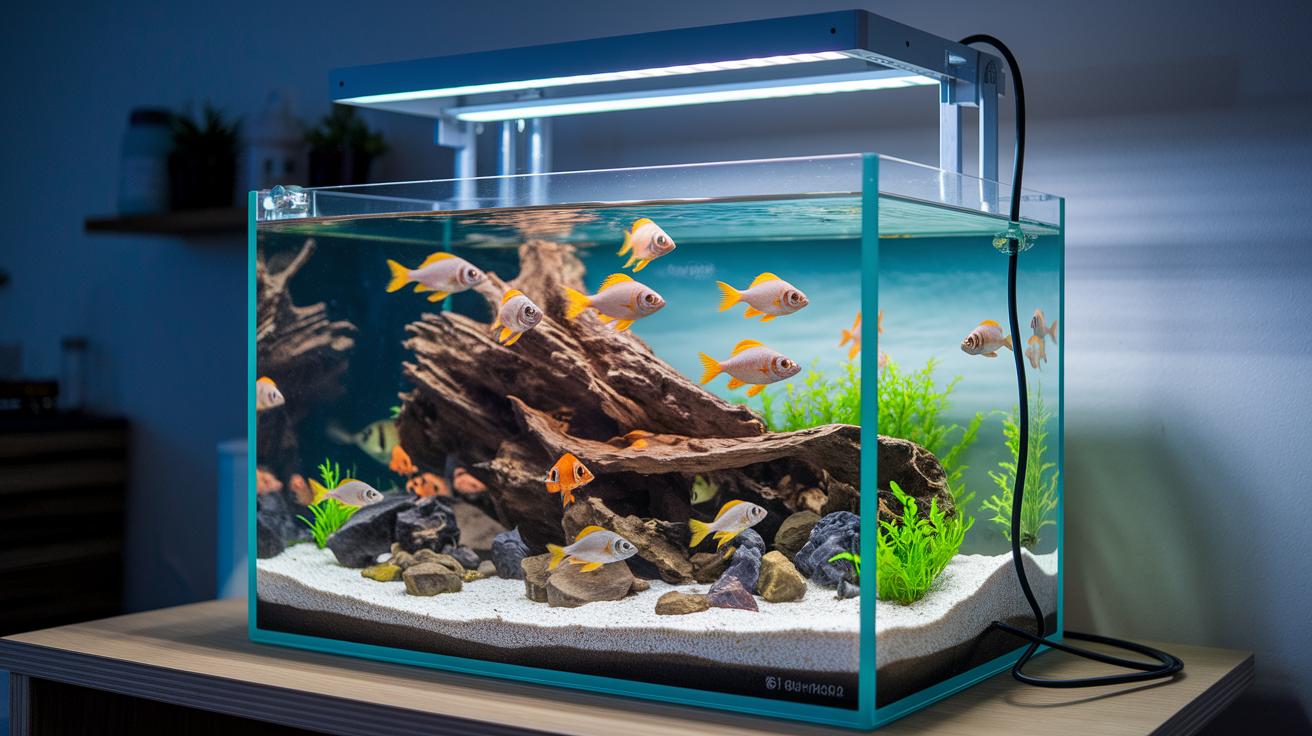
Your tank offers a clear, smooth view when made of glass, while an acrylic version feels lighter and stands up well during cleaning. Imagine picking an acrylic tank that feels as light as a feather yet tough enough to handle a good scrub. Both types need gentle care, glass with a soft cloth to avoid scratches and acrylic with cleaners that keep marks away.
A sturdy, level stand is a must since a filled tank often weighs over 10 pounds per gallon. Choose a flat, solid base that stays put during regular cleaning and never wobbles.
The lid does more than keep your fish safe. With smart ventilation cut-outs and spots for light mounts, it helps control humidity and makes adjusting your tank's lighting easy. Think of the lid as a cozy cap that holds in warmth and simplifies every cleaning session.
Filter System Details in Aquarium Kits
Filtration might not get all the praise, but it’s really the hero that keeps your aquarium water clear and healthy. In many starter kits, you’ll come across either a sponge filter with a gentle flow, ideal for a monthly clean, or a hang-on-back filter that neatly hangs on the tank’s side. Both systems work through three simple steps: trapping debris, letting good bacteria break down waste, and using substances to clear out impurities.
Hang-On-Back vs. Canister Filters
Hang-on-back filters are a favorite among fish lovers because they efficiently catch debris using sponges or cartridges. Their placement on the back of the tank makes cleaning and replacing parts a breeze. Plus, they often push a higher flow, which helps create that relaxing, swirling water effect. On the flip side, canister filters hide away nicely and offer more room for extra cleaning materials. They work well when your tank has lots of fish or if you want a bit more control over how the water moves. Imagine your aquarium water flowing smoothly like a quiet creek, that’s the charm of a well-set-up hang-on-back filter.
Sponge Filters and Bio-Media
Sponge filters do a double job. They catch loose debris and give a cozy home to helpful bacteria that break down waste naturally. Often, you’ll also see ceramic rings added to the mix, offering even more space for these tiny cleaners. Sometimes, a bit of activated carbon is included to remove unwanted smells and dissolved impurities. Replacement parts usually cost around $5 to $10 each, so it’s a good habit to swap them out every 4 to 6 weeks to keep everything running smoothly.
Choosing the right filter system is key to a thriving aquarium, keeping the water sparkling clean and creating a welcoming home for your fishy friends.
Aquarium Kit Heater Unit Explanation and Temperature Control
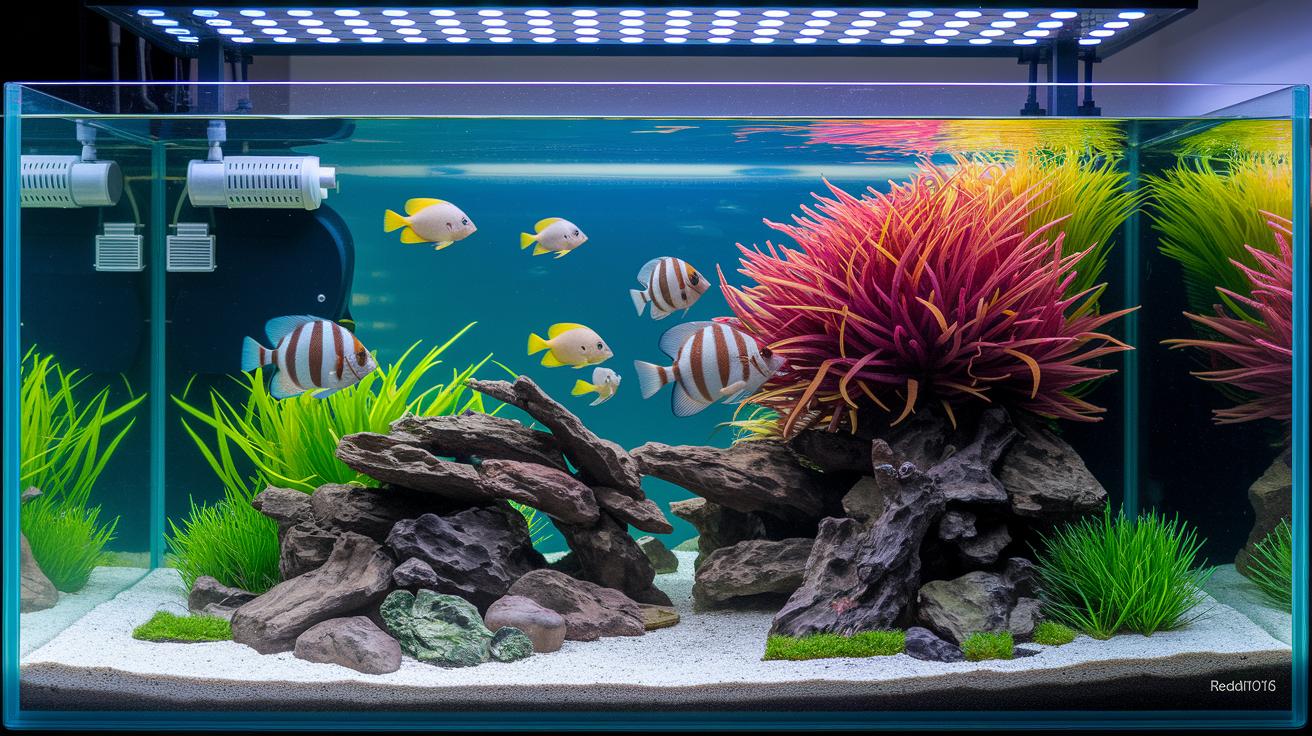
Getting your heater just right is key to keeping your tropical fish cozy in water that's between 74 and 80°F. A neat trick? Use about 3 to 5 watts per gallon. So if you've got a 20-gallon tank, aim for a heater that gives about 60 to 100 watts. Most aquarium kits come with a heater that you can fully submerge, and it even has a built-in thermostat to adjust the heat automatically.
Place your heater near the spot where water flows in so that the warm water spreads evenly throughout your tank, almost as if the heater is the gentle heartbeat of your underwater world. It also helps to use a separate digital thermometer; think of it as having an extra pair of eyes keeping track of the temperature. A quick double-check ensures your water stays just as toasty as you need it to be.
When you’re setting things up, never let the heater run out of water. Running it dry can damage the heater or even cause burns, which is something no fish lover wants to deal with. Always make sure the heater’s fittings are secure and that it sits at the right depth before you fill the tank. Regular safety checks and water tests keep your aquarium at a steady and safe temperature.
Remember to calibrate your heater when you first build your aquatic haven. Checking the water temperature every few days with a test kit helps you catch any changes early, so your fish can always enjoy their warm, comfy home without any surprises.
Aquarium Kit Lighting Module Insights: LEDs and Sterilizers
Many aquarium kits use lighting modules that do more than simply brighten your tank. They often include built-in LED or fluorescent lights paired with smart timers so you can easily control when the light is on. For setups with live plants, aim for 8 to 10 hours of light. The lights are usually set between 2,500 and 5,000 K, a range that helps your plants grow while keeping algae at bay.
LED panels are a real win, too. They only use about 0.5 to 1.5 watts per gallon, which means you save energy and have extra room in your budget for other tank upgrades. Picture your LED lighting as a gentle glow that transforms your aquarium into a tiny underwater garden, much like seeing sunlight dance across a quiet pond.
Some kits also include an optional UV sterilizer. This little helper runs on about 2 to 5 watts and works to cut down on free-floating algae and control pesky pathogens. Just remember, while it does a great job cleaning the water, it isn’t strong enough to tackle stubborn biofilms. Think of the UV sterilizer as a trusty sidekick rather than a full-on replacement for your regular cleaning routine.
LED units also come with various spectrum options so you can create the ideal ambiance in your tank. For planted setups, warm, full-spectrum light is the way to go. And if you don’t have plants, you might prefer settings that limit algae while making your fish’s colors truly pop.
Aquarium Kit Substrate Material Review and Decorative Accessory Analysis
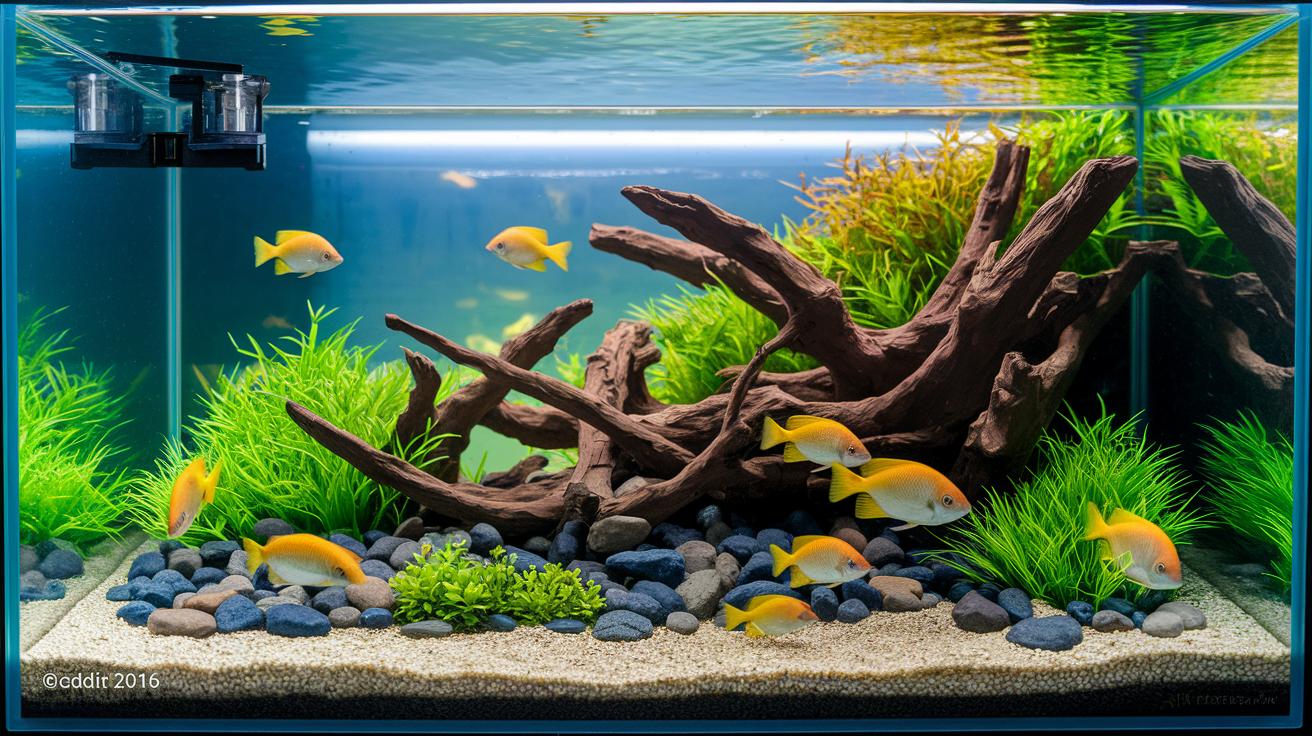
Choosing the right substrate is like laying the perfect foundation for a cheerful, thriving tank. Different types help in different ways, some boost plant growth while others create a charming base for your fish. And don’t forget to rinse it well; letting water run clear is key to keeping your tank crystal and preventing any dust from clouding the view.
Gravel vs. Sand vs. Plant Substrate
There are three main kinds to consider. First up is inert gravel, with little beads about 1–3 mm in size. Its solid, sturdy look is a hit with many, and because it won’t change your water’s balance, you can keep care simple. But keep in mind, those bigger chunks might hide bits of debris if you don’t clean them well.
Then there’s play-sand, a fine, smooth option that lets fish gently sift through it. It’s soft on the fins of smaller fish, though it can compact over time. This type works best in tanks where hard support for plants isn’t a big need.
Lastly, enriched plant substrates come from clay and are loaded with iron and other nutrients. They’re a real treat for live plants, giving them the boost to grow strong and vibrant. The only catch is that these substrates might tweak your water’s chemistry a bit, so it pays to know what your water needs beforehand.
Décor Elements and Habitat Design
Décor makes your tank feel like a mini underwater paradise. Driftwood and rocks give a natural vibe and create cozy hideaways for shy fish, much like the nooks in a gentle stream. They help your fish behave naturally and feel at home.
Artificial ornaments offer another fun way to brighten the tank. Available in many styles and colors, they add a splash of creativity without the upkeep of live plants, some even include pieces like GloFish décor to light up your display.
If you’re leaning towards live plants, consider adding items like rooting tabs or CO₂ diffusers. These work hand in hand with enriched substrates to create a lively, plant-friendly space that’s great to look at and great for your fish’s overall health.
Aquarium Kit Pump Mechanism and Water Circulation Evaluation
In your aquarium kit, the pump is like a hidden engine that brings life to every corner of your tank. It works quietly under the water, making sure every bit of your tank gets its share of fresh water, usually moving the water 2 to 5 times the tank’s volume every hour. Think of it as a gentle current that flows steadily, just like the ripple of water around smooth stones.
Maintaining a constant flow is essential to prevent quiet spots from forming where debris or algae might build up. Many pumps let you adjust the nozzle, so you can direct the flow with care, much like steering a calm stream. This extra control means you can refresh even the trickiest corners, keeping the water oxygen-rich and inviting for your fish.
When you’re deciding between a powerhead and other types of filter returns, remember that powerheads create a more focused flow. They can help spread oxygen throughout the tank, acting like a mini river that guides the water to every part of your aquatic world. In contrast, some systems, like canister returns, do a great job of filtering the water but might not push it around with the same force.
For saltwater setups, many aquarists add a protein skimmer to catch dissolved organics that regular filters might leave behind. This extra step creates an even cleaner environment by nabbing the tiny particles that other methods might miss.
Key points:
- Pump circulates water 2–5 times the tank volume per hour
- Adjustable nozzles help you guide the flow where it’s needed most
- Options include powerheads and submersible pumps
Placing your pump correctly is just as important as choosing the right model. Setting it in a spot where it can draw water from deep within the tank and push it into corners and along the substrate helps keep your tank fresh. Regularly cleaning the pump head and checking that water flows smoothly keeps your setup in top shape. Even a small blockage can reduce efficiency, so a quick look now and then can make a big difference.
In the end, a well-set pump creates a balanced, clear, and oxygen-rich home for your fish, just as refreshing as the gentle flow of water on a quiet day.
Essential Maintenance Tools and Water Quality Testing for Aquarium Kits
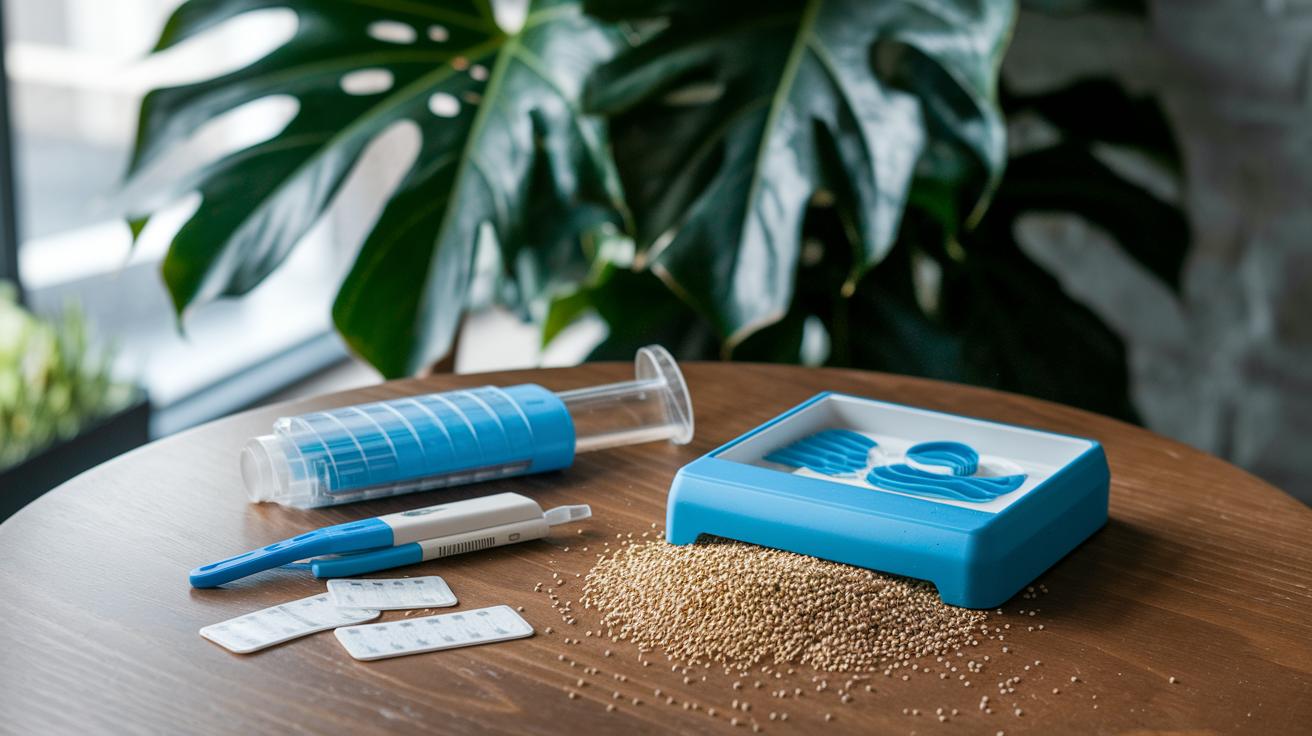
Keeping your aquarium healthy is like giving your fish a refreshing swim every day. It all starts with checking your water. You can use simple test strips or liquid kits to measure pH, ammonia, nitrite, and nitrate levels. This is much like checking the temperature of freshly baked cake, so you catch any issues before they become bigger problems.
Another tool that makes a big splash is the gravel vacuum. It gently cleans out debris from the gravel, helping to keep your fish safe. And don’t forget the algae scraper, it wipes off any slimy buildup from the glass so you can enjoy a clear view. It’s important to peek at all your equipment, like spare filter media and wrenches, to make sure they’re ready when you need them.
| Tool | Purpose |
|---|---|
| Test strips or liquid kits | Check water parameters such as pH and chemicals |
| Gravel vacuum | Cleans debris from the tank’s substrate |
| Algae scraper | Removes buildup from glass surfaces |
| Replacement filter media and wrenches | Keeps all equipment ready and in good shape |
| Water conditioners | Neutralizes harmful chemicals like chloramine |
Regular water changes and testing are a lot like keeping to a daily routine that balances everything in your tank. When you stick to these habits, your aquatic friends get to enjoy a stable and happy home. Ever notice how a well-kept aquarium makes your day feel a bit brighter? It’s all about those little steps that add up to a big difference in your tank’s health!
Assembly Instruction Clarity and Safety Protocols for Aquarium Kits
Start by following the manual's step-by-step guidance as if you’re setting up your own little underwater hideaway. First, apply the silicone sealant along all the seams and let it sit for 24 to 48 hours. Think of that waiting time as giving your tank a gentle nap before it springs to life, kind of like letting bread dough rise before baking.
Make sure you set your tank on a flat, sturdy surface so it stays level. A simple bubble level tool can help here; just place it on top of the tank and adjust until the bubble rests in the very center.
Next, guide the cords for the heater, filter, and lights through the built-in drip loops. This trick helps stop water from sneaking along the cords and causing a short circuit, much like tidying up loose cables behind your TV.
Finally, position your power strips away from splashy areas. Before filling the tank, inspect all the gaskets and seams carefully for any leaks. Taking your time now keeps your aquatic home safe and sound.
Performance Optimization Tips and Long-Term Care Strategies for Aquarium Kits
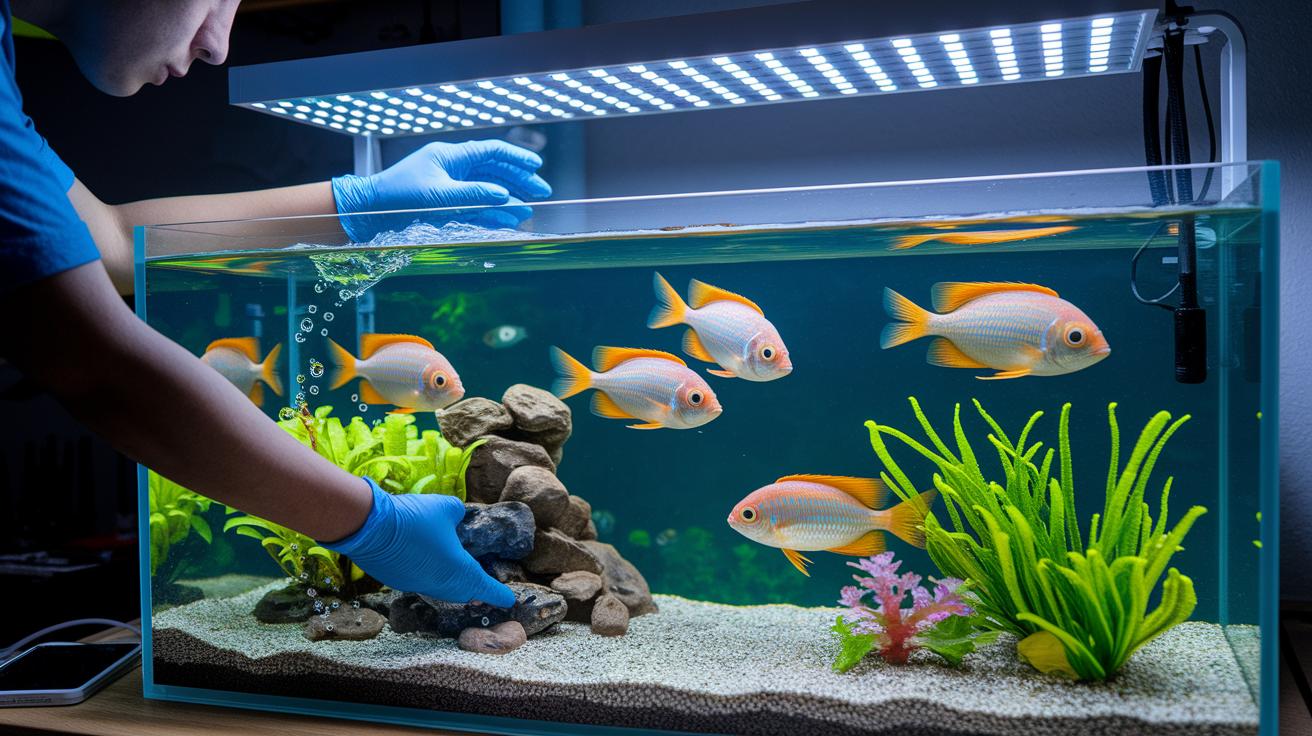
Every fish lover knows that keeping your underwater home thriving takes regular care. A great tip is to change about 10–20% of your water each week. This simple refresh washes away waste and keeps your fish feeling happy and healthy.
Swapping out your filter media every 4–6 weeks keeps the system well-balanced too. If you have a busy tank with lots of fish, you might consider using a high-capacity filter. Think of it like a super sponge that works harder to keep your water clear.
Another neat trick is to focus on saving energy. Using energy-efficient LEDs and inline heaters cuts down on electricity bills and helps your aquarium parts last longer. Keeping an eye on your utility costs is a smart way to check that your tank stays in great shape without surprises.
Here are some practical tips to get you started:
- Change 10–20% of your water each week to keep it fresh.
- Replace your filter media every 4–6 weeks for the best performance.
- Try high-capacity media if your tank is busy with lots of fish.
- Use energy-efficient LEDs and inline heaters to lower your bills.
- Keep a log of component replacement dates to plan your schedule.
- Monitor your utility costs to watch your long-term expenses.
Setting up a regular maintenance routine not only helps your equipment last longer but also minimizes those unexpected repair costs. It turns little weekly tasks into a smooth, cost-effective system that keeps your aquarium vibrant and full of life.
Final Words
In the action, we explored every detail, from the tank and filter to heaters, lighting, and décor essentials. Each section offered clear tips on setting up and caring for your underwater space. Maintenance steps and safety checks were also shared, making daily care feel manageable.
This guide was all about breaking down the components of an aquarium kit to help you create a thriving habitat. Enjoy the experience and keep your aquatic world vibrant and healthy!
FAQ
How do I set up a tropical fish tank for the first time?
Setting up a tropical fish tank for the first time means following a step-by-step kit guide: assemble the tank, fill with treated water, run the filter and heater, and allow a 1–2 week cycle period before adding your fish.
What does a fish tank setup kit include?
A fish tank setup kit includes essential parts like the tank, hood or cover, heater, filter system, lighting, substrate, décor, water dechlorinator, fish food, and test strips, giving you everything needed for your home aquarium.
How do I cycle a new fish tank?
Cycling a new fish tank means establishing beneficial bacteria by running the heater and filter for 1–2 weeks and testing water for ammonia and nitrite levels before safely introducing any fish.
Which tropical fish suit a beginner aquarium?
Tropical fish such as tetras, guppies, Siamese fighting fish, and Corydoras work well in beginner setups, as long as your tank meets their temperature and water quality needs.