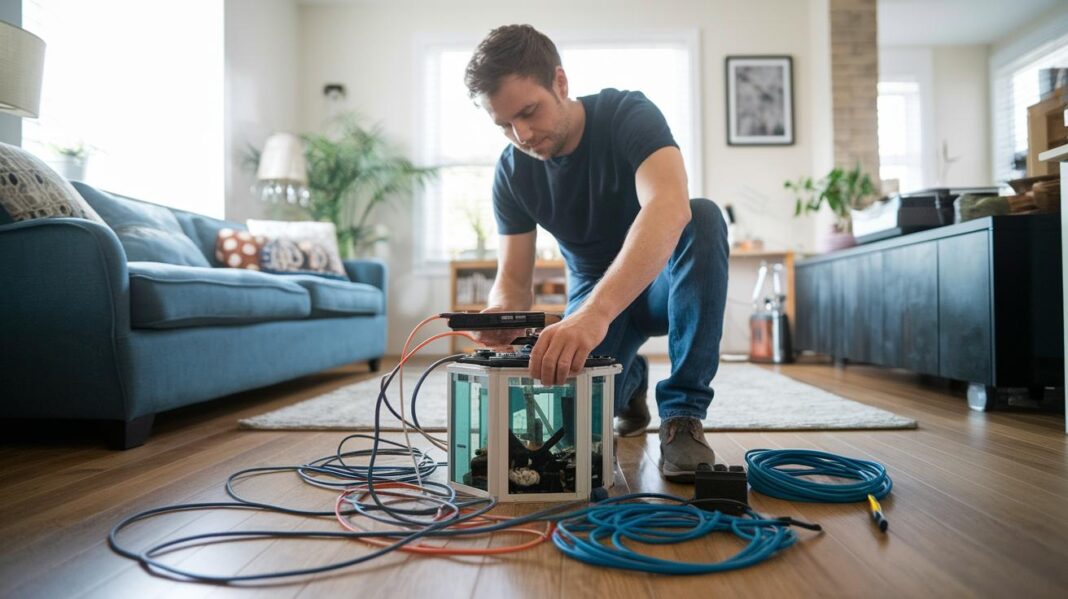

Ever wonder why your fish might seem a little down in your tank? It’s not just about filling it with water and pretty ornaments. Sometimes a small mistake, like picking a tank that is too small or not waiting for the water to settle, can make the water cloudy and leave your fish feeling stressed.
We all want our aquatic pals to thrive, just like we enjoy watching the gentle ripple of water over smooth stones. In this guide, I'll share some common setup mistakes and simple tips to help you create a lively, well-managed home for your finned friends. Imagine your tank as a cozy underwater haven where every bubble and ripple brings calm and happiness.
Equipment Setup Pitfall Overview: Identifying Common Mistakes To Avoid When Setting Up Aquarium Equipment
Starting your aquarium can feel a bit like creating a little underwater world, where even tiny setup mistakes can ripple into big problems for your finned friends. For instance, if your tank is too small or you skip the vital process of cycling the water (that’s when you let the tank settle so it can naturally clean itself), your fish might suffer from dirty water and stress. Imagine trying to care for five Neon Tetras in a tank that can’t keep the water balanced, suddenly, your fish are at risk from harmful spikes.
It’s smart to spot these common errors early on. By knowing what to watch out for, you can save time and avoid expensive repairs down the road. Think of this as a handy guide to keep your aquarium community happy and healthy:
- Wrong tank size – A tiny tank can cause overcrowding and quick shifts in water quality.
- Skipped cycling – Not allowing the tank to settle first means toxic ammonia and nitrite can build up.
- Weak filter – A filter that isn’t strong enough won’t clean out waste effectively, leaving harmful buildup.
- Heater mischoice – Using a heater that doesn’t match your tank size can lead to uncomfortable temperature swings.
- Lighting scheme missteps – Poor or uneven lighting can stunt plant growth and create uneven spots in your tank.
- Substrate application errors – Too much gravel or the wrong layering method can cloud the water and make cleaning hard.
- Water-fill mistakes – Pouring water directly onto the gravel without any protection can disturb the substrate and lead to murky water.
Next, each of these points is explored further with simple, clear tips to help keep your aquarium thriving. Ever notice how a little attention to detail makes all the difference in your aquatic setup?
Tank Size And Device Compatibility Mistakes To Avoid When Setting Up Aquarium Equipment

We often hear about tank size issues, but not many folks talk about pairing your devices right. Matching your equipment not only makes everyday care smoother but also sets up your tank for long-lasting success. I once found that using a heater with adjustable wattage in a larger tank made a big difference, it kept the temperatures steady even when the power wavered.
- Tank size problems: A small tank can lead to quick swings in water chemistry and stop your devices from working well together. Switching to a tank with 20 gallons or more can really help modern equipment perform better.
- Filter issues: A basic filter might deal with everyday waste, but it can struggle when your tank gets busier. Look for filters with variable speed control to keep the water quality steady.
- Heater challenges: A heater that just barely meets the wattage needs might work for a short time but usually causes unstable temperatures over time. Adding extra heating solutions can help keep the water temperature even.
- Lighting troubles: Lighting that doesn’t spread evenly might stunt plant growth and create uneven temperature zones. Choose adjustable lighting systems with good heat control for full tank coverage.
Matching your tank size with the right device specs is all about future-proofing your aquatic home. Upgrading to equipment with flexible settings lets your setup grow with changing water conditions, ensuring your finned friends stay comfy for many years.
Installation Missteps: Substrate, Part Placement, And Wiring Mistakes In Aquarium Equipment Setup
Setting up an aquarium is a lot like tending a beautiful little underwater garden. Mistakes happen, and that’s okay. Sometimes, the substrate, the little stones or gravel at the bottom, might be too deep or not treated right. This can make cleaning a chore, and if you pour water straight onto it without any protection, your water might turn murky. Placing your tank where the sun hits directly can also stir up unwanted algae and sudden temperature jumps. Even simple moves, like putting heaters or filters in the wrong spot, can lead to dead zones or bumpy water flow. And loose plumbing or stray wires not only risk leaks but can even be dangerous if someone accidentally touches them near water.
Taking a little time to plan your layout makes all the difference. When everything is in its right place, your fish and plants will thrive in a calm, balanced environment. For example, think of an overly thick layer of substrate as a hidden trap for debris, which disrupts the water’s natural circulation. And a mix-up with wiring might bring water too close to electric parts, something you definitely want to avoid. Being mindful while setting up your aquarium means fewer headaches later on and more time enjoying your little slice of aquatic paradise.
Substrate Layering Errors
A nicely layered substrate doesn’t just look cool; it also makes cleaning easier. Try keeping the front of your tank with a thinner layer, and let the back have a bit more depth. While filling the tank, place a plate or a plastic bag over the substrate. This simple trick stops the water from disturbing your careful arrangement, keeping everything neat like a gentle ripple on a calm pond.
Equipment Positioning & Wiring Hazards
Think of your heaters, filters, and other equipment as important team players that work best when they’re set just right. Place heaters safely away from the glass so the water moves evenly. Secure any plumbing fittings to stop leaks before they even start. And be sure to keep all cables away from busy water currents. This helps reduce the risk of unexpected shocks and keeps your setup safe and sound.
| Mistake | Prevention |
|---|---|
| Excessive substrate depth | Use a graded substrate and cover it while filling with water |
| Loose plumbing and exposed wiring | Tighten all fittings and route cables safely away from water |
Water Cycling And Parameter Calibration Mistakes To Avoid When Setting Up Aquarium Equipment
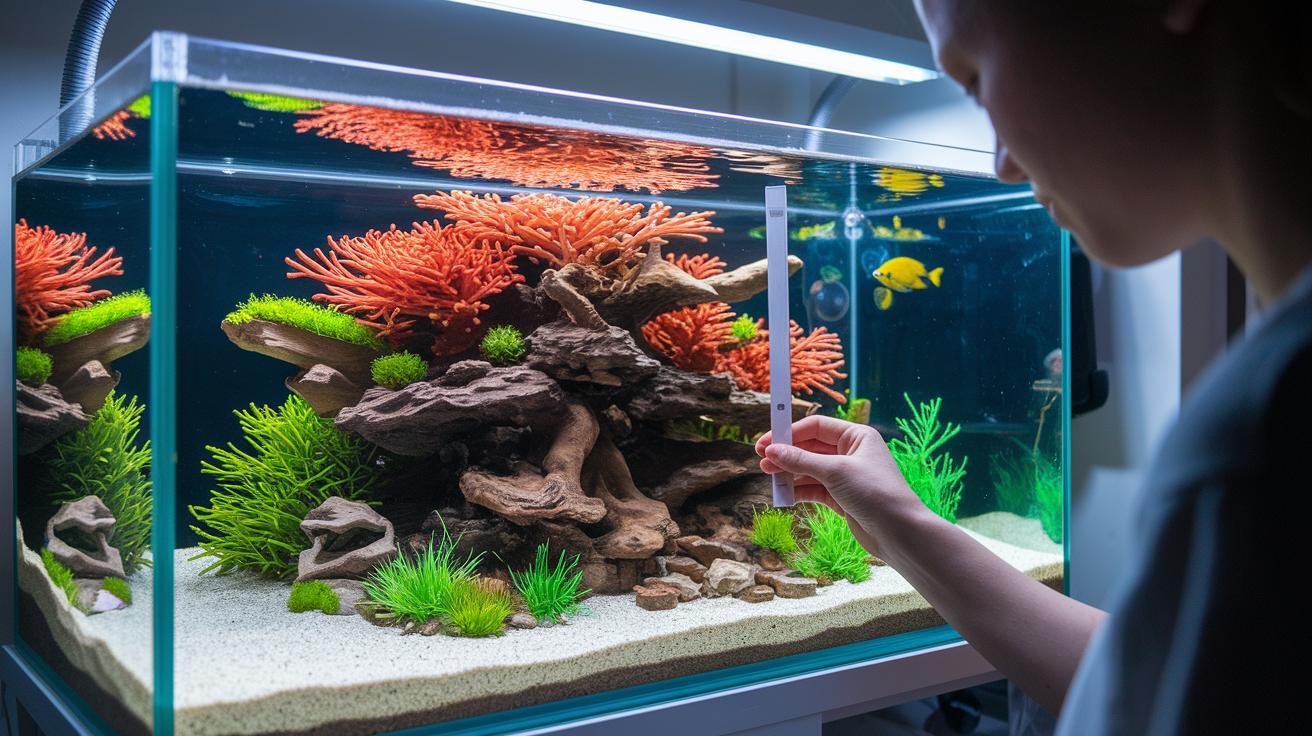
Taking care of your aquarium starts with a natural water cycling process and keeping a close eye on your tank's water quality. The cycling process works like nature's little cleaner, breaking down dangerous substances so ammonia doesn't build up and stress out your fish. Without daily checks on pH, ammonia, nitrite, nitrate, and water hardness, you might miss sudden shifts that could upset your aquatic pals. Catching problems early means you can fix them before they turn into big, expensive messes.
Tuning your equipment is just as important as the cycling itself. Think of it like tuning your favorite instrument before a show. Your pH meter needs regular balancing with a standard solution to show true water conditions; if it gives false readings, your fixes will be off. The same goes for your thermometer and heater, a miscalibrated heater can cause unexpected temperature swings that unsettle your fish. A little time spent calibrating now sets the stage for long-term peace of mind and stable water quality.
In the beginning, stick to a daily routine for water tests to keep track of pH and nitrogen compounds as your tank settles into its rhythm. Once everything feels steady, you can cut back to weekly tests and remember to recalibrate your pH meter, thermometer, and heater every month. A steady routine helps you notice slow changes before they become big problems. For extra tips on fixing calibration quirks, check out "Troubleshooting common issues in aquarium ecosystems" at https://sweetfysh.com?p=1159.
Maintenance And Stocking Errors To Avoid When Setting Up Aquarium Equipment
Even when your tank is all set up and looking beautiful, keeping it healthy means staying on top of regular care and stocking wisely. Skipping weekly tasks can lead to issues like nitrate buildup, extra algae from waste, and even hidden wear on your equipment. And honestly, overfeeding or adding too many fish too soon can upset your little underwater world, stressing your fish and overwhelming the system.
I remember when I first started my aquarium journey, I learned the hard way that keeping a steady routine makes all the difference. A small effort each week goes a long way, ensuring your water stays clean and your fish stay happy. Here are some simple tasks to include in your routine:
| Task | Why It’s Important |
|---|---|
| Water Change | Regular changes wash away waste and help keep nitrate levels low. |
| Filter Media Cleaning | Cleaning weekly prevents clogging and stops you from always buying disposable parts. |
| Water-Parameter Testing | Checking pH, ammonia, nitrite, and nitrate each week alerts you to any trouble early on. |
| Equipment Inspection | A quick weekly look at your heater, light, and plumbing can spot tiny issues before they get big. |
| Feeding Review | Noticing how much your fish eat helps you avoid overfeeding and keeps your routine balanced. |
By taking a few minutes each week for these tasks, you set your aquarium up for long-term success. Patience with stocking and regular care helps create a calm, balanced aquatic world that you and your fish can truly enjoy. For further reading, check out Maintenance schedules for a stable aquarium ecosystem (https://sweetfysh.com?p=1059).
Final Words
In the action, we took a close look at how equipment setup errors can affect your underwater world. We discussed pitfalls in tank sizing, device compatibility, wiring placement, and water cycling that can lead to an unbalanced environment.
Staying mindful of common mistakes to avoid when setting up aquarium equipment can really boost your pet care confidence. Keep testing, adjusting, and enjoy watching your aquatic space thrive each day.
FAQ
What are the common mistakes to avoid when setting up aquarium equipment?
The common mistakes to avoid include using an undersized tank, skipping the water cycle, underpowering filters, and placing equipment incorrectly. These errors can lead to unstable water chemistry and stressed fish.
What are some common aquarium problems?
The common aquarium problems include cloudy or imbalanced water, algae blooms, and mispositioned equipment, which can all affect fish health if water parameters are not regularly monitored.
What does a cone snail aquarium involve?
A cone snail aquarium involves providing a secure, well-maintained habitat that meets their unique needs and minimizes the risk they pose to other tank inhabitants.
What is the 5 gallon Aqueon Smart Clean setup about?
The 5 gallon Aqueon Smart Clean setup is designed for small spaces; it demands a careful water cycle and properly matched equipment to keep water quality optimal.
What should I know about a spotted snail aquarium?
A spotted snail aquarium uses snails with distinct patterns as natural cleaners. Ensuring proper tank conditions and balanced feeding will help maintain a healthy ecosystem.
How do pond snails affect an aquarium?
Introducing pond snails can affect your aquarium by multiplying quickly. Their population should be kept in check to prevent overcrowding and water quality issues.
Can you have too many snails in a fish tank?
Yes, having too many snails in a fish tank can lead to overcrowding and excessive waste, which disrupts water chemistry and can harm the overall tank health.
What is unique about a white snail aquarium?
A white snail aquarium features pale-shelled snails that enhance the tank’s visual appeal while helping clean the environment. It’s important to manage their numbers to preserve balance.
What should you never do when setting up your aquarium?
You should never rush the setup without proper cycling, use an undersized tank, misalign equipment, or overfeed the fish, as these mistakes lead to unstable water conditions.
How long should I let a new aquarium sit before adding fish?
You should let a new aquarium sit for about four to six weeks to ensure the bacteria needed to process toxins fully develop before introducing any fish.
What is fish tank syndrome?
Fish tank syndrome refers to imbalances in water chemistry—like high ammonia or nitrite levels and algae blooms—resulting from poor setup or neglect in maintenance.
How do you set up an aquarium properly?
Setting up an aquarium properly means choosing the right tank size, pairing compatible equipment, cycling the water patiently, and establishing a regular maintenance routine to support fish health.