

Have you ever noticed how a burst of bright color can lift your mood instantly? Imagine rainbow reef fish with scales that shine like soft sunlight gliding through water.
Picture these lively fish lighting up a quiet reef. Their colors mix like a moving picture, reminding you of an early, cheerful morning.
In this post, I'll share simple tips to bring a bit of that natural magic into your own aquarium. It’s amazing how a splash of nature’s best can truly spark joy.
Rainbow Reef Fish Identification, Natural Habitat, and Aquarium Care
Rainbow reef fish burst onto the scene with brilliant colors and fun, lively patterns that set them apart. Their scales shimmer like tiny bursts of color dancing in the sunlight, instantly brightening your day. It’s like watching an underwater ballet that lifts your mood with every flash of neon blue, reminding you of a bright, sunlit morning in a sparkling pool.
These fish call a sunlit underwater world their home, living in clear waters 15 to 30 feet deep. Picture a vibrant reef where beams of light gently ripple over colorful sponges and hearty coral patches. In the spring and summer, young tropical fish are especially abundant, adding an extra splash of life to this natural canvas. The reef itself, with its many shapes and layers, offers perfect nooks for hiding and feeding, just like a playground woven by nature.
- Parrotfish
- Angelfish
- Grouper
- Barracuda
- Pufferfish
- Lizard fish
- Hogfish
When creating a similar world in your aquarium, start with lighting that mimics the gentle rays of the sun. Choose a substrate that feels like the natural reef bed, and add a water flow that echoes the ocean’s own currents. By arranging rocks and coral-like decor to form cozy corners, you not only show off the fish’s bright colors but also keep them happy and healthy, just like in their natural, vibrant home.
Color Variations and Species Profiles of Rainbow Reef Fish

The underwater world is like a huge art gallery where every fish tells its own colorful story. Watching reef fish glide by feels like seeing gentle ripples of color in a living painting. Picture yourself in front of a school of bright fish, their blues, pinks, and oranges forming a moving, natural mosaic. Fun fact: long before he became famous for his paintings, Monet drew inspiration from nature’s brilliant hues, capturing every little detail on his canvas.
Let's dive into some of these fascinating species:
- Parrotfish
- Angelfish
- Grouper
- Barracuda
- Pufferfish
- Lizard Fish
- Hogfish
Each of these fish shows off unique colors that aren’t just pretty to look at, they also help them in their underwater lives. For example, parrotfish flash bold pinks and oranges, which can signal that the area is their own little corner of the reef. Angelfish, on the other hand, wear calming blues and sunny yellows that might help attract a mate. Grouper usually sport more subtle tones so they can blend in with the rocky backgrounds, while barracuda use striking, bold stripes as a warning to others.
Then there are pufferfish, whose eye-catching designs make it hard to miss them, and lizard fish, whose lively markings help them chat quietly while hiding among corals. Hogfish, with their earthy shades, seem to disappear into the textured reefs. These vivid colors act like nature’s secret code, helping fish keepers quickly see who’s who and understand what might be going on in their underwater neighborhoods. It’s like getting a peek into a beautiful, watery story every time you watch them.
Rainbow Reef Fish: Exquisite Colors Spark Joy
When setting up your tank, start by creating a little slice of ocean with the right lighting, temperature, and salinity. Imagine soft sunbeams filtering into clear water, set your light to look natural, and keep the temperature around 75°F to 80°F. A stable salt level helps your tank mimic the gentle balance found in real brackish or saltwater habitats.
Next, think about the tank floor. Choose a natural substrate like fine sand or smooth gravel that reminds you of a peaceful sea bed. Use non-coralline rocks so special creatures like Pseudomugil stay safe from rough coral. Arrange your rocks to form quiet nooks and open spaces, like secret underwater hideouts that welcome every fish.
A top-notch filtration system is key to making your tank feel like the ocean. Your filter acts like the heartbeat of the water, keeping it clear and gently moving. This smooth flow is just like the natural ocean current, giving your fish a healthy and happy environment.
Add some lively decor to bring that reef feel home. Think of choosing ornaments that look like colorful sponges or tough coral, and place artificial plants to create little hiding spots for your fish. It’s like building a mini coral garden where every fish has a perfect place to explore and relax.
Finally, keeping your tank in shape is an ongoing process. Check the water quality, clean your filters, and make sure everything is working well as part of your regular routine. These small tune-ups help every part of your underwater haven work together, letting your rainbow reef fish dazzle and thrive day after day.
Brackish Water Acclimation for Rainbow Reef Fish
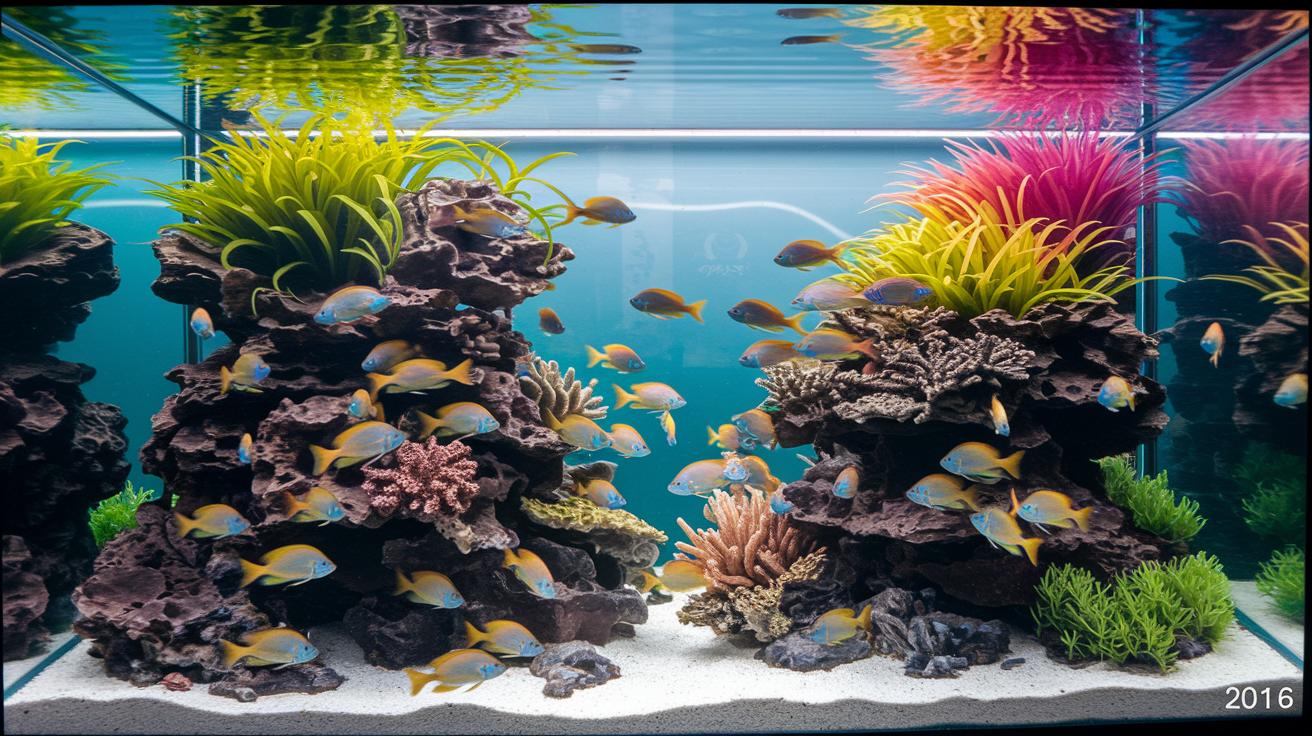
When setting up a brackish tank for your rainbow reef fish, take it slow and steady. Start by mixing a bit of salt into freshwater so your tank mimics a naturally gentle brackish setting. This gradual change helps your fish feel like they’re easing into a cool, refreshing swim on a sunny day. Keep an eye on the water's saltiness, temperature, and pH so that your little aquatic pals can settle in comfortably. A refractometer, a handy tool that measures salt levels, can guide you as you create the perfect, calm environment. Think of it like gradually tuning a favorite melody so every bubble feels just right.
Different fish may handle the change in salt levels in their own ways. For instance, Pseudomugil signifer usually isn’t seen in full saltwater environments, while some aquarists have successfully kept Pseudomugil cyanodorsalis in small tanks for a little while. However, you might notice that male P. cyanodorsalis often don’t stick around too long in these saltier waters. Their sensitivity to coral elements and specific feeding needs can make it tricky to maintain a long-term saltwater setup for them. So, adjust your feeding routine and watch their behavior closely, you’ll want to catch any signs of stress early.
Compatibility Considerations for Rainbow Reef Fish in Community Tanks
When you’re picking friends for your rainbow reef fish, it helps to know what makes them tick. Think of each fish as a unique character in your underwater adventure. Look for pals that are calm and thrive in similar water conditions. Their eating habits and sensitivity, like troubles with coral stings, are important clues to avoid upsetting their balance.
Choosing species that peacefully coexist can create a colorful underwater world. Imagine gentle, similarly sized tropical fish gliding alongside your reef fish, keeping things tranquil and lively. When fish share similar diets and water needs, they naturally ease any potential rivalry. And if you have a P. cyanodorsalis with its shorter male lifespan, a well-planned mix can help keep the community steady and happy.
It’s also smart to steer clear of possible troublemakers. Some fish, like barracuda or pufferfish, might turn into predators for your smaller, vivid friends. Watch out for signs like constant chasing or stress, these are like dark clouds in an otherwise sunny sea. Catching these issues early lets you keep your vibrant underwater community flowing smoothly.
Conservation and Sustainability of Rainbow Reef Fish Habitats

The brilliant underwater homes of rainbow reef fish are facing tough times. Coral reefs, found around 15 to 30 feet deep, are battling bleaching, pollution, and too much fishing. In simple terms, these colorful homes are losing their sparkle, and the fish are at risk of losing the safe, lively surroundings they need.
At Aulani Resort, the Rainbow Reef isn’t just a pretty view, it carries a heartfelt message of care. They share stories about fish and echo a well-known Hawaiian saying: "The land is a chief, man is her servant." This beautiful idea reminds us that we all need to take care of nature. It feels like a gentle nudge, telling us to protect all parts of our ocean world.
Around the community, many people are working together to keep these underwater places safe. Local groups, marine experts, and aquarium lovers join hands to watch over reefs, clean up trash, and spread the word about their beauty. Every little effort adds up, much like the small ripples that can turn into a wave.
Even at home, you can be part of the solution. When picking fish for your tank, choose those that come from sustainable sources. Check your equipment often to mimic nature’s way of doing things. This simple care can help your little aquatic world mirror the protection we all need for our oceans.
Final Words
In the action, we explored the vibrant world of rainbow reef fish, from recognizing their unique colors and natural habitats to setting up aquariums that closely mimic these settings. We looked at how to create a tank that blends visual appeal with healthy conditions, including water quality and proper tank mate selection.
We also touched on practical tips for acclimation and sustainable care. Each step brings us closer to enjoying a thriving underwater scene with rainbow reef fish.
FAQ
What rainbow reef fish species are available?
The rainbow reef fish species include parrotfish, angelfish, grouper, barracuda, pufferfish, lizard fish, and hogfish that add vibrant color to reefs.
What does “rainbow reef fish for sale” mean?
The term “rainbow reef fish for sale” means you can buy these colorful fish from local shops or online retailers for your aquarium setup.
How can I set up a rainbow reef fish aquarium?
Setting up a rainbow reef fish aquarium means mimicking clear, natural water with proper lighting, decor, and filtration so the fish feel at home.
How much do rainbow reef fish typically cost?
Rainbow reef fish prices can vary based on species and size, with different vendors offering a range of costs to suit various budget needs.
What is Rainbow Reef fish Hello Kitty?
Rainbow Reef fish Hello Kitty blends the charm of vibrant reef fish with Hello Kitty themes, likely resulting in playful merchandise or decorative items.
What does SwimWays Rainbow Reef Fish refer to?
SwimWays Rainbow Reef Fish likely refers to a product or display item that features lively colors and designs inspired by natural reef fish.
How can I find rainbow reef fish on Amazon?
Finding rainbow reef fish on Amazon means exploring a variety of products such as aquarium supplies, themed decorations, or even art that celebrates these fishes.
What does investigating the very bottom of Rainbow Reef Hello Kitty involve?
Investigating the very bottom of Rainbow Reef Hello Kitty means taking a closer look at intricate design details that highlight a unique blend of reef fish aesthetics with Hello Kitty charm.