

Have you ever thought about adding some bright angelfish to your reef tank? They bring a splash of color and energy, like a gentle ripple across your underwater world, without upsetting your coral friends.
These fish are little explorers, nibbling here and there, and they usually keep things calm and balanced. Sure, some might give your coral a little taste now and then, but choosing the right kind means you can enjoy their lively company while your reef stays happy.
In this guide, we'll look at a few angelfish that mix charm with care, creating a vibrant scene in your tank. So, if you’re ready to watch your reef come alive with color and gentle energy, dive in and see which species might be the perfect fit for your aquatic haven.
Top Reef-Safe Angelfish Species for Your Reef Aquarium
Angelfish bring a burst of color and liveliness to any coral display. They add sparkle to your underwater world, but keep in mind that even reef-friendly types sometimes take gentle nips at coral polyps or clam mantles. It’s a bit like a fish tasting a new snack, they’re curious, but you might want to watch closely.
Some angelfish keep it small. For example, the Bicolor, Coral Beauty, Flame, and Lemonpeel angelfish stay under 5 inches long and do best when given a 70-gallon tank to glide around comfortably. The Flameback angelfish is even tinier, reaching up to 3 inches, and prefers a 55-gallon setup.
Larger angelfish need more room to spread their fins. The elegant Emperor Angelfish can grow up to 15 inches, so it needs at least a 220-gallon tank to feel at home. Similarly, the Queen Angelfish, which can reach 18 inches, requires around 250 gallons, while the Swallowtail, growing to 8 inches, thrives in a 125-gallon space.
| Species | Max Size | Min Tank Volume | Coral Compatibility |
|---|---|---|---|
| Bicolor Angelfish | Under 5″ | 70 gallons | Generally reef safe, occasional nipping |
| Coral Beauty Angelfish | Under 5″ | 70 gallons | Generally reef safe, needs caution |
| Flame Angelfish | Under 5″ | 70 gallons | Reef compatible with careful monitoring |
| Lemonpeel Angelfish | Under 5″ | 70 gallons | Attractive reef safe option |
| Flameback Angelfish | Up to 3″ | 55 gallons | Reef safe with occasional coral nipping |
| Emperor Angelfish | 15″ | 220 gallons | Reef safe only in large, mature systems |
| Queen Angelfish | 18″ | 250 gallons | Caution advised around delicate corals |
| Swallowtail Angelfish | 8″ | 125 gallons | Reef compatible with enough space |
For aquarists with a bit more experience, Regal and Majestic angelfish offer an extra dash of beauty and charm. The Regal angelfish has striking color patterns and a calm nature, much like the gentle ripple of water on smooth stones in a well-set-up tank. On the other hand, the Majestic angelfish dazzles with bold blues and detailed markings, adding a unique flair to your reef. Both do best in mature systems filled with healthy coral and live rock, letting their natural grace shine through, even if they sometimes nibble on corals.
Setting Up an Angelfish-Friendly Reef Tank

Start by picking a reef system that’s already alive and well. Look for mature live rock and vibrant coral clusters that have had time to settle in and support helpful micro-creatures. For smaller angelfish, a tank holding about 55 to 70 gallons works best, while larger angelfish really enjoy the extra room in a 125 to 250 gallon setup.
Next, set up your marine tank using tried-and-true steps. Begin by cycling your tank with live rock and corals to let friendly bacteria do their work, just like prepping a garden soil before planting. This careful setup helps your angelfish feel at home and keeps them stress-free when they first join you.
Design your tank layout with plenty of open swimming paths and scattered rockwork. This not only gives active angelfish lots of space to cruise, but also creates cozy corners where your corals and sponges can thrive away from the hustle and bustle. Adding patches of macroalgae is a great idea too; these act like extra feeding spots so your fish might leave the delicate corals alone.
When it comes to placing coral fragments, follow some simple guidelines. Position them in quiet areas where fish won’t wander too often, which lowers the risk of nipping. Think about it like setting up snack stations away from the main buffet line, there’s enough for everyone, but the focus isn’t right where the action is.
With these simple, friendly tips, your reef-safe angelfish will have plenty of room to explore, and your corals will find safe spots to flourish.
Coral & Invertebrate Compatibility with Reef-Safe Angelfish
Reef-safe angelfish are lively swimmers who love to nibble around their tank. Their gentle grazing can sometimes put a bit of stress on delicate coral polyps and clam mantles. That’s why it’s smart to choose tough, resilient companions. These fish swim and take small bites at things around them, so hardy soft corals and encrusting species make a great match. Think of hardy Montipora as a coral that handles extra attention well, like a sturdy houseplant that thrives even in a busy room.
When picking your corals, try to set aside a quiet spot for delicate LPS species, keeping them away from the busiest parts of your tank. A good idea is to line the tank edges and live rock with encrusting corals and let the softer ones settle in peaceful corners. Picture your tank as a calm little cafe where every table gets its own cozy space, letting each coral shine without too much disturbance.
Invertebrates are also great helpers for keeping your tank balanced. Consider adding a few friendly critters such as:
- Peppermint shrimp – They help clean up unwanted algae and keep the tank neat.
- Emerald crabs – These active critters manage detritus while adding appealing movement.
- Small gobies – They work like a natural cleaning crew, helping maintain balance in your tank.
Another neat trick is to offer algae-based feeds near specific rockwork. This little buffet idea can distract the angelfish from nibbling continuously on the corals, satisfying their grazing needs while protecting your delicate displays. With these tips, you can create a balanced home where both your corals and invertebrates thrive alongside your radiant reef-safe angelfish.
Water Quality & Maintenance for Healthy Reef-Safe Angelfish
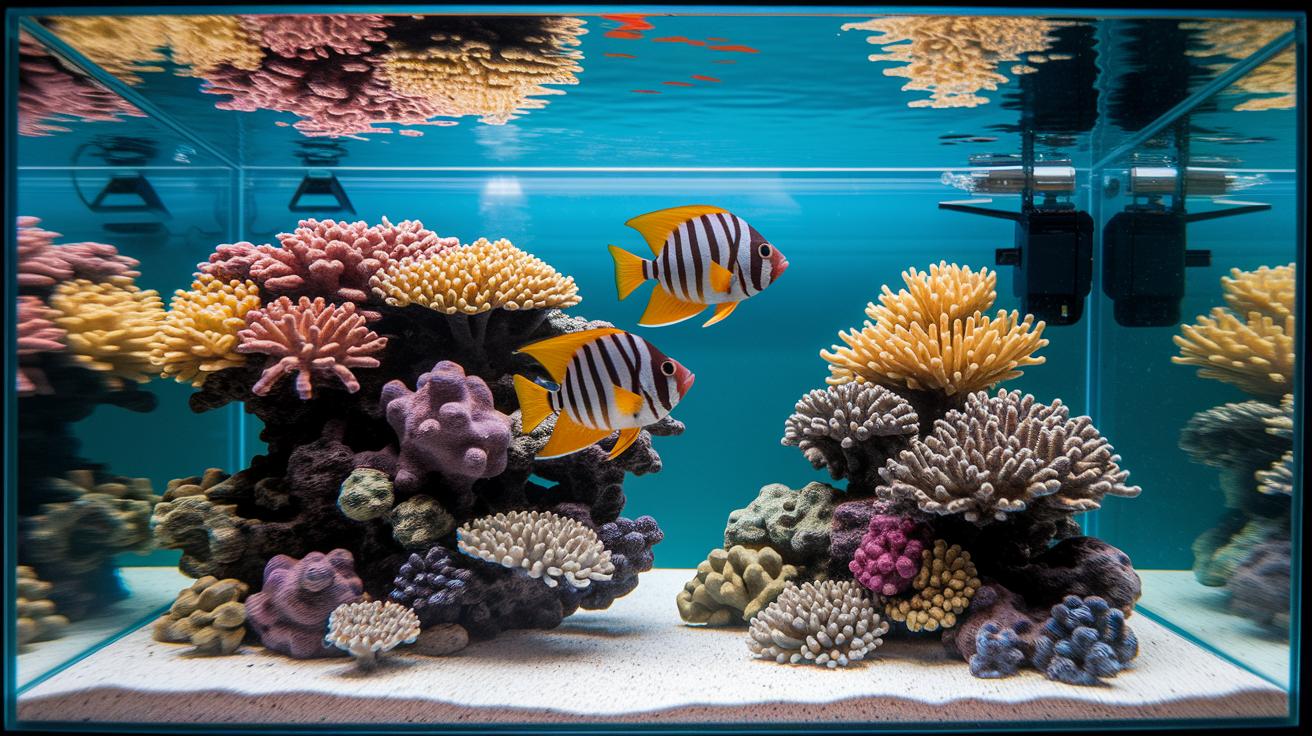
Keeping your tank's water steady is as important as a calm ocean for your reef-safe angelfish and all their reef pals. Try to keep the water temperature between 72 and 82°F, and aim for a pH level between 8.1 and 8.4. The saltiness should be around 1.023 to 1.025, while nitrates need to stay below 10 ppm and phosphates under 0.03 ppm.
A small water change every week, about 10-20%, works wonders, much like a refreshing splash on a sunny day. And don’t forget to check for ammonia and nitrites regularly, since these can sometimes spike without warning. Think of these checks as keeping your tank water as fresh and clean as a lively mountain stream where tiny, helpful critters in the live rock can flourish.
Set aside a little time each week to see if all those numbers are right. Keeping a regular routine not only helps your angelfish feel safe and happy, but it also keeps the colorful corals and little invertebrates in tip-top shape. Picture the gentle work of your filter combined with steady water changes, creating a peaceful haven where your fish and corals can truly thrive.
Feeding & Nutritional Planning for Reef-Safe Angelfish
Caring for your angelfish is a bit like preparing a delicious, balanced meal. A mix of foods helps them stay vibrant and healthy. Think of marine algae flakes, brine shrimp, mysis shrimp, and even sponge-based pellets as different ingredients that bring out the best flavor in your tank. Feed them small, snack-sized portions two to three times a day so they always have a little taste to look forward to.
Next, mix it up with vitamin-enriched gel foods from time to time. This little change not only adds a fresh twist to their menu but also helps keep them strong against illnesses by adding extra nutrients. Plus, it keeps mealtime interesting, like adding a surprise garnish to a favorite dish.
Keep an eye on how they eat, especially around the live rock and the bright coralline algae. If your angelfish starts nibbling on these precious parts of your reef, try offering less food or spacing out their meals a bit more. By watching them closely, you can easily tweak their schedule to keep both your fish and your coral happy and healthy.
Acclimation, Quarantine & Health Management for Reef-Safe Angelfish

When you bring home a new angelfish, give it a gentle welcome by slowly matching the water's salt and heat. You can set up a drip system for one to two hours so the water from its travel container and your tank blend like two calm streams merging peacefully.
Then, give your angelfish a quiet space for 4 to 6 weeks, away from your main tank. This break helps you spot any early signs of common fish issues, like marine ich or bacterial infections, and lets you use simple dips to keep problems at bay. It’s like giving your new friend a chance to catch their breath before joining the big group.
During this time, watch your angelfish closely. Look for signs like colors fading, fins staying tight to the body, or odd bursts of movement that seem off. If you see the fish swimming in short, slow bursts, it could be a hint that something isn’t right. Checking these little cues is key to keeping your tank healthy. You might also want to read this handy guide on monitoring fish behavior to assess aquarium ecosystem health to learn more.
Taking these steps helps to keep your angelfish free of disease and less stressed, paving the way for a lively, healthy reef tank that you and your aquatic friends can enjoy.
Purchasing Guide & Ethical Sourcing of Reef-Safe Angelfish
When you're planning to buy reef-safe angelfish, it helps to start with a clear budget. For example, dwarf angelfish usually run you about $50 to $100, while their larger cousins might cost between $200 and $500 or even more. I always lean towards captive-bred fish over wild-caught ones because they tend to do better on your reef and help keep natural populations safe.
It's a great idea to check with local dealers who can help with acclimating your new fish. Their hands-on tips make a world of difference when introducing a fish to your home tank. And when you're eyeing a new angelfish, take a quick look at its eyes, fins, and colors. Clear eyes, neat fins, and lively hues are like a friendly nod saying, "This fish is all set to thrive!"
If you're ordering online, pay close attention to the packaging and shipping details. Stress during shipping can really affect a fish's recovery, so don't hesitate to ask if the seller offers acclimation services to get your fish comfortable once they arrive.
Here’s a handy checklist to keep in mind:
| What to Check | Why It Matters |
|---|---|
| Price range and budget | Helps you plan without surprises |
| Captive-bred vs wild-caught | Supports healthy reefs and fish |
| Local dealer support | Makes acclimating fish much easier |
| Healthy signs (clear eyes, intact fins) | Ensures you bring home a robust fish |
Taking these steps will help you find a strong, beautiful angelfish while also supporting sustainable practices. Ever notice how rewarding it feels to know you're making a positive impact on your little underwater world?
Final Words
In the action, the article shared key insights for setting up a beautiful reef tank, from selecting standout reef safe angelfish species and comparing sizes, tank volumes, and coral care, to arranging a welcoming habitat with proper water quality and nutrition. It offered tips on acclimation, health management, and ethical buying practices.
Every idea was presented clearly, helping guide you through a complete setup process. Enjoy creating a balanced aquatic home that showcases your love for reef safe angelfish and a thriving marine display!
FAQ
Which reef-safe angelfish species are available for reef aquariums?
The reef-safe angelfish available include dwarf types like Bicolor, Coral Beauty, Flame, and Lemonpeel, along with species such as Swallowtail, Regal, Emperor, and Flame angelfish. They work best in well-established, spacious systems.
What dwarf angelfish are reef safe?
The dwarf angelfish that are reef safe include Bicolor, Coral Beauty, Flame, and Lemonpeel varieties. These species stay under 5 inches and need at least a 70-gallon tank for proper care.
What is the best saltwater angelfish and the easiest marine angelfish to keep?
The best saltwater angelfish and easiest to manage are often the Flame and Swallowtail types. They adapt well in mature reef tanks and are a friendlier option for those newer to marine setups.
Are freshwater angelfish, such as 6-bar angelfish, reef safe?
Freshwater angelfish, including 6-bar varieties, aren’t suitable for saltwater reef tanks. They belong to a different group and should not be mixed with marine species to protect water quality and overall tank health.
Where can I find reef-safe angelfish for sale?
Reef-safe angelfish for sale are available at reputable aquatic stores and trusted online retailers. Look for dealers offering healthy, captive-bred specimens and reliable quarantine support for safe integration into your reef aquarium.