

Have you ever watched a Caribbean reef put on a show, like nature’s own art gallery? Imagine bright oranges and deep blues gliding through hidden coral nooks, it’s like watching a calm, colorful dance underwater.
These cheerful reef fish splash the ocean floor with color, turning it into a living picture that welcomes both new snorkelers and seasoned explorers. Each fish brings its own little sparkle, making the reef a perfect stage for nature’s best performance.
Today, let’s dive into how these vibrant creatures transform the underwater world into a scene that stays with you, much like a cherished memory of a serene day by the sea.
Caribbean reef fish: Brilliant Colors in Calm Reefs
Caribbean reefs burst into life with bright colors and unique shapes that catch your eye the moment you enter their watery world. Did you know that fast-swimming mackerels and tunas, sparkling like quicksilver, dart along the reef edges? This lively action pairs with the calm residents nestled among coral crevices, creating a natural mosaic that delights both new snorkelers and seasoned divers.
Each part of the reef has its own charm. Patch reefs serve as cozy hideaways for small fish and invertebrates, while the gentle slopes of the fore reef let tunas and mackerels glide gracefully. Nearby, seagrass beds and mangrove-lined lagoons add extra layers of wonder, acting like natural nurseries where countless reef dwellers take shelter. It’s like walking into nature’s own art gallery where every scene offers a new surprise.
And the magic doesn’t stop with the fish. Caribbean reefs also welcome sea turtles and little marine mammals, each playing a key role in keeping this ecosystem balanced. On a quiet day, you might see a sea turtle meandering near the coral or a small mammal drifting over the seagrass beds. It’s a beautifully woven story of nature, where every creature contributes to a living, vibrant tapestry.
Guide to Tropical Reef Inhabitants: Key Fish Species of the Caribbean
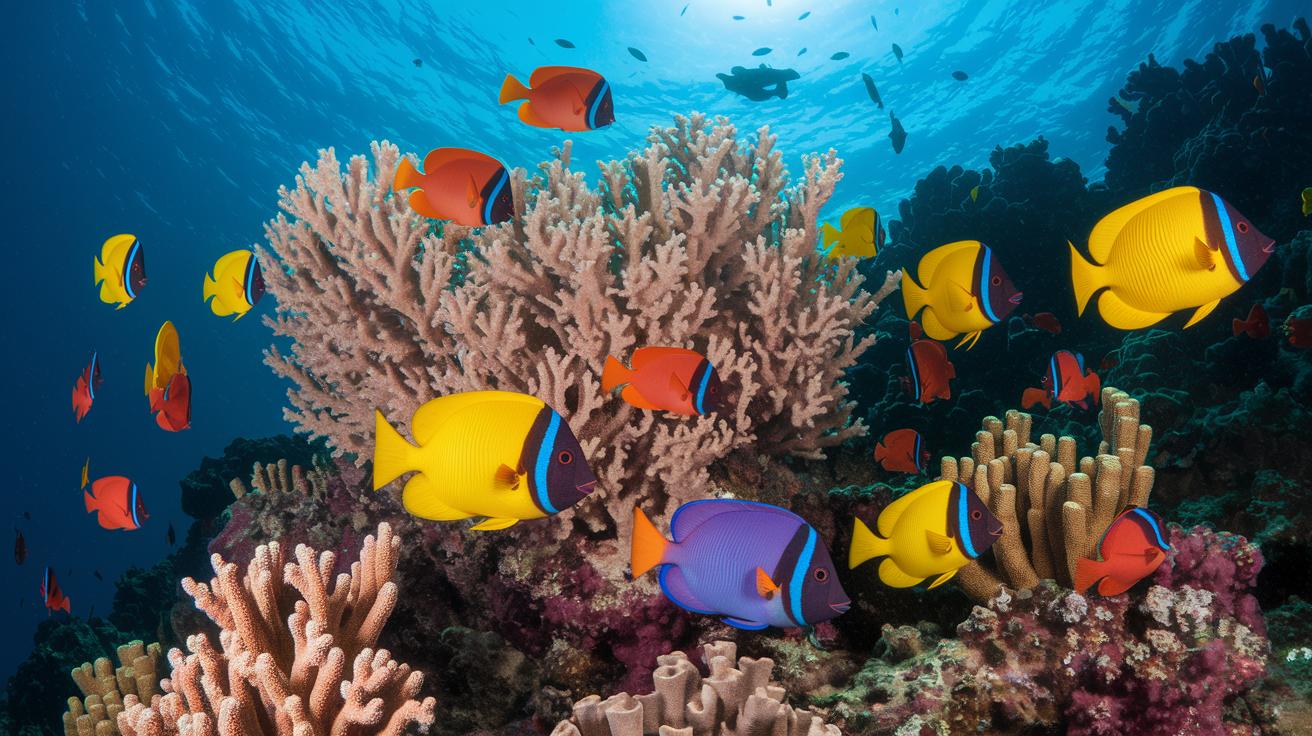
Caribbean reefs are like busy underwater neighborhoods, where every fish adds a splash of color and charm. Imagine the gentle ripple of the ocean as fast swimmers, like Spanish mackerel and various tuna, dart along the reef's border, bringing a burst of movement to an otherwise calm seascape. Watching a tuna cut through the water is pretty much like spotting a living arrow; quick and graceful, it never fails to impress.
Among the waving corals and rocky nooks, many other fish create their own vibrant displays. Each species brings its own special story, and even a quick glimpse can spark your curiosity. Here’s a look at some of the most common residents of the Caribbean reefs:
| Fish Species | What They’re Known For |
|---|---|
| Spanish mackerel | Sleek body and rapid bursts of speed along the reef edges |
| Tuna (various species) | Agile swimmers moving gracefully through open waters |
| Parrotfish (Scarus spp.) | Bright hues and strong beaks that help clean algae off corals |
| Queen angelfish (Holacanthus ciliaris) | Striking color patterns and smooth, fluid movements |
| Butterflyfish (Chaetodontidae) | Small, dazzling patterns that catch the sunlight |
| Surgeonfish (Acanthuridae) | Unique stripes that add a special touch to the reef’s palette |
| French grunt (Haemulon flavolineatum) | Distinct spot patterns and a lively, animated feel |
| Spanish hogfish (Bodianus rufus) | Often hides in rocky crevices, sporting subtle shades |
| Blackbar soldierfish (Myripristis jacobus) | Nocturnal with dark bars that stand out during evening swims |
When you go snorkeling, take a moment to watch these creatures in action. Their varied movements and brilliant colors weave a lively story throughout the reef, much like a gentle symphony under the sea. Ever notice how calming it can be to watch nature’s allure right before your eyes?
Techniques for Fish Identification in Caribbean Reef Ecosystems
When you're out snorkeling in places like Cancun, friendly guides make it as simple as a dip in a clear lagoon to spot amazing fish. They hand out sturdy, laminated cards that show you details about vibrant reef fish, colorful corals, and even curious nudibranchs that you might have only seen on TV. One guide once said, "When you see that little creature flashing different colors, think of it as nature’s secret message, like discovering a hidden pearl in your very own pool."
Another cool trick is using live video feeds that let experts share close-up details of fish in motion. It’s like getting a front-row seat to a beautiful underwater dance where you can see shapes and colors change right before your eyes. Imagine hearing a guide remark, "Watch the butterflyfish glide among the corals, almost as if it's sprinkling paint on water." This real-time glimpse brings a fun, lively feel to learning, sharpening your ability to recognize each creature as it swims by.
And then there are digital apps with underwater photo databases that boost your fish-spotting game even more. With just a quick click, the app checks your photo against a vast bank of marine life. Someone might say, "That bright stripe on the surgeonfish? The app nailed the match instantly, like flipping through your favorite picture book of ocean wonders." These tools, from laminated charts to live video and mobile visuals, work together to make spotting Caribbean reef fish a friendly and engaging adventure.
Diversity & Habitats of Reef-Dwelling Species in Caribbean Waters
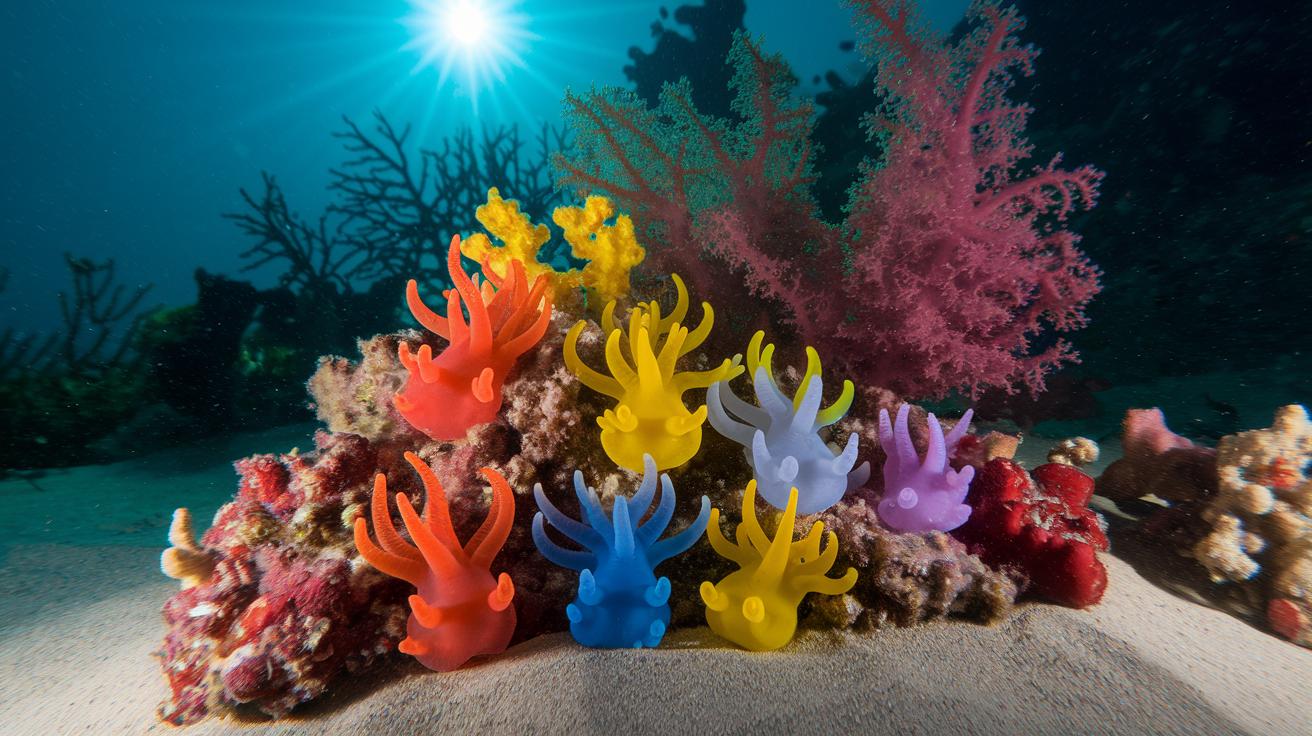
Caribbean reefs are like a collection of special corners, each with its own set of underwater friends. In the shallow flats, where the water is between 5 and 15 meters deep, the sunshine fills every part of the sea, lighting up the sand and stirring life into action. Here, colorful nudibranchs move slowly over the sandy floor, almost like tiny explorers in a glowing world. Fire corals seem to sparkle in the bright light, and soft clusters of brown seaweed gently sway with the current. It feels as if someone beside you might whisper, "Look at that nudibranch, it’s like a little adventurer in a sunlit masterpiece!"
As you drift into deeper waters, around 30 to 50 meters, the scene shifts. The light softens and the cool water sets a mysterious tone. Boxer shrimps zip around rocky crevices, moving so quickly they remind you of playful scribbles in dim light. In these quieter spots, every small movement in the water tells its own secret story, making the area feel like a hidden world waiting to be explored.
Then there are those enchanting mangrove-fringed lagoons and spacious seagrass beds. These areas serve as gentle cradles where young fish like snappers and grunts find food and shelter. They’re like cozy nurseries that merge smoothly with other parts of the reef, creating safe spaces for life to flourish.
Every little pocket of the reef brings together species that are perfectly matched to their home. Together, they form a vibrant underwater mosaic, a place where depth and neighborhood features blend into one amazing underwater world.
Conservation & Threats Facing Caribbean Reef Fish Populations
Overfishing is taking a heavy toll on our beloved reef fish, cutting the numbers of popular species like groupers and snappers by as much as 50 percent. It’s like walking into your favorite market and finding it half-empty, leaving you wondering where all the life went.
Coral bleaching adds another blow to an already fragile ecosystem. Since the 1980s, warming water has caused bleached, ghostly corals to replace vibrant habitats, stripping away about 40 percent of some reef areas. Just imagine your favorite colorful painting slowly fading into dullness, it really makes you pause and think about the loss.
Marine pollution is also messing with the natural balance we depend on. Runoff and waste dump harmful toxins into our waters, undermining the clean, gentle cycles that let both fish and corals thrive. The poor water quality even opens the door for invasive species that can turn a well-ordered reef upside down.
In response, communities and scientists are working together to give these underwater homes another chance. Marine reserves, for example, have led to a boost in fish numbers by 20 to 30 percent in protected areas. Other efforts like sustainable fishing rules and coral restoration projects are like sturdy life jackets, offering hope that nature can bounce back with a little help.
| Threat | Conservation Measure |
|---|---|
| Overfishing | Sustainable harvesting and fishing quotas |
| Coral Bleaching | Restoration projects and temperature monitoring |
| Marine Pollution | Improved waste management and water quality control |
A marine conservationist once said, "Protected areas are like underwater sanctuaries where nature gets a fresh start." That sentiment reminds us that even in troubled waters, careful, science-backed steps can help restore the beauty and balance of these vibrant ecosystems.
Top Snorkeling & Diving Spots to Observe Caribbean Reef Fish

Cancun is an absolute treat, offering easy access to reefs right near Isla Mujeres. Imagine drifting through crystal-clear water at depths between 3 and 10 meters while a friendly guide points out dazzling reef fish. One guide even said that every ripple feels like nature painting a live masterpiece. It’s a spot that welcomes adventurers of all ages, whether you’re exploring with family or diving in on your own.
Next up is Bonaire Marine Park, where the waters are just as inviting. The reefs are in perfect condition, turning every swim into a private tour of an underwater gallery that sparkles with color. And then there’s Cozumel Marine Reserve, where the mix of vibrant marine life and gentle currents makes the water come alive with character. It’s a real treat for anyone looking to see the magic beneath the waves.
Don’t forget about Buck Island in the US Virgin Islands. Known for its easy access and steady clarity, it’s a place where tropical fish flash bright hues as if they’re part of a lively parade. Whether you’re joining a guided tour in Cancun or exploring on your own in Bonaire, each spot gives you an unforgettable glimpse into the wondrous world of Caribbean reef fish.
Final Words
In the action, we explored the lively world of Caribbean reef life. The post shared key insights on reef habitats, fish identification techniques, and conservation measures, along with favorite snorkeling and diving spots that let you see the beauty up close.
We also celebrated how each detail, from vibrant coral scenes to practical care tips, creates a healthy home for caribbean reef fish. These observations remind us that every well-kept tank and natural reef has a story to tell. Stay passionate and keep enjoying the aquatic wonders.
FAQ
How can I identify Caribbean reef fish using names, charts, pictures, and apps?
Caribbean reef fish identification uses detailed fish names, downloadable charts or PDFs, clear pictures, and mobile apps. These tools help you quickly match a fish’s features while exploring vibrant reefs.
What are the best Caribbean reef fish to eat?
Caribbean fish to eat include species well-known for their mild flavors and texture. Locals enjoy fresh preparations of fish like mahi‑mahi that capture the tropical spirit of the region.
What does the Crevalle jack look like and where is it found?
The Crevalle jack features a streamlined body built for speed. It inhabits warm, open nearshore waters around reefs in the Caribbean, making it a common sight for anglers.
What features distinguish barracudas in Caribbean waters?
Barracudas are known for their long, sleek bodies and sharp teeth. They navigate near reef edges and open water, adding a dash of excitement to Caribbean underwater scenes.
How are triggerfish recognized in Caribbean reefs?
Triggerfish can be identified by their bold colors and unique body shape. Their sturdy jaws and playful behavior often make them a favorite sight while exploring coral structures.
What makes mahi‑mahi a standout fish in the Caribbean?
Mahi‑mahi are prized for their vibrant colors and agile movements. They are commonly seen near reef edges, and their succulent meat makes them highly popular among local cooks.
How do tarpons contribute to Caribbean reef ecosystems?
Tarpons are large, shiny fish that bring a dramatic flair to reef environments. Their powerful presence near mangroves and seagrass beds plays a key role in the local marine mix.
What should I know about groupers in Caribbean reefs?
Groupers are robust, heavy boats that lurk amidst coral formations. They not only support vibrant reef ecosystems but also play a significant role in local fishing practices.