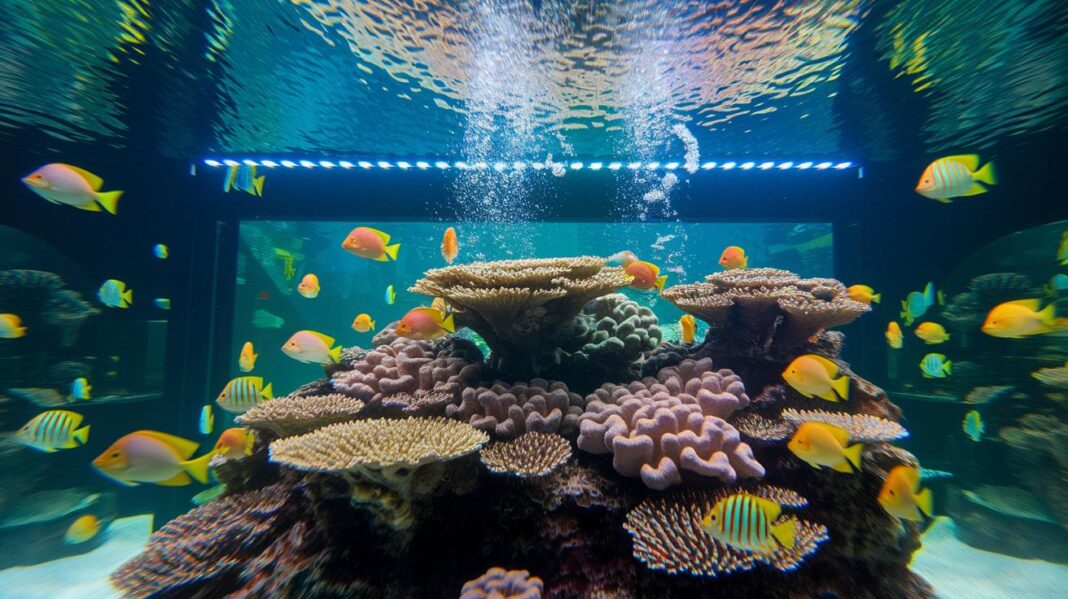

Have you ever wondered if you could bring a little piece of the ocean right into your living room? Picture a cozy aquarium where soft bubbles and gentle ripples create a scene as magical as a calm sea.
Our friendly guide will take you through every step to set up a healthy marine tank. We start by helping you pick the right tank size, much like choosing the perfect bowl for a small pond, and then move on to selecting gear that fits your budget.
In truth, setting up your own reef aquarium is like preparing your favorite dish with care and creativity. Soon, your space will sparkle with marine charm, inviting you to enjoy the quiet magic of underwater life.
Comprehensive Live Reef Aquarium Setup Guide
When you’re setting up a live reef aquarium, the first thing to think about is your tank size. A 20-gallon tank fits nicely in small spaces, while a 40 or 75-gallon tank gives your marine friends room to grow. Picture your aquarium stand like a stable seabed, it needs to be strong and level to support everything. Most budgets fall between $200 and $800, so it’s possible to build your setup without breaking the bank. If you’d like a simple guide to get started, check out the step-by-step instructions on building a custom aquarium ecosystem.
Next, picking the right gear is key. Many fish keepers chat about glass versus acrylic tanks. Glass is tough against scratches, and acrylic is light and easier to move around. You know how a sump works like a natural cleaner for your tank? And a protein skimmer is like a little helper that clears away extra waste. A good heater keeps things warm like the gentle warmth of the sun on water, and a reliable controller makes sure everything stays just right. Here are the basic steps for setting up your live reef aquarium:
- Install the stand.
- Do a leak test.
- Set up your filtration.
- Attach your pumps.
- Add a layer of substrate.
- Fill the tank with saltwater.
Once you’ve got the basics in place, it’s time to let nature take its course. Adding live rock, ultra live sand, and little live critters jump-starts a good colony of bacteria. These tiny helpers build a natural filter that makes your tank healthy and vibrant. Suppliers like Florida Harvest and the Gulf of America are great sources for these live components. It all comes together to create a lively, balanced marine environment that feels as refreshing as a calm sea breeze.
Choosing and Curing Live Rock & Coral Substrate
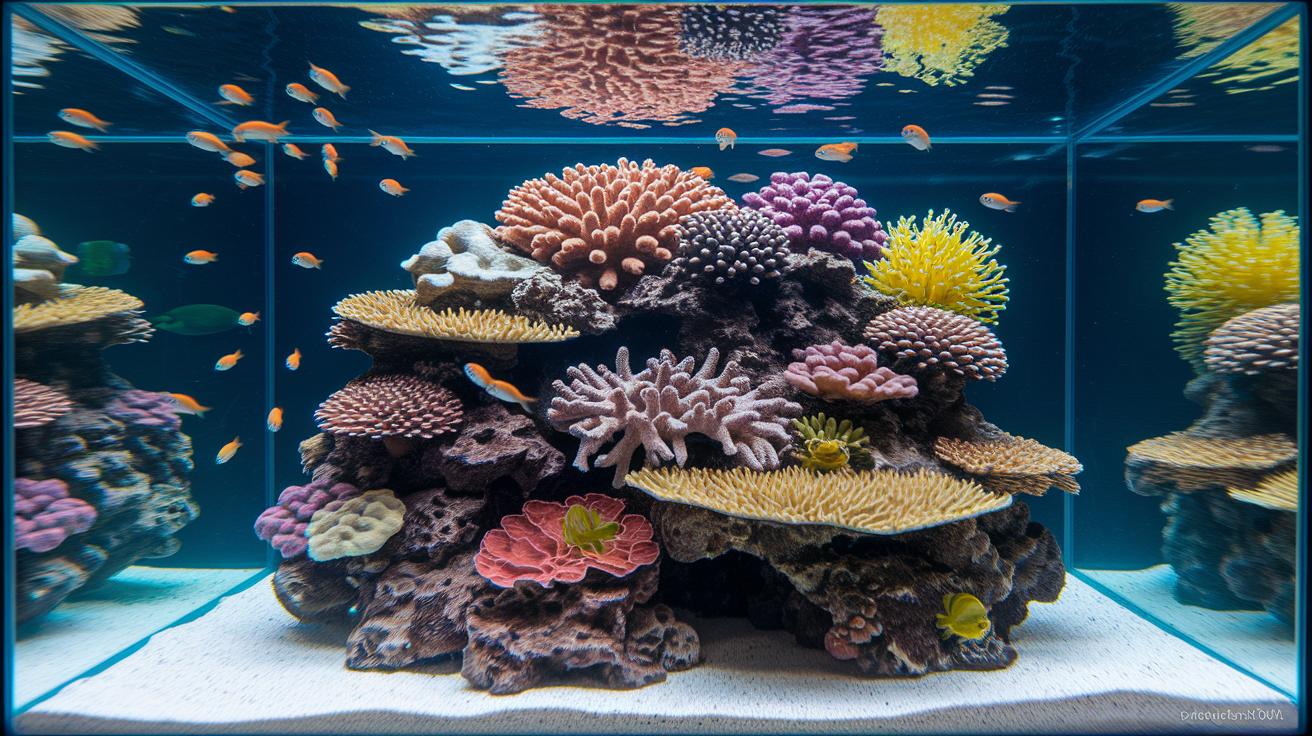
When you're setting up your reef, choosing the right live rock can really change the game. Wet live rock already comes with a coat of coralline algae, that soft, natural cover kick-starts the growth of good bacteria in your tank. Dry rock, however, is a bit cleaner and lowers the chance of inviting unwanted critters, though you'll need to add bacteria later to get things going properly. And then there's ultra live sand, which brings along helpful microfauna right away and aids in creating a balanced, natural filter.
Before making your choice, think about a few key factors:
- Porosity
- Bio-load
- Origin
- Cost
- Ecological impact
When it comes to curing your rock, start with a good soaking in saltwater. This process helps prevent issues like phosphate leaching, especially with dry rock. Keep an eye on your water conditions throughout the curing process so your setup can settle into a balanced state.
| Rock/Sand Type | Benefit | Curing Duration |
|---|---|---|
| Wet Live Rock | Immediate bacteria and algae boost | 2–4 weeks |
| Dry Rock | Cleaner start with fewer hitchhikers | 4–6 weeks |
| Live Sand | Instant microfauna kick-start | 1–2 weeks |
live reef aquarium Shimmers With Marine Brilliance
When you run a lively reef aquarium, keeping your water just right is like playing your favorite underwater tune. Aim for a salinity between 1.025 and 1.026, a gentle temperature range of 76 to 82°F, and a pH that sits between 8.1 and 8.4. These measurements set the perfect stage for your bright corals and busy fish. To help keep everything in harmony, watch key minerals like:
- Calcium
- Alkalinity
- Magnesium
- Strontium
Controlling nutrients is just as important to keep your aquatic world healthy and vibrant. Use a protein skimmer to scoop away waste and think about adding a refugium with some macroalgae to soak up extra nitrates and phosphates. Regular water changes mix in fresh minerals and ease the buildup of unwanted nutrients, which means cleaner, happier water for your finned friends. Trust me, a little routine care goes a long way in preventing any stress in your little marine universe.
It’s a smart idea to check your water often. I recommend testing it every week with a simple two-part kit to catch any small shifts. Then, once a month, run a full panel of tests to see everything clearly. Adding automated dosing for calcium, alkalinity, and magnesium keeps your reef as bright and lively as a true slice of the ocean.
Advanced Lighting & Circulation for Live Reef Aquariums
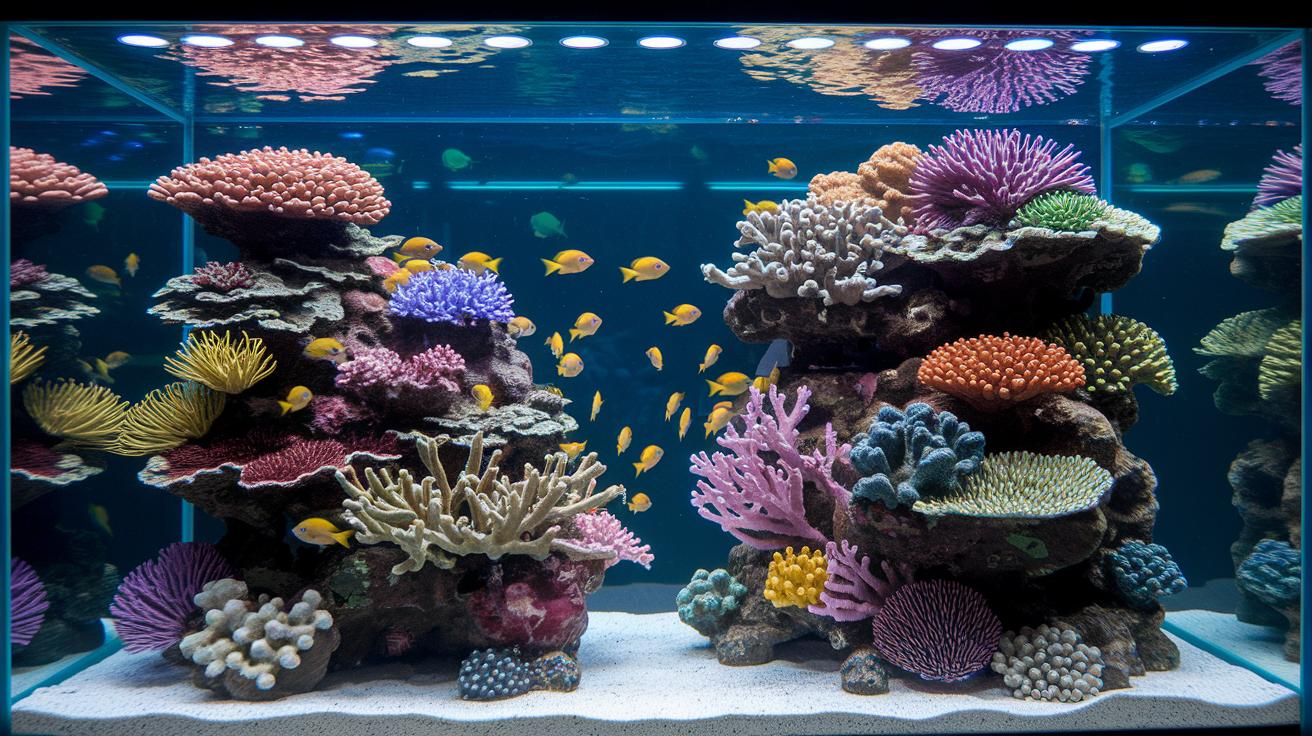
Modern LED lighting transforms your reef aquarium into a lively, glowing underwater world. These smart lights let you set the tone exactly how you like it, changing brightness, mixing colors, and even mimicking the gentle shift from sunrise to sunset. It’s like having your very own underwater day, perfect for encouraging colorful coral growth and keeping your fish active and happy. Consider these essentials when selecting LED lights:
- Intensity
- Spectrum
- Programmability
- Cooling
- Footprint
Water movement is just as important as lighting. Good circulation is like a natural current, delivering fresh oxygen and nutrients throughout your tank while whisking away any stagnant spots. With tools like wavemakers and flow controllers, you can craft smooth, flowing water patterns that feel natural, almost like the soft, rhythmic dance of ocean tides. This not only boosts coral health but also gives all your tank's inhabitants a steady supply of clean, filtered water. Keep these flow-design tips in mind:
- 10–20× turnover
- Pump positioning
- Alternating pulses
- Dead-spot elimination
- Adjustable controllers
Ever notice how a gentle current can make you feel instantly relaxed? That’s the magic of smart lighting and proper circulation working together in your live reef aquarium.
Aquascaping Techniques for Live Reef Aquariums
Imagine setting up your reef like crafting a living, underwater painting. You want a mix of cozy rock clusters with open water spaces so everything can breathe and shine. That open space, often called negative space, lets your eyes wander freely, much like watching gentle ripples on a calm lake.
Here are a few simple ideas to shape your reef:
- Layered rockwork: Stack rocks to add depth and mimic nature’s own designs.
- Negative space: Leave open areas so each feature stands out.
- Height variation: Use different rock sizes to create soft rises and dips.
- Frag-plug placement: Put frag plugs with care so your coral fragments find a secure home.
When you work on the coral substrate, think of it as laying the foundation for a friendly neighborhood. A well-planned layer helps keep your coral pieces safe while giving them a good spot for light and nutrients, just like a solid base sets the stage for a beautiful home.
And don’t forget the finishing touches. Toss in some macroalgae and scatter a few small coral displays, letting your tank echo the magic of a natural reef. It can feel as soothing as the soft murmur of ocean currents guiding your day.
Building Aquatic Biodiversity in Live Reef Aquariums

For a lively reef, start by following the rule of "1 inch of fish per 5 gallons." This simple trick helps prevent too many fish from crowding and keeps your underwater world balanced. A little team of invertebrates like snails and hermit crabs work hard to clean up leftover bits, keeping your tank clear and inviting. It’s a smart idea to mix fish and invertebrates that support one another and live in harmony.
- Goby & Pistol Shrimp – These pairs blend perfectly, often hiding and moving around together.
- Clownfish & Anemone – The clownfish finds a safe spot, adding bright splashes of color.
- Compact Wrasses – Gentle fish known for chasing away any minor pests.
- Turbo Snails – Great at nibbling on algae and keeping surfaces clean.
- Blennies with Reef-Safe Companions – Small, lively fish that bring energy without causing trouble.
- Cleaner Shrimp – They assist in keeping your tank tidy for a peaceful environment.
Once you’ve planned your fish and invertebrate buddies, it’s time to turn your attention to coral frag installation and acclimation. Coral fragments need time to adjust to their new home, much like a baby fish finding its groove. Rinse each frag with some tank water to avoid shocking them, and then place them gently using reef-safe glue or plugs. Take your time ensuring that every piece gets the right amount of light and water movement.
When choosing coral fragments, opt for those from trusted farms or sustainable local suppliers. Many aquarists even swap fragments directly, which is a neat way to support coral growth while keeping your tank balanced and healthy. This thoughtful approach not only maintains a thriving ecosystem but also helps promote responsible coral care.
Maintenance & Cleaning Strategies for Live Reef Aquariums
Taking care of your live reef aquarium is like tending to a beautiful underwater garden. It means giving your tank a bit of attention every week, month, and even every few months. Each week, spend some time scrubbing the glass, cleaning out the skimmer cup, and checking that the pumps are running smoothly. This helps your little world of water stay sparkling and healthy.
Every month, consider doing a 10–15% water change. This simple step helps control unwanted chemicals like nitrates and phosphates. It also gives you a chance to make sure your salt mix is just right, keeping your aquarium’s ocean-like balance steady. Then, every few months, take a closer look at all your equipment. A thorough check goes a long way in keeping your setup running like a well-oiled machine.
Here are seven essential steps you might follow for your routine maintenance:
- Water change
- Salt mix check
- Glass cleaning
- Skimmer service
- Powerhead check
- Parameter testing
- Evaporation top-off
Plus, using eco-friendly methods can really make a difference. For example, giving your filter media a gentle rinse in freshwater, and then reusing it, not only cuts down on waste but also helps protect the good bacteria your tank needs. Jotting down what you do in a maintenance log can spot small issues before they grow into bigger problems. This blend of regular cleaning and sustainable care will make your aquarium shine, just like a peaceful lagoon under the sunlight.
Troubleshooting Common Live Reef Aquarium Issues
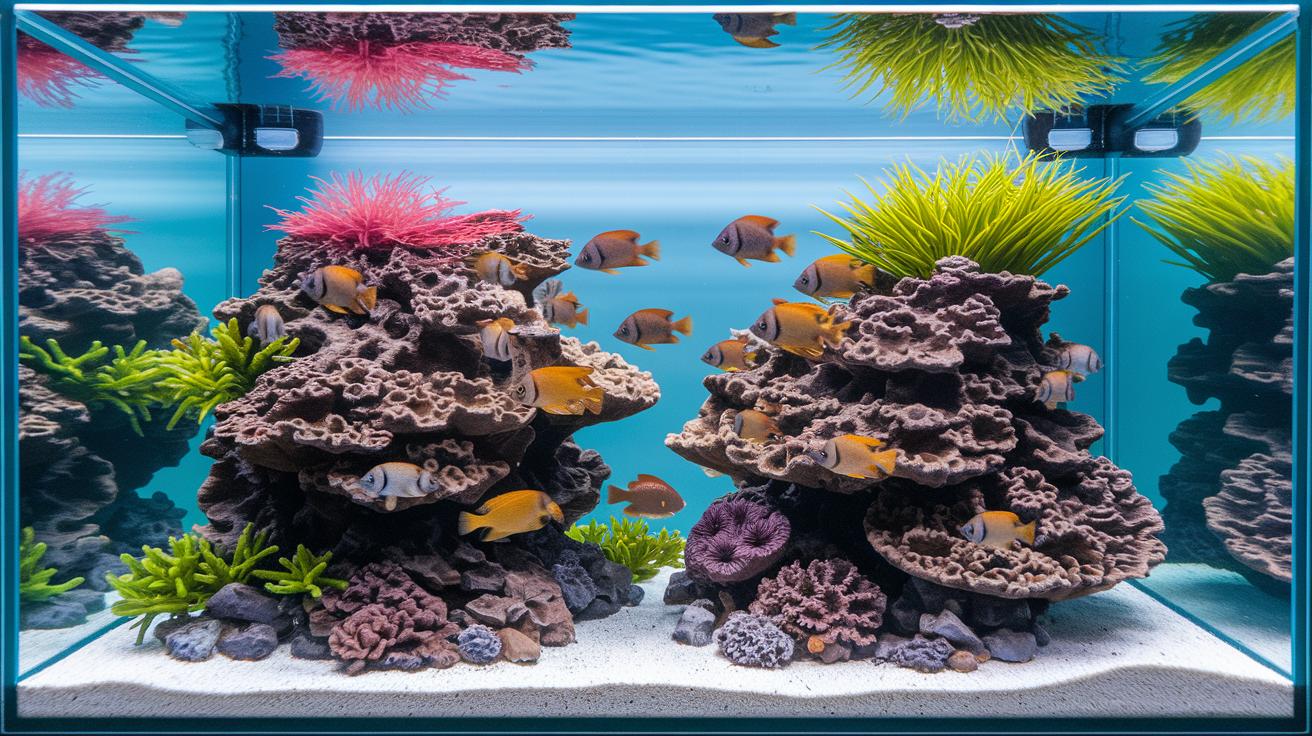
If you're setting up a live reef tank, sometimes things don't go as smoothly as you’d hope. You might see sudden algae blooms that cloud your view and unsettle your fish, notice your salt level drifting because some water has evaporated, or even face heater issues when a thermostat error slips by. It’s like watching unexpected ripples disturb an otherwise calm pond.
Below is an HTML table that highlights these common issues, their causes, and some down-to-earth solutions:
| Issue | Cause | Solution |
|---|---|---|
| Algae Bloom | Excess nitrates | Increase water changes & skimming |
| Salinity Drift | Evaporation | Auto top-off system |
| Heater Failure | Thermostat error | Replace unit |
Using digital sensors and other handy tools is like having a friendly guide to keep track of your tank’s health. They can alert you to problems before they get severe, so you can act quickly. Try a few simple strategies like calibrating your sensors, keeping backup powerheads on hand, testing manually when needed, and having an emergency top-off plan ready to go.
This hands-on approach helps ensure your reef stays as clear and calm as a serene underwater meadow, letting you enjoy every moment watching your aquatic friends thrive.
Final Words
in the action our guide covered everything from choosing the right tank setup and equipment to layering live rock, live sand, and critters for natural cycling. We talked about balancing water chemistry, setting impressive lighting, and crafting a beautiful aquascape. We even explored helpful maintenance and troubleshooting tips to keep your marine display thriving.
Keep these insights in mind as you build your live reef aquarium. Enjoy creating a vibrant underwater world that brings calm and joy every day.
FAQ
Live reef aquarium near me
The phrase “live reef aquarium near me” means locating local marine specialty stores or aquarium shops that set up and maintain colorful reef systems. Checking online reviews and local directories is a great start.
Live reef aquarium for sale and live coral for sale
The inquiry about live reef aquariums and live corals for sale points to sourcing a complete system or individual coral pieces from trusted vendors. Look for ethical practices and certifications for healthy marine life.
Live reef aquarium setup
The live reef aquarium setup involves planning tank size, selecting quality equipment, and establishing a natural cycle with live rock and sand. This process creates a vibrant home for corals and fish.
Coral reef camera live and live reef camera
The coral reef camera live setup lets you view underwater life in real time. These cameras capture stunning visuals of marine activity, connecting you with nature from your screen.
Live coral reef and live coral for aquarium
The term live coral reef or live coral for aquarium refers to adding living corals into your tank. They help form a natural ecosystem and boost beneficial bacteria that support overall reef health.
How long do reef fish live for?
The question about reef fish lifespans means many species typically live 5 to 10 years, though proper care and stable conditions can help some thrive even longer in home aquariums.
Are live corals hard to keep?
The query on whether live corals are hard to keep suggests that with stable water conditions, proper lighting, and regular maintenance, live corals are quite manageable for an aquarium setup.
What is the difference between a saltwater aquarium and a reef aquarium?
The distinction here is that a saltwater aquarium can host a variety of marine species, while a reef aquarium focuses on live corals and natural rock structures, requiring more careful water chemistry management.
What is the best reef tank for a beginner?
The best reef tank for beginners is typically a modest 20-40 gallon setup equipped with reliable gear. This size offers a manageable environment to learn and enjoy proper marine care.