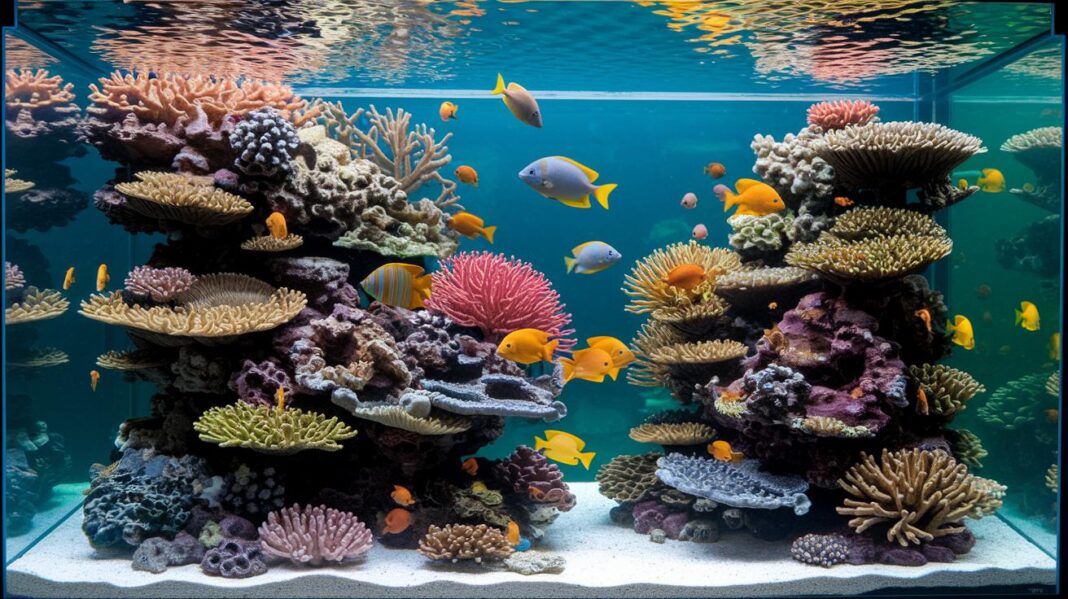

Ever dreamed of having a little slice of the ocean in your home? A reef fish tank can fill your space with calm colors, lively fish, and beautiful corals. It might sound a bit wild, but many fellow fish lovers are creating these saltwater getaways without breaking the bank.
This simple guide will help you choose a tank that fits your home, plan the perfect spot, and keep the water just right for your marine pals. Imagine your living room turning into a peaceful underwater retreat where every ripple reminds you of nature’s gentle embrace.
Reef Fish Tank Setup Essentials
Start by picking a tank that holds between 20 and 100 gallons. This size helps keep your water steady while giving you plenty of room to create a beautiful underwater scene. It’s like setting the stage for lively fish, dazzling corals, and artfully placed live rocks.
Next, think about your budget. You don’t have to spend a fortune right off the bat; begin with the basics and add more gear as your tank grows. A smart plan covers the tank and stand, lighting, test kits, live rock, and even the power bill. If you need a little extra help figuring out the numbers, check out a fish tank calculator.
| Item | Cost Estimate |
|---|---|
| Tank and Stand | $200–$400 |
| LED Lights | $300–$600 |
| Test Kits | $100–$200 |
| Live Rock and Substrates | $100+ |
| Ongoing Power Consumption | ~1 kilowatt |
Getting your tank cycled is key for long-term success. When you set up your new aquatic home, add live beneficial bacteria to help turn harmful ammonia and nitrite into much less dangerous nitrates. Think of these bacteria as nature’s very own cleaning crew, giving your new setup a gentle and natural start. You might notice some shifts in water quality during this period, so keep testing regularly and make small adjustments until things feel just right.
This process not only creates a healthy environment but also prepares your tank for a bustling community of fish and corals. Before you know it, you’ll be enjoying an active, balanced aquarium where marine life can thrive with just a little care.
Maintaining Water Quality in Your Reef Fish Tank

Your reef tank's water is its heartbeat, so it's important to check it often. Measure things like salinity, pH, nitrate, and alkalinity several times each week. Keep salinity around 1.024 to 1.026, a pH of 8.1 to 8.4, nitrate levels under 10 ppm, and alkalinity between 8 and 12 dKH. Changing about 10–20% of the water each week helps flush out extra nutrients, much like a tide refreshing a quiet beach. Keeping a little log of your readings lets you see how things change over time, making it easier to spot any issues.
Cleaning your tank is just as key as testing. Wipe the glass every day to get rid of algae and enjoy a clear view of your little underwater world. Check your equipment each month to be sure everything’s working right. Simple tasks like wiping surfaces and scrubbing spots where debris gathers can prevent future problems. Meanwhile, the good bacteria in your tank are busy breaking down waste into safer compounds, keeping nutrient levels in check. By sticking to regular maintenance, you create a calm, inviting haven for your reef fish.
Choosing Compatible Species for Reef Fish Tanks
When setting up your reef tank, go for just four or five fish, each under 2 inches, in a 26-gallon home. Keeping the group small helps the water stay balanced and leaves plenty of space for your corals to sparkle. Plus, it’s easier to keep an eye on your fish health and behavior, like watching a neat little school glide by.
Clownfish are a friendly choice for beginners because of their bright colors and chill vibe. They pair well with hardy soft corals, which you can add in bigger numbers to create a lively, colorful view. And why not invite some invertebrates like shrimp, crabs, and snails? These small critters add variety and lend a hand in cleaning your tank, making everything feel more natural and fun.
Be careful with fish that tend to nip at corals, as they can disturb your beautiful underwater scene. Also, some stony corals might give you a little skin irritation if you handle them too roughly, so take your time and treat them with extra care.
Essential Equipment and Controls for a Thriving Reef Fish Tank
LED Lighting Solutions
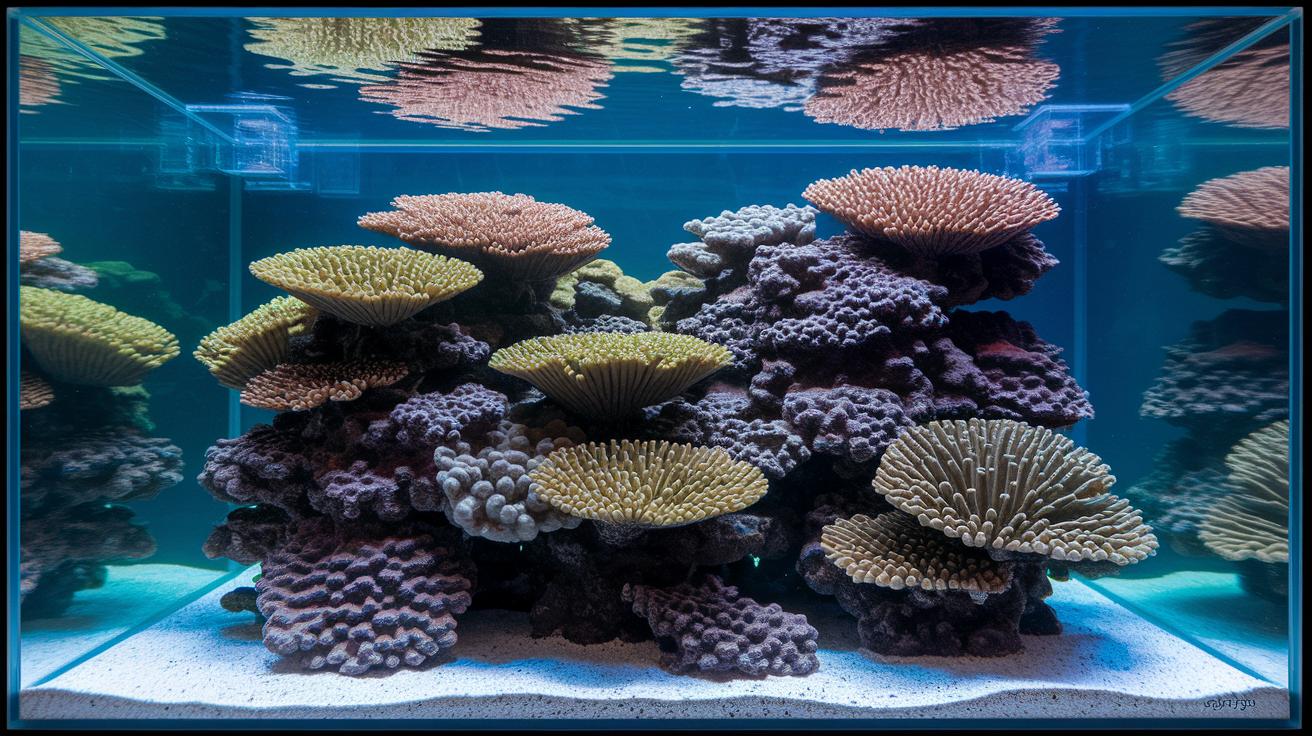
ReefLED G2 is a real breakthrough, offering a color range from 8,000K up to 23,000K. It brings out a beautiful mix of reef-white and blue hues that make your corals glow like they’re lit by soft moonlight. The smart chipset works like an artist’s brush, boosting coral colors and helping them grow strong. Imagine your tank shining with a natural radiance, turning every change of light into a little underwater celebration for your marine friends.
Filtration and Skimmers
Protein skimmers are a must-have for a healthy reef tank. The 4-Part Complete Reef Care system shows that a good skimmer does more than just clear the water, it keeps your corals happy with a simple weekly test. Think of it as quickly rinsing off your favorite tool to keep it in top shape. You also have choices between sump and canister filters: canisters save space, while sumps give you room to add extra gear, making upkeep easier. Clean water and simple routines mean more time to enjoy the beauty of your reef.
Pumps and Automation
ReefRun G2 DC Pumps add that perfect touch of flow to your tank, moving water at rates between 4,000 and 12,000 liters per hour. Paired with smart automation and built-in ATO, these pumps mimic natural water movements effortlessly. The ReefBeat App brings all your devices together on one screen, so adjusting settings feels like chatting with a friend about your tank’s well-being. It’s like having a digital caretaker that keeps everything flowing smoothly while you kick back and admire your underwater paradise.
| Equipment | Model | Key Specs |
|---|---|---|
| LED Lighting | ReefLED G2 | Spectrum: 8,000K–23,000K, enhanced coral fluorescence |
| Pump | ReefRun G2 DC Pump | Flow Rate: 4,000–12,000 L/h, ReefBeat App control |
| Skimmer | REEFER MAX / G2+ System | Integrated reef skimmer, simplified maintenance |
Mastering Water Chemistry in a Reef Fish Tank
Keeping your water chemistry just right is key to a lively reef tank and happy marine life.
For your tank to thrive, you’ll need to pay attention to a few important numbers. Aim for a temperature between 76–82°F, a salinity of 1.024–1.026, and a pH between 8.1 and 8.4. Also, maintain alkalinity between 8 to 12 dKH, and keep nitrate levels below 10 ppm. Using high-quality reef salts is a smart move, they add small amounts of important trace elements that help balance your water. Tools like the 4-Part Complete Reef Care make feeding your tank just right a breeze. I remember when I first balanced my tank, and it was amazing to see my corals slowly brighten up again.
Testing your water every week with kits for pH, salinity, ammonia, nitrate, and alkalinity, along with careful salt mixing, will keep your underwater world stable and vibrant.
Aquascaping and Live Rock Strategies for Reef Fish Tanks

When you select live rock and substrates, go for pieces that not only look beautiful but also work as natural filters for your tank. Live rock is like the engine of your aquarium, it cleans the water naturally and creates a cozy home for your marine friends. Pair it with substrates like aragonite sand, which helps keep the pH balanced (that’s how acidic or basic your water is), or choose crushed coral if you’re on a budget. It’s a bit like picking just the right ingredients for a balanced meal that supports healthy growth.
Set up your tank like an underwater playground. Create natural caves and little ledges where your fish can hide or claim as their own little territories. Leave plenty of open swimming areas to mimic the relaxed flow of a real reef, ensuring your corals catch light from all angles. This thoughtful design not only makes your tank look stunning but also helps your fish feel secure and behave naturally.
Try adding a Chaetomorpha refugium, a patch of friendly algae that soaks up extra nutrients and keeps your water chemistry steady while boosting the flow. It's a simple trick that makes your underwater world feel even more natural and balanced.
Final Words
In the action of setting up your reef fish tank, you learn to choose the right size, plan budgets, and gather key gear while mastering live bacteria cycling and water testing routines. You explore tips on picking friendly species and creating a natural, attractive underwater display with live rock and thoughtful aquascaping.
Every suggestion here builds confidence and care. Enjoy the process and watch your reef fish tank thrive with life and calm.
FAQ
What does a reef fish tank setup kit include?
A reef fish tank setup kit includes essential gear such as a tank, stand, heater, LED lights, pump, live rock, and an automatic top-off system. This all-in-one package simplifies starting your reef aquarium.
Where can I find reef fish tanks for sale?
Reef fish tanks for sale often come pre-assembled or as complete kits, offering tanks with essential equipment. They provide a convenient, ready-to-install option for both new and experienced aquarists.
What is the best reef tank option for beginners?
The best reef tank for beginners features a suitable size (20–100 gallons), comes as a complete kit including key equipment, and offers simple instructions. This setup helps create a stable and thriving marine environment.
Are reef tanks hard to maintain?
Reef tanks require routine care, such as regular water testing and cleaning, but they become manageable with a set schedule. Consistent maintenance supports healthy beneficial bacteria and overall tank balance.
What’s the difference between a reef tank and a marine tank?
A reef tank is designed to support live corals and invertebrates in addition to fish, while a marine tank typically focuses on fish only. The extra equipment in reef tanks caters to the needs of delicate coral life.
Is 72°F too cold for a reef tank?
A temperature of 72°F is too cold for most reef tanks, which ideally run between 76–82°F. Cooler temperatures can slow metabolism and stress the sensitive organisms in your aquarium.