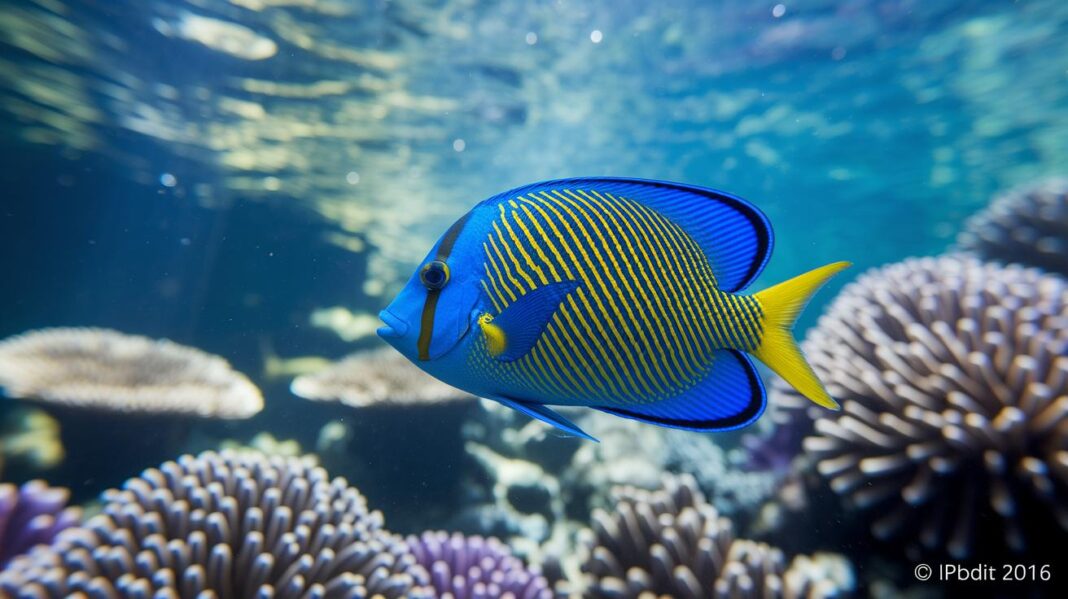

Ever noticed how a flash of brilliant blue can light up your day? Blue reef fish are a lively group of over 400 tropical species that fill Indo-Pacific coral reefs with color and energy.
These fish range from the gentle Chromis to the bold coral trout. They glide gracefully among vibrant corals, as if they’re painting the underwater scene with every flick of their scales.
In this chat, we dive into what makes them tick, where they live, and how they help keep their watery world balanced.
Blue Reef Fish: Captivating Aquatic Wonders
Blue reef fish are a fun and vibrant group of over 400 different tropical species living in the Indo-Pacific. These little gems, with their bright blue colors, range in size from a tiny 5 cm Chromis to a big, bold 60 cm coral trout. Their bodies are sleek and sometimes sport long, graceful dorsal fins that make them stand out among the dazzling corals. Imagine a fish whose shiny scales sparkle like the last bits of sunset over a calm sea.
These fish call the coral reefs home, thriving along reef crests, in lagoons, and near coastal drop-offs between 5 and 40 meters deep. You'll often see them swimming in schools or taking up individual territories, much like the gentle ebb and flow of ocean tides. They feed mainly during the day on tiny creatures called zooplankton, bits of algae, and small invertebrates, making their mealtime as varied as their beautiful looks.
In the reef, blue reef fish engage in interesting interactions. Sometimes they even help each other by cleaning off parasites, a natural way to keep the underwater community healthy and happy. These behaviors show just how important they are to the balanced life of the reef, making them a favorite among both hobbyists and professional aquarists.
Every blue reef fish adds its own unique splash to the vibrant tapestry of coral life, turning the reef into a living, moving work of art.
Coloration and Adaptations of Blue Reef Fish in Coral Ecosystems

Many blue reef fish live among colorful coral gardens, showing off brilliant hues created by nature itself. Their shimmering colors catch your eye, even when the light dances on the water. Take the coral trout, for example, they mix deep reds and oranges with cool cobalt-blue spots on their head, body, and fins. Depending on the depth, a fish in shallow water can look noticeably different from one hiding in deeper parts.
When you shine special lighting on these fish, something magical happens. Under actinic light, their fluorescent proteins burst into vivid, glowing patterns that seem almost unreal. It’s like watching a secret underwater light show! This dazzling display isn’t just for show, though, it helps keep predators at bay, marks territory, and even attracts mates. Some species can quickly change their brightness using cells called chromatophores, which allow them to blend in seamlessly with their surroundings or adapt to sudden shifts in depth.
Every ripple and flash of color is a blend of survival and pure art. It’s nature’s way of merging function with beauty, showing off a living masterpiece of vibrant, ever-changing hues.
Common Reef-Safe Blue Inhabitants for Your Saltwater Display Aquarium
Blue reef fish bring a splash of color and lively behavior to any saltwater display. They’re a joy to watch and surprisingly easy to take care of. Take the Blue Tang, for example; its bright blue shape and smooth, graceful movements make it a real standout. It nibbles on small floating food particles, and it loves having plenty of room and places to explore.
Regal Angelfish have patterns that feel like art and they move in fascinating ways. They often cruise along the reef edges, searching for tasty morsels. Because their behavior is a bit different from smaller, school-fish, they need tanks with a bit more planning and care. They do best when their aquarium mimics a real reef, with lots of live rock and cozy spots to hide.
Blue Chromis make the tank feel like a bustling underwater community when kept in groups of six or more. Their cheerful schooling behavior really lifts the spirit of the tank. Meanwhile, the Twospot Sandgoby, with its small size and calm nature, gets along well with other beginner-friendly species.
For those with larger tanks, the Coral Trout might be the prize catch. This fish shows some crab-like hunting habits, which means it might need to be with similar-sized friends or in a species-only setting. Its larger body and advanced needs call for a more experienced hand in setting up a home that feels natural.
| Common Name | Scientific Name | Adult Size (cm) | Care Level |
|---|---|---|---|
| Blue Tang | Paracanthurus hepatus | 25–30 | Intermediate |
| Regal Angelfish | Pygoplites diacanthus | 20–25 | Advanced |
| Blue Chromis | Chromis cyanea | 8–10 | Beginner |
| Twospot Sandgoby | Fusigobius duospilus | 5–7 | Beginner |
| Coral Trout | Plectropomus leopardus | 50–60 | Advanced |
Designing and Maintaining a Saltwater Aquarium Habitat for Blue Reef Fish
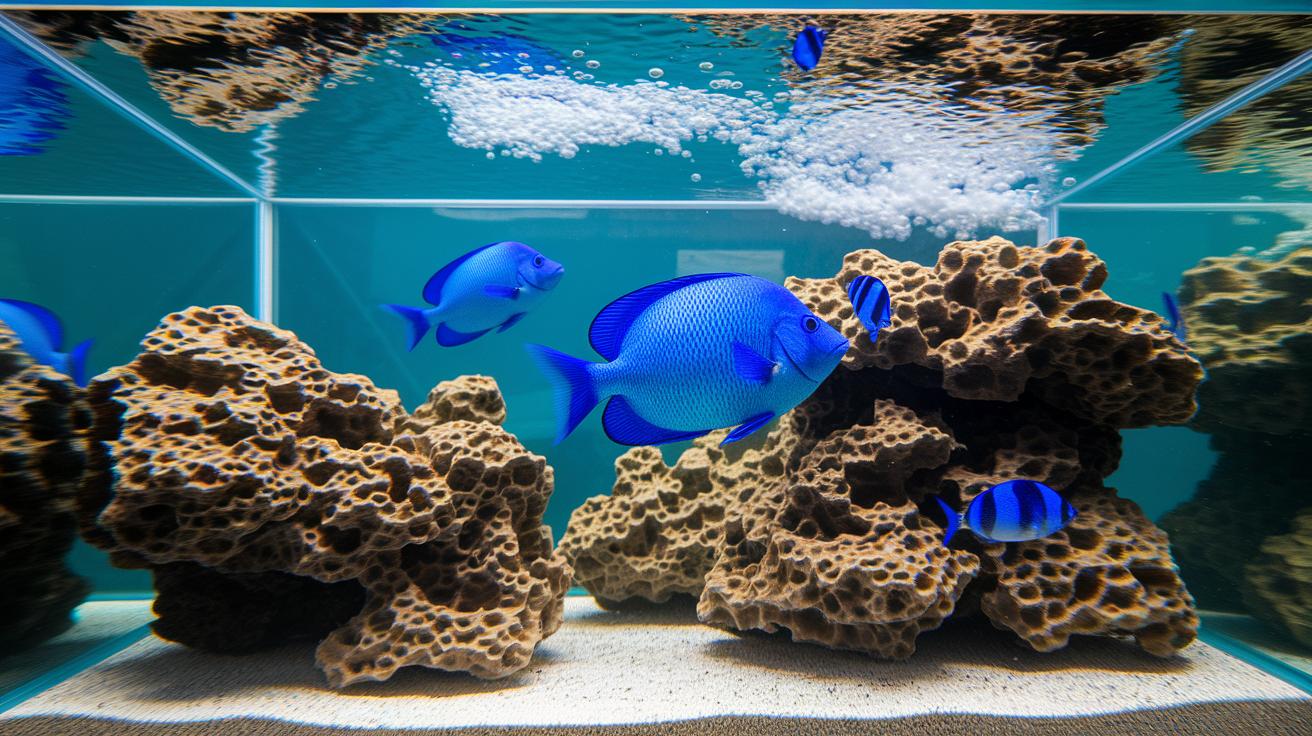
When setting up your saltwater aquarium for lively blue reef fish, start with plenty of space. For fish that travel in schools, like Blue Chromis, a tank of about 75 gallons is a good start. Bigger fish like Coral Trout need even more room, around 200 gallons or more, so they can swim freely and enjoy stable water conditions.
Next, focus on creating water that feels as natural as the ocean. Keep the temperature between 75 and 80°F, the salt level in that comfy range of 1.023 to 1.025, and the pH around 8.1 to 8.4. Also, make sure there’s lots of dissolved oxygen, over 6 mg/L, to keep your fish active and happy. Think of these numbers like a recipe that helps everything in your tank thrive.
A good filtration system is key for clear and healthy water. Pair a protein skimmer with a sump or canister filter that can handle three times the tank’s volume every hour. This setup not only keeps the water sparkling but also works nicely with live rock, which offers natural hiding spots and places for coral. And with full-spectrum LED lighting, your tank will look stunning while highlighting the fluorescent colors of your fish.
To mimic the gentle currents of the wild sea, aim for an ambient water flow of 10 to 20 times your tank’s volume per hour. This constant movement adds a peaceful rhythm to your tank’s environment. Regular upkeep is a must, too. Weekly tasks like testing the water and cleaning are essential, and monthly check-ups keep everything on track. For more details, check out these helpful guides: maintenance schedules for a stable aquarium ecosystem and long-term care for balanced aquarium ecosystems.
With careful design and regular care, you can create a vibrant underwater home where your blue reef fish can truly shine.
Nutritional Needs and Feeding Strategies for Blue Reef Fish
Blue reef fish do best when they enjoy a mix of foods that keeps them lively and colorful. They love a varied plate, almost like a seaside picnic. Since these fish are omnivores, they relish a blend of flake or pellet feed with a few tasty extras like frozen brine shrimp, mysis shrimp, sheets of marine algae, and sometimes even live copepods.
Feeding should be a gentle routine. Offer them small portions two to three times a day to keep their little engines running without overwhelming their tank. And if any food is left behind after about two hours, be sure to remove it so that harmful ammonia stays low, protecting your aquatic friends from potential illness.
- Feed small portions 2–3 times daily
- Remove leftover food within 2 hours
- Start with a base diet of flake or pellet food, and add treats like frozen brine shrimp, mysis shrimp, marine algae sheets, and live copepods
- Occasionally include vitamin-enriched feeds to boost their immune system and enhance their vibrant colors
Keeping your tank’s water quality in check is just as important as the food. Regularly test your water to ensure nitrite levels stay under 0.2 ppm and nitrate levels remain below 10 ppm after feeding. This careful balance helps your blue reef fish grow strong, stay brilliantly colored, and live in a safe, healthy environment.
Conservation, Breeding Techniques, and Future of Blue Reef Fish

Blue reef fish living in the wild are facing a lot of trouble because their homes, the coral reefs, are getting damaged and too many are being caught. Fish like the Blue Chromis and Regal Angelfish are not as many as they used to be because their natural underwater gardens are being hurt. To help ease the pressure on these lovely creatures, many people are taking steps to protect their watery homes and keep fishing in check.
Breeders have come up with a clever plan by raising these fish in a controlled setting. Hobbyists and scientists now use special hatchery methods under gentle lighting conditions to help baby fish grow in a safe, steady environment. They carefully choose parent fish to keep a mix of good genes alive, which makes sure that the young ones grow strong. Normally, it takes about 14 to 21 days for these little fish to develop enough before they start to look like their adult selves.
Across the world, there are also big projects to give damaged reefs a helping hand. Methods like carefully adding tiny pieces of coral or seeding with fish larvae are used to rebuild the underwater landscape. New fishing rules, including eco-label certifications, are catching on too. They encourage fishers to harvest in a way that doesn’t harm marine life. By blending smart breeding techniques with efforts to restore coral reefs, we can look forward to a future where these enchanting fish continue to light up their underwater world.
Final Words
In the action, we uncovered the key points of caring for blue reef fish. We looked at identification markers, ideal tank setups, proper feeding strategies, and even ways to support conservation efforts. Each section offers practical tips that help create a clean and stunning home for these tropical marine species. With a blend of aesthetic guidance and expert care practices, you're now set to build an inviting, balanced underwater habitat.
Every step taken brings you closer to a thriving aquatic display. Enjoy watching your blue reef fish flourish!
FAQ
What are blue reef fish species and can I see a list of them?
The blue reef fish species include many tropical marine types like Blue Chromis and Blue Tang. These colorful fish are known for their vibrant azure hues in coral environments.
Where can I find blue reef fish for sale and what are their prices?
The blue reef fish for sale query points to checking local aquarium shops or reputable online retailers. Prices vary based on species, size, and care requirements.
What is a blue reef fish crossword?
The blue reef fish crossword is a fun puzzle that tests your knowledge of these brilliant tropical species, mixing elements of aquarium care and marine trivia.
Are blue reef chromis reef safe?
The blue reef chromis is generally considered safe in reef tanks. Its calm nature makes it a popular resident among colorful, gentle marine species.
Are Blue Devil damselfish reef safe?
The Blue Devil damselfish can sometimes show aggressive behavior. Their reef safety depends on tank size and compatible tank mates for a balanced saltwater aquarium.
Are blue tang fish reef safe?
The blue tang fish is usually a safe choice for reef aquariums due to its peaceful behavior. Their stunning blue color and active swimming add charm to any tank.
What are coral reef fish?
Coral reef fish are the diverse group of residents living among corals. They display a range of colors and behaviors, contributing to the lively atmosphere of underwater habitats.
What is the blue fish from the reef?
The blue fish from the reef often refers to species such as the Blue Tang or Blue Chromis, both admired for their bright blue tones that mirror the ocean’s sparkle.
What should I know about clownfish, including Ocellaris clownfish?
Clownfish, like the Ocellaris clownfish, are small and playful. Their striking patterns and friendly demeanor make them a favorite in reef tanks among saltwater enthusiasts.
What can you tell me about wrasses in reef aquariums?
Wrasses are known for their energetic behavior and bright colors. They help keep tanks clean, adding lively movement and diversity to your saltwater display.