

Ever thought your aquarium could feel like a tiny, lively ocean? Reef tropical fish bring a splash of life and color that can turn any tank into a little underwater masterpiece. Imagine a clownfish playfully darting around or a coral grouper gliding smoothly, each one has its own special spark.
In this post, we chat about the must-have fish and simple tips to create an inviting water scene that echoes nature’s wonders. Ready to see how these bright swimmers can light up your aquarium?
Essential Introduction to Reef Tropical Fish
When you picture coastal waters, imagine a lively underwater community filled with brilliant reef tropical fish. These colorful swimmers share their space with little boxer shrimps, ASTREA snails, and friendly sponges. Bold fire corals drape over rocky bases, and soft brown algae adds a gentle touch. Even sea snakes join the scene, making the whole underwater world feel like a joyful jam session.
Both scientists and aquarium fans love these fish for their unique shapes, bright colors, and interesting behaviors. From the playful clownfish to the grand coral groupers, each one shows off nature’s creative side. Many aquarium hobbyists enjoy recreating these natural habitats with live rocks and artful coral displays, making their tanks feel like miniature ocean paradises. Whether you're a science enthusiast or simply love a beautiful aquatic scene, these tropical fish remind us that every creature plays a part in nature’s amazing symphony.
Popular Reef Tropical Fish Species Guide
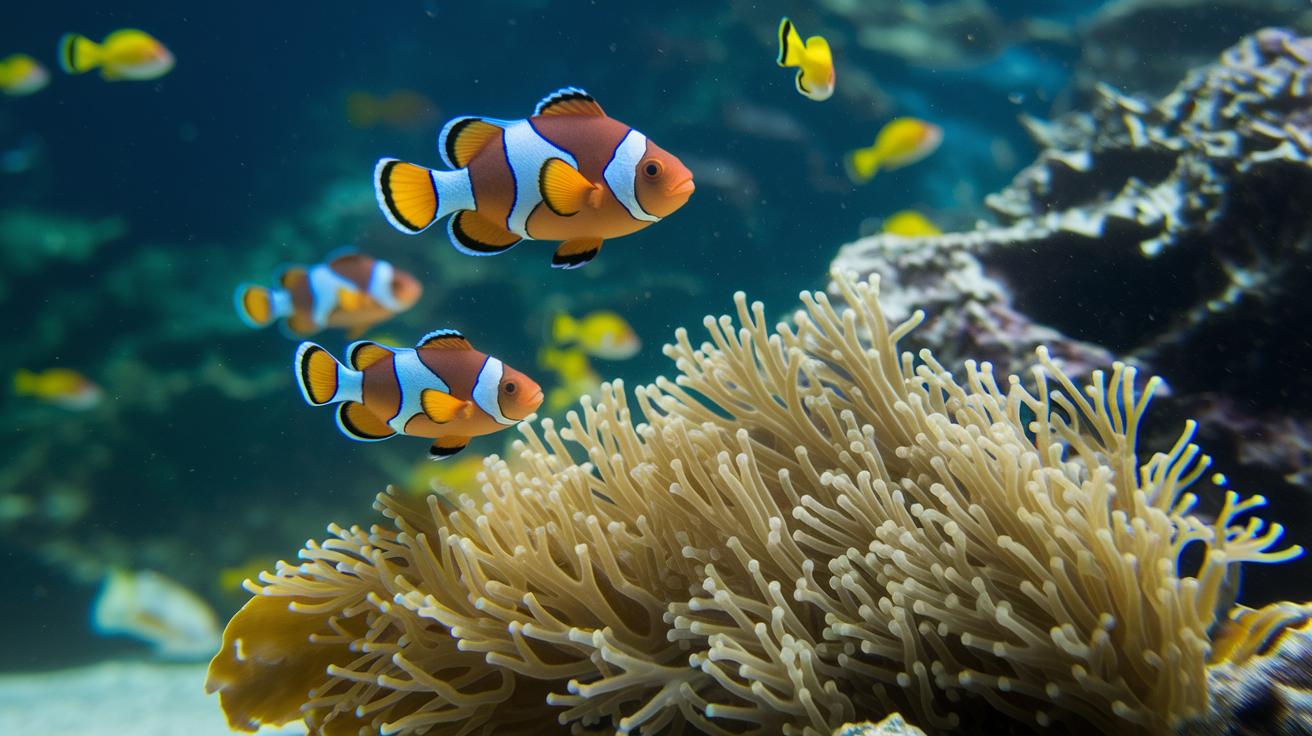
Picking out reef tropical fish for your aquarium is a fun adventure. We’ve rounded up ten fantastic fish known for their bright colors, cool patterns, and playful moves. Each one was chosen because it brings a unique sparkle to your tank, whether it’s the bold orange glow of a clownfish or the quirky puff of a pufferfish when it feels threatened. Imagine a gentle blue tang gliding past a leafy sea dragon, both adding their own special charm to your underwater world. And picture a clownfish using its natural mucus shield as a tiny, magical defense in your watery haven.
| Common Name | Scientific Name | Key Feature |
|---|---|---|
| Clownfish | Amphiprioninae | Bright orange with protective mucus coating |
| Humphead Wrasse | Chelinus undulatus | Giant size with prominent forehead bump |
| Regal Blue Tang | Paracanthurus hepatus | Royal blue body with yellow tail |
| Leafy Sea Dragon | Phycodurus eques | Exceptional camouflage appendages |
| Lionfish | Pterois | Ornate, venomous fins |
| Mandarinfish | Synchiropus splendidus | Kaleidoscopic color patterns |
| Emperor Angelfish | Pomacanthus imperator | Blue and yellow striped body |
| Picasso Triggerfish | Rhinecanthus aculeatus | Abstract, angular markings |
| Ribboned Sweetlips | Plectorhinchus polytaenia | Black-and-white stripes |
| Pufferfish | Tetraodontidae | Inflation defense mechanism |
Setting Up a Reef Tropical Fish Aquarium
First, choose a tank that fits both your fish and your dreams. You want plenty of space, about 50 gallons is a good start if you’re planning on adding live rock and a mix of substrates. Think of it like setting up your own little ocean, where each fish has plenty of room to swim and play.
Next, pick a solid filtration system that covers all the bases, from cleaning out particles to turning over the water with cool, natural bacteria. For instance, a protein skimmer works like a magic eraser on excess waste, while live rock does a gentle job of filtering water the way nature intended. Don’t forget a trusty heater and thermometer so you can keep things comfy and stable, just like the warm, soothing embrace of a calm sea.
Then, pay attention to the lighting and the live rock’s placement. Using LED spectrum lights will mimic the natural sunlight that helps your coral grow and makes your fish glow with vibrant colors. Arrange the live rocks to create fun hideaways and natural shapes, much like creating a mini reef art gallery inside your tank.
Lastly, add an aragonite sand substrate which acts just like the sandy seabed, helping to keep the water’s pH in balance. Stick with reliable gear and test your water often, this way, you’re making sure your tiny underwater world stays healthy and full of life. Enjoy watching your vibrant reef aquarium flourish, bringing a bit of the ocean’s magic right into your home.
Care Routines for Reef Tropical Fish
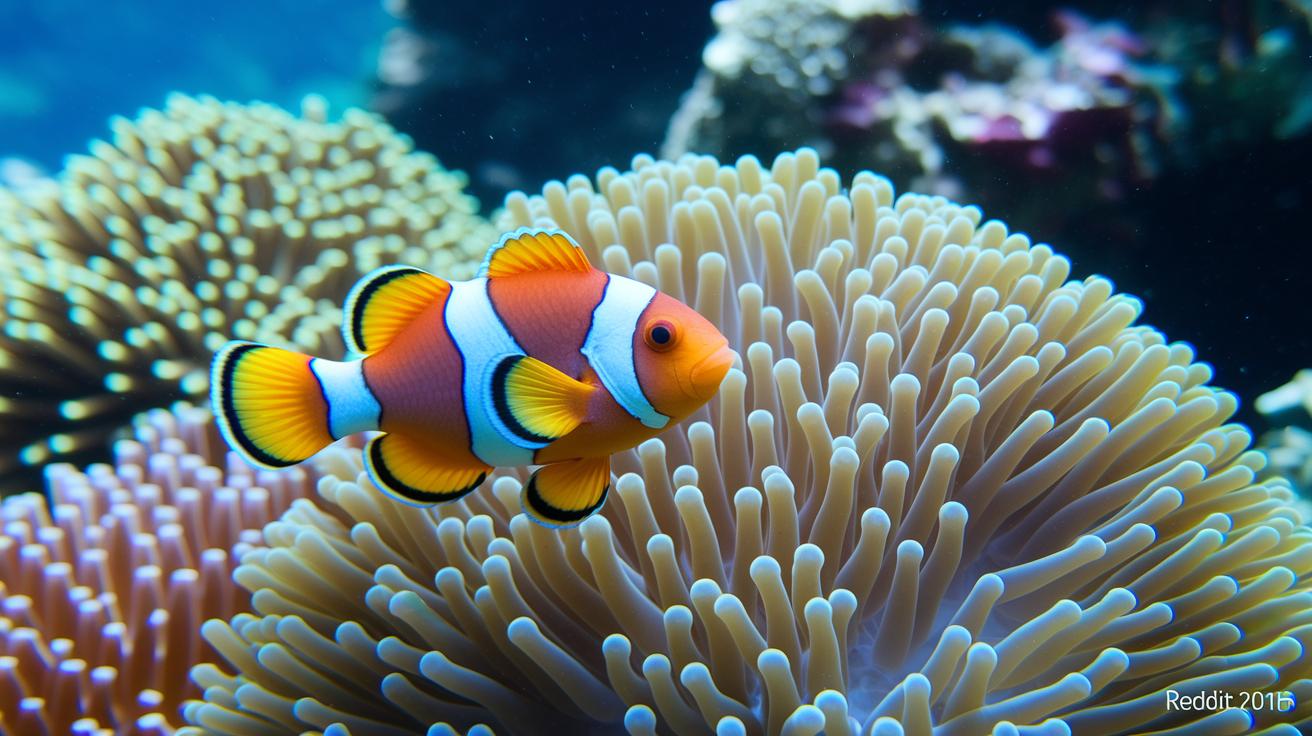
Keeping your reef tank in tip-top shape is a lot like tending to a beautiful underwater garden. When you stick to a routine, it’s easier to keep delicate fish happy, like clownfish that protect themselves with a special mucus or pufferfish that puff up when they feel stressed. Regular care means you’re not just tossing food around; you’re checking little details that help each fish flourish.
Every day, take a moment to see if your fish are swimming happily and enjoying their surroundings. It helps to think of your schedule like a gentle tide that keeps everything moving just right. Simple steps like feeding on time and avoiding too much food are key to keeping the tank balanced.
Here are a few tasks that can make a big difference:
- A feeding plan that gives every fish what they need without overdoing it.
- Quick water tests for things like pH and ammonia levels, a bit like a regular checkup for your tank.
- Checking the salt level so the water stays perfect for coastal life.
- Keeping an eye on the temperature to ensure the water is cozy, just like following a recipe for a calm, inviting space.
- Setting up a small quarantine for any new fish so only the healthiest join the group.
Regular water checks and daily peeks into your tank help stop little problems before they grow. By keeping up these simple habits, you build trust with your fish, knowing you’re giving them the best care possible. Just like a calm sea at dawn, a steady routine makes your underwater world a refreshing, peaceful retreat.
Reef Tropical Fish Spark Lively Aquarium Magic
Every reef tropical fish has its own charm and special needs. Take clownfish, for example, they form a snug bond with anemones, sharing a safe hideout in a naturally clever way. Lionfish come with venomous spines, so they need careful tank mates to avoid any little nips. Leafy sea dragons blend into clusters of leafy decor, while pufferfish love having wide, open spaces where they can puff up with ease. Even the shy mandarinfish prefer quiet corners in the reef where they feel safe. All these unique traits mean you need to keep a close eye on each fish's habits to maintain a balanced tank.
To create a calm and stress-free aquarium, choose your tank mates and set up your decor with care. Add plenty of hideaways, like clusters of live rock that mimic the thick vegetation leafy sea dragons love. Group fish with similar temperaments, and give your lionfish plenty of space, away from overly curious neighbors. Keep open swimming zones for pufferfish and provide quiet corners for mandarinfish to help lower stress in the tank. Think of planning your aquarium like painting a picture, every fish deserves its perfect spot in a lively yet peaceful underwater community.
Enhancing Habitat for Reef Tropical Fish
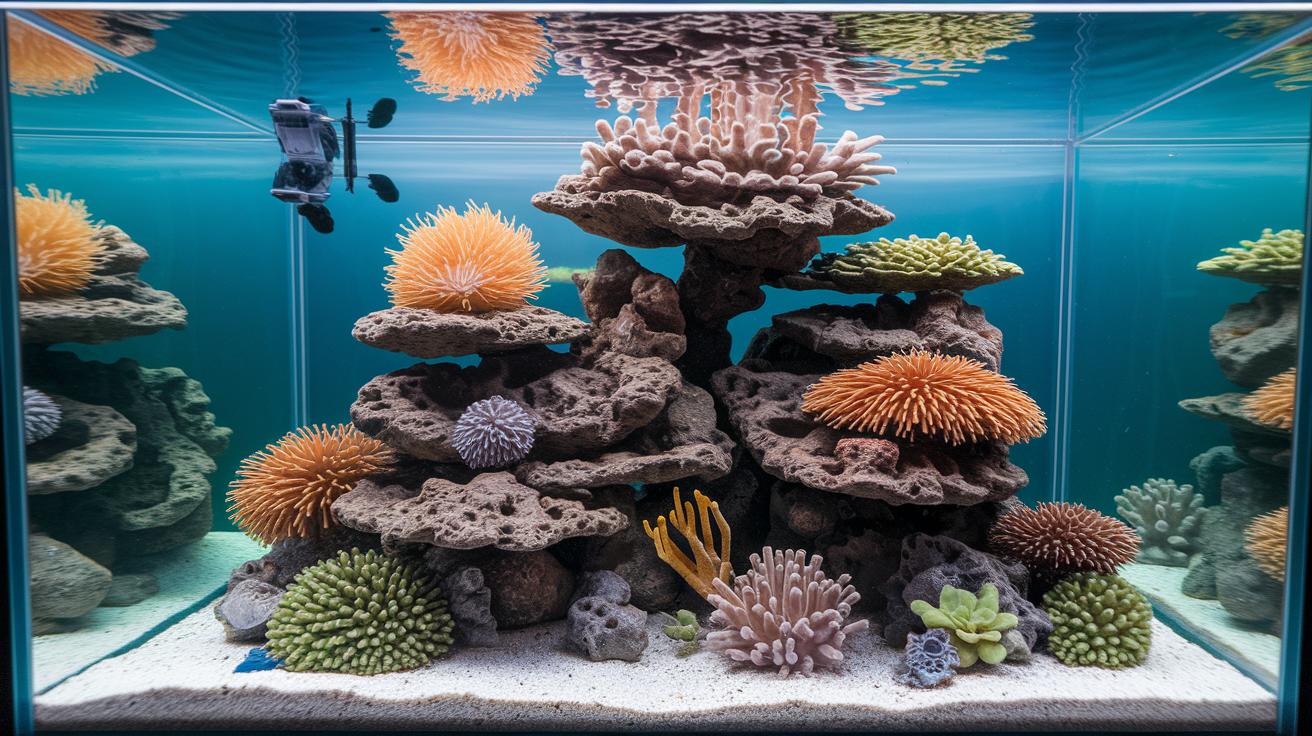
Make your reef tank feel like a living underwater masterpiece by arranging live rocks in both open areas and cozy hideaways. Stack bigger rocks to form wide-open spaces for the fast swimmers, and tuck smaller pieces into corners so that more timid fish have a snug little retreat. Think of setting up your tank like curating an art show where every rock offers a new adventure for your aquatic friends. For instance, arrange your live rock like a mini gallery to invite your fish to explore every unique curve.
Boost the charm of your tank by adding decorative corals that burst with color and texture. Mix soft corals and easy-to-grow types with vibrant SPS varieties like Acropora Vivid Razzamatazz to infuse brilliant sparks of color. You might even add a Blue Carpet Anemone to bring a clean, crisp contrast that highlights the curves of your rocks. This thoughtful design not only creates a pretty scene but also builds balanced microhabitats that let your reef fish show off their natural behaviors.
| Element | Design Tip |
|---|---|
| Live Rock | Use a mix of big and small rocks to create open spaces with snug hideaways |
| Corals | Combine soft, easy-to-grow, and SPS types with Blue Carpet Anemone for a striking effect |
Final Words
In the action, we covered key steps to create a balanced aquatic habitat, from setting up equipment to mastering daily care routines. We looked at what makes reef tropical fish, along with their tank mates, thrive and how to design an inviting underwater space.
Clear tips on choosing décor, performing water checks, and understanding fish behavior can help you build a lively tank that brings a bit of peace and joy every time you watch your aquatic world in action.
FAQ
Where can I buy reef tropical fish?
The reef tropical fish can be purchased at specialized aquarium shops, online retailers, or nearby stores. Choosing trusted suppliers helps ensure you receive healthy fish and proper care guidance.
Which reef tropical fish are best for beginners?
The reef tropical fish best for beginners include hardy species like clownfish that adapt well to saltwater setups. Their resilience makes them a popular choice for first-time aquarists.
What is considered a reef tropical fish?
A reef tropical fish is one that thrives in coral reef habitats, relying on warm, flowing water and shelter among corals and rocks as essential parts of its natural environment.
Which reef tropical fish are the least aggressive?
Least aggressive reef tropical fish often include species such as clownfish, known for their peaceful nature and ability to coexist well with other tank mates in a community environment.
Which reef tropical fish are the most popular?
The most popular reef tropical fish are typically vibrant species like clownfish, celebrated for their striking colors and engaging behavior that appeal to both new and experienced aquarists.
What do tropical reef fish eat?
Tropical reef fish eat a mix of algae, plankton, and small invertebrates. Offering a balanced variety of nutritious foods supports their health and brings out their natural colors.