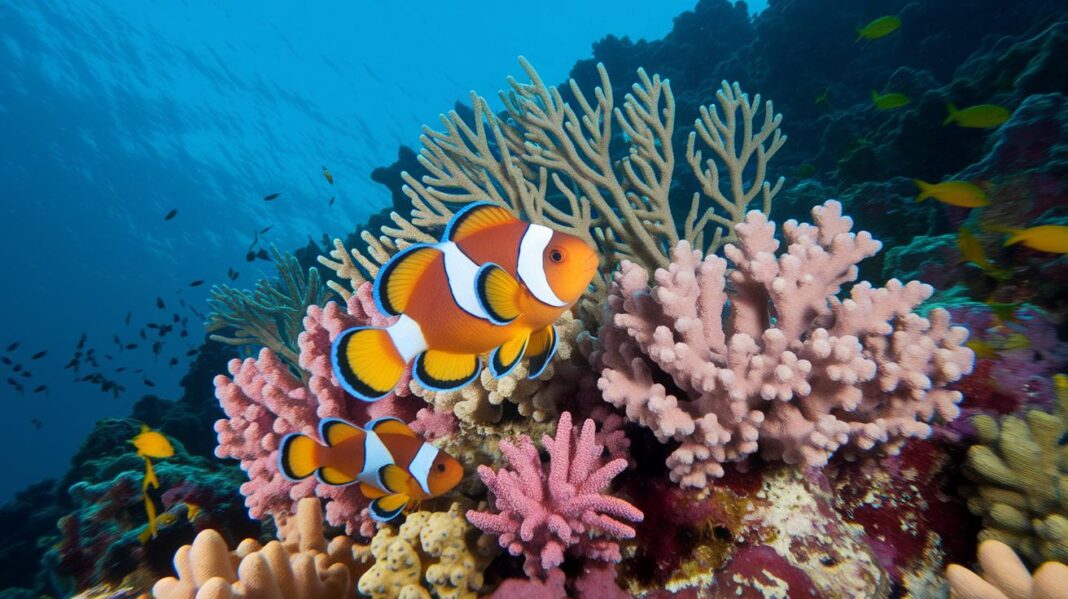

Have you ever noticed how these little, colorful fish navigate the busy underwater world? Clown fish light up the winding coral passages with their bold tones and smart survival moves.
They slip into every hidden nook of the coral, often teaming up with anemones, a bit like a trusted friend guarding your home, to stay safe and find food. It's amazing how such small creatures can add so much life to the ocean's vibrant playground.
Let’s take a closer look at how clown fish thrive in the coral reefs and why every flicker of their vibrant fins truly makes a difference.
Clown Fish Habitat in Coral Reef Ecosystems
If you ever visit a coral reef, you'll notice the charming clownfish from the Amphiprion family. There are around 30 species swimming in reefs across the Indian Ocean, the Red Sea, and the western Pacific. You might know these bright orange-and-white fish from movies, and you'll see them forming small groups tucked away in the crevices of lively corals. They depend on the twisty maze of the reef, where overhangs and branching corals create safe hideaways from larger predators.
The way these clownfish live shows just how important the reef's natural structure is. Reefs not only offer cozy hiding spots but also set the stage for the special partnerships between clownfish and sea anemones. With many types of anemones around, each clownfish seems to have its own clever strategy to stay safe and grab a bite. Some slip in between big coral boulders, while others nestle among the soft, protective tentacles of anemones. It's like every fish has its own little survival plan that fits perfectly with its environment.
The detailed design of coral reefs brings many rewards. A diverse reef gives clownfish plenty of spots to lay their eggs, feed on tiny bits of food, and dodge danger. Plus, this busy habitat supports many other creatures that help keep the underwater world healthy. Have you ever watched the gentle ripple of sunlight cutting through water, playing over the colorful coral? It's like peeking into a secret, ever-changing world where every little nook supports life in its own unique way.
Mutualism: Clown Fish and Sea Anemones in Coral Reefs
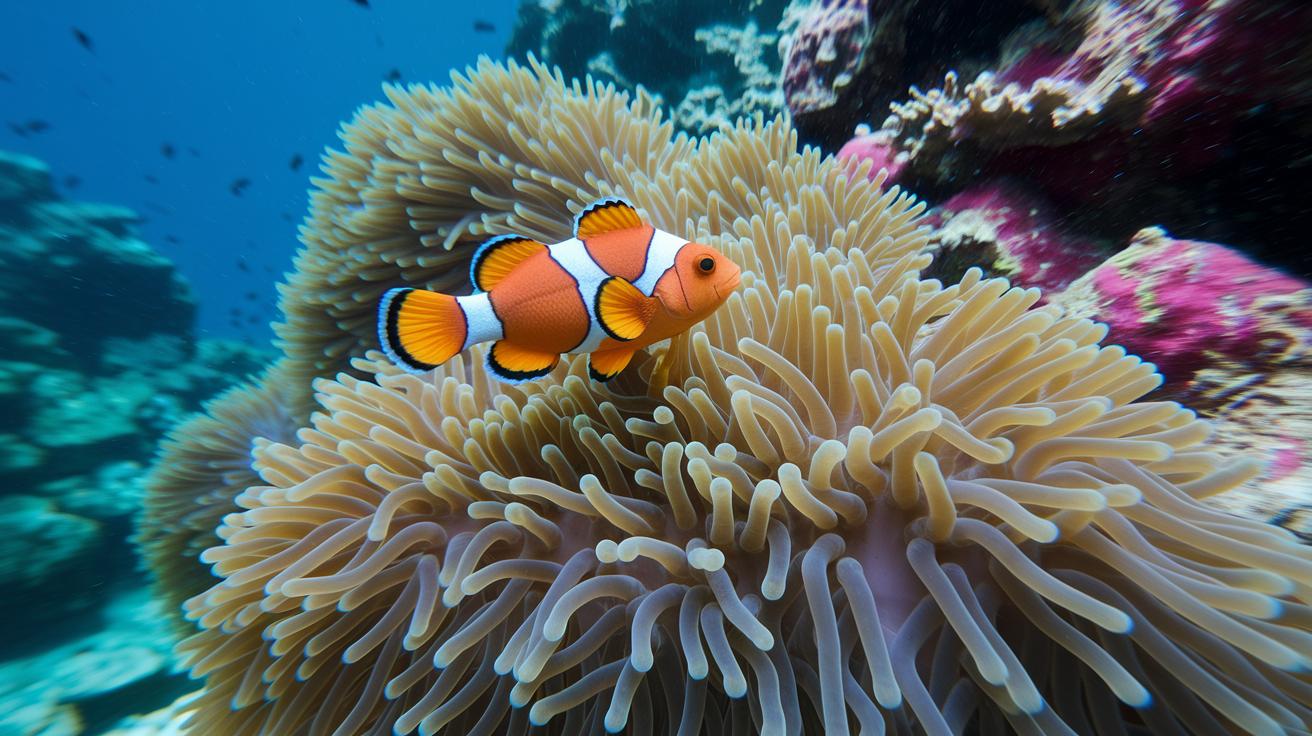
Clownfish are real mavericks of the reef. They envelop themselves in a special, protective slime from sea anemones that keeps the stinging tentacles at bay. Long before scientists began exploring reef life in detail, these clever fish were already perfecting their secret shield of mucus, much like nature’s hidden armor.
In this close-knit bond, clownfish do more than find safety. They help keep their anemone homes tidy by nibbling on algae and cleaning off stray bits of debris. It’s a win-win situation: the fish enjoy a secure refuge, and the anemones get a natural cleaning crew. It’s as if the reef has its very own little support team working in harmony.
Moreover, clownfish use these safe anemone spaces to protect their young. Baby clownfish find shelter among the waving tentacles, growing up snug and secure under their guardian’s care. This caring partnership boosts local biodiversity, creating cozy spots where many other species can thrive, thanks to clear, debris-free anemones.
Altogether, this intertwined way of living not only helps each partner survive but also strengthens the whole reef by promoting a cleaner, healthier underwater environment. It’s a gentle reminder of how sharing and cooperation under the waves keeps nature balanced.
Feeding Ecology of Clown Fish in Reef Communities
Clownfish in coral reefs aren’t just a burst of cheerful color, they’re like the helpful caretakers of the underwater world. These attentive little fish graze on algae and tiny bits of debris that collect around their cozy anemone homes. In doing so, they keep their neighborhood tidy, much like a friend who always tidies up after a fun day out.
And there’s more to these fish than just keeping things neat. Clownfish also scavenge for drifting bits of organic matter, even picking at small invertebrates caught in the flowing currents. Their constant nibbling and foraging help recycle nutrients through the reef, giving the corals and other creatures a steady dose of energy to thrive. It’s a bit like having a natural clean-up crew that benefits everyone under the sea.
Major items in their diet include:
| Food Item | Description |
|---|---|
| Epiphytic algae | Algae that grows on surfaces in the reef |
| Detritus and debris | Bits of organic matter and waste |
| Zooplankton remnants | Leftover parts of tiny sea creatures |
| Small crustaceans | Little sea critters that live among the rocks |
| Anemone waste particles | Bits that come from their anemone homes |
Through these smart eating habits, clownfish add a special kind of sparkle to their reef home, keeping it alive and vibrant for all its residents.
Reproduction and Life Cycle of Amphiprion in Coral Reefs
Clownfish have a very neat way of keeping their colorful underwater community thriving. In a typical group, one leading female is surrounded by several males. The biggest male earns the chance to mate with her and, together, they create thousands of eggs during each cycle. The eggs are gently placed on the reef floor near the protective arms of friendly sea anemones, which act like soft, safe cradles for the tiny, delicate fish.
After the eggs are laid, the caring males step in to guard them until they hatch. Their steady watch helps keep the eggs safe from danger before the baby fish float into the open water. When the eggs finally burst open, the little larvae drift along with the current, carried away from their home before eventually making their way back to the reef. Once they return, these young fish need to find a quiet sea anemone to settle with the group.
The cycle of life doesn’t end there. As the clownfish mature, they slowly change and grow until one of them eventually takes on a higher role within the group. It’s like watching a pond ripple gently as new life finds its place. In the wild, clownfish usually live for about 6 to 10 years, a real nod to how well their reproductive habits support strong, healthy life from the very start.
| Stage | Duration |
|---|---|
| Egg | 6–8 days |
| Larva | 7–12 days |
| Juvenile | 2–3 months |
| Adult | 6–10 years |
Color Variation and Adaptation of Reef Clown Fish
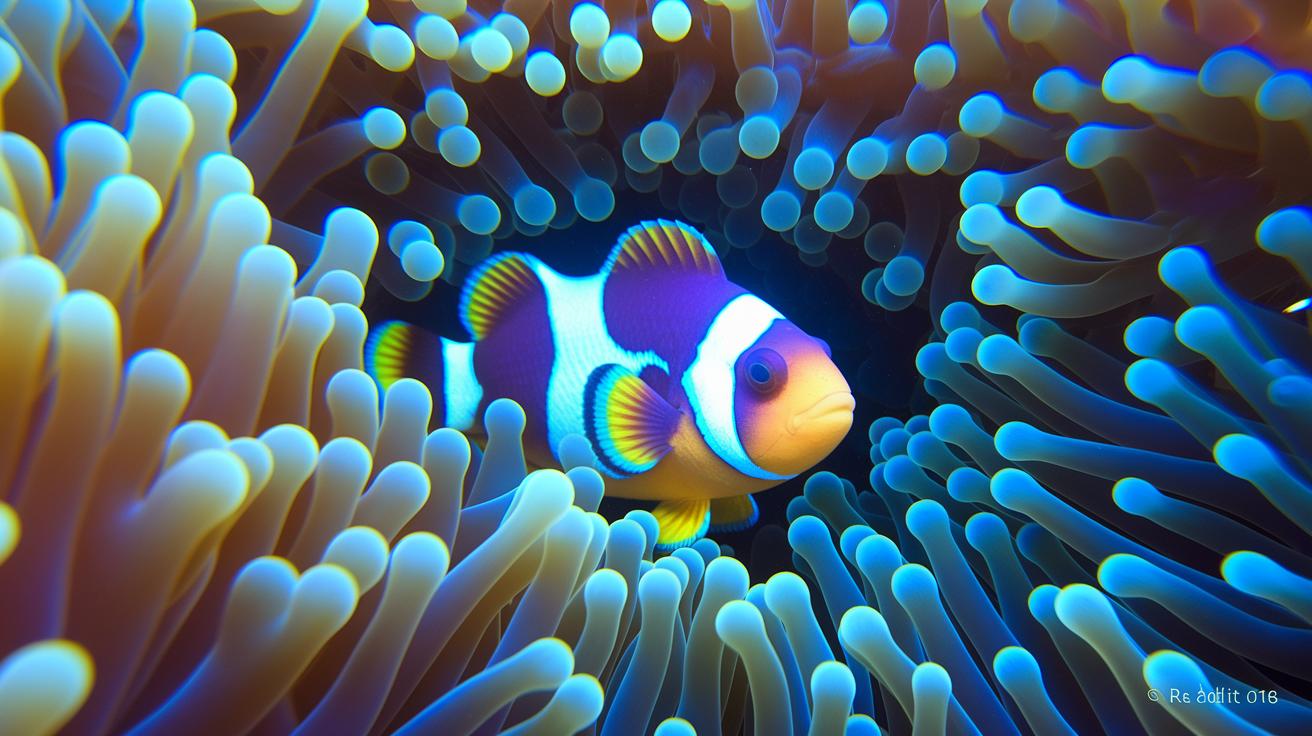
Clown fish live in coral reefs and show off an amazing mix of colors across the 30 Amphiprion species. You might know the classic orange and white look from Nemo, but these fish come in so many color schemes. Some sport bands of black, yellow, or even violet, and each pattern helps them fit in with the right sea anemone. This clever use of color not only makes them a striking sight but also helps them hide among the reef’s textures to keep predators at bay.
Their vibrant looks work together with a natural trick, their special mucus. This mucus acts like a gentle barrier, protecting them from the sting of sea anemones. In plain words, the makeup of the mucus changes based on the type of toxin the anemone has. This means every pattern on a clown fish is part of a smart, built-in defense system.
Imagine a little fish, glowing with shades of violet and yellow as it nestles among the soft, waving tentacles of its anemone home. It’s like watching a tiny splash of art blend perfectly into its surroundings. Every color on these brilliant fish tells a story of nature’s amazing design and survival strategy.
Threats and Conservation of Clown Fish in Coral Reefs
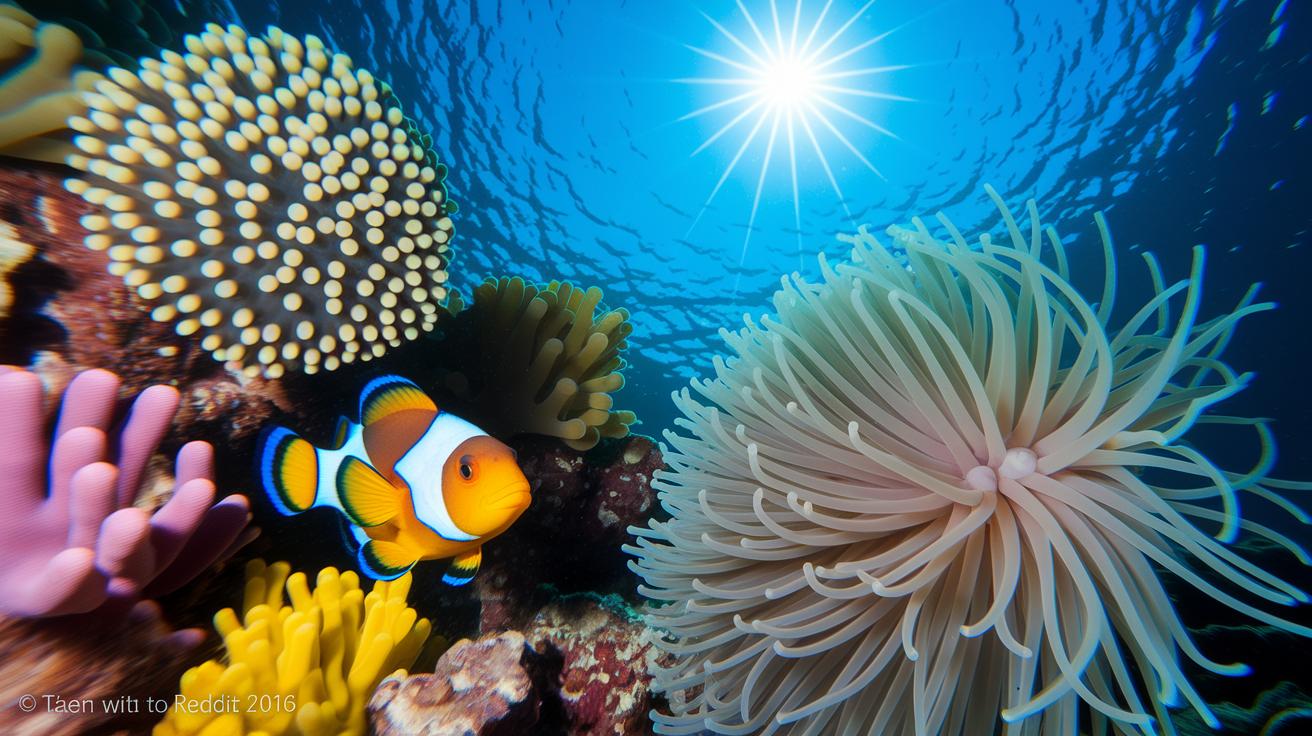
Wild clownfish are facing some tough times in their lively coral reef homes. The biggest worry is that people collect them for aquariums, pulling these bright little creatures out of their watery neighborhoods. This removal rattles local groups of clownfish more than the natural dangers posed by sharks or eels. It’s like taking a piece of the reef’s heart, leaving the fish more at risk.
Another challenge comes from coral bleaching caused by our changing climate. When the corals lose their rich color and strength, the sea anemones – which act as safe shelters for clownfish – suffer too. With fewer healthy anemones, clownfish end up in risky spots without the usual cover. When the reefs fade away, it can dramatically reduce the clownfish numbers.
Since 2020, areas around the Indian Ocean and western Pacific have started working on ways to keep this underwater balance intact. Local groups have set up marine protected areas that become safe shelters for both clownfish and their anemone friends, keeping them away from harmful collection. Along with this, rules on how to gather these fish in a careful, sustainable way have been put in place. These efforts give nature a chance to heal and thrive.
Key conservation steps include:
- Setting up zones where human activities are kept to a minimum.
- Using thoughtful, sustainable practices when collecting these fish.
- Watching over the reefs all the time and taking action when bleaching events occur.
Together, these actions help clownfish and their anemone partners enjoy a healthier, more stable home beneath the waves, nurturing a vibrant underwater world for everyone.
Research and Observation of Clown Fish in Coral Reef Habitats
Henry Bliss and his team of marine biologists bring the underwater world to life through hands-on observations and cool video recordings. They watch clown fish interact with one another in coral reefs, capturing moments like a little fish drifting from one sea anemone to another, almost as if it were swimming to safety. It’s like getting a personal tour of nature’s survival tricks.
Underwater photos play a big part in telling these ocean stories. Scientists use sharp, high-resolution cameras to snap images that map where colonies live in spots like the Red Sea and the western Pacific. These pictures help everyone understand how clown fish, those fascinating Amphiprion, form communities over time. By studying the images, researchers figure out which reef areas work best as cozy hideouts, feeding spots, and safe zones for young fish.
Another exciting discovery comes from watching how ocean currents move. By tracking these flows and the drift of young clown fish, experts learn how these tiny adventurers spread out and settle into new homes. Each ripple in the water has its own tale, deepening our understanding of coral reef life and the many ways it connects.
Final Words
In the action, we’ve seen how each part of a coral reef supports clown fish survival, from shelter among anemones to unique feeding habits that keep reefs clean. The discussion covered their reproduction, striking color changes, and the challenges they face with habitat loss. Research and observation continue to reveal fascinating insights about clown fish in coral reef dynamics. The ways we care and invest in these ecosystems bring hope and show that every effort matters for making a healthier, more beautiful underwater world.
FAQ
How do clownfish and sea anemones share a symbiotic relationship in coral reefs?
The clownfish and sea anemones share a symbiotic relationship by providing each other with protection and cleaning benefits. The clownfish receive shelter from predators, while anemones are kept clear of debris.
Where do clownfish live and what are their natural habitats?
The clownfish live in coral reef zones across the Indian Ocean, Red Sea, and western Pacific. They favor reef crevices and sea anemones for protective shelter.
What is the scientific name of clownfish and how many species exist?
The scientific name for these fishes is Amphiprion. There are around 30 species, each showing unique coloration and patterns suited to their reef environment.
What do clownfish eat and how do they help reef health?
The clownfish feed on epiphytic algae, detritus, zooplankton remnants, small crustaceans, and anemone waste particles. Their feeding helps maintain reef cleanliness and supports nutrient recycling.
How do clownfish protect themselves from predators in coral reefs?
The clownfish protect themselves by retreating into sea anemone tentacles. Their protective mucus coating keeps them safe from stings, which helps deter many potential predators.
What fun and interesting facts make clownfish unique?
The clownfish are admired for their bright colors, distinct social structure, ability to change sex, and strong bonds with sea anemones. These traits make them standout members of reef ecosystems.
Are clownfish found in coral reefs like the Great Barrier Reef?
The clownfish are found in coral habitats, including the Great Barrier Reef. The intricate reef structures and a healthy population of suitable anemone hosts support their survival.
What is the relationship between clownfish and coral, and how does it affect the reef ecosystem?
The relationship is indirect, as clownfish live with anemones that depend on healthy coral reefs. Their presence promotes cleaner, thriving reef ecosystems through waste removal and supporting local biodiversity.
What predators eat clownfish in their natural reef environments?
The clownfish are occasionally preyed upon by larger reef dwellers such as certain fish and eels. Their behavior of hiding among anemones greatly reduces their chance of being caught.