

Have you ever stopped to admire the brilliant colors dancing beneath the ocean's surface? Reef fish turn coral gardens into lively, flowing masterpieces, much like a magical underwater exhibit.
Think of the graceful butterflyfish gliding past vibrant coral, or the surgeonfish, each with its own special way of moving. Every single fish adds its own touch to keeping our ocean world balanced and beautiful.
In this chat, we'll dive into more than 650 kinds of reef fish that not only dazzle with color but also play a key role in marine life. Isn't it amazing how every ripple of this underwater community has a story to tell?
Reef fish species Radiate Vivid Marine Life
Reef fish are among the most colorful creatures in the ocean. With over 650 different species described in snorkeling and aquarium guides, these fish fill the water with life and energy. They come in families like butterflyfish, surgeonfish, damselfish, and wrasses, each with its own shape and habits that help keep the underwater world in balance. For example, butterflyfish have flat bodies that let them slip through coral like graceful swimmers, while surgeonfish show off their sharp spines as they nibble on algae.
Reef fish play a big role in keeping coral reefs healthy. Some, like tangs, work like little gardeners by controlling algae overgrowth on coral surfaces. Others, such as cleaner wrasse, act like helpful doctors, picking off pesky parasites from larger fish and keeping everyone in tip-top shape. And then there are predators like groupers and snappers, which help maintain balance by feeding on smaller fish. Think about the cozy bond between clownfish and anemones, it’s nature’s way of showing that working together can lead to survival and safety.
Sizes vary a lot among reef fish too. A tiny mandarinfish might only measure about 5 cm, while the mighty humphead wrasse can grow up to 2 m long. This mix of sizes and roles makes reef fish not just beautiful to watch but also key players in the vibrant underwater world.
Taxonomy of Reef Fish Species: Major Families and Characteristics

Reef fish bring a magical splash of color and life to coral worlds. With over 50 families swimming among the corals, each group shows off its unique body design, perfectly tuned for squeezing through narrow coral gaps or gliding through open water. It's like watching nature's own ballet under the sea.
Each family has something special about it. Chaetodontidae, for example, have smooth, compressed bodies that allow them to dart through the branches of coral like a graceful dancer. Meanwhile, Acanthuridae sport sharp, spine-like fins that cut through the water with a subtle yet noticeable edge. Wrasses and parrotfish from the Labridae family flash vibrant colors and clever shapes, and the angelfish in Pomacanthidae present delicate, elegant forms with beautiful patterns. Then, there are the Tetraodontidae which can puff up into a round shape, a neat trick that confuses would-be predators.
The link between body form and behavior is just as fascinating. Moray eels from the Muraenidae family use their long, slender bodies to sneak into tiny crevices. On the flip side, triggerfish and filefish from the Balistidae family rely on their strong, beak-like jaws to crack open shells. Many Pomacentridae fish swim in busy schools, while the quiet bottom-dwelling Gobiidae remind us that every fish has its own way of thriving in the marine realm.
| Family | Key Characteristics | Representative Genera |
|---|---|---|
| Chaetodontidae | Compressed bodies for agile movements | Chaetodon |
| Acanthuridae | Sharp spines and streamlined shape | Acanthurus |
| Labridae | Diverse shapes and bold colors | Labroides |
| Pomacanthidae | Elegant body with vibrant patterns | Centropyge |
| Tetraodontidae | Globose forms with inflation ability | Tetraodon |
| Pomacentridae | Small, schooling behavior | Chromis |
| Muraenidae | Elongated bodies for crevice dwellings | Muraena |
| Balistidae | Strong jaws for cracking shells | Balistoides |
| Gobiidae | Small, bottom-dwelling types | Gobius |
Habitat Distribution of Reef Fish Species: Global Regions and Depth Zones
Reef fish call many parts of our world home, and they like places that suit different depths and structures. They can be found in shallow areas less than 5 meters deep, where sunlight makes water full of life, as well as on slopes that stretch over 30 meters deep. The water in these spots is usually warm, around 23 to 29 °C, which helps decide which fish make the best home there.
These curious fish live in many regions like the Caribbean, the Red Sea, the Indian Ocean, the Pacific Ocean, and even the Mediterranean. One amazing place is the Coral Triangle, where more than 1,000 species live together in what seems like a beautiful underwater city. Each region has its special zones, such as the crest, backreef, and fore-reef, and each zone hosts its own group of fish. For example, the reef crest, with its constant crashing waves, attracts tough fish that can cling to rocks and coral, while the calm backreef offers a peaceful spot for smaller, delicate fish.
Knowing where these tropical fish live is really important. It not only shows off the incredible variety of life underwater but also reminds us why we need to take care of these fragile habitats. Protecting these beautiful underwater worlds is like looking after a cherished garden, keeping the natural magic alive for everyone to enjoy.
Spotlight on Iconic Reef Fish Species: Profiles of Key Inhabitants
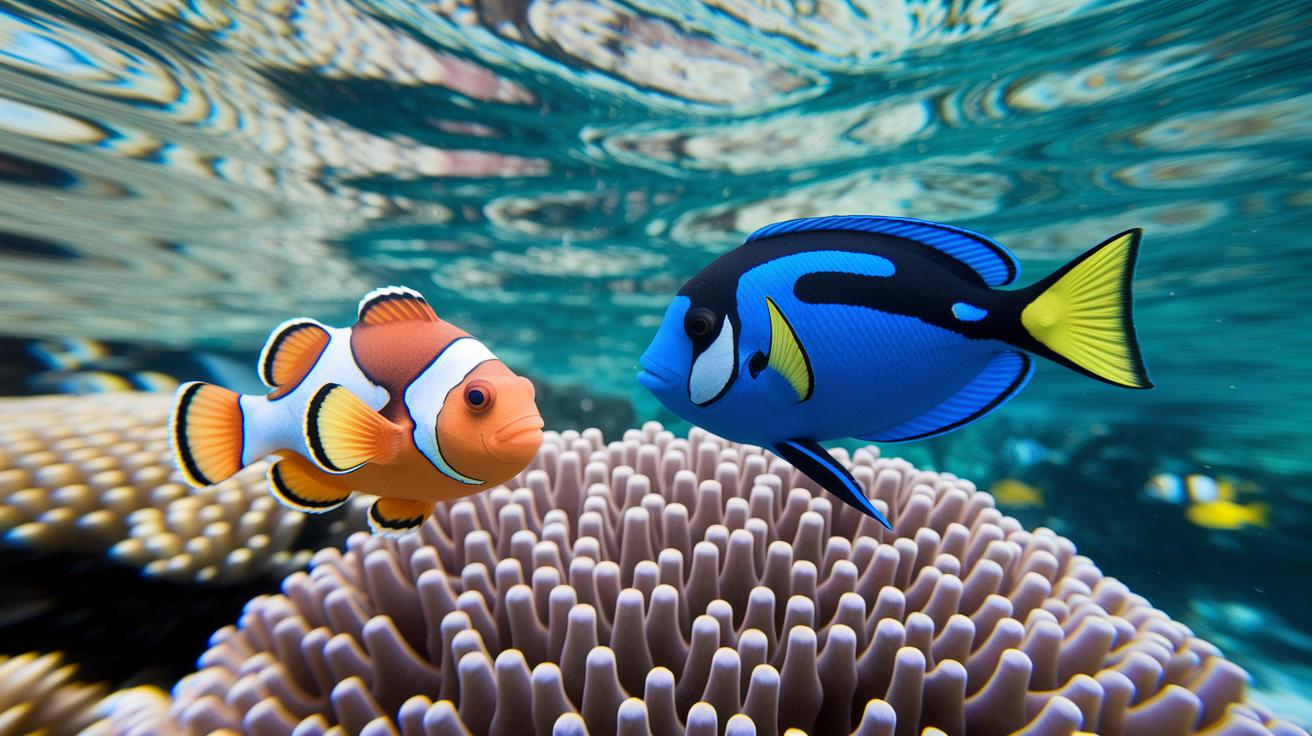
We picked these five amazing fish because each one lights up the reef with brilliant colors and unique shapes. They’re not just pretty, they play special roles in their underwater homes. Let’s dive into a little story about each friend, from their size and colors to the cool habits that help them and their reef thrive.
-
Clownfish (Amphiprioninae)
These little gems measure about 6 to 11 cm and burst with bright orange hues and clear white stripes. They live in a friendly team-up with sea anemones, which protect them from danger. Imagine them weaving gently among the anemone’s soft tentacles, always on the lookout for curious predators. -
Humphead Wrasse (Chelinus undulatus)
This majestic fish can grow as long as 2 m and shows off a cool blue-green color with a proud bump on its forehead. Sadly, its numbers are low, which makes it extra important that we care for its ocean home. Picture this regal fish swimming slowly through the coral, its presence as bold as a king’s in his castle. -
Regal Blue Tang (Paracanthurus hepatus)
Measuring around 20 to 30 cm, the Regal Blue Tang stands out with a deep blue body and a bright yellow tail. It mostly munches on algae, keeping the reef clean and healthy. When you watch it swim by, you can’t help but feel a bit like you’re seeing a piece of living art, all vibrant and graceful. -
Mandarinfish (Synchiropus splendidus)
This tiny fish, about 6 cm long, dazzles with colors that seem to shift like a moving painting. It snacks on small creatures that live on the reef floor and often hides in little nooks and crannies. Its playful patterns make it a favorite for anyone lucky enough to spot it beneath the waves. -
Moorish Idol (Zanclus cornutus)
With a length from 15 to 23 cm, the Moorish Idol wears striking bands in black, white, and yellow. Often, you’ll see these fish paired up like close friends, moving with a smooth and elegant grace around the coral. Their refined style adds a touch of charm to the busy reef scene.
Identification Guide for Reef Fish Species: Morphology and Coloration Patterns
When you dive into the world of reef fish, noticing their shapes, colors, and little details like fins and scales can help you tell one species from another. It’s like watching a beautiful underwater ballet where every fish has its own style.
Body Shapes
Reef fish come in many different shapes that suit their homes. Tangs, for example, have long, smooth bodies that let them zip through the water. Angelfish, with their flat and compressed forms, drift gracefully amid coral branches. Eels sport long, slender bodies perfect for slipping into tight spaces, and pufferfish use their round shape to scare off predators.
Color Patterns
The colors on reef fish are like a hidden map for their identities. Many damselfish show off bold stripes while butterflyfish often flash spotted designs. Some fish in the Chaetodon group have eye-like spots, and triggerfish break up their silhouette with random blotches to blend into the reef background.
Fin and Scale Features
A closer look at fins and scales can give you extra hints about a fish’s species. For instance, Acanthurus species come with 14–16 spines on their back fins and have tail fins that might be crescent-shaped or flat at the end. Also, some fish have scales with tiny spiky edges called ctenoid scales, while others have smoother, round ones called cycloid scales.
Conservation Status of Reef Fish Species: Threats and Protections
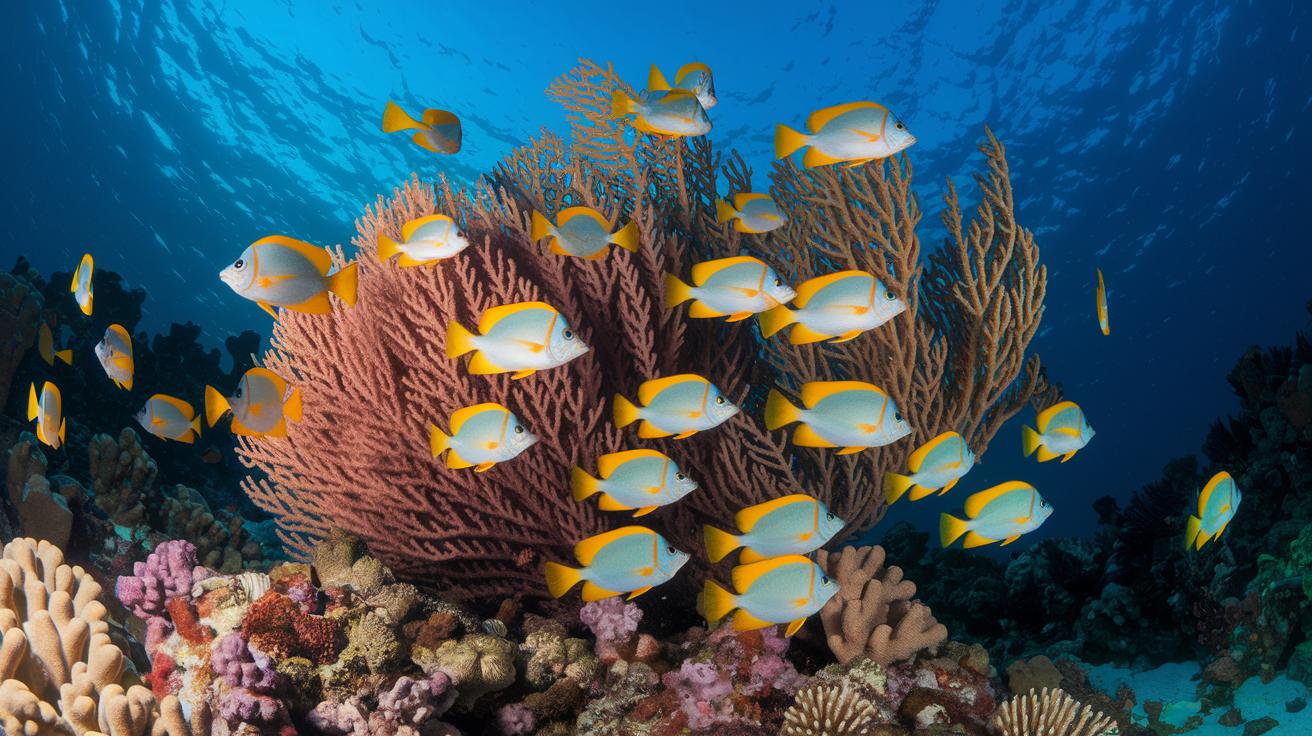
Our vibrant coral reefs are home to fishes that are facing tough challenges. For example, the Humphead Wrasse is listed as Endangered on the IUCN Red List, while the Coral Grouper is seen as Near Threatened. Overfishing, the loss of coral homes, and warmer seas causing coral bleaching all add pressure to these beautiful marine creatures. Warmer waters stress the coral, making them bleach and lose the cover they provide, which in turn makes life harder for the reef fish who rely on them for shelter and food.
To help protect these underwater neighbors, many no-take marine reserves have been established and now cover almost 27% of the world’s reefs. Rules from organizations like CITES help control the trade of six key reef fish species, which eases the burden of market demand. Conservation experts also put their heart into restoration projects, such as building artificial reefs and carrying out coral transplant programs, so that young fish can find a safe place to grow and thrive.
By taking care of these marine residents, we help preserve the enchanting underwater world for everyone to enjoy and support the balance of our treasured coral ecosystems.
Aquarium Suitability of Reef Fish Species: Hobbyist Considerations
When setting up your marine tank, many fish lovers pick reef fish thanks to their bright colors and playful moves. You might spot Clownfish, Yellow Tang, Royal Gramma, or Firefish swimming around. These fish bring life and natural beauty to your aquarium, turning your tank into a lively underwater scene that feels like a mini ocean.
It’s important to make sure the water in your tank feels just right. Keep the temperature between 75 and 82 °F, the pH at 8.1 to 8.4, and the salt level around 1.020 to 1.025. These numbers help your fish feel at home, much like the gentle waves of a coral reef. For more details on getting your water conditions perfect, check out this guide: "https://sweetfysh.com?p=1149".
Tank size matters too. Smaller species can thrive in tanks of 20 gallons or more, but if you’re planning on keeping active tangs that like to swim freely, you’ll need at least a 75-gallon tank. Feeding is also key, marine pellets mixed with live or frozen treats work well for balanced nutrition. Just remember to avoid overfeeding, so you don’t end up with too many nitrates that could stress your little friends.
Lastly, think about which fish will live together happily. Schooling fish like Chromis do well as a group, but combining a predatory wrasse with tiny gobies might cause some stress or even injuries. Following these simple tips for a balanced aquarium can really make a difference in creating a beautiful underwater display. For more ideas on maintaining your tank, take a look here: "https://sweetfysh.com?p=1124". Enjoy setting up your vibrant, colorful reef-inspired world!
Final Words
In the action, we looked at reef fish species by exploring their families, habitats, and roles in underwater settings. We shared tips on recognizing body shapes, color patterns, and even how to set up a tank that suits their needs. The guide helps mix a practical approach with the joy of a beautiful aquatic display.
Keep mixing creativity with care, and watch your underwater world thrive as you embrace a new chapter in aquarium management.
FAQ
Q: Reef fish species pictures and coral reef fish names and pictures
The reef fish species pictures and coral reef fish names and pictures provide clear visual guides that help hobbyists and enthusiasts quickly identify species by their colors and shapes.
Q: Reef fish species names
Reef fish species names offer a simple way to label the various fish found in coral environments, helping you connect common names to scientific classifications and learn about their roles in the reef.
Q: Reef fish species identification and reef fish identification PDF
Reef fish species identification tools, including handy PDF guides, teach you to spot differences in body shape, patterns, and colors, making it easier to tell species apart when you’re out snorkeling or setting up an aquarium.
Q: Reef fish species chart
A reef fish species chart neatly organizes details like family, size, and distinctive traits, making it a useful reference for quick comparisons and aiding both hobbyists and marine life learners.
Q: Best reef fish species
The best reef fish species often combine vibrant colors with hardy traits, fitting well into both healthy wild ecosystems and well-planned aquariums, providing beauty and balance to marine habitats.
Q: Coral reef fish
Coral reef fish refer to the diverse breeds that thrive among coral formations, featuring an array of sizes, patterns, and behaviors, each contributing to the vibrant life of the reef.
Q: What is the most common reef fish?
The most common reef fish frequently includes damselfish, a small but energetic group often seen darting around coral, playing a key role in their underwater communities.
Q: What type of fish live in a coral reef?
Coral reefs house a mix of fish including herbivores, predators, cleaners, and symbiotic species like clownfish, tangs, and butterflyfish, all essential for the reef’s natural balance.
Q: Should you eat reef fish?
Eating reef fish depends on local recommendations and sustainability practices, as some species are crucial to reef health and conservation, while others may be safe and plentiful choices for consumption.
Q: What is the iconic coral reef fish?
The iconic coral reef fish is often the clownfish, celebrated for its bright, friendly appearance and well-known symbiotic relationship with sea anemones, making it a favorite among marine lovers.