

Ever thought about making your reef tank sparkle with hardly any fuss? Taking care of your reef doesn't need to feel like heavy lifting. A few simple daily checks and weekly water tests can keep your little underwater world shining like a mini ocean in your home.
It’s like sharing a friendly nod with nature every day. You just need to keep an eye on salt levels, give the glass a quick clean, and check in gently on your coral friends.
Stay with us for easy tips that help your reef tank glow effortlessly, letting you enjoy the beauty of your aquatic world without too much work.
Core reef aquarium maintenance Tasks: Cleaning, Chemistry, and Coral Care
Every day, take a moment to tend to your reef tank like it’s a tiny ocean in your home. Check that the water level is steady by adding about 0.5 gallons of RO water that matches your tank’s saltiness. Feed your fish and coral friends twice a day and look over the tank to spot any salt buildup on the glass or equipment. A gentle scrub with an algae scraper or a razor blade helps keep the glass clear and safe. And if any corals come loose, secure them quickly with reef-safe glue or a soft rubber band, kind of like tucking them back in for a cozy nap.
Each week, shift your focus to the water’s chemistry and preventative care. Use a trusted water test kit to check that your salinity reads between 1.025 and 1.026 sg, your pH falls in the 8.1 to 8.4 range, and your alkalinity is steady between 8 and 12 dKH. Make sure there’s no ammonia or nitrite, and keep nitrates below 40 ppm for a healthy balance. It’s a good idea to replace 10 to 25 percent of the water and scrub the tank walls to keep algae at bay. Also, inspect your filters and pumps to catch any clogs or wear that might disturb the calm of your underwater world.
When it’s time to make changes, prepare fresh saltwater that matches your tank’s temperature and specific gravity as if you’re remixing your own mini ocean. If you notice a shift in pH or alkalinity, stir in about 2 tablespoons of sodium bicarbonate per gallon to bring things back to balance. Regular temperature checks, keeping things between 73 and 84°F, make sure your vibrant aquatic life stays comfortable and stress-free.
Daily reef aquarium maintenance: Cleaning and Upkeep Routine
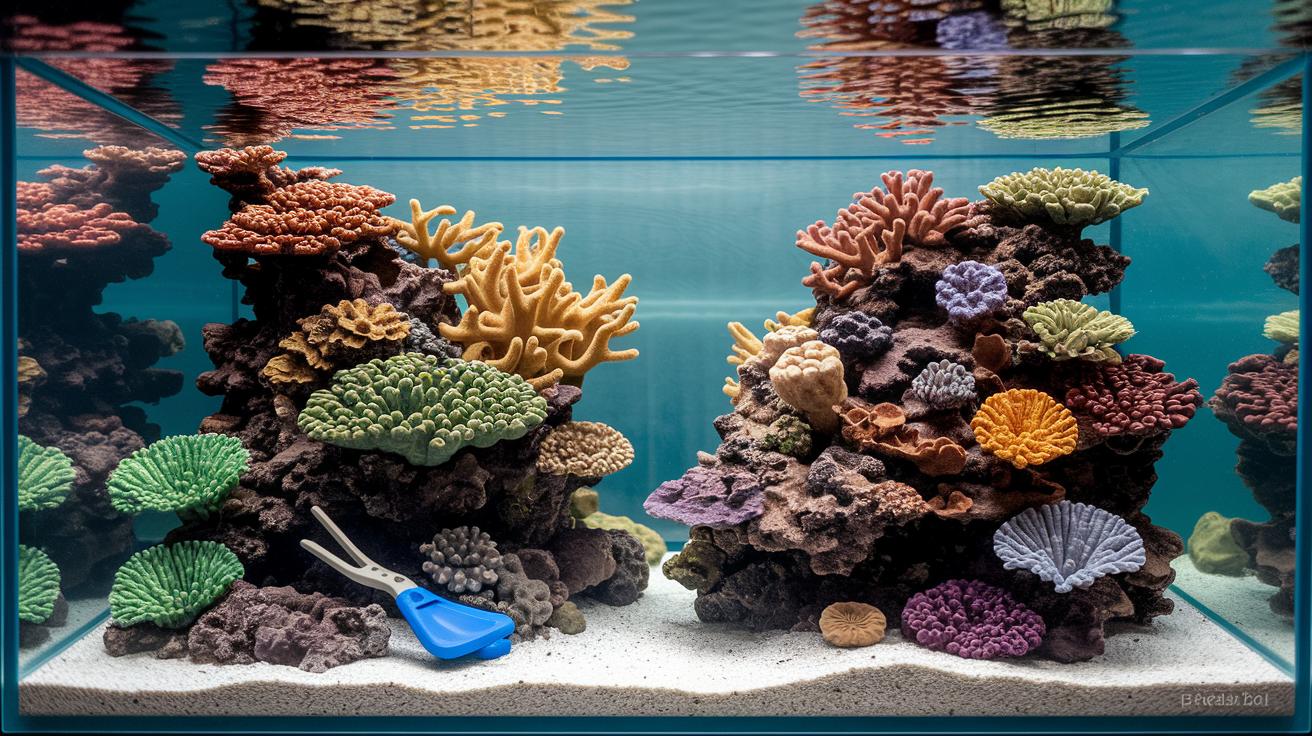
Start your day with a quick cleaning session that makes your reef tank feel refreshed and balanced. It’s like giving your underwater friends a little wake-up call, helping to reduce stress on your corals.
- Pour in about half a gallon of RO water to keep the salt levels just right.
- Wipe down tank rims, equipment, and glass to get rid of that salt buildup.
- Use an algae scraper or razor blade for spot cleaning the glass, and skip the household chemicals.
- Secure any loose coral fragments with reef-safe glue or rubber bands so they feel safe.
Staying on top of this routine keeps your aquatic pals happy and prevents imbalances. For more tips on common aquarium challenges, check out this guide: https://sweetfysh.com?p=1159.
Managing Water Chemistry in reef aquarium maintenance
Keeping your reef tank's water balanced is key to its overall health. Regularly checking elements like salinity, pH, alkalinity, ammonia, nitrite, and nitrate can give you gentle hints about what’s happening in your aquatic world. For example, if you notice a slow drop in pH along with decreased alkalinity, it might mean CO2 or decaying organic matter is building up. Try measuring your pH early in the day to catch any small changes that might have occurred overnight.
| Parameter | Ideal Range | Test Frequency |
|---|---|---|
| Salinity | 1.025–1.026 sg | Weekly |
| pH | 8.1–8.4 | Weekly |
| Alkalinity | 8–12 dKH | Weekly |
| Ammonia | 0 ppm | Weekly |
| Nitrite | 0 ppm | Weekly |
| Nitrate | < 40 ppm | Weekly |
When your water chemistry needs a little adjustment, a careful approach to dosing can help bring it back into balance. If alkalinity is dipping, adding about 2 tablespoons of sodium bicarbonate per gallon of water usually brings it back to the right level. And if you see both pH and alkalinity dropping, it might be time to check if there's extra CO2 building up or if the aeration isn’t working well. One case study showed that improving aeration helped stabilize the water without needing extra chemicals. Also, always match the salinity during water changes to make sure your tank stays stable.
reef aquarium maintenance: Effortless Sparkle
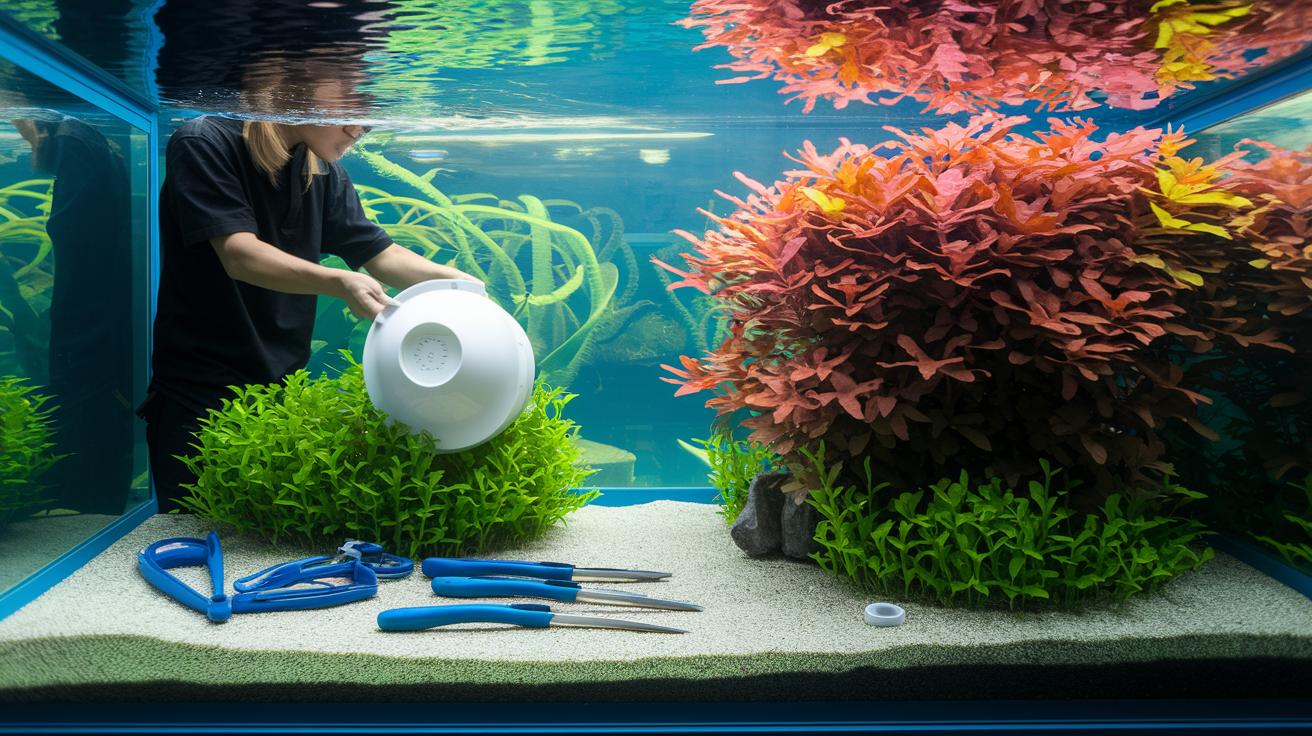
Every week, take a moment to check your tank’s gear, like giving your favorite ride a quick pit stop. Look at the filter media, pump tubes, and powerheads closely, just like you’d check tire pressure on your car. Keep an eye on all the little parts that make sure water flows smoothly. Having a few spare parts nearby is just like keeping an extra tool in your toolbox, helping you fix small issues before they grow.
Every couple of months, give your protein skimmer cups, return pumps, biofilter overflow boxes, heaters, and hoses a proper cleaning. A gentle soak in vinegar helps get rid of any coralline algae, leaving everything running quietly and efficiently. It feels a bit like refreshing your space, so you and your fish can enjoy that clear, calm vibe.
Once a year, set aside some time for a full check-up. Take apart large pumps, clean LED vents and fans, and swap out the tubing on your dosing system. Make sure the sump, plumbing, and all the valves are working just right. This thorough routine keeps your gear in top shape, letting your underwater world sparkle just like a sunlit reef.
Algae Management Methods and Coral Health Monitoring in reef aquariums
Keeping your reef tank looking bright is a bit like caring for a colorful underwater garden. Every week, take a little time to gently scrape the glass and decorations, just like you would trim a beloved plant. Many aquarists also trust helpful reactors, like Chaetomorpha or biopellet reactors, to lower nitrates and phosphates. This method not only tames algae but also makes the water shimmer with cleanliness. It’s a smart idea to check your live rock often for any pesky algae patches, cleaning or moving them around to boost water flow and keep conditions just right.
Watching your corals closely is key to a happy, healthy tank. While feeding, take notice of how the coral polyps look, their spread, color, and size all tell you about their health. If you see a coral looking stressed or a piece drifting away, act fast with reef-friendly fixes like reattachment or fragging. Adding trace elements and calcium, guided by your CA/Alk test results, helps your corals get the nutrients they need. In doing so, your underwater world stays lively and your coral beds remain strong, creating a mesmerizing aquatic paradise.
Monthly and Annual reef aquarium maintenance Schedule Planning

When you set up your calendar, blend your regular care routine with planned reminders. In your daily or weekly logs, mark those moments every couple of weeks or each month for water changes, about 10 to 25% depending on how busy your tank is, and for topping off the saltwater. For example, you might add a note like, "On the first Monday, check water salinity and change 15% of the water." This way, you keep your regular upkeep flowing without having to repeat routine details.
Next, make sure to include time to deep clean your skimmers, pumps, and overflow boxes. It’s also a good idea to inspect sump and dosing lines regularly, using intervals that suit your routine. Then, for long-term care, plan for a check-up every six months to a year. During these checks, you can replace bulbs or tubes and give fixtures, vents, and plumbing a good cleaning. Mark these dates in your calendar with a note to review replacement costs and think about possible upgrades. For instance, you could write, "Mid-year check: service fixtures and update budget for new bulbs." This simple plan ties your whole care routine together while keeping things clear and stress-free.
Troubleshooting and Advanced Techniques for reef aquarium maintenance
Sometimes, cloudy water, sudden changes in pH, or blocked pumps mean that something isn’t quite right in your reef tank. When you spot coral polyps curling up or notice your fish behaving strangely, it’s a good idea to check your water right away. Simple tests for ammonia and pH can help you see if any changes are stressing your underwater pals. And by looking over your filters and powerheads, you give your tank a quick health check that may help you avoid bigger issues later.
Taking a closer look at your gear can reveal little fixes that go a long way. For example, checking your sensors each month and servicing your dosing pumps every few months works like a tune-up, catching small glitches before they become a problem. If you notice a sudden algae bloom or your fish acting off, listen to what they’re telling you, it might be time for a tweak or a replacement. Keeping an eye on how your fish behave gives you honest clues to keep your whole aquarium balanced.
To make the routine even smoother, think about upgrading with some advanced equipment. An auto top-off system or an aquarium controller can handle many routine tasks, which lets you spend more time enjoying your vibrant tank. Upgrading to high-capacity protein skimmers and modern automated cleaning systems means less manual work and more time watching your aquatic world sparkle.
Final Words
In the action, we explored daily cleaning, water chemistry, equipment checks, and coral health monitoring together. Each step adds to a well-balanced tank where fish thrive.
We touched on managing tasks from frequent glimmers of cleaning to careful monthly scheduling and troubleshooting techniques that keep your marine haven safe and healthy.
Every small task plays a vital role in reef aquarium maintenance, creating a comfortable underwater home that’s as fun to manage as it is beautiful. Keep up the steady care, and enjoy every moment with your aquatic friends.
FAQ
What does a reef aquarium maintenance PDF or checklist provide?
A reef aquarium maintenance PDF or checklist provides clear steps for cleaning, water testing, and coral care, helping you follow daily, weekly, and monthly routines to keep your marine tank thriving.
What does a saltwater aquarium maintenance service near me offer?
A saltwater aquarium maintenance service near you offers professional help with cleaning, water chemistry checks, and equipment upkeep, ensuring your tank stays healthy and visually pleasing with expert care.
What is the saltwater tank maintenance cost typically?
The saltwater tank maintenance cost varies based on tank size and service level, covering regular water changes, cleaning, and parameter testing that help maintain a balanced and healthy marine environment.
How does saltwater tank care for beginners work?
Saltwater tank care for beginners involves simple tasks like daily water topping, periodic cleaning, and basic water testing, making it easy to maintain balanced chemistry and support your tank’s colorful marine life.
How should you maintain a reef aquarium?
Maintaining a reef aquarium means keeping up with daily cleaning, weekly water testing, and periodic equipment inspections. This steady routine helps you preserve balanced water chemistry and happy, healthy coral.
How often should you change the water in a reef aquarium?
A reef aquarium typically needs a water change weekly, replacing around 10–25% of the water to manage waste buildup and maintain ideal water quality for all living organisms in your tank.
How can you keep a reef tank healthy?
Keeping a reef tank healthy involves regular cleaning, careful water parameter monitoring like salinity and pH, and timely inspections of equipment and coral, all of which work together to build a vibrant aquatic system.
How frequently should you clean a reef tank?
You should clean a reef tank daily for minor tasks such as wiping salt creep and weekly for a deeper scrub of tank walls and equipment. This consistent routine prevents algae buildup and helps maintain a balanced habitat.