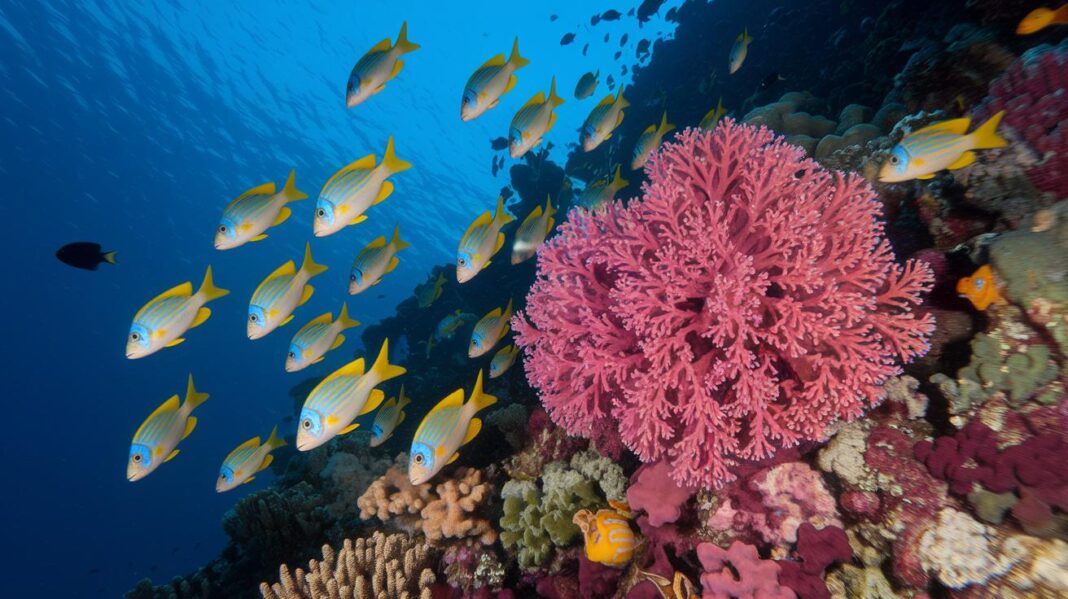

Ever wonder if your tank might be hiding its own secret world? Reef keeping isn’t just about putting coral, fish, and critters in a tank. It’s more like setting up your own little underwater paradise where every bit of live rock is buzzing with friendly bacteria. Each trusted piece of gear works together to keep the water clear and the life inside sparkling.
This guide is like chatting with a fellow fish lover, offering clear and friendly tips to create a balanced marine home. Let’s dive in and explore care tips that help your coral, fish, and invertebrates thrive, just as if you were tending a vibrant underwater garden.
Reef Keeping Fundamentals: Setting Up and Maintaining Your Marine Aquarium
Did you know that before most fish lovers even add their first fish, the live rock in a tank is already buzzing with tiny bacteria? This rock isn’t just for show, it acts like a natural helper by hosting good bacteria that break down waste and keep your water clean. It’s like the unsung hero that helps turn your aquarium into a beautiful, balanced underwater world.
When you start setting up your tank, it’s smart to use gear you trust. Things like auto top-off systems keep the water level steady, which helps avoid changes in saltiness. Controllers, like ProfiLux, along with cool expansion cards, let you keep an eye on your tank’s conditions. You’ll also need items such as biopellet reactors, calcium and Chaetomorpha reactors, dosing pumps, LED lights, and test kits. Think of each tool as an important part of a well-tuned band making sure every note in your aquarium plays perfectly.
Getting your tank ready means giving the live rock time to work its magic. Start by using cured live rock so your tank can process ammonia and nitrites safely. This cycling stage builds a strong foundation, letting your corals, fish, and little critters thrive later on. It’s a bit like setting the stage before the big show of a healthy reef comes to life.
Every day, a few simple checks go a long way. Look over your auto top-off system to avoid any accidental drops in water level. Do a water change each week to bring in fresh elements and clear out extra nutrients. And once a month, take a look at your pumps and controllers to catch any wear and tear before it becomes an issue.
When fine-tuning your dosing pump, think of it like you’re adjusting the flow of a gentle stream, steady and careful. Following these easy steps means your marine aquarium will be a warm, lively home for your sparkling coral and friends, while you enjoy the wonder of reef keeping.
Reef Keeping Water Chemistry: Essential Parameters and Management
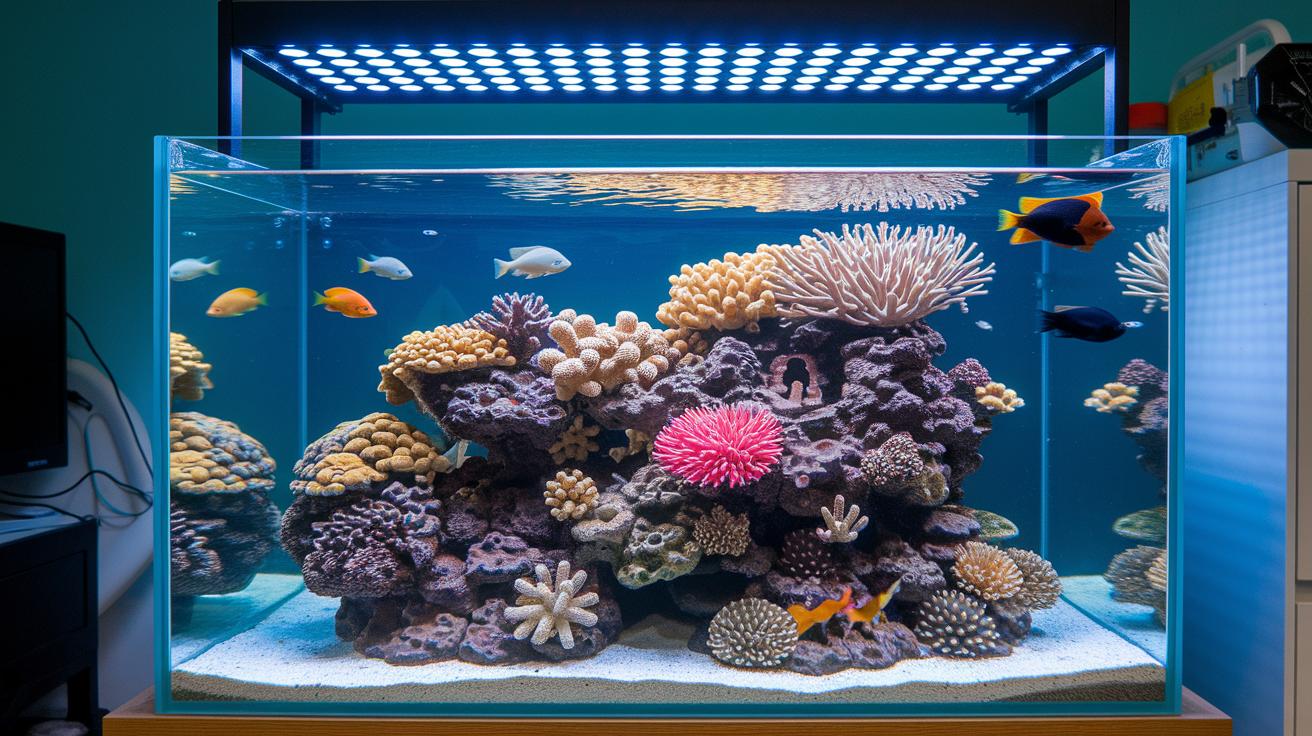
When you keep a reef tank, creating a safe underwater home is key. A salt level of about 1.025 to 1.026 SG, a temperature between 76°F and 82°F, and an alkalinity of 8 to 12 dKH are like the foundations of a cozy aquatic haven. Regular checks with trusted test kits help you spot any unexpected shifts early.
Keeping the pH steady is just as important. I make sure to test it often, and if I see any drift, I use an alkalinity monitor to help keep everything balanced. This simple routine prevents sudden changes that can stress out delicate corals, especially those sensitive SPS types. To explore more about pH, check out what is the pH of water.
Another handy tip is to use tools like the Balling Light System paired with calcium and kalk reactors. This setup makes dosing calcium, magnesium, and strontium more precise. Just like following a good recipe, a detailed dosing routine helps maintain a balanced carbonate system and keeps those trace elements right where they belong.
I also stick to weekly water profiles that track nitrates, phosphates, and other trace elements. Aiming for nitrates below 5 ppm and phosphates under 0.03 ppm is like keeping a gentle pulse on your tank’s well-being. Regular testing not only guides adjustments but also helps prevent issues before they affect your fish and corals.
By keeping a close eye on these key parameters, your live rock and aquatic life can truly thrive. I find that logging weekly readings feels like reading your tank’s diary, it reveals patterns and lets you act quickly if something changes.
Reef Keeping Equipment and Automation: Tools for a Stable Ecosystem
When setting up your reef, choosing the right equipment is key for a healthy underwater world. Good pumps like the Versia or Red Dragon series get your water moving smoothly and help whisk away waste. Ever notice how a gentle current can make your tank feel alive? For more tips on achieving smooth water flow, check out improving water circulation in your aquarium ecosystem.
Protein skimmers like the Bubble King Mini or Super Marin are real game changers. They clear out small particles, keeping your water sparkling clean. Working hand-in-hand with your pumps, they ensure your tank enjoys both a steady flow and efficient waste removal.
Next, don’t forget about LED lighting. There are many types available, each offering a specific light strength (PAR output) and color mix. Different corals often need unique light routines, just like some fish love the shade! With the right lighting, you can easily mimic the natural rhythm of day and night under the sea.
Keeping the water temperature just right is simple with tools like aquarium fans and chillers. They help maintain a stable climate so your marine friends feel comfortable. And when it comes to adding nutrients or treatments, automated dosing pumps teamed with smart controllers take the guesswork out of mixing solutions.
Finally, digital monitors and mobile apps let you check vital details like temperature, pH, and ORP straight from your phone. This modern setup cuts down on constant manual checks and gives you peace of mind, knowing your underwater ecosystem is flourishing.
Reef Keeping Coral Care: Growth, Propagation, and Nutrition
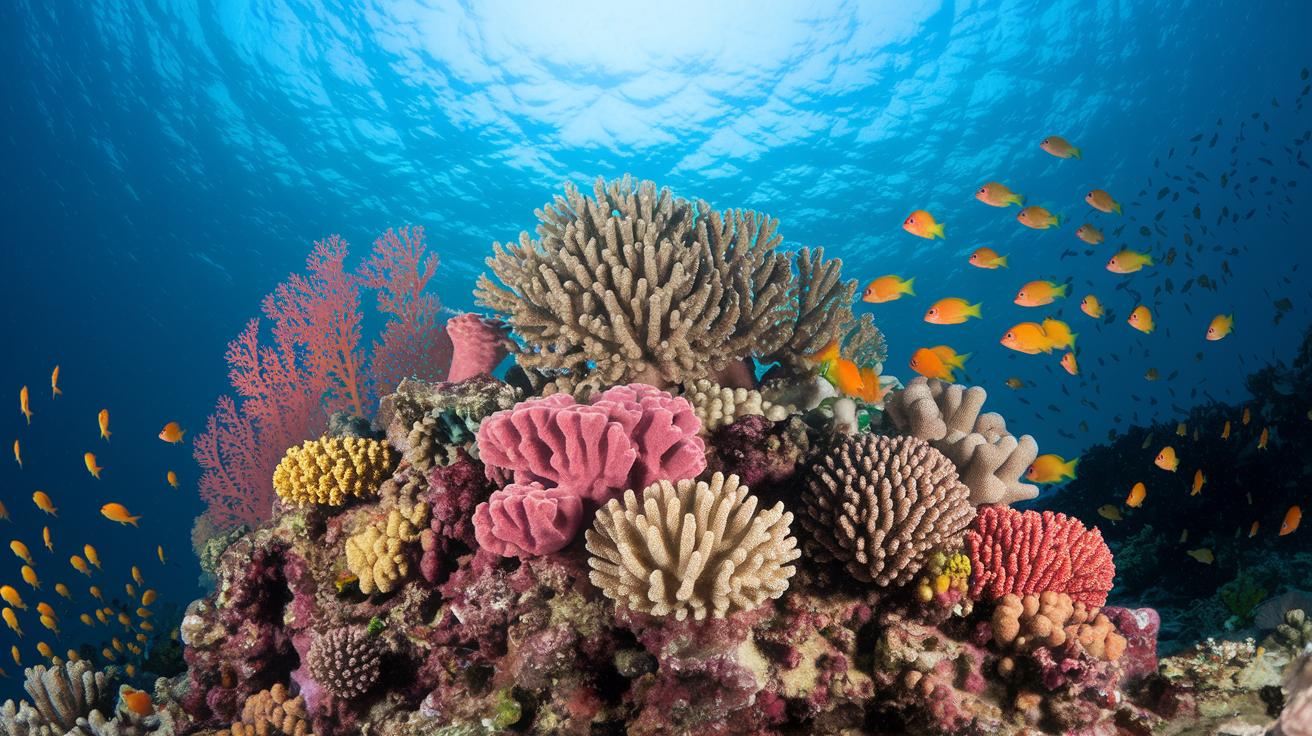
Taking care of coral is like setting up a tiny underwater garden that needs both careful planning and a gentle touch. First, get to know the different coral types. For example, SPS corals such as Acropora and Montipora enjoy strong water flow and need nutrients measured just right. Meanwhile, LPS species like Euphyllia and Chalice can do fine with a bit more wiggle room. Soft corals like Leather and Zoanthids bring fun textures and bright bursts of color, and even corals that don’t depend on light have their own special needs.
Feeding your corals is as important as giving them a balanced meal. Aim to include a mix of amino acids, phytoplankton, and zooplankton in their diet, kind of like serving an all-you-can-eat buffet under the sea. A handy tip is to blend a tiny bit of amino acid concentrate with a few drops of phytoplankton extract. This routine helps mimic the natural feast corals enjoy in the wild without overloading them.
Starting new coral pieces through fragmentation is both straightforward and satisfying. Begin by making sure your tools are super clean, just like prepping ingredients for your favorite recipe. Then, carefully apply coral glue and attach the piece to a special frag rack in an area with steady, moderate water movement. Let the fragment slowly get used to its new home with a gradual change in light conditions to keep stress levels low.
Making sure your corals aren’t stressed is key. Keep a separate spot for new fragments so you can avoid unwanted pests and germs. Take a few moments regularly to look over your coral garden and spot any signs of stress early. With these careful steps, your coral colonies will stay strong and colorful, almost like a vivid, living underwater garden.
Reef Keeping Livestock Compatibility: Selecting Fish and Invertebrates
Popular reef-safe fish like Banggai Cardinalfish, Regal Blue Tang, Yellow Tang, and various wrasses add a splash of color to your tank all while keeping the balance just right. They bring brightness and life, and some even form friendly bonds, like clownfish and anemones that often help each other out. It's a good idea to check out compatibility charts that explain how these fish behave and what kind of home they need.
Don't forget about your busy little cleanup crew. Invertebrates, such as shrimp, hermit crabs, and snails, are hard at work keeping algae and debris under control. These tiny helpers, though small, make a huge difference. When you plan their space, set up areas with plenty of hiding spots and a gentle water flow so they can move about and do their job without trouble.
Taking your new fish and invertebrates through a slow acclimation process is really important. Using a drip method for 30 to 60 minutes helps them slowly adjust to the temperature and water chemistry in their new home. Keep an eye on their behavior during this time. If you notice any signs of stress, it might be time to double-check your water parameters and observe how the residents interact.
Being flexible with how many creatures you add and giving them time to settle in is key to creating a lively and balanced reef ecosystem.
Reef Keeping Aquascaping: Design Principles for a Thriving Reef
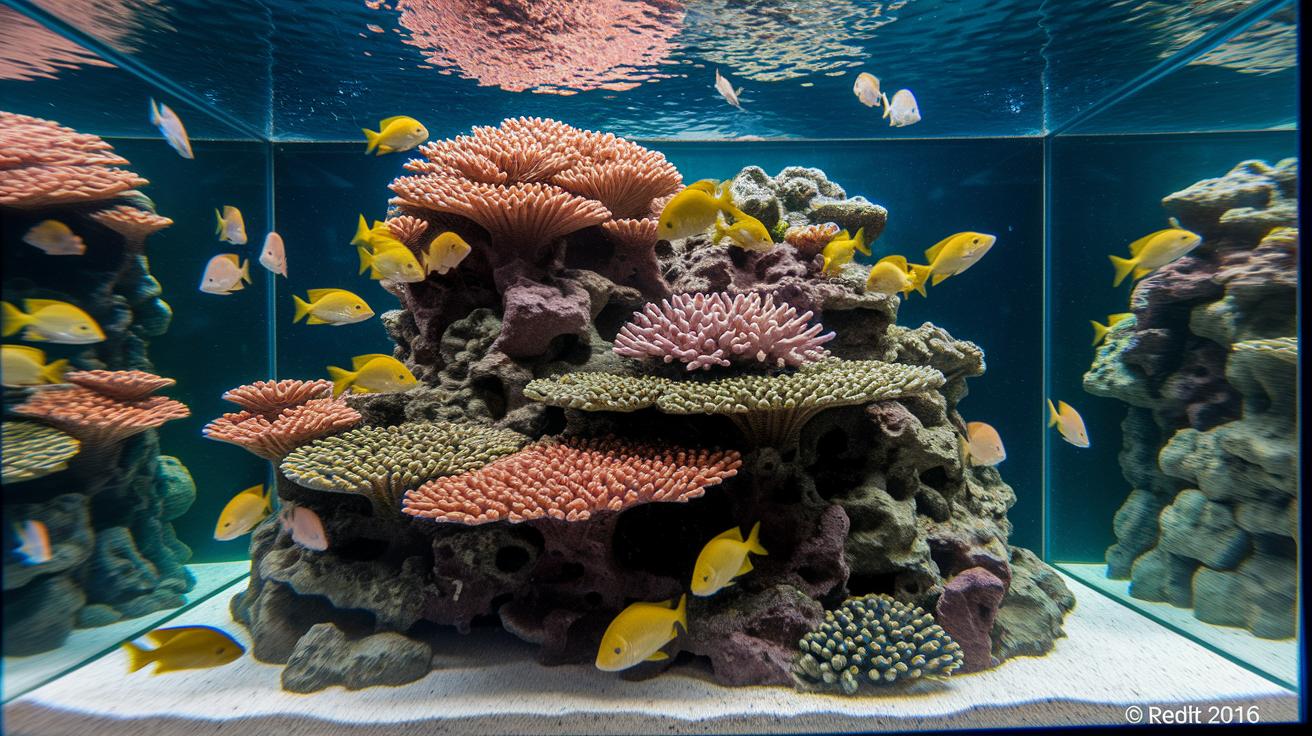
Imagine your aquarium as a tiny underwater world where every rock and grain of sand plays a part. Start by picking reef-safe rocks that echo the beautiful shapes of famous reefs like the Great Barrier Reef or the coral wonders near Raja Ampat. These natural stones let water flow easily, forming secret corners and little swim-through passages that feel like hidden alleyways in a bustling coral city.
Using sustainable materials like aragonite sand not only boosts your tank’s beauty but also helps keep it clean by supporting nature’s own filtering process. When you set live rock in your aquarium, think of it as building a mini habitat where helpful bacteria break down waste. This living decor also offers a safe spot for tiny chaetomorpha, adding a soft touch of green while helping to purify your water.
Design your aquascape with both looks and function in mind. Grouping rocks loosely guides water currents, ensuring that nutrients are shared evenly among your coral, fish, and invertebrates. This careful setup mimics nature’s own design, blending beauty and practicality into a balanced, thriving tank.
So choose your rocks with care, and watch your reef transform into a lively and natural masterpiece.
Reef Keeping Troubleshooting: Identifying and Solving Common Issues
When your reef tank starts showing changes in its water parameters, it feels like your underwater friends are sending you a little SOS. Keeping alkalinity between 8–12 dKH, nitrates around 1–5 ppm, and phosphates below 0.03 ppm is a bit like following a well-loved routine to keep your SPS corals calm. Testing your water each week and noting the results, like writing in a journal, helps you catch any shifts early.
Algae blooms can be a pesky challenge, almost like unexpected waves in a calm sea. You can help by boosting the water flow and adding a refugium to let nature take its course. And if the algae get too wild, you might try biopellets or a targeted macro-algaecide for extra help. For more tips, check out troubleshooting common issues in aquarium ecosystems.
It’s important to stay alert for any signs of disease. Keep an eye on your corals, fish, and invertebrates for odd spots or changes in behavior. If something seems off, setting up a quarantine tank and thinking about treatments like antibiotics or copper-based options can save the day. Always start by looking closely to make sure you know what’s happening.
- Monitor your water parameters regularly
- Adjust the flow to control algae growth
- Isolate any sick aquarium residents
With regular care and attention, you'll enjoy a sparkling coral display, thriving fish, and a busy cleanup crew keeping everything in balance.
Reef Keeping Advanced Techniques: Innovations and Best Practices
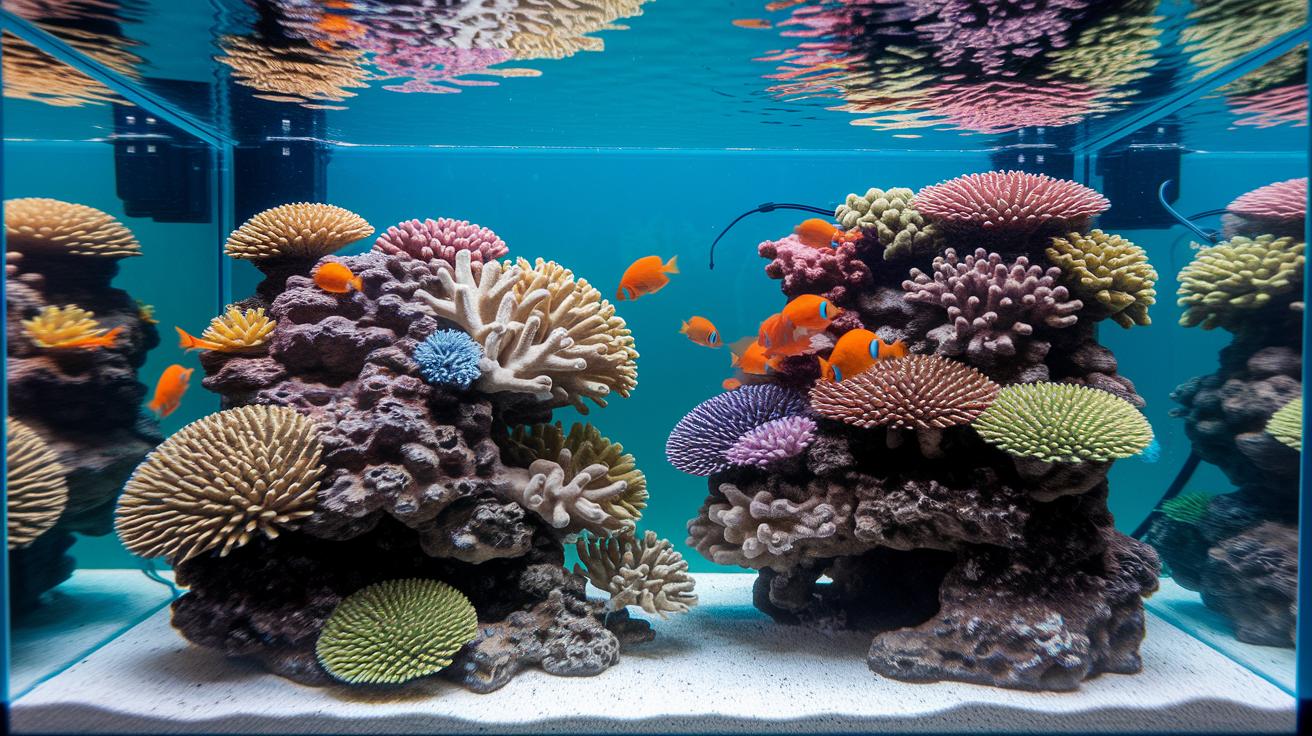
Over the past 40 years, reefkeeping has evolved into a beautiful mix of science and art. Studies of 187-gallon and 225-gallon tanks show how new tools help create balanced, lively ocean scenes. High-capacity media reactors work like a busy crew cleaning up waste, while smart controllers adjust tank settings as gently as the ebb and flow of the tide. Quiet chillers keep the water at just the right temperature so that both fish and corals can live happily.
Upgrading your system is now simpler than ever. Many reef enthusiasts are choosing modular add-ons that let them improve a part of the setup without redoing everything. Quick-release plumbing and modular skimmer heads make maintenance a breeze. These updates can save you time and effort, letting you focus on enjoying your underwater world.
For those who love DIY projects, here are a few ideas:
| Innovation | Description |
|---|---|
| Custom LED Mounts | These help fine-tune light intensity, creating gentle waves of light across your tank. |
| 3D-Printed Frag Plugs | Personalize how you attach corals while adding a touch of ingenuity to the tank. |
Updates like these mix trusted techniques with modern technology. Even routine care has become easier and more effective. With every upgrade, your aquarium sparkles a little brighter, showcasing marine life in its full, vibrant glory. Whether you are a veteran reefkeeper or just testing the waters, these advancements offer fresh ways to nurture your aquatic haven.
Final Words
In the action, we explored reef keeping fundamentals, from setting up your marine aquarium with live rock and natural filtration to managing precise water chemistry and integrating reliable automated equipment. We touched on coral feeding, livestock compatibility, and crafting an aquascape that mirrors nature. Practical troubleshooting and advanced tips rounded off the guide, giving you confidence to maintain stable, thriving systems. Every step is a chance to improve your aquarium’s harmony and enjoyment. Keep experimenting and smiling as you bring art and science together in reef keeping.
FAQ
What is the meaning of reef keeping?
The meaning of reef keeping is caring for a saltwater aquarium that mimics natural coral reef worlds. It involves using proper gear and steady maintenance to support lively marine life.
Are reef tanks hard to keep?
While these systems need attention, with the right setup and regular care, keeping a reef tank becomes a manageable and rewarding hobby.
What does “reef safe” mean in an aquarium?
The phrase “reef safe” means that a fish or product is tested to not harm corals or invertebrates, helping maintain a balanced and thriving reef environment.
How much does reef keeping cost per day?
The daily cost for reef keeping depends on your system’s needs and energy use. Typically, routine expenses such as supplies and power can run a few dollars each day with proper budgeting.
What reef keeping supplies and products do I need?
The reef keeping supplies include auto top-off systems, LED lighting, test kits, and live rock. These items are key to maintaining stable water quality and a healthy reef setup.
How can I find Addictive Reef Keeping reviews and contact them?
Many reviews praise their quality gear. To learn more or find coupons, visit their official website or call their published phone number for customer support.
What reef keeping tips should beginners know?
Beginners should cycle their tank with cured live rock, keep a close eye on water chemistry, and schedule regular equipment checks to build a secure marine home.
What are the benefits of coral reef tanks for beginners?
Coral reef tanks for beginners offer a colorful display of marine life, natural filtration benefits, and an engaging learning experience that builds confidence in careful reef maintenance.
What is a Red Sea tank?
A Red Sea tank refers to a reef system designed with premium, integrated equipment that simplifies setup and maintenance, making it easier for hobbyists to maintain steady water quality and system health.