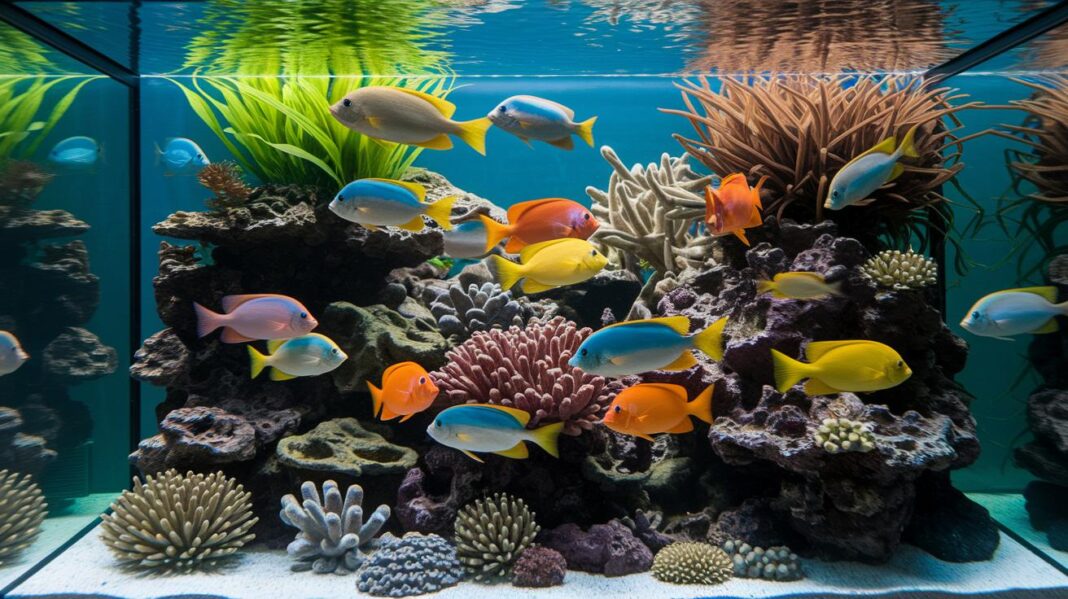

Have you ever wondered if building a reef tank is harder than it looks? This guide will help you transform your home into a safe, inviting marine retreat.
Think of it like setting up a gentle underwater dance, where every fish and tool has its special role. We break down the tank setup, water care (that’s the simple process to keep your water clean), and feeding routines in clear, everyday language.
It’s all about enjoying the journey and making sure your reef feels happy and calm. So, let’s dive in and create an aquarium that feels like your very own, secure little slice of the sea.
Reef Fish Care Guide: Core Principles and Overview
Our guide swims through a colorful array of reef fish and the gear you need to care for them. You’ll find tips for fish like the Cream Angelfish, Harlequin Filefish, Blue Hippo Tang, and Unicorn Tang. We also chat about things like what to feed your fish, picking the right equipment, spotting when something's wrong, and even caring for corals, inverts, clams, and reef supplements. It’s like having a trusty sea map whether you’re just starting out or you’ve been at this long enough.
Taking care of a reef tank is like planning a perfect underwater dance, each fish and gadget plays its part. You can tailor your swimming routine with feeding times and tank tweaks to make sure every fish feels right at home. Whether you’re fine-tuning water currents with powerheads, adding a protein skimmer to keep things fresh, or checking the pH with smart sensors (those help you know when your water might need a little extra love), every piece of equipment is chosen to keep your marine world safe and happy. A few quick daily checks and some solid long-term plans give you the confidence that your underwater haven is in great shape.
The guide is split into easy-to-follow sections that make even the trickiest parts of reef fish care feel as smooth as a calm sea. First up, there’s tank setup, where you learn all about picking the right tank and setting up important gear. Next, we dive into water quality, sharing simple ways to balance salt, temperature, and nutrients, like following a simple recipe. Then we chat about feeding routines and how to keep diets balanced. We also touch on keeping fish friends happy together and share how to spot and treat common fish illnesses. Finally, there’s a section on routine maintenance that walks you through regular checks and fixes so your marine environment keeps thriving.
Reef Fish Care Guide: Saltwater Enclosure Setup Tips
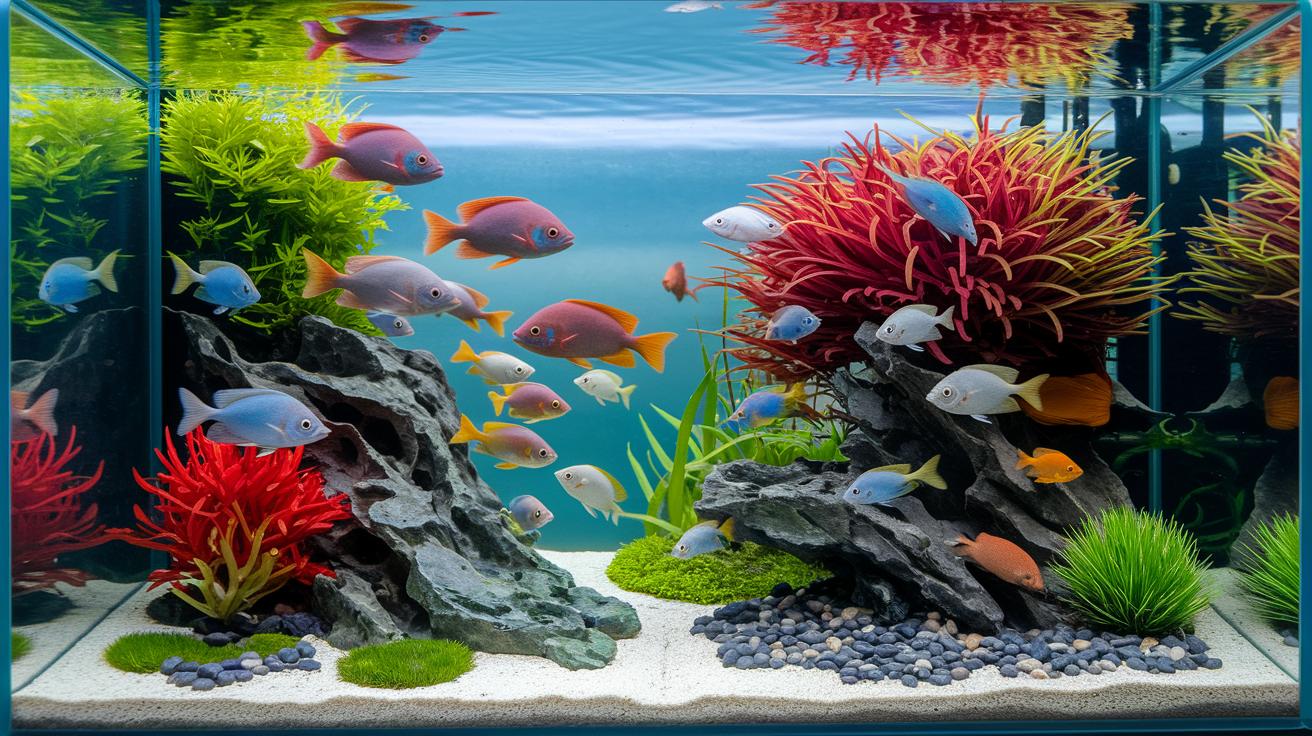
Let’s kick things off by planning your tank’s size, like choosing a cozy home for your fish friends. For example, a 10-gallon tank works well for lively species such as Ocellaris clownfish, Neon Goby, and Firefish. But if you have Royal Gramma or Bicolor Blenny, you’ll need a 30-gallon setup, and Yellowtail Blue Damsel does best in a tank of 20 gallons or more. This way, every fish gets plenty of room to thrive and feel at home. Curious about more tips on setting up a great tank? Check out some handy design ideas for a flourishing aquarium.
Next, let’s talk about the tank’s floor, but not too deep, just the substrate. Fine sand is a favorite for gobies because it’s smooth for burrowing and super easy to clean. Crushed coral brings a natural feel to your tank while even helping to keep the water pH just right. And mixing in some gravel adds stability along with a variety of textures that both fish and tiny critters enjoy.
When picking out ornaments and planning where to put your living rocks, think of four easy rules: first, choose materials that are non-toxic and built to last; second, secure everything so nothing wanders off; third, use sizes that won’t trap little fish; and finally, make sure every decoration helps create a balanced underwater space.
Lastly, arrange your rocks to form gentle water currents and create plenty of hiding spots. This setup not only helps the filtering process but also gives shy little fish a safe retreat in their colorful, bustling underwater playground.
Reef Fish Care Guide: Aquatic Water Quality Management
Keeping an eye on your reef tank’s water quality is really important for creating a lively underwater home. When you aim for the right numbers, your fish, invertebrates, and all the helpful bacteria can thrive easily. Using trusty test kits lets you check your salt levels, pH, temperature, and other key nutrients, kind of like making sure your favorite pond stays crystal clear.
| Parameter | Ideal Range | Testing Method | Adjustment Tool |
|---|---|---|---|
| Salinity | 1.024–1.026 SG | Refractometer | Salt Mix |
| pH | 8.1–8.4 | pH Meter | pH Buffer |
| Temperature | 75–82 °F | Thermometer | Heater/Chiller |
| Ammonia | 0 ppm | Test Kit | Water Change |
| Nitrate | <20 ppm | Liquid Test Kit | Water Dilution |
| Carbonate Hardness | 7–12 dKH | KH Test Kit | Buffer Additions |
Keeping up with a regular dosing schedule also makes a big difference. For example, I dose reef supplements each week to help balance pH and carbonate hardness, while regular water changes keep nitrate and ammonia at safe levels. I even keep a little log to track the numbers, it’s like watching the gentle ebb and flow of tides. With steady testing and quick adjustments, your tank becomes a balanced, healthy home where every sea creature can flourish.
Reef Fish Care Guide: Ocean Species Nutrition and Feeding Routines
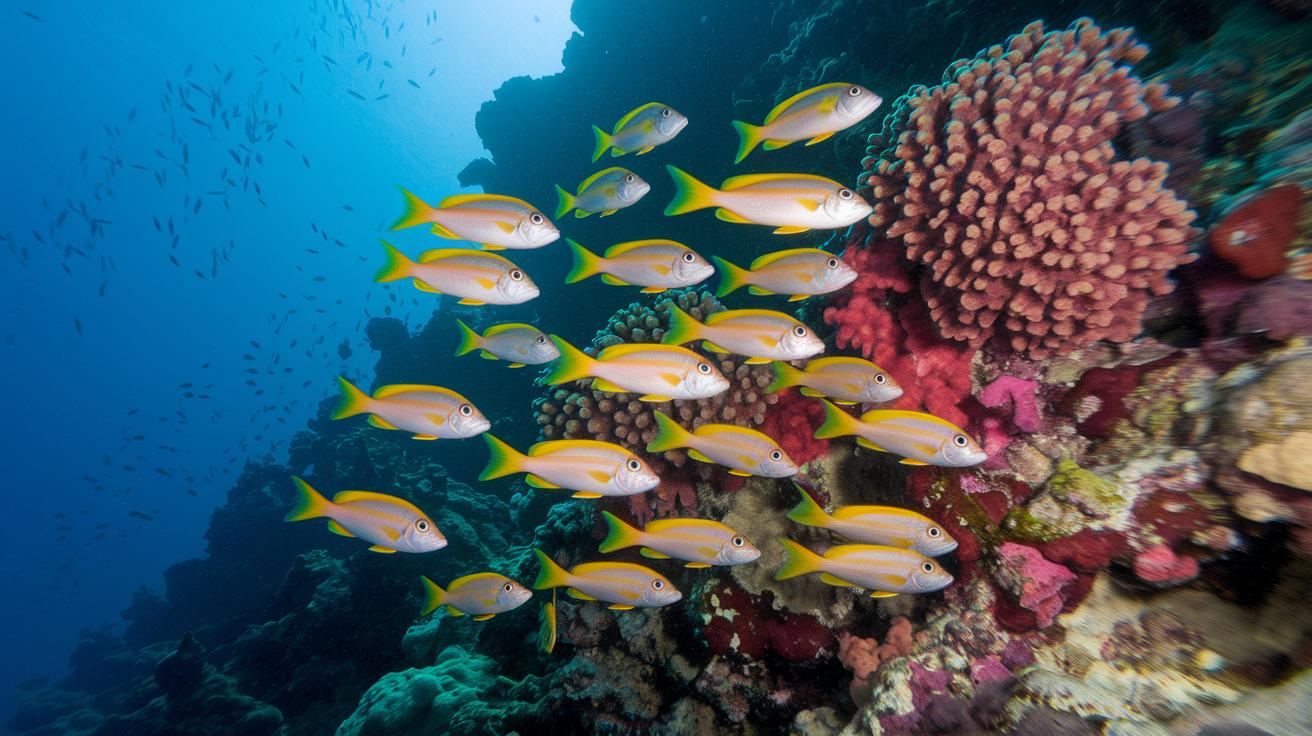
Feeding your ocean fish is a bit like setting up a perfect underwater play zone, they need a mix of proteins, vitamins, and minerals to flourish. A varied menu with freeze-dried pellets, flake mixes, and live feeds gives them all the essential nutrients to stay lively and bright. Remember, as your fish grow and become more active, their dietary needs change, so keeping their menu diverse is key to their well-being.
Dry and Frozen Feed Options
Dry feeds like pellet formulas and flake blends create a steady, reliable base for nutrition. Think of them as the calm stream in your tank that slowly nourishes your fish day by day. Frozen cubes, loaded with vitamins, act as little treasures that not only boost energy but also enhance your fish’s natural colors. It’s like adding a splash of extra sparkle to their routine!
Live Feed and Supplement Protocols
Adding live feeds, such as brine shrimp or mysis shrimp, brings a wild and playful twist to mealtime. These treats encourage natural foraging behaviors that feel just like a day out in the open sea. When you mix in trace element supplements and cultured copepods, it’s like fine-tuning their diet with that secret ingredient for a healthy immune system.
- Measure the right amount of pellet.
- Sprinkle in a bit of flake mix.
- Add a small cube of vitamin-enriched frozen feed.
- Introduce a few live brine shrimp or mysis shrimp.
- Top it off with a dose of trace element supplement.
Keep rotating the supplements from time to time and watch your fish closely to catch any signs of dietary changes. It’s a lively, ongoing process, much like the gentle ebb and flow of the tide, that keeps your underwater friends feeling their best.
Reef Fish Care Guide: Fish Compatibility and Aquaria Layout Planning
When choosing fish and invertebrates for your reef tank, think about each species' natural behavior and safety around corals and other delicate critters. It’s best to pick those known for being reef-safe and gentle, so every new friend makes your tank a calm, balanced home. Choosing species that have thrived in captivity or show genuine harmony in the wild helps keep the marine vibe just right and stops overcrowding.
Plan the order in which you introduce your new aquatic pals by looking at their size and how they defend their turf. Start with smaller, peaceful fish and gradually add bigger ones that might be more territorial. This way, you reduce squabbles and give each creature enough space to flourish, like a well-organized underwater community where everyone thrives.
Keep an eye on your tank regularly. Watch how your fish interact and note any signs of stress or bumping into each other too much. By tweaking the number of residents as needed, you can maintain a lively, friendly underwater world where every creature feels at home.
Reef Fish Care Guide: Identifying and Treating Common Diseases

Keeping a close watch on your tank every day can help you catch problems early. Look out for fish acting strangely, not eating as much as usual, or showing unusual spots or color changes. Noticing these little signals means you can step in fast and keep your marine friends happy and healthy.
Ich Profile
- Spot tiny white dots on your fish’s skin and fins.
- Tweak the salt levels in your water to support a quick recovery.
- Rely on copper-based treatments to clear out the pesky parasite.
Marine Velvet Profile
- Look for a soft, golden dust that sometimes covers your fish.
- Give them a quick freshwater dip to ease the parasite load.
- Try formalin baths as a way to help your fish push through the infection.
Bacterial Fin Rot Profile
- Keep an eye out for fins that look frayed or have dark edges.
- Use gentle antibiotic dips to fight off the bacterial infection.
- Increase water changes to wash away any lingering bacteria and keep the tank clean.
Setting up a separate quarantine tank is really important. It gives you a safe spot to treat any sick fish without risking an outbreak in your main tank. Having a regular cleaning plan with water tests and routine scrubbing will help maintain stable conditions and make sure your fish’s home stays as clear and secure as a peaceful underwater haven.
Reef Fish Care Guide: Routine Maintenance and Troubleshooting Manual
Hey there, fellow aquarist! Keeping your reef fish tank in top shape is much like tending to a beautiful garden under the sea. Here’s a friendly guide to help you manage your tank care routine with ease.
- Weekly Tasks:
- Clean and check the protein skimmer cup so it stays ready to remove unwanted debris.
- Test your water’s salinity, pH, and nitrate levels using a trusty kit, just like checking the pulse of your underwater world.
- Lightly vacuum the substrate to clear out leftover bits and keep your tank floor looking fresh.
Every week, these simple steps help your tank feel as peaceful as a calm, clear lagoon.
- Monthly Tasks:
- Rinse and backwash your filter media to wash away built-up particles.
- Give a quick look over the seals, heater, and powerheads to make sure everything is in good working order.
- Wipe down your equipment and clear off any algae so your tank stays sparkling and vibrant.
Taking a month to care for these details ensures your home looks as bright as sunlight dancing on water.
- Quarterly Tasks:
- Give the tank a deep clean by scrubbing the glass, decorations, and any hardscape features.
- Check the light bulbs or light intensity; proper lighting is key to keeping your underwater scene just right.
- Look over your whole system and recalibrate sensors if needed so everything runs smoothly.
By doing these quarterly checks, you keep your aquarium tuned like a well-practiced symphony of the ocean.
Don't forget to keep a log of all your work. Jot down readings for water temperature, pH, nitrate levels, and any other important measurements. This log is like your personal map of the tank’s health, helping you spot little changes before they turn into bigger issues. Over time, these notes guide you in tweaking water changes, upgrading parts, or simply enjoying the small successes in your aquatic journey.
Happy tank keeping, and may your tank always shimmer like a gentle stream under the summer sun!
Final Words
In the action, our reef fish care guide covered everything from caring for multiple species and selecting the right equipment to planning a custom routine. We broke down tank setup, water quality, feeding, compatibility, disease management, and routine maintenance into clear, manageable modules. Each section aimed to help you create an inviting underwater space while keeping your aquatic pets healthy. Keep experimenting with your setup and enjoy every moment spent with your underwater buddies.