

Ever thought that your fish might surprise you with unexpected friendship? This neat reef fish chart shows which species naturally mix well together.
It’s like chatting with a friend over a cup of tea about your favorite swimming buddies. The guide breaks down simple details like size and temperament so you know which fish might be a bit feisty and which ones will peacefully share the space.
I guess it's the ultimate cheat sheet for putting together a tank that feels just right. Picture your aquarium as a little underwater village where every fish finds its cozy corner.
Let's dive in and explore how this easy-to-follow guide helps you shape a home where every fish can thrive.
reef fish compatibility chart Brings Optimal Tank Harmony

This simple chart is your go-to guide for creating a calm underwater home. The Species Name column shows the fish that bring color and fun to your tank, while the Compatibility Rating gives you an easy way to see how well each fish gets along, rated as High, Medium, or Low. Temperament tells you if a fish is usually peaceful or a bit feisty, helping you spot any potential mix-ups before they happen. The Adult Size (inches) column gives you an idea of how big each fish will grow, so you can make sure there is plenty of room to swim. Lastly, the Aggression Notes column points out any behaviors, like guarding turf or snapping at neighbors, that you should keep an eye on. Even small squabbles over space or treats can lead to fights or stress, so each detail in this chart helps you pick perfect tank mates that blend naturally for a healthier, happier aquarium.
| Species Name | Compatibility Rating | Temperament | Adult Size (inches) | Aggression Notes |
|---|---|---|---|---|
| Clownfish | High | Peaceful | 3 | None |
| Blue Tang | High | Peaceful | 10 | Rare territorial behavior |
| Royal Gramma | High | Peaceful | 3 | Mild disputes |
| Butterflyfish | Medium | Semi-aggressive | 5 | Occasional feuds |
| Angelfish | Medium | Semi-aggressive | 6 | Guards territory |
| Damselfish | Low | Aggressive | 4 | Frequent nipping |
| Hawkfish | Medium | Semi-aggressive | 4 | Challenges neighbors |
| Blenny | High | Peaceful | 2 | None |
| Goby | High | Peaceful | 2.5 | Rare competitive bites |
| Snapper | Low | Aggressive | 8 | Food-based quarrels |
Reef-Safe Community Criteria Explained
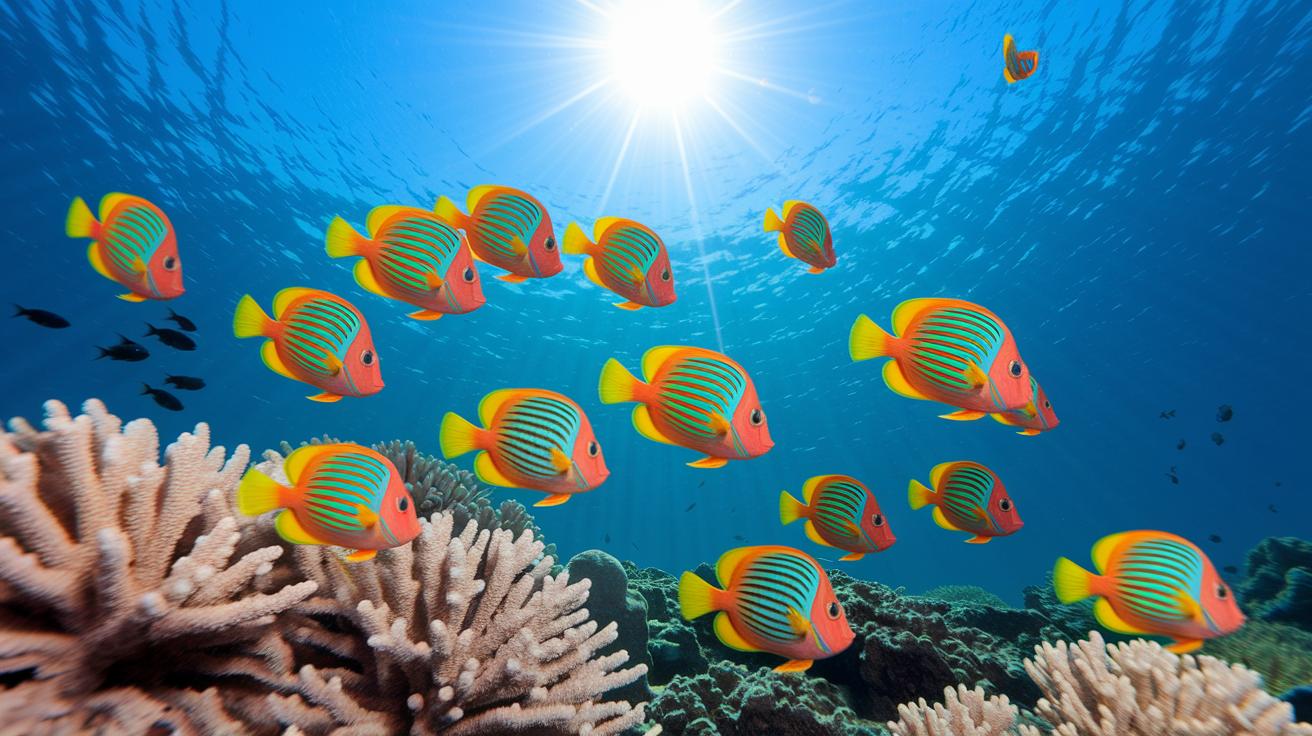
When building a reef community, it's a bit like setting up a peaceful underwater neighborhood. You need to know what each fish needs and how they behave to create a happy tank. Calm fish with smaller space habits usually mix well with other gentle swimmers. Plus, some fish focus more on snacking rather than chasing, which helps lower stress and protects delicate coral from getting bumped or nibbled.
Next, take a look at the easy guide below. It breaks everything down into simple points so you can find the best fish for your underwater world:
- Compatibility Rating: Tells you how well a fish gets along with others using basic terms like High, Medium, or Low.
- Temperament Categories: Explains if a fish is peaceful, a bit feisty, or more prone to aggression.
- Minimum Tank Size: Suggests the smallest tank that lets a fish act naturally.
- Coral Interaction Notes: Gives a heads-up if a fish might accidentally touch or disturb your coral.
Tank Inhabitant Selection for Saltwater Setups: Size Matters
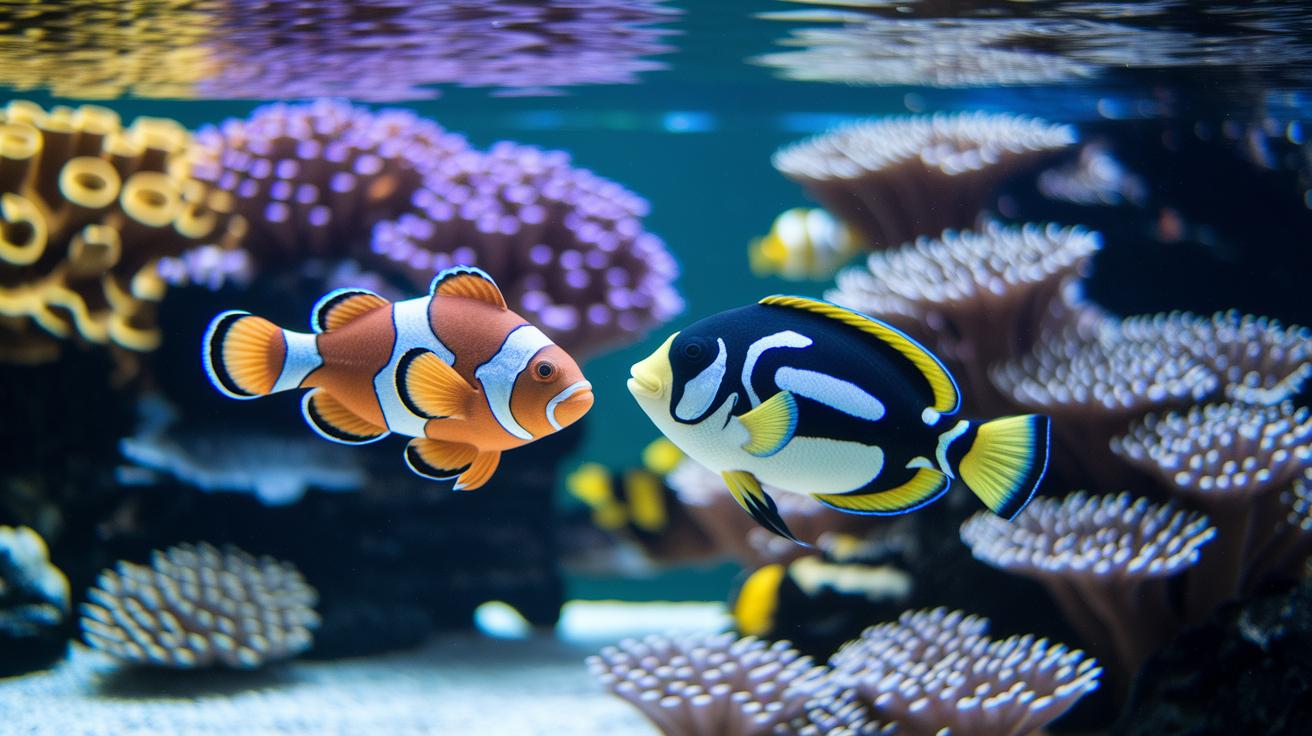
When picking friends for your saltwater tank, size really makes a difference. Some fish grow much bigger than others. For instance, tangs may eventually grow up to 12 inches while clownfish stay around 3 inches. Knowing these differences helps you decide who can happily share the same space. Grouping fish by how big they’ll get from the start can save you from surprises later on. It’s a neat trick that keeps your aquarium running smoothly.
Putting tiny fish with much larger ones can lead to some problems. Big fish might bully little ones or even accidentally treat them like a snack, which ends up stressing everyone out. Even a fun, playful moment can quickly turn into a harmful situation if sizes don’t match. This kind of imbalance shakes up the calm in your tank and puts all your fish at risk for stress-related issues.
The best plan is to keep fish that will grow to about the same size together. Doing this helps them live in peace and avoids risky encounters. When you’re setting up your saltwater tank, try to arrange your fish into size groups. This simple approach keeps the tank balanced, letting you enjoy watching your underwater family thrive.
Marine Life Matching Framework: Identifying Aggression Triggers
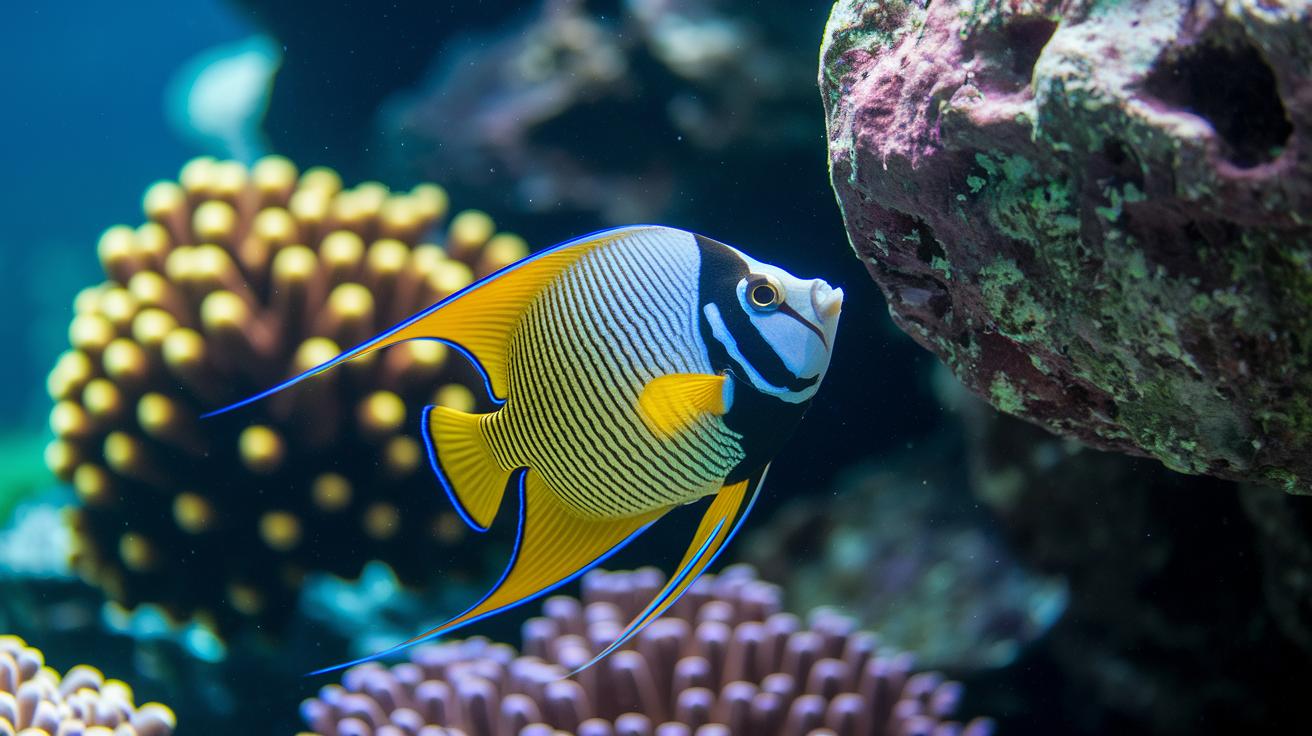
Ever notice how some reef fish get all worked up over their little corners of the tank? These bursts of aggression often come from simple habits like guarding a favorite rock, scrambling for food, or getting into special mating dances. I once saw a fish protect its beloved rock like a brave little guardian, even a soft nibble nearby sent it into action. It’s a lot like watching a tiny underwater showdown!
Some species really stand out for their feisty moves. For instance, damselfish zip around in a flash when someone steps too close, while angelfish might gently shoo away any neighbors that come near. These actions are typical when fish are keeping a tight hold on their prime spots and tasty treats.
These behaviors matter a lot when you’re checking compatibility charts. Fish that are quick to defend their space or compete at feeding time usually get a lower score, while the more laid-back ones earn a higher mark. Spotting these patterns early helps you set up a tank where everyone can thrive together.
And here’s a tip: sometimes, a little change in the tank décor can help reset those territorial habits. Adjusting feeding times can also ease the competition. Over time, a gently tweaked environment can bring a calming balance to your underwater world.
Saltwater Resident Integration Plan: Introducing New Reef Fish
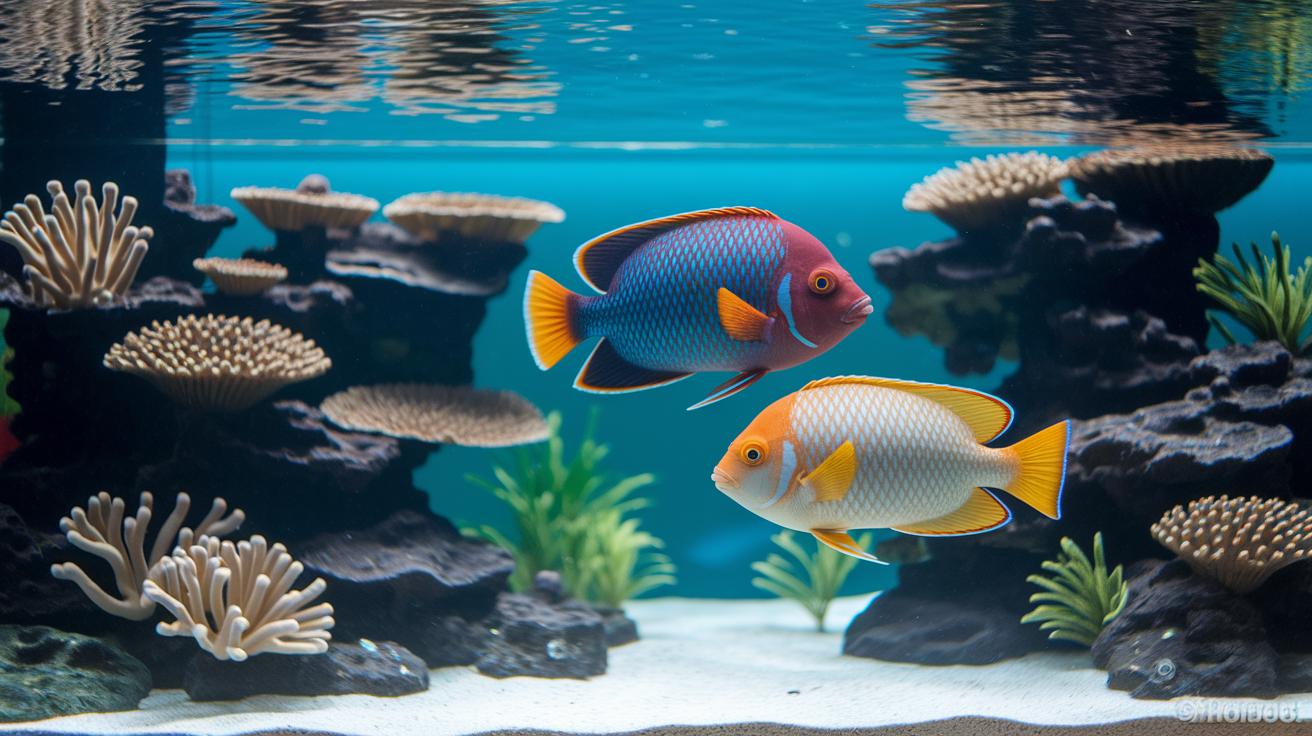
Bringing new fish into your reef tank is like introducing a new friend into a tight-knit community. It works best when you take your time and keep everything as gentle as a soft current. By easing the new fish in slowly, you help cut down on stress and avoid pesky illnesses like ick. Think of it as setting the stage for a lively, balanced underwater family.
-
First up, place your new fish in a separate tank for about two weeks. This quarantine period lets you check that they're healthy before they mix with your current friends.
-
Next, make sure the water in both tanks is on the same page. Matching pH, temperature, and salt levels is like setting the same water temperature for everyone, it keeps all the fish comfy.
-
Then, shake up the decor a bit. Rearranging rocks and plants breaks up old territories and invites the fish to explore new spots. It’s like offering a fresh play area for your little aquatic pals.
-
Try feeding everyone at the same time for a few minutes, twice a day. This shared mealtime helps keep food competition low and makes everyone feel part of the team, kind of like a group lunch where everyone brings something to the table.
-
Finally, slowly let the new fish join the reef group while keeping a close eye on them. If you spot any signs of stress or illness, you can jump in and help out right away.
Taking these clear, step-by-step actions not only welcomes new life into your tank but also creates a happier, healthier environment. Isn’t it amazing how a bit of careful planning can make your underwater world thrive?
Marine Aquarium Pairing Matrix: Tools for Custom Compatibility Charts
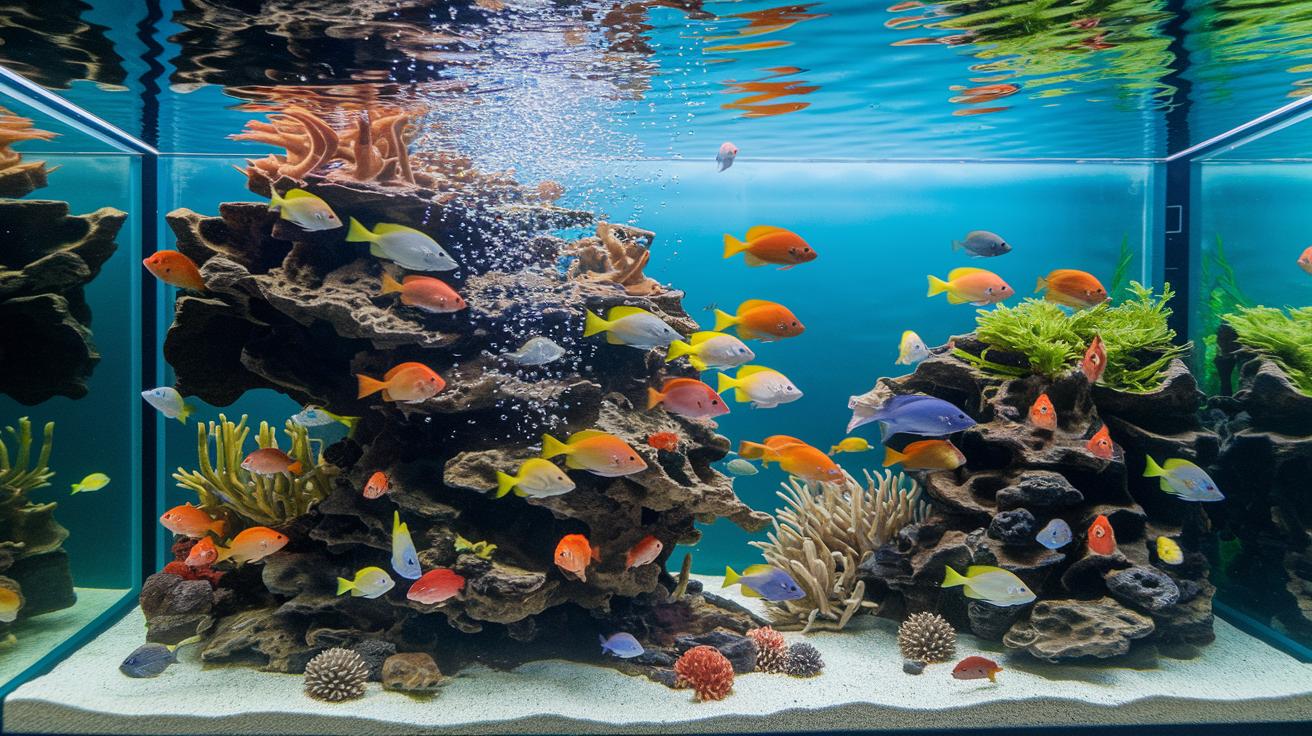
Marine aquarium pairing matrix systems help fish keepers assign scores to their fish by rating traits like aggression, size, and feeding needs on a scale from 0 to 10. Many hobbyists use spreadsheet templates or online calculators to build a personalized chart so every fish is measured the same way. Imagine a calculator that gently asks, "Enter a score of 2 for calm behavior." It makes the process as soothing as watching ripples dance on water.
Using these tools is as simple as gathering your fish's details and entering them into the system. You rate each fish on key features, then sit back while the calculator creates a compatibility report. It's a bit like reading a report card for your aquatic pals, showing which combinations will glide together in harmony and which might stir up a little trouble.
You can even fine-tune your chart by adjusting the importance of each trait according to your tank's unique vibe. For a smaller aquarium, you might give extra attention to size and aggression. This little tweak leads to smarter pairing decisions that help your underwater community flourish like a lively coral reef.
Aquarium Community Compatibility Planner: Troubleshooting Cohabitation Issues
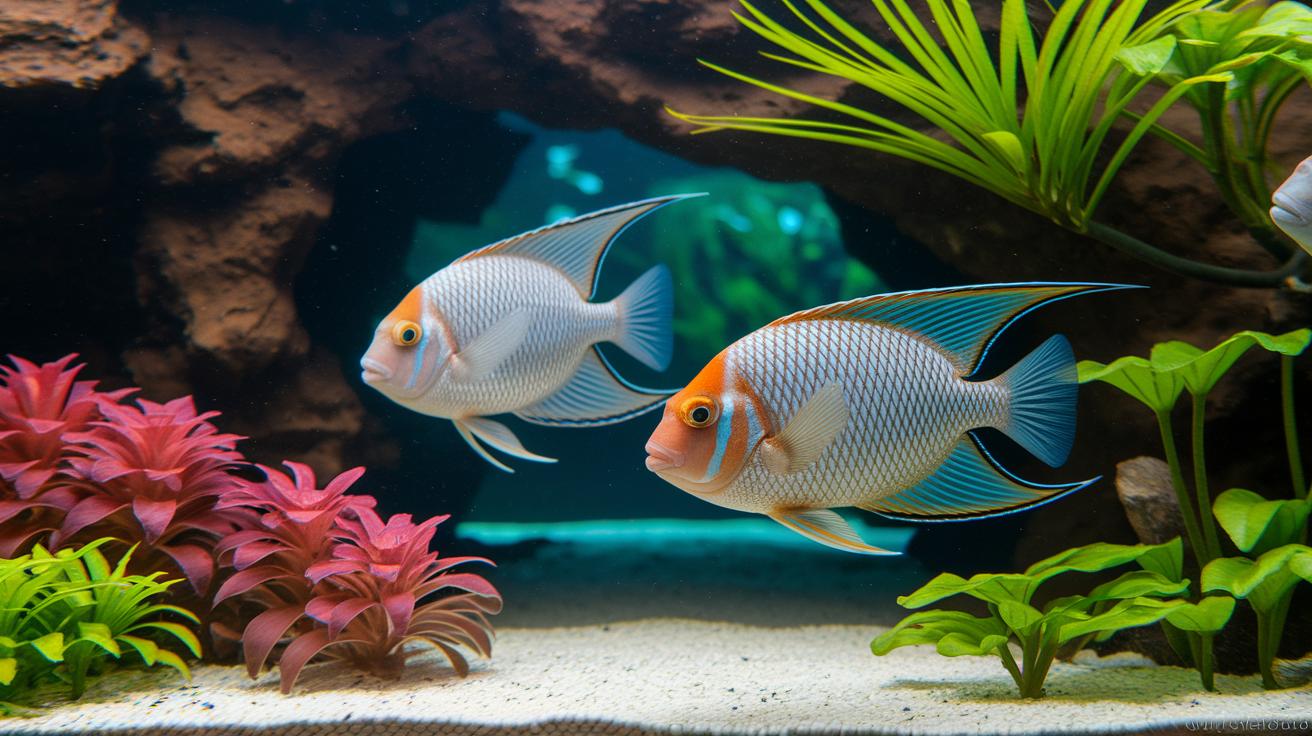
Keep an eye on your fish's behavior. If you see them chasing each other, nipping fins, or hiding away consistently, their space or routine might not be working well. Sometimes they even lose color slowly or swim in odd, jittery ways, clear signs that stress is swirling into their watery world.
Adjust your tank’s setup to calm the waters. Make sure your water is kept just right with a pH around 8.1 to 8.4 and salinity between 1.023 and 1.025. Adding extra hiding spots like caves or clusters of plants lets your fish slip away when things get too intense. Gently changing the light or rearranging decorations can also help ease territorial disputes without adding more stress.
If the tension still bubbles up, consider switching up your fish pairings. Have a look at your compatibility chart to see which species might blend better together. Sometimes, just moving an aggressive fish to a different part of the tank or swapping neighbors can restore that peaceful ripple in your aquarium.
Don’t forget that regular care is key. Check your water conditions often, stay alert for early signs of conflict, and review your fish groupings from time to time. These simple, consistent steps help reduce stress, lower the risk of disease, and keep your aquarium a serene, thriving little community.
Final Words
In the action, we explored ways to keep your tank running smoothly. We looked at how a reef fish compatibility chart can guide you in matching fish by size, temperament, and behavior. We also covered ideas for setting up an appealing underwater scene and shared smart steps for integrating new residents.
These tips help make your aquarium a calm, thriving space. With a reef fish compatibility chart as your guide, you’re all set for a healthier, happier aquatic environment. Enjoy crafting your underwater haven!
FAQ
What does a reef fish compatibility chart with pictures and PDFs show?
The reef fish compatibility chart provides visuals and downloadable formats to help you compare fish species, their temperaments, and sizes to decide which ones will peacefully coexist in your aquarium.
How does a saltwater fish compatibility calculator or chart work?
The saltwater fish compatibility calculator rates fish traits like aggression and size to guide you in choosing tank mates that will live together harmoniously in a reef aquarium.
Which fish should not be housed together and what aquarium fish get along?
The question of which fish cannot go together is answered by examining each species’ behavior and territory needs, while those with gentle temperaments, like certain clownfish and wrasses, tend to get along well.
What is known as the least aggressive reef fish?
The least aggressive reef fish are those with calm behavior and lower energy levels, making them great choices for a peaceful community tank setup.
How many fish can be kept in a 55-gallon saltwater tank?
The number of fish for a 55-gallon tank depends on each fish’s size and temperament, often allowing a mix of 8 to 15 smaller, compatible species without overcrowding.
Where can I buy saltwater fish and find options for reef aquariums?
Saltwater fish for sale are available through trusted aquarium retailers and online shops that specialize in healthy, reef-compatible species to suit your tank’s needs.
How do marine angelfishes, wrasses, and clownfish differ in terms of compatibility?
Marine angelfishes, wrasses, and clownfish vary in behavior and size; some may be more territorial, so it’s key to match them with species that share similar care requirements for a balanced tank.
Are reef fish compatibility charts applicable to freshwater fish?
Reef fish compatibility charts focus solely on saltwater species, so freshwater fish require separate guidelines that address their unique care, water conditions, and social behaviors.