

Ever wondered if your reef fish are truly thriving in your tank? Even the tiniest change in water balance can leave your aquatic pals feeling a bit off, like a gentle ripple that turns into a surprise wave.
When you get the temperature, salt levels, and safe chemicals just right, it feels like creating a cozy current that lets your fish glide happily. Keeping these numbers in check is like making sure every little bubble in your tank is in tune with nature.
This simple care not only makes your reef fish healthier and happier, but it also turns your entire marine home into a peaceful underwater oasis. Isn't it cool how a balanced tank can feel as calming as watching sunlight dance on water?
Core Optimal Water Parameters for Reef Fish
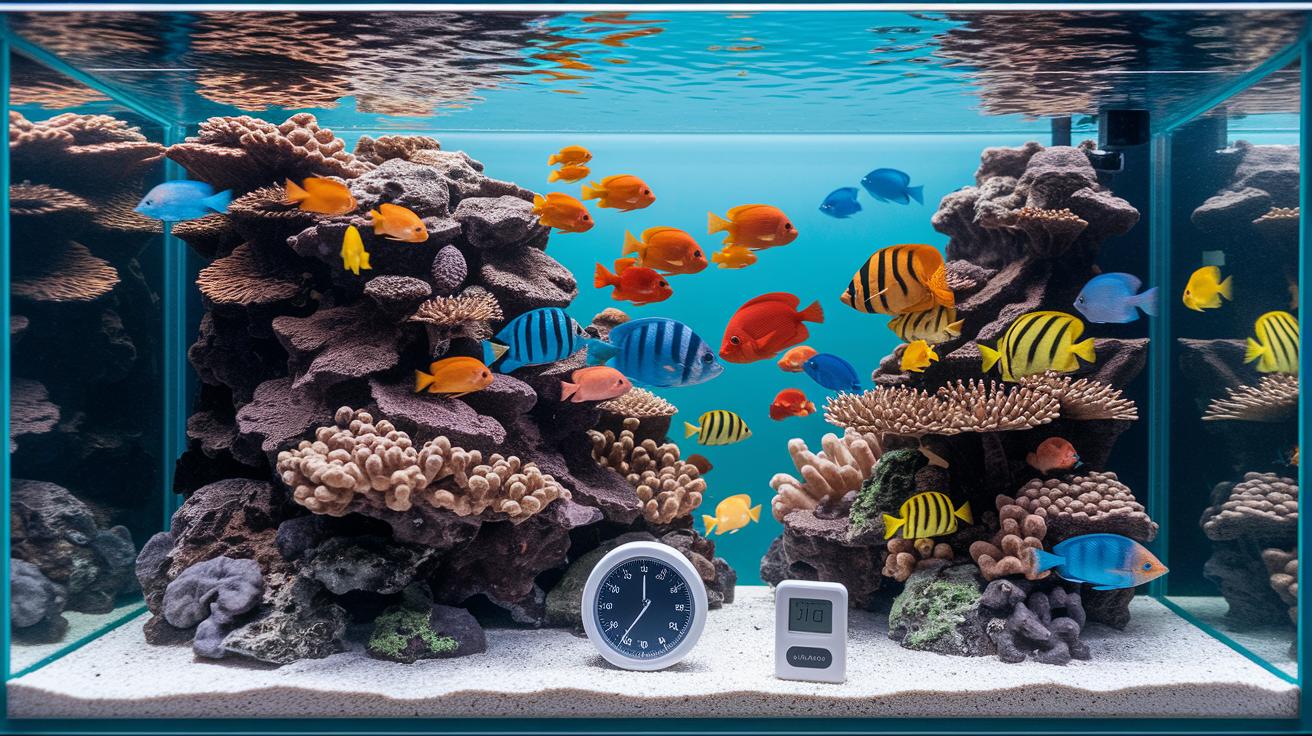
Keeping your reef fish happy starts with clean water, just like a gentle current keeps fish swimming smoothly. A balanced tank helps fish digest food, supports the growth of corals, and stops harmful chemical spikes that could stress your aquatic friends. Regular checks and simple tests help us catch any issues early, much like listening to the little bubbles that show our tank’s health.
Did you know that before she became famous, Marie Curie used to carry test tubes of radioactive material in her pockets – unaware of the dangers ahead? It might sound odd for aquarium care, but it reminds us that careful monitoring is important in every science, even in our colorful reef tanks.
| Parameter | Ideal Range | Impact on Reef Fish |
|---|---|---|
| Temperature | 76 – 80 °F (24 – 27 °C) | Keeps fish metabolism steady and lowers stress |
| Salinity | 34 – 36 ppt (best at 35 ppt) | Helps fish maintain proper body balance |
| Nitrate | Below 25 ppm | Stops harmful compounds from building up |
| Nitrite | 0 ppm | Keeps your marine life safe from toxins |
| Ammonia | Minimal levels | Prevents spikes from decaying matter that can hurt your fish |
Sticking to these guidelines is key before exploring each water parameter more deeply. Regular checks and careful tweaks of temperature, salinity, nitrate, nitrite, and ammonia make sure your tank stays calm and balanced. Keeping these numbers in check not only helps your reef fish thrive but also lays a steady foundation for a healthy, vibrant marine ecosystem.
Optimal Temperature & Salinity Ranges for Reef Fish
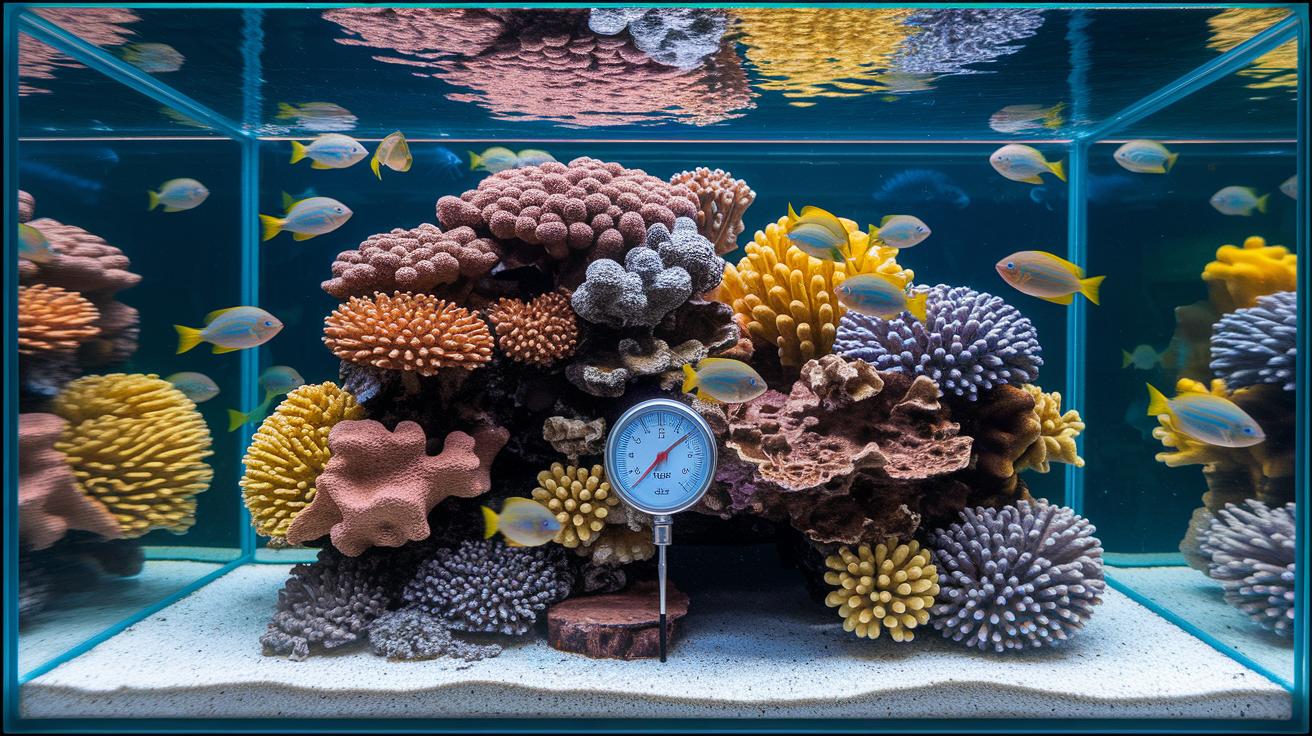
Keeping your reef tank healthy is like watching a gentle stream flow, it needs steady temperature and salinity. These factors help your fish stay active and give your coral a strong home.
Even small changes in water can affect your fish, making their bodies work harder to stay balanced. When the water cools down, fish digest their food more slowly. And when it warms up too much, they can get stressed and even sick.
- When the water drops in temperature, fish metabolism slows, which can delay digestion.
- When it gets too warm, fish can feel stressed and become more prone to illnesses.
- If the salinity is too low, it can upset the way fish manage their internal balance.
- Too much salt stresses both fish and coral, pushing them out of their comfort zone.
Using good equipment is key, just like having the right net for your favorite fishing spot. A reliable heater keeps your water around 76–80 °F, while a solid chiller takes care of those hot days. And a trusty refractometer makes sure your salt levels stick close to 35 ppt.
pH & Alkalinity Balance within Optimal Water Parameters for Reef Fish
Keeping your reef tank's pH in check is super important because it tells you how acidic or basic the water is. When you get this balance right, your fish feel less stressed and your underwater buddies have a calm, healthy place to call home. A steady pH helps your fish swim peacefully and gives your corals the best chance to build strong, beautiful skeletons.
Understanding pH in Marine Tanks
In most marine tanks, you'll notice the water leans a bit toward the alkaline side. This slight lean creates a safe space for many reef species to grow and explore. Testing your tank with a good pH kit is key. It’s like checking the temperature of your favorite pond before a swim. For easy, step-by-step advice on testing your pH, check out this guide: what is the ph of water.
Role of Alkalinity (KH)
Alkalinity, known by its letters KH, measures the bicarbonate in your water. Think of it as nature’s way of gently holding your pH steady so that it doesn’t swing wildly. This steady KH not only creates a calm water chemistry but also helps your corals form sturdy skeletons. It’s a crucial part of keeping your tank environment balanced and healthy.
| Step | Action |
|---|---|
| 1 | Test your water every week using a trusty pH/KH kit. |
| 2 | Slowly adjust pH and KH with the right supplements. |
| 3 | Keep a record of your readings to spot any changes. |
Nitrogen Cycle Control in Optimal Water Parameters for Reef Fish
When caring for reef fish, keeping nitrogen compounds in check is as important as making sure your aquarium feels like a calm little pond. Ammonia comes from things like rotting food and old plants, and it builds up quickly, stressing out your fish. Shortly after, nitrite forms, which is just as risky. And even though nitrate isn’t as harmful, you still want it kept low to protect your aquatic friends. Regular testing and steady care help keep your tank balanced so every creature can thrive.
- Ammonia: Almost none, ideally around zero
- Nitrite: 0 ppm
- Nitrate: Under 25 ppm
| Compound | Toxicity Level | Control Methods |
|---|---|---|
| Ammonia | Highly toxic | Biological filtration, routine water changes |
| Nitrite | Extremely toxic | Efficient bio-filtration, prompt water treatments |
| Nitrate | Moderately toxic | Regular water changes, careful chemical dosing |
Beneficial bacteria are the unsung heroes that make your life easier. They work behind the scenes to turn dangerous ammonia into nitrite and then into nitrate. It’s like having a little cleaning crew that keeps the water safe for your tank’s residents. Regular water tests and a strong biological filter help these busy microbes keep your nitrogen levels in check, ensuring your reef aquarium stays a vibrant, secure home for all your fish.
Mineral & Trace Element Management for Reef Fish
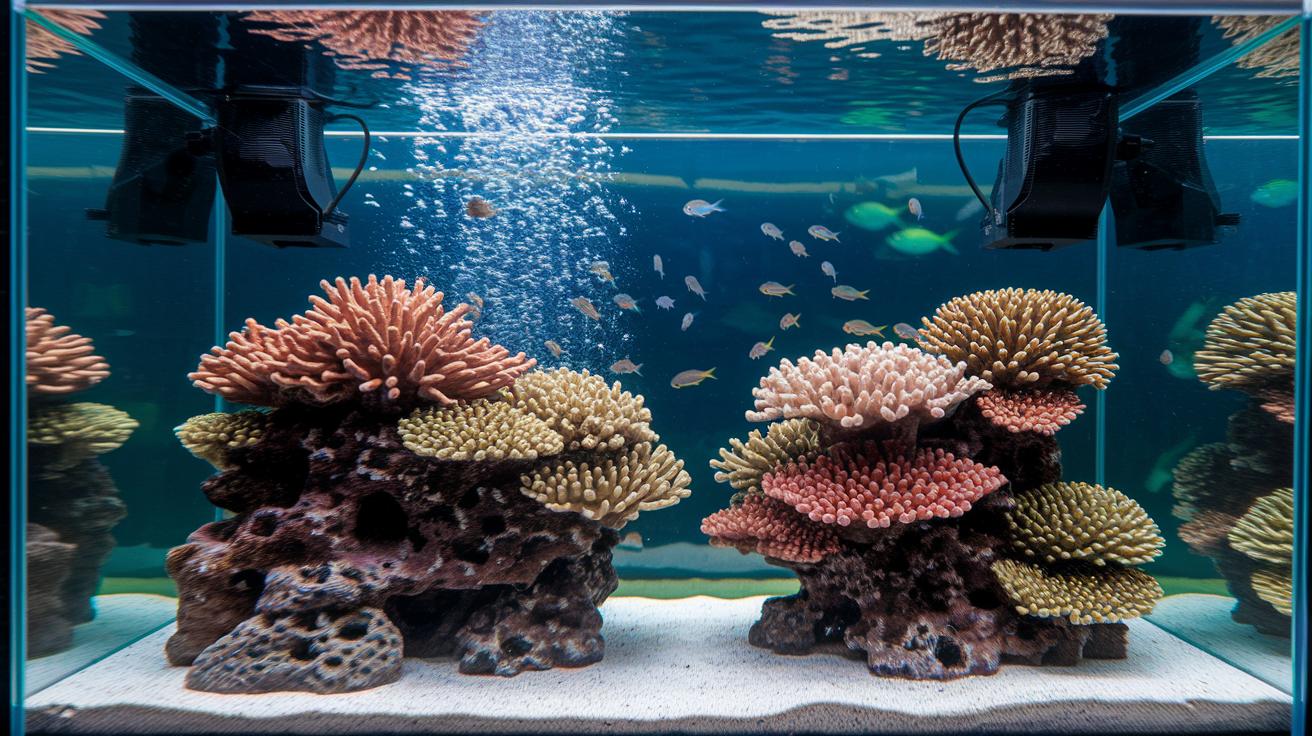
Calcium, magnesium, and a few trace elements work like a team to create a calm, balanced underwater home. Calcium is like the builder for coral skeletons, keeping them strong and steady, while magnesium helps make the process smooth and supports many bodily functions. Even tiny amounts of trace elements are key for keeping reef fish healthy and their bodies running nicely. When these minerals are in harmony, both fish and corals can thrive without any stress.
Calcium Requirements
For coral growth, you can add a liquid supplement or use tools like a calcium reactor. This helps keep the calcium levels just right, almost like maintaining a gentle current in your tank. Sticking to a regular dosing routine makes sure every part of your vibrant reef gets the support it needs.
Magnesium & Trace Minerals
Magnesium is essential for helping your tank's cells work well and for building up strong coral structures. A careful addition of trace elements helps boost healthy tissues and keep energy flowing in your underwater world.
- Test your water every week with a marine test kit.
- Add calcium and magnesium following the suggested schedule.
- Watch the mineral levels and tweak the doses as needed.
Monitoring & Maintenance of Optimal Water Parameters for Reef Fish
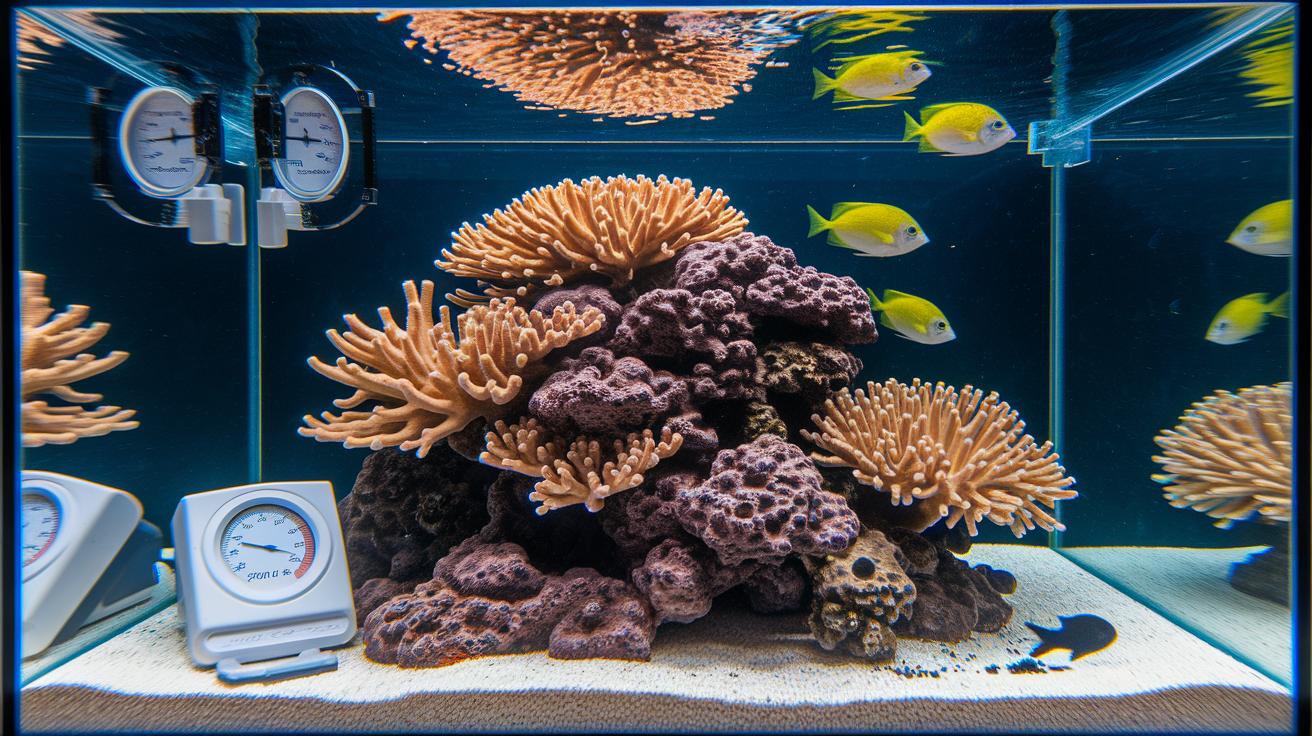
Testing your water each week is really important to keep your reef tank healthy. When you keep an eye on things regularly, you can notice if the temperature, salinity, pH, alkalinity, or other water elements start to drift before your fish feel stressed. It’s like catching a small ripple before it becomes a big wave. With the right test kits, you can quickly spot any issues and fix them on the spot.
Having your essential gear nearby makes checking your tank a breeze. A trusty thermometer, refractometer, and pH/alkalinity test kits are just as important as your regular checklist. They help keep your underwater world calm and safe, giving you that extra peace of mind.
| Parameter | Description |
|---|---|
| Temperature | 76 – 80 °F (24 – 27 °C) to keep fish metabolism steady |
| Salinity | 34 – 36 ppt, ideally around 35 ppt, for proper osmoregulation |
| pH | A balanced level to support low stress and overall stability |
| Alkalinity (KH) | Enough bicarbonate levels to buffer pH changes |
| Nitrogen Compounds | Minimal ammonia, 0 ppm nitrite, and nitrate below 25 ppm to avoid toxic buildup |
| Calcium and Magnesium | Regular checks to support coral growth and important processes |
Keeping a log of all your tests is a smart habit that lets you track gradual changes over time. Whether you jot things down in a notebook or use a digital checklist, recording each reading helps you catch any drifting numbers early. This practice ensures your reef remains stable and your fish stay happy in their little aquatic world.
Final Words
In the action, we explored keeping water stable with the right temperature, salinity, pH, and nitrogen balance. We talked about balancing essential minerals and monitoring every change like a careful dance beneath the surface. Every tip, from testing to dosing, adds up to a healthier aquatic space. Keeping these steps in play helps create a charming underwater environment while maintaining optimal water parameters for reef fish. It all adds up to a bright and balanced aquatic world.
FAQ
Q: What should my water parameters be for a reef tank?
A: The water parameters for a healthy reef tank should include a temperature between 76–80°F, salinity at 34–36 ppt, nitrate levels kept below 25 ppm, strict zero nitrite, and minimal ammonia levels.
Q: Is 1.030 salinity too high?
A: The reading of 1.030 salinity is higher than ideal for a reef tank. Reef setups typically perform best with a salinity corresponding to 34–36 ppt, promoting a balanced aquatic habitat.
Q: What are the ideal parameters for a reef tank LPS?
A: The parameters ideal for a reef tank hosting LPS corals mirror standard reef setups. Keep temperature at 76–80°F, salinity around 34–36 ppt, with nitrate levels low, nitrite at 0 ppm, and stable pH to support coral growth.
Q: What should the ppm be for saltwater fish?
A: The key ppm for saltwater fish centers on nitrogen compounds. It’s best to maintain nitrate levels below 25 ppm while ensuring nitrite and ammonia remain at 0 ppm to keep fish healthy.
Q: What saltwater KH level should I maintain in my reef tank?
A: The saltwater KH level plays a vital role in pH stability. Reef tanks usually benefit from maintaining KH around 8–12 dKH, which helps buffer acids and keep a stable environment for marine life.