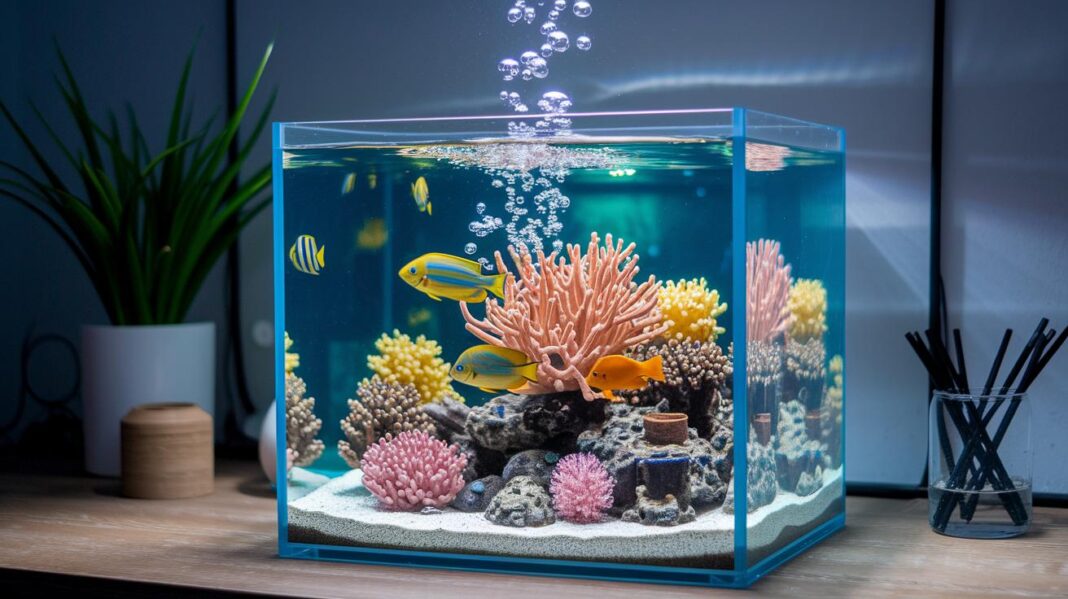

Ever worry that a new reef fish might seem healthy but could stir up trouble in your tank? Setting up a quarantine tank is like giving your fish a little waiting room where you can check for any signs of illness before they join the main group.
This simple step can be a lifesaver for your aquatic family. In this guide, I'll walk you through easy, step-by-step tips to keep your reef fish healthy and your tank thriving, just like the gentle, clear ripple of water on a sunny day.
Reef Fish Quarantine Essentials: Step-by-Step Process
When you bring new fish home, they need to hang out in their own little tank, away from your main display. Think of this quarantine tank as a safe harbor where your new friends can settle in, with a chance for you to keep an eye on them and treat any little issues before they join the rest of your aquatic family.
Start by putting your new fish into a tank just for them, complete with its own gear. It helps a lot if you use nets, siphons, and buckets that have been freshly disinfected for each tank so germs don’t hitch a ride. Keep things simple: observe your fish closely and try easy treatments to keep diseases like ich, marine velvet, and flukes at bay. For gentle species that rarely pass on infections, just keeping a close watch while maintaining good water conditions might be enough.
Here’s a step-by-step guide for your quarantine setup:
- Place your new fish in their own quarantine tank that has a separate filtration system.
- Use special tools, like nets, siphons, and buckets, that are only for the quarantine tank.
- Watch your fish twice a day for any odd behavior or signs of trouble.
- Start with simple treatments if you spot even a small sign of a disease.
- Instead of relying only on nature’s cleaners like cleaner wrasses, neon gobies, or cleaner shrimp, make sure you keep an eye on things.
- Keep the water conditions stable in the quarantine tank, matching them to your main tank so the fish feel at ease.
By spending some time observing and using simple treatments, you create a safe space that helps stop any unwanted germs from spreading into your main tank. This step-by-step coastal isolation method lets you manage any risks while making sure all your reef fish can enjoy a healthy, happy home.
Quarantine Tank Setup for Reef Fish Isolation

Getting your quarantine tank ready ahead of time is like laying the foundation for a happy underwater home. When you set it up at least two weeks in advance, you give those helpful microbes a chance to grow and form a sort of natural carpet. This "bacterial bed" helps keep dangerous ammonia spikes at bay so your new reef fish won’t feel stressed. Using live rock rubble or pre-seeded filter media kickstarts this natural process right away. If you're curious about how these tiny helpers work, there’s lots of friendly info out there on beneficial microbes and their role in aquarium life.
Here’s a simple list of what you’ll need:
By gathering this essential gear, you’re setting up a safe and efficient quarantine system. Don’t forget to match the salinity and temperature in your quarantine tank with what’s in your main display. That way, when your fish makes the big move, they’ll feel right at home.
Reef Fish Pre-Quarantine Dips and Hyposalinity Procedures
When getting ready to welcome a new reef fish, start with a gentle freshwater dip using RO/DI water warmed to match your tank’s temperature. Let the fish swim in this calm bath for about 2½ to 3 minutes. While they’re soaking, use a turkey baster to softly direct water over them. This helps nudge off any stubborn parasites. I remember one time, a little burst from the baster worked wonders, much like a light drizzle clearing the morning dew off leaves.
Right after the freshwater dip, move on to the hyposalinity step. Mix equal parts of your tank water and fresh water to make a 50:50 solution. Place the fish in this mix for 5 minutes. This gentle change helps reduce the saltiness just enough to encourage the parasites to let go. If you notice any skin flukes, mark those fish so you can give them extra care later in quarantine.
These two steps are like the first ripple that washes away unwanted hitchhikers. Keeping the water’s temperature and salt levels similar to what the fish are used to helps reduce stress. By using this careful approach and keeping an eye on your fish, you create a safe, healthy space for them as they get ready to settle into their new home.
Monitoring Water Quality During Reef Fish Quarantine
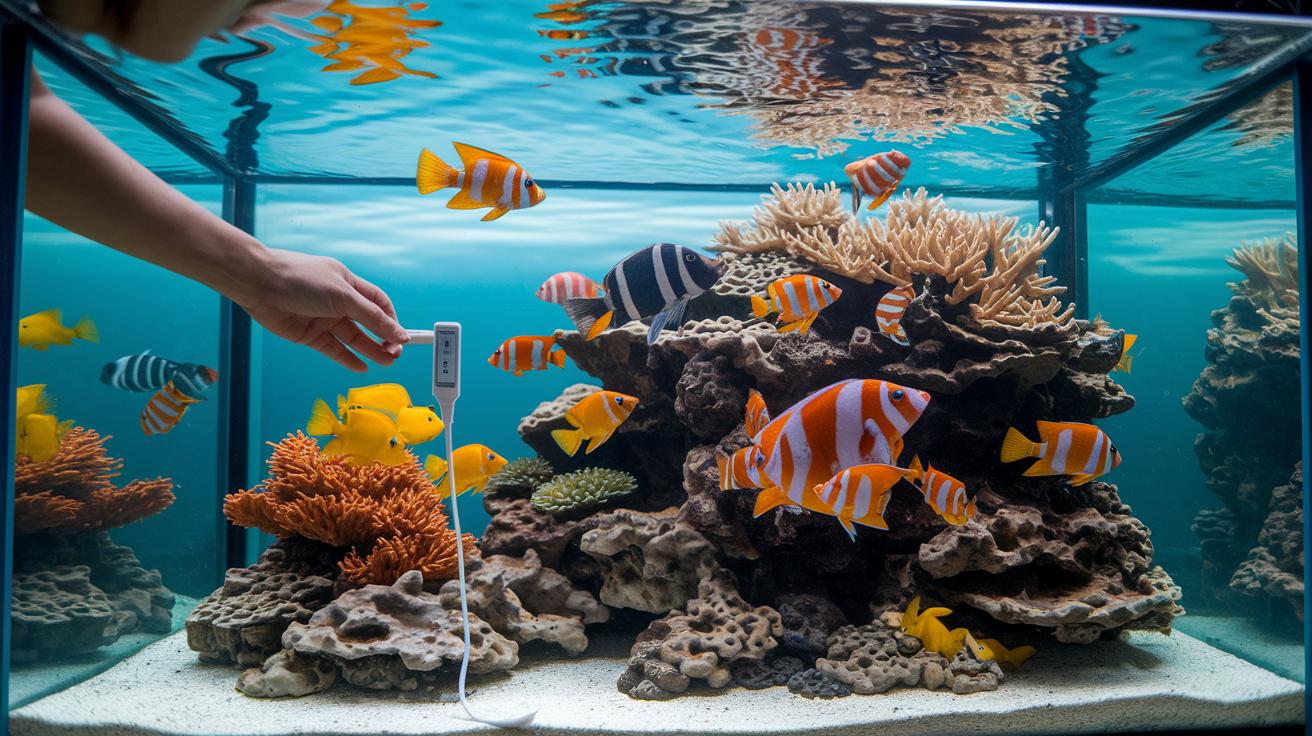
Keeping a close eye on your water is like watching over a peaceful pond, it makes sure your reef fish feel safe and relaxed during quarantine. Every day, take a moment to test the water. Check the temperature, salinity, pH, ammonia, nitrite, and nitrate levels. I like to jot down these numbers in a little log along with any changes I notice in my fish’s behavior. If your fish start moving their gills quickly or hold their fins tight, that might mean they’re feeling stressed, and it could be time to adjust your settings or treatment.
It’s also a good idea to take a peek at your fish twice daily. Look for any odd signs, like a drop in color or a reluctance to eat. I’ve found that pairing these observations with your water tests helps catch issues early. And if you ever spot sudden changes or signs of stress, there are handy guides on troubleshooting common aquarium problems that can help out.
Here are the ideal water ranges to aim for:
- Temperature: 75–80 °F
- Salinity: 1.023–1.025 SG
- pH: 8.1–8.4
- Ammonia: 0 ppm
- Nitrite: 0 ppm
- Nitrate: less than 20 ppm
Sticking to these targets and keeping a close watch on your fish creates a steady, healthy quarantine space. With daily tests and a simple log to track everything, you can adjust conditions as needed and help your reef fish feel right at home during their stay.
Medication Protocols for Quarantined Reef Fish
When you're looking after reef fish in quarantine, sticking to the right dosing schedule is absolutely key. For common issues like ich and marine velvet, use chelated copper, think Copper Power, in a range of 1.75 to 2.00 ppm and keep it active for 10 to 14 days. During this time, take out the activated carbon and switch off the protein skimmers so the copper can work freely, just like following a trusted recipe where every drop counts!
If you notice flukes on your fish, it’s time to switch gears. Use PraziPro for these external parasites at about 1 oz for every 120 gallons of water, and be sure to follow the label directions to keep things safe and effective. This step-by-step method not only helps stop diseases but also aids your fish in regaining their strength, reducing the risk of any unwanted infections moving to your main tank.
By keeping to these simple yet precise treatment steps, you're making sure your aquatic pals get the best care possible and helping your reef treasures thrive in quarantine.
Recommended Quarantine Duration for Reef Fish Introductions
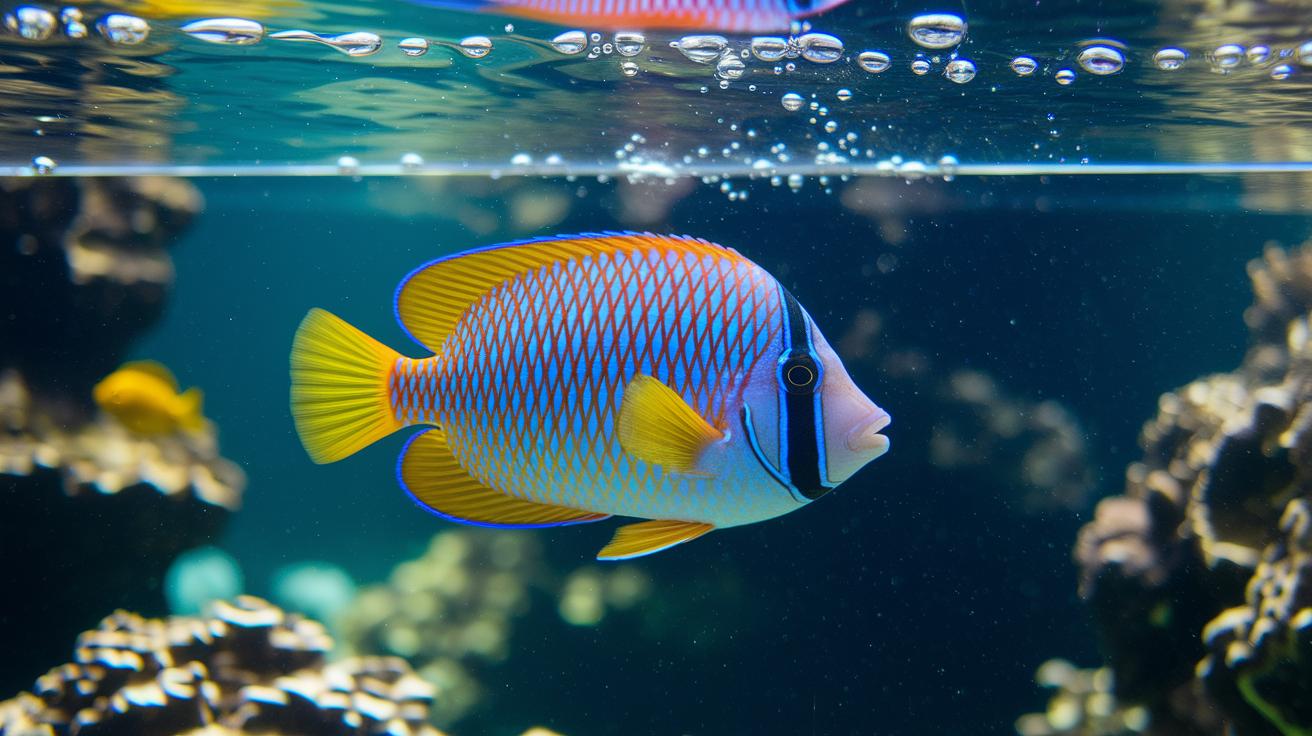
When getting new reef fish, it's important to set up a quarantine schedule to make sure your little friends are healthy before joining the main tank. Most people keep their fish in quarantine for at least 4 weeks, and some even go for 6 weeks to be extra safe. After any treatment, let the fish swim freely for another 2 weeks with no signs of illness. I always find it helpful to check on their eating habits, behavior, and water quality every week, it's like watching the gentle ripple of water to spot any tiny change early on.
Below is a simple breakdown of the quarantine process:
| Stage | Duration | Key Activities |
|---|---|---|
| Acclimation | 1-2 weeks | Getting comfy in new water, doing initial dips |
| Treatment | 2-4 weeks | Administering meds and keeping an eye on health |
| Observation | 2+ weeks (no symptoms) | Noting behavior, appetite, and water quality |
Sticking to this plan and keeping clear notes will help ensure that when your reef fish finally join the display tank, they're as healthy and vibrant as a lively coral reef.
Acclimation After Reef Fish Quarantine
When you’re ready to move your reef fish out of quarantine, easing them into their new home is really important to keep stress low. Start with a drip acclimation that lasts about 60 to 90 minutes so your fish can slowly get used to the new tank’s temperature and salt levels. Set up some airline tubing with a valve to let about 2 to 4 drops fall each second, just like a gentle tide coming in.
During this time, be extra gentle. Use a soft net or a careful bag to move the fish from their quarantine tank, keeping handling to a minimum so they stay calm. These small extra steps make their transition smooth and help the new aquarium feel warm and welcoming.
By following these steps, you ensure your reef fish go from quarantine to their new display tank seamlessly, supporting their health and happiness. Taking a little extra time now means creating a peaceful new home for your aquatic friend.
Final Words
In the action, we've covered the essentials of setting up and maintaining a safe environment for reef fish. This guide shared the basics, from preparing a quarantine tank with the right gear to monitoring water quality and properly treating new arrivals. We also touched on methods for acclimating fish post-quarantine. All these steps offer clear insights into how to quarantine reef fish, helping you create a healthy and balanced aquatic habitat. Enjoy the process and watch your underwater world thrive!
FAQ
How do I quarantine reef fish at home and for beginners?
The quarantine protocol for reef fish starts by separating new arrivals in a dedicated tank. This method uses clean equipment and daily observations to spot any health issues before introducing fish to your main display.
What is the best method to quarantine reef fish?
The best method to quarantine reef fish involves using a dedicated setup where fish remain isolated for at least four weeks. During this time, perform daily checks and use simple treatments to reduce disease risk.
How long should I quarantine fish?
The quarantine period should last at least four weeks, often extending to six weeks. This duration allows you to watch fish closely for any stress or illness after treatments or acclimation.
What medications are used to quarantine fish?
Quarantine medications often include copper-based treatments for ich and marine velvet, along with PraziPro for addressing skin flukes. These treatments are administered at set dosages following product instructions.
How do I quarantine fish without a proper tank?
Quarantining without a proper tank, such as using just a bowl, is not recommended. A dedicated 20–30 gallon tank with proper filtration and heating offers a safe space to monitor and care for new fish.
How is coral quarantine handled for reef specimens?
Coral quarantine follows similar steps as fish isolation. New specimens are placed in a separate, controlled environment, with gentle handling and routine checks to spot any signs of stress.
How do I quarantine saltwater fish for sale?
When quarantining saltwater fish for sale, set them in a dedicated isolation tank equipped with proper gear. Daily observations help maintain a healthy batch before they reach buyers.