

Ever notice how some saltwater reef fish seem to glow with life while others just don’t catch the wave? It might seem like caring for them is hard at first, but a few clever tweaks can really change the current.
In this chat, I’m sharing five simple tips to help your reef fish thrive. We’ll dive into setting up water that feels as soothing as a slow ocean tide and practical ways to keep your tank balanced and your fish feeling happy.
With these easy shifts, you can create a little ocean right at home, one where your fish can swim freely and shine like the calm, clear water under a sunny sky.
Essential Water Parameters for Reef Fish Care
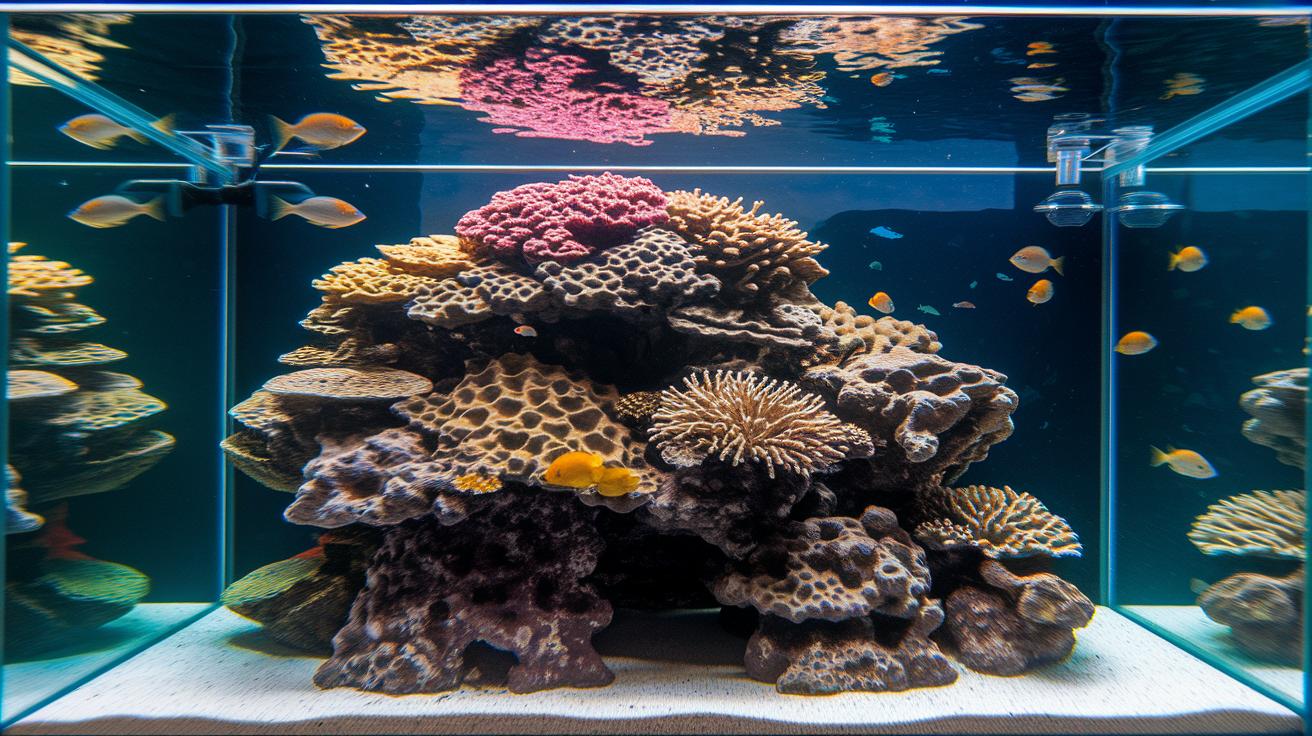
Taking care of your reef fish starts with setting up the perfect water conditions. It’s all about mimicking the calm, steady vibe of the ocean. For example, keeping your tank’s temperature between 75°F and 80°F (24°C to 27°C) is like letting a gentle current wash over everything, keeping fish relaxed and happy. You should also aim for a salinity of 1.024 to 1.026 so that every marine visitor feels right at home. And a pH between 8.1 and 8.4 helps maintain the natural balance that supports your fish’s everyday needs. Even small shifts in these numbers can upset the harmony, much like a missed beat in your favorite song.
Equally important is keeping the water free of harmful toxins. Regularly checking levels of ammonia, nitrite, and nitrate, along with doing about a 20% water change each week, keeps the water fresh and balanced. Think of it as tuning a delicate instrument; if one note falls out of line, the whole melody of your aquarium can suffer. Plus, controlling nitrates helps prevent algae from taking over, creating a cleaner, safer space for your fish. By keeping a close watch on these key water parameters, you’re laying the groundwork for a vibrant, thriving mini-ocean in your home.
Setting Up and Cycling Your Saltwater Reef Aquarium
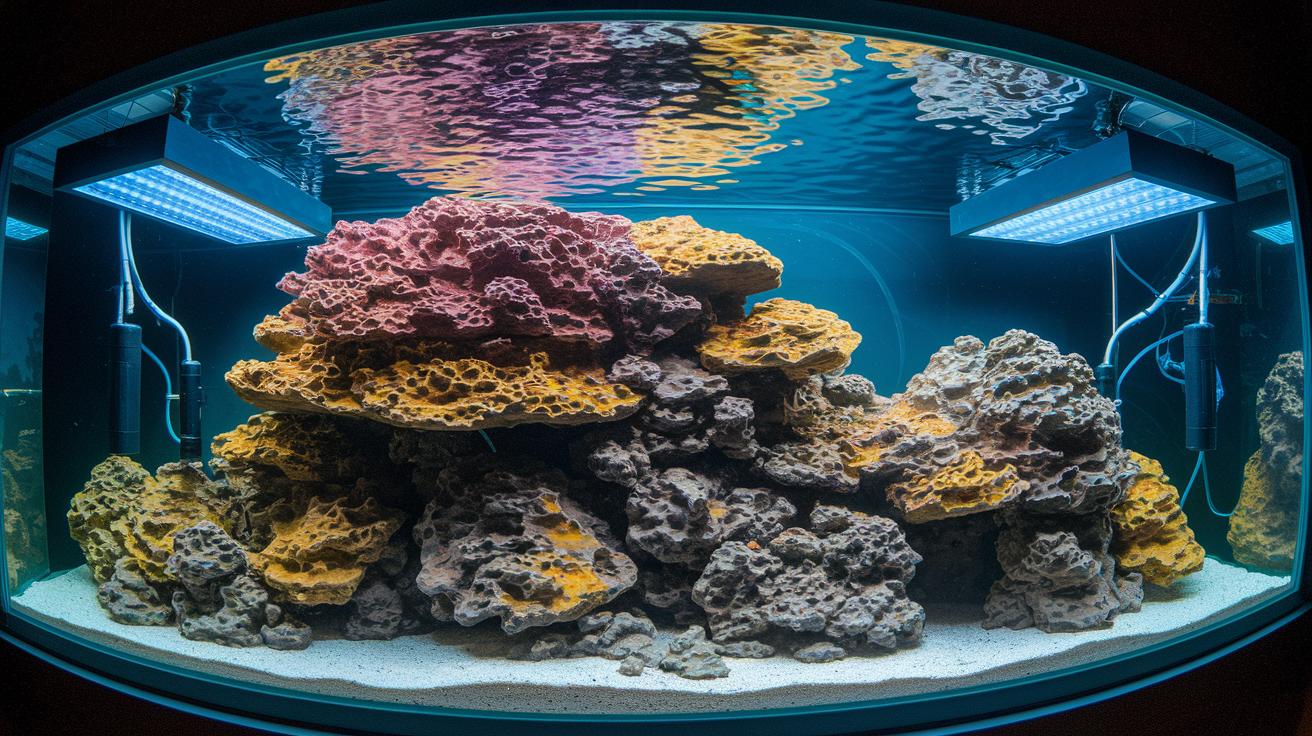
Getting your reef tank ready is like preparing a little ocean where your fish can flourish. Begin by choosing the right tank size, say, a 120-gallon mixed reef, as the first step. Make sure you place your gear, like filters and pumps, in spots that won't get in the way when you clean. This setup helps water flow smoothly all around, giving every nook that fresh, clear current we all love.
Next, invite some live rock into your tank. Live rock is more than just a pretty decoration, it’s home for the friendly bacteria that break down waste. Plus, it creates cozy hideaways for your future reef fish, almost like secret caves in an underwater wonderland.
Then comes mixing the salt. Use a trusted salt mix and dissolve it completely in a separate container before adding it to your tank. This careful method avoids sudden changes in water chemistry, making sure your mini-ocean stays calm and balanced.
After that, set up your temperature control. Installing two heaters along with a good temperature controller (usually around $30 to $60) will keep the water at just the right warmth, keeping your aquatic friends relaxed and happy.
Finally, test your water during the cycling phase. Check for ammonia and nitrites twice a week to monitor how your tank is settling in. These little tests are like taking the pulse of your underwater world before letting your fish join the delightful dance of their new home.
Filtration and Water Circulation Essentials for Reef Fish Tanks

Having clean water in your reef tank is a lot like having a lively, healthy river running through your underwater world. High-quality filtration is the key to keeping the water clear so your fish can enjoy a fresh, safe home. Using trusted methods helps remove waste, debris, and toxins so your marine friends stay happy and healthy. A protein skimmer, which catches waste before it builds up, is crucial to this setup. Regular care of your skimmer keeps harmful compounds at bay, much like a steady current smoothing out rough waters. Good filters with proven media act as a shield, protecting your delicate reef life from unwanted impurities.
But clear water isn’t enough on its own. Getting water moving right is just as important. Modern pumps, like DC pumps and wavemakers, create a gentle, even flow that reaches every nook and cranny of your tank. This flow increases oxygen levels, which makes your fish appear even more vibrant. Taking time to check and clean these pumps means fewer surprises, and your system will run just like a well-orchestrated aquarium dance. Some hobbyists also add a UV sterilizer to trim down pesky pathogens, while tidy Velcro cable ties help keep power cords secure. Ever notice how a smoothly running tank can add a touch of magic to your day?
Feeding Strategies and Nutritional Advice for Reef Fish
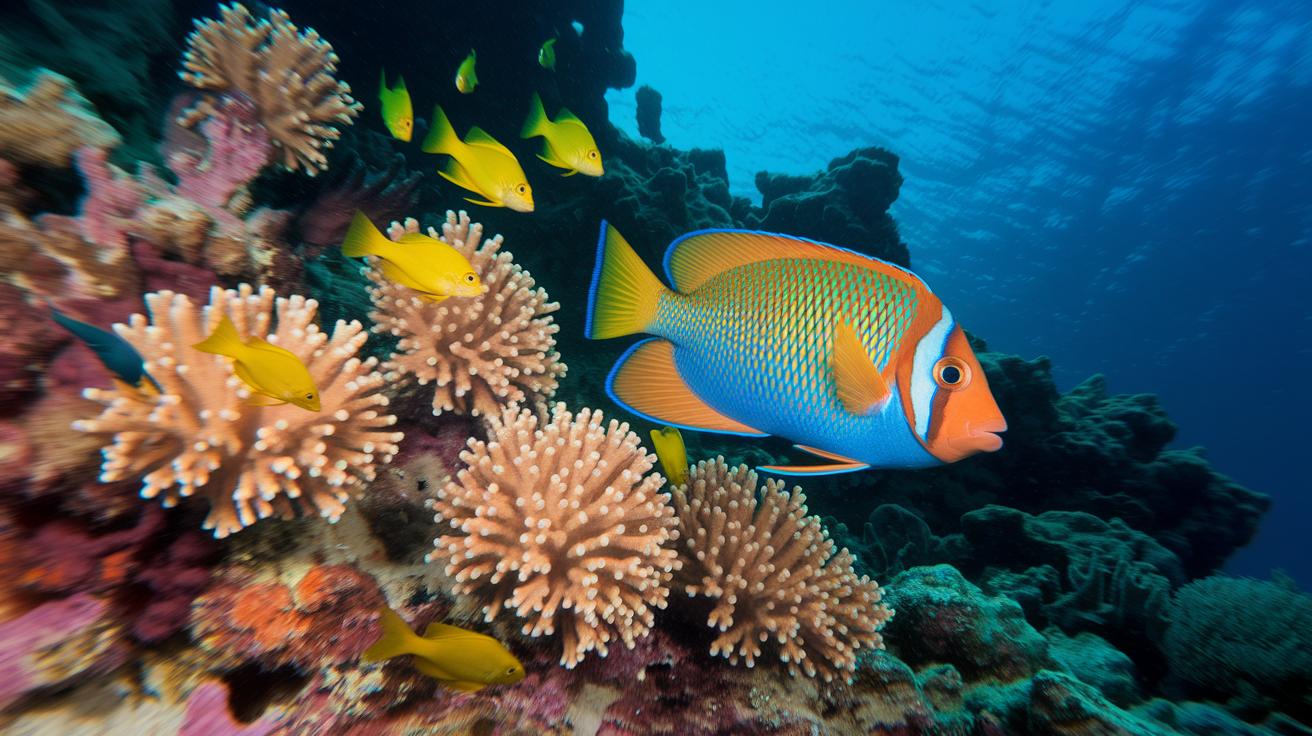
Taking care of reef fish starts with matching their meals to their natural habits. Frozen foods are a hit because they pack more protein and help keep the tank clean. For instance, clowns, neon gobies, and firefish do best when you feed them about 1–2% of their weight every day. Splitting this into 2 or 3 smaller servings is like offering a few tasty nibbles throughout the day instead of one giant meal. This approach gives your fish the steady energy they need while keeping the water clear.
Every reef fish has its own appetite and needs a mix that works just right. Take the pajama cardinalfish, they thrive on brine shrimp and mysis and gradually learn to enjoy dry foods, much like how you’d slowly introduce a new snack to a friend. A little plankton supplement or a boost of reef vitamins here and there is like adding a splash of extra benefit, making sure each fish gets just the right nutrition.
I love seeing how these small changes can brighten up your mini-ocean. When your fish enjoy their balanced meals and extra vitamins, it’s like watching the gentle ripple of water on smooth stones. Have you ever noticed how calming it is to simply watch your fish dart around happily? It’s a reminder that even small tweaks can make a big difference in your underwater world.
Selecting Compatible Species and Quarantine Protocols for Reef Fish
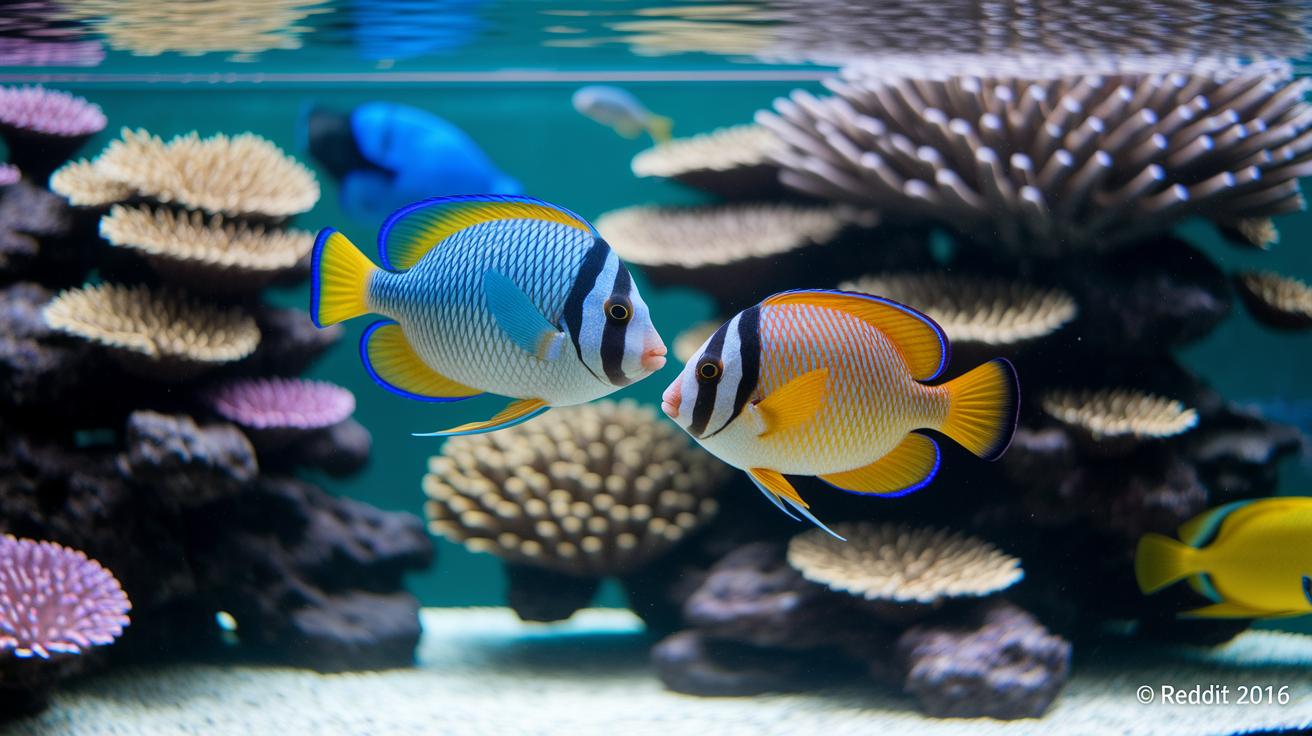
When you're picking out new reef fish, it’s best to start by checking if they’ll get along well. Think of it like matching friends based on how they act and the space they need. For example, ocellaris clownfish are happy in a 10-gallon tank, but blue green chromis do best in groups of three to five in a 30-gallon setup. Firefish tend to leap around, so they need a secure lid, and sixline wrasse might be a bit feisty when new buddies join the tank. Always keep an eye on which fish are safe around your corals. Like bicolor blennies, they’re generally reef-safe but might nip at large corals if they aren’t getting enough to eat.
Here are five friendly tips to keep your underwater world calm and balanced:
- Check each fish’s temperament and the group size it prefers. It helps to pair gentle fish that enjoy a similar amount of space.
- Create cozy zones in your tank. For instance, a royal gramma feels right at home in a 30-gallon tank, and pajama cardinalfish love hanging out in schools while keeping to their nocturnal ways.
- Remember that every fish is unique. Neon gobies do their best when kept alone, and watchman gobies thrive with a sandy bottom.
- Be careful not to overstock your tank. Too many fish can lead to crowding and even small squabbles.
- Always quarantine new arrivals in a separate 10–20-gallon tank for about 14 days. This short break lets you do parasite dips and watch their feeding habits before welcoming them into your main tank.
These easy steps help create a peaceful, thriving home for your reef fish, much like a calm, clear pond. When every fish is matched with the right space and care, your mini ocean will gently ripple with life and harmony.
Routine Maintenance Checklists and Troubleshooting for Reef Fish Tanks
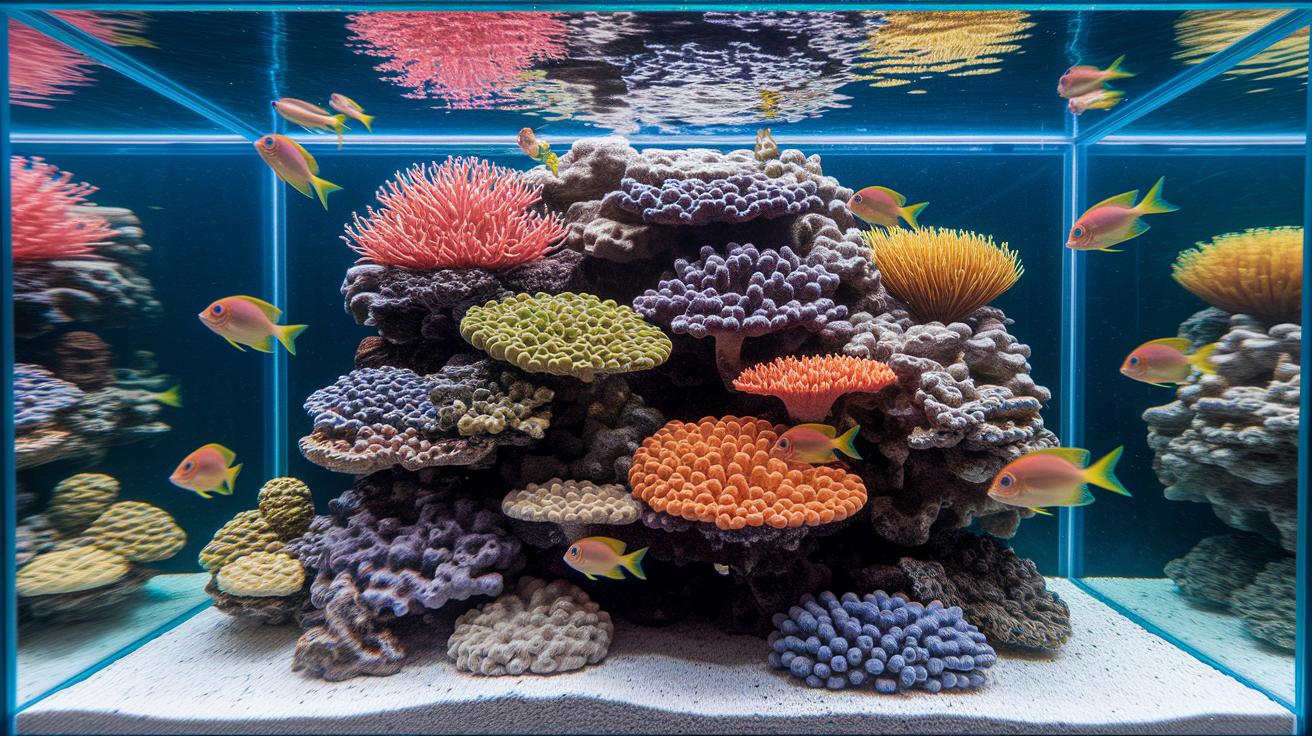
Taking care of your reef tank is a bit like tending to a beautiful, living garden under the sea. Regular care helps your underwater world feel as vibrant as a sunlit coral reef. Here’s a simple guide to keep your tank in great shape:
-
Daily Tasks:
- Add RO/DI water to replace what evaporates, and check the salinity to keep things balanced.
- Give your tank a quick look-over to make sure all your equipment is humming along nicely.
-
Weekly Tasks:
- Change about 20% of the water to help wash away toxins and bring back important minerals.
- Test for ammonia, nitrites, and nitrates, if your tank is still getting set up, do these tests twice a week.
- Carefully clean the glass with non-toxic scrapers and rinse your tank decorations in some tank water.
- Empty and clean the protein skimmer cup so that buildup doesn’t cause trouble.
-
Monthly Tasks:
- Look after your filter media to ensure it’s working as it should.
- Check all cables and tidy them up, a neat setup helps avoid any unexpected shutdowns.
When you notice things like sudden algae blooms, cloudy water, or equipment not working quite right, it might be the perfect time to troubleshoot. Start by checking your water chemistry since too much ammonia or nitrites can cloud your water. Then, take a peek at your filtration system, a clogged skimmer or dirty media might be the culprit. Sometimes, a quick clean of the glass or decorations is all it takes to spot hidden debris. Using a detailed aquarium checklist helps you spot the little things that might be off balance. This regular care can keep your tank sparkling and your reef fish happy and healthy.
Lighting, Habitat Enrichment, and Behavioral Insights for Reef Fish
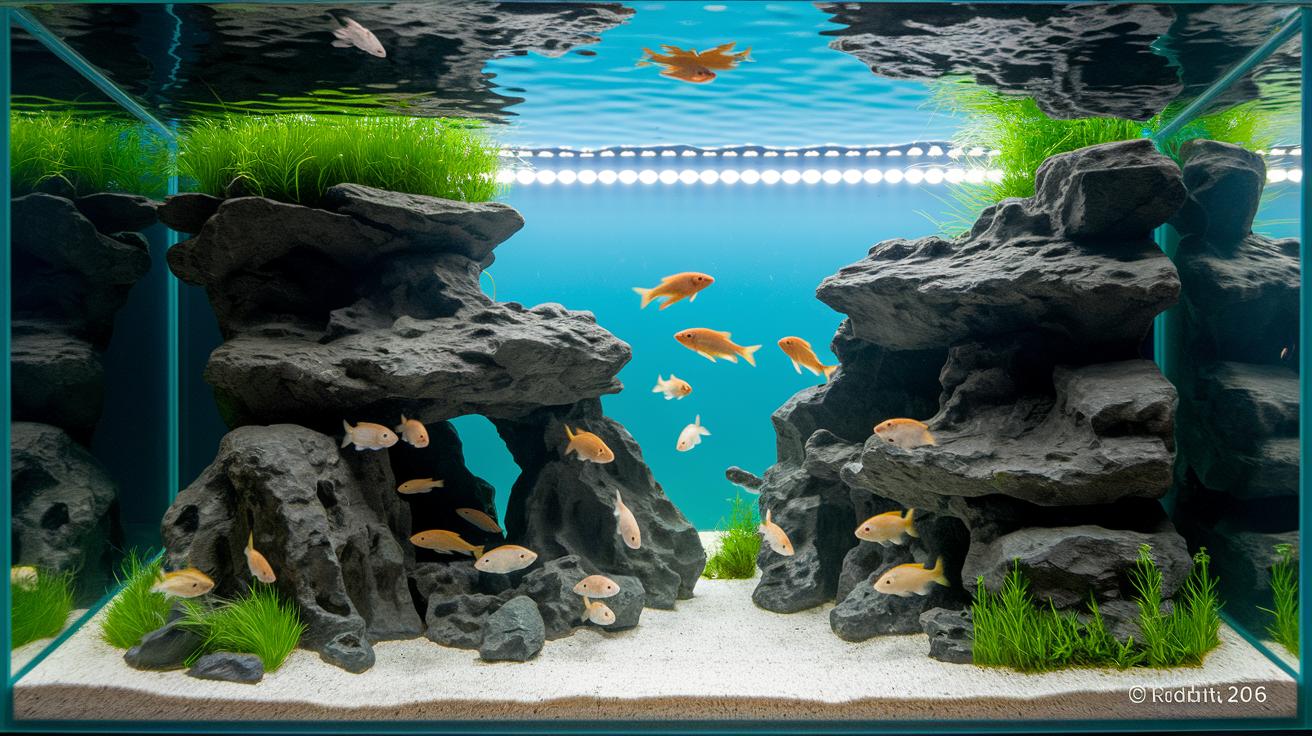
Lighting is the heart of turning your tank into a tiny ocean. Start with basic LED lights and let a PAR meter guide you, it’s like having a gentle underwater whisper that tells you when your light is just right. If you’re on a budget, consider borrowing or renting the meter. In time, you might try programmable reef lights to create a natural wave of light across your underwater world.
Now, switch gears and add some cozy hideaways. Using live rock, build small caves or swim-throughs where your fish can explore and feel safe. These natural touches let your friends act like they do in the wild, finding little spots to hide or rest.
Keep an eye on your fish every day; it’s like checking in on your own mini community. Look out for quick gill movements, constant hiding behind structures, or even signs of aggression towards their tank mates. These simple behaviors tell you if something in the tank needs a little extra love.
Finally, add a soft current to mimic the flow of a real reef. This not only gives your tank an ocean vibe but also boosts oxygen levels for everyone. By blending smart lighting, inviting habitat features, and daily observations, your reef fish will feel secure, lively, and just a bit closer to their true ocean home.
Final Words
In the action of setting up your reef tank, we covered how to create a clean, comfy, and lively underwater home. We reviewed water conditions, tank cycling, strong filtration, and proper feeding to help your fish thrive. We also looked at pairing the right species, following quarantine routines, and keeping a regular maintenance plan. Using these care tips for saltwater reef fish, you’re well on your way to an aquarium that not only looks great but also stays healthy and balanced. Enjoy your aquatic haven!
FAQ
What are the essential care tips for a saltwater reef fish tank for beginners?
The essential care tips for a saltwater reef fish tank for beginners include maintaining stable water quality, correct salinity, and proper filtration, along with regular water changes and choosing hardy species to create a balanced aquatic environment.
How do you maintain a saltwater reef tank?
The method to maintain a saltwater reef tank centers on routine water changes, careful water testing, cleaning filters and skimmers, and monitoring key parameters like salinity and temperature to mimic a natural ocean setting.
How often should reef fish be fed?
The recommended feeding schedule for reef fish involves offering about 1–2% of their body weight in two or three portions daily, ensuring they get enough nutrition without overfeeding the tank.
What should be added to a reef tank daily?
The daily upkeep of a reef tank means topping off evaporated water with RO/DI water and checking salinity levels, which helps maintain the stable, ocean-like conditions that reef inhabitants need.
How can beginners keep their coral healthy?
The approach to keeping coral healthy for beginners includes controlling water parameters, using proper lighting, and offering nutrient-rich water while regularly monitoring for any signs of stress in the aquatic environment.
Which saltwater fish are ideal for beginners and where can you find them?
The ideal beginner saltwater fish, such as clownfish and damselfish, are hardy and colorful. They can be found at reputable aquarium stores specializing in saltwater fish and supplies for reef setups.
What do maintenance kit options and service costs include for saltwater aquariums?
Maintenance kits and service costs for saltwater aquariums usually include cleaning supplies, regular water testing, filter upkeep, and professional support, with pricing varying based on tank size and service needs.